PuroClean Certified Restoration Specialists — 482 Southbridge St, Auburn, MA 01501
Whitinsville is a village inside the town of Northbridge, but it has a history all its own. It started as a blacksmith’s forge on the Mumford River, built by Colonel James Fletcher in the 1770s; his 1770 homestead still stands at 1 Elm Place, one of only two 18th-century structures left in the district. Fletcher’s son-in-law, Paul Whitin, and later Paul’s son John Crane Whitin, grew that forge into the Whitin Machine Works, which by the mid-1900s was the largest textile machinery manufacturer in the world, employing more than 5,600 people at its peak. The Whitin family didn’t just build a factory; they built the village around it, constructing close to a thousand worker homes, churches, a bank, a library, and the Whitin Community Center, still known locally as “The Gym,” all within walking distance of the 1826 Brick Mill and the granite 1845 Whitinsville Cotton Mill, now the Cotton Mill Apartments. Memorial Square, where Main, Church, Hill, Linwood, Douglas, and Fletcher Streets converge at the Mumford River, remains the center of the village, and the entire area is recognized today as part of the Blackstone River Valley National Historical Park.
That company-town layout, built dense and close to the water that once powered it, shapes the property risk we see across Whitinsville today. Three rivers run through Northbridge: the Blackstone running north to south, the West River through the southeast corner, and the Mumford cutting across town from Sutton to join the Blackstone in Uxbridge. Homes and converted mill buildings sit close to all three, on ground that was developed for industrial use well over a century ago. Here’s what we’re called out for most:
Our Auburn crews reach Whitinsville in about 20 to 25 minutes. From the PuroClean office at 482 Southbridge St, we take I-90 (the Mass Pike) east to the Millbury interchange, then pick up Route 146 South toward Sutton. From there, we exit onto Purgatory Road, follow it to North Main Street, and turn onto Hill Street directly into the center of the village, arriving within a few blocks of Memorial Square, the Whitin Community Center, and the historic mill buildings along the Mumford River.
For calls in the Rockdale or Linwood sections of Northbridge, we adjust off Route 122 rather than cutting through the village center, which saves time reaching homes on the north side of town near the Blackstone River. For properties closer to Uxbridge and the Mumford-Blackstone confluence, we stay on Route 122 south of Whitinsville proper, giving us a direct path without backtracking through Memorial Square.
Because Whitinsville’s streets were laid out around the mills rather than modern traffic patterns, some of the historic district’s roads are narrow with limited turnaround room, so our crews plan parking near Church, Fletcher, and Hill Streets in advance to keep equipment staging efficient on tighter blocks.
Whitinsville’s risk starts with its position at the meeting point of three watersheds. The Blackstone River runs the length of Northbridge, the West River enters from the southeast corner of town, and the Mumford River, which originates in Sutton, cuts directly across the village before joining the Blackstone in Uxbridge. Villages built around river power, like Whitinsville, were laid out with mills and worker housing set close to the water by design, not by accident, since the whole point of the location was easy access to that power source. More than a century and a half later, that same closeness means a high water table and real flood exposure whenever any of the three rivers runs high after sustained rain or a fast snowmelt.
The building stock adds its own layer of risk. Close to a thousand worker homes were built by the Whitin family between 1820 and 1920, packed tightly along streets like Church, East, and Fletcher, with foundations, plumbing, and framing that reflect company-standard construction from another era rather than modern building codes. Alongside that housing, Whitinsville’s historic core includes granite and brick mill buildings, the 1826 Brick Mill, the 1845 Whitinsville Cotton Mill, and the 1866 Linwood Mill among them, many now converted into apartments and commercial space. These structures hold water and smoke differently than typical wood-frame construction: heavy timber framing and large open floor plates let damage spread horizontally before it becomes visible, and masonry walls can trap moisture behind their surface for longer than a resident might expect.
Age compounds both factors. Original wiring, aging plumbing, and roofing that predates modern insulation standards are common throughout the historic district, raising fire risk alongside water risk in older homes and mill conversions alike. And because so much of the village sits close to river level, basements throughout Whitinsville run damp for long stretches of the year, giving mold a real head start whenever a water event goes unaddressed for more than a day or two.
Owned & Operated by Nigel Belgrave
482 Southbridge Street, Suite 331, Auburn, MA, 01501
(774) 321-3232
 Auburn
Charlton
Cherry Valley
Douglas
Dudley
Grafton
Leicester
Millbury
North Grafton
North Oxford
Northbridge
Oxford
Rochdale
Southbridge
Spencer
Sutton
Uxbridge
Webster
Whitinsville
Worcester
Auburn
Charlton
Cherry Valley
Douglas
Dudley
Grafton
Leicester
Millbury
North Grafton
North Oxford
Northbridge
Oxford
Rochdale
Southbridge
Spencer
Sutton
Uxbridge
Webster
Whitinsville
Worcester
Water damage can result from unexpected leaks, flooding from storms, plumbing failures, or appliance malfunctions. Our certified teams focus on rapid water removal, drying, and stabilization to help prevent further damage and mold growth.
 Explore Our Water Damage Mitigation Services
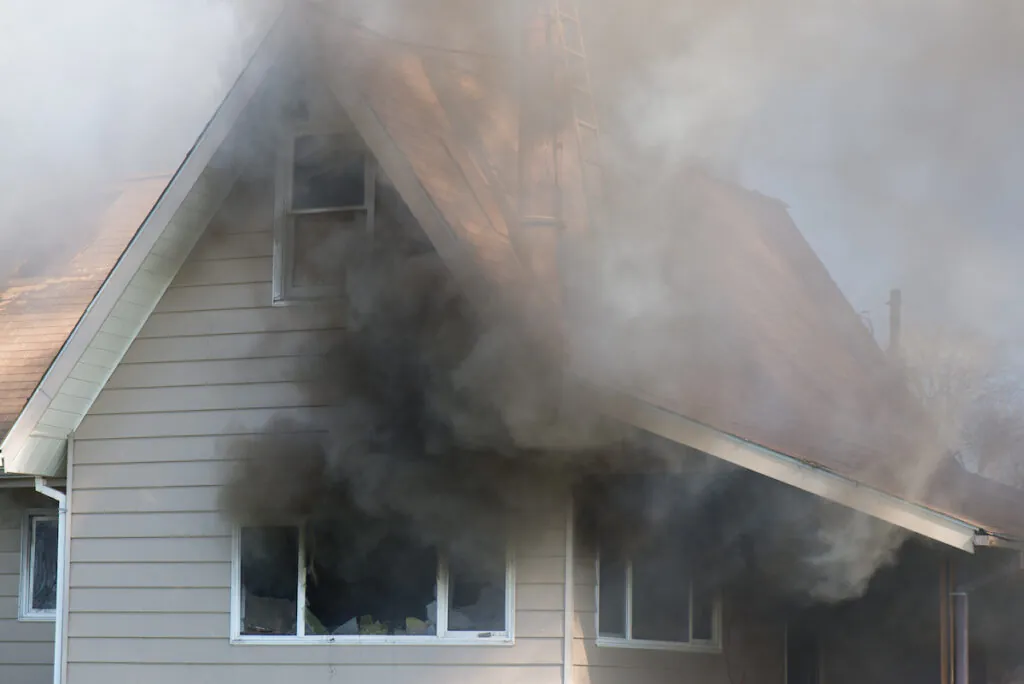
Even after a fire is extinguished, smoke, soot, and odor can continue to affect your home. Fire damage restoration services address visible damage while also helping reduce lingering effects that impact indoor air quality and surfaces.
Explore Our Fire and Smoke Damage Restoration Services
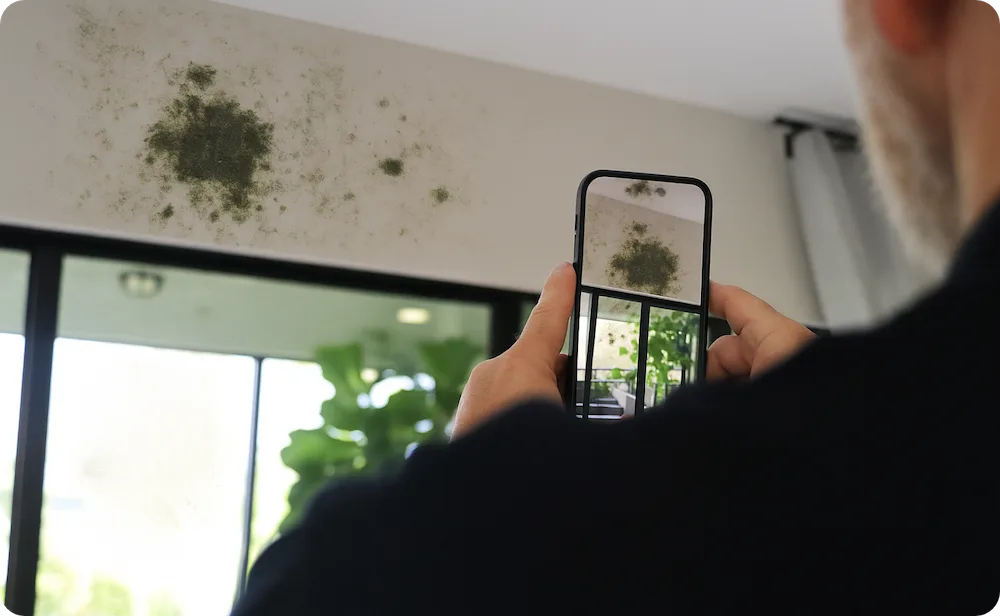
Mold often develops as a result of unresolved moisture or hidden water damage. Professional mold remediation helps identify affected areas, contain growth, and restore healthy indoor conditions.
Explore Our Mold Removal and Remediation Services
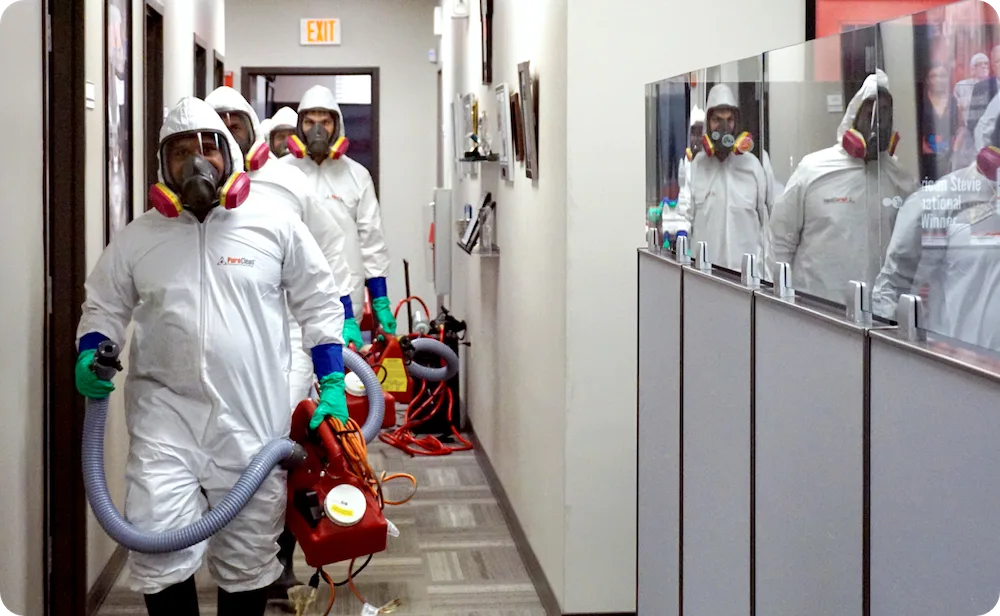
Biohazard situations, including crime scene cleanup and virus decontamination, require specialized cleaning and handling to protect health and safety. Biohazard cleanup services address contamination using proper protocols and professional care.
Explore Our Biohazard Cleanup Services
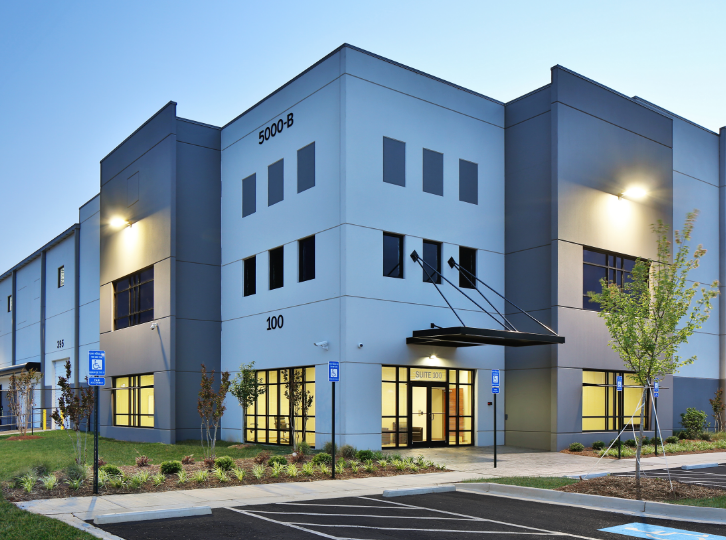
PuroClean provides 24/7 commercial property damage restoration services for businesses and facilities across the United States.
Explore Our Commercial Services
Water damage can result from unexpected leaks, flooding from storms, plumbing failures, or appliance malfunctions. Our certified teams focus on rapid water removal, drying, and stabilization to help prevent further damage and mold growth.
Explore Our Water Damage Mitigation Services
Local answers for Whitinsville homeowners and business owners
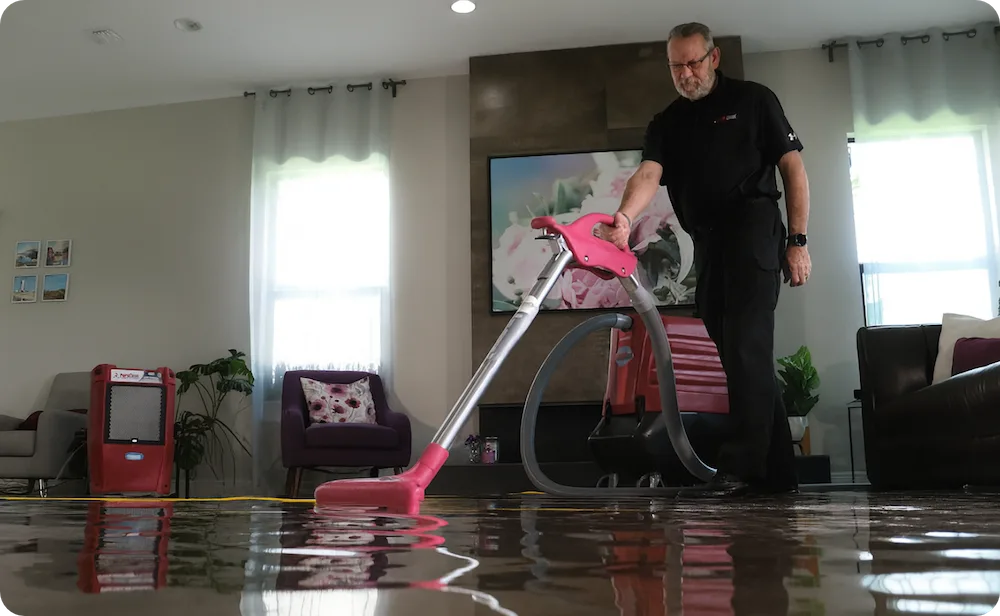
Most Whitinsville calls get a technician on site within roughly 1 to 4 hours. Our Auburn crews take I-90 to Route 146 South and reach the village center, where Main, Church, Hill, Linwood, Douglas, and Fletcher Streets all meet at Memorial Town Hall, in about 20 to 25 minutes. Because the historic district is dense and closely built, we plan parking and equipment staging in advance for streets near the Whitin Community Center or the old mill buildings, so a crew isn’t circling the block while your basement keeps taking on water.
The Whitin family built close to a thousand worker dwellings between 1820 and 1920, and many are still lived in today, packed tightly along streets like Church, East, and Fletcher. These homes were built to a consistent company standard rather than individually customized, which means plumbing runs, foundation depth, and insulation levels tend to be similar house to house but dated by modern standards. We see a steady pattern of frozen pipes in unheated additions and basement seepage in foundations that were never built with a modern sump system in mind.
The Blackstone, Mumford, and West Rivers all pass through or near Northbridge, with the Mumford cutting across town on its way to join the Blackstone. That confluence means parts of Whitinsville sit in a floodplain shaped by three separate watersheds rather than one, and groundwater flooding from any of the three typically falls under NFIP flood coverage rather than a standard homeowner’s policy. We document whether a loss traces to river flooding, groundwater seepage, or a sudden interior failure like a burst pipe, since insurers and the NFIP treat each differently.
Converted mill buildings present different challenges than a typical home: granite or brick exteriors, heavy timber or cast-iron interior framing, and large open floor plates that were designed for industrial machinery rather than residential living. Water and smoke travel differently through that kind of structure, often spreading further horizontally before showing up as visible damage. We use moisture mapping and thermal imaging to trace the actual path of damage through the building before starting extraction or demolition, and we coordinate with property management on any building-wide concerns.
Granite and brick masonry construction, common throughout Whitinsville’s historic core, holds moisture and smoke differently than wood-frame buildings. Stone doesn’t absorb water the way wood does, but water can still get trapped behind masonry walls and inside mortar joints, and smoke residue clings to stone surfaces in ways that need specific cleaning approaches rather than standard techniques. We assess each structure’s material makeup before starting work, since a granite mill building and a wood-frame worker cottage next door to it need noticeably different drying and cleaning plans.
What Our Customers Say:
When you need water damage restoration services near you, call the experts at PuroClean. We are here day or night, 24/7, to help remove any standing water quickly and begin your water restoration service. We monitor the drying process so you can rest assured that your property is dried thoroughly. We offer commercial water restoration services for businesses and residential water damage restoration for homeowners.
Contact Us for 24/7 Emergency Response
(774) 321-3232
Contact Us
PuroClean Certified Restoration Specialists
(774) 321-3232
482 Southbridge Street, Suite 331, Auburn, MA 01501


© 2026 PuroClean. All Rights Reserved.