PuroClean Certified Restoration Specialists — 482 Southbridge St, Auburn, MA 01501
Spencer was first settled in 1721 and incorporated in 1753, its Main Street laid out along a Nipmuc trail that later became Route 9. George Washington himself passed through and reportedly stopped at Jenks Tavern, on the site of what’s now the Massasoit building at Main and Pleasant Streets, during his 1789 tour of New England. The town’s real growth came a century later, when wire manufacturer Richard Sugden built the reservoir that still carries his name on Turkey Hill in 1882, damming Shaw Brook and Turkey Hill Creek to power the wire mills of Upper and Lower Wire Village. Sugden’s fortune built the town, too: the Romanesque Revival Richard Sugden Library opened in 1889, and the Sugden Block still stands at 117 Main Street. Today, the Spencer Town Center Historic District runs along Main Street and out to Cherry, Wall, and Mechanic Streets, covering more than a century of mill-era construction, while Lake Whittemore, the town’s only natural lake, borders Luther Hill Park at the north end of the center.
That reservoir-and-hillside geography shapes the property risk we see across Spencer. The town sits at roughly 925 feet, well above most of the surrounding valley towns, which means colder winters, heavier snow load, and longer hard freezes. At the same time, a chain of engineered water bodies, Sugden Reservoir, Thompson Pond, and Stiles Reservoir among them, still holds water close to the surface in North Spencer and the old mill villages, while rural sections of town outside the sewer district rely on well and septic systems that come under stress during heavy rain. Here’s what we’re called out for most:
Our Auburn crews reach Spencer in about 20 to 25 minutes, depending on which part of town the call is in. For downtown Spencer and the Historic District along Main Street, we head north from our Southbridge St office to pick up Route 9 West through Leicester, following Main Street directly into the center of Spencer near the Richard Sugden Library and Town Hall. That route keeps trucks on a wide, well-maintained road through most of the trip, which matters when we’re loaded with extraction equipment and dehumidifiers.
For calls in North Spencer, Wire Village, or homes near Sugden Reservoir, we take a different path: west on Route 20 through Charlton, then north on Route 56 directly into North Spencer, which cuts significant time off a job near Paxton Road or Donnelly Road compared with routing through downtown first. For the rural southern and western sections of Spencer, including areas near Saint Joseph’s Abbey and the Seven Mile River watershed, we combine Route 9 with local connector roads to reach a property without backtracking through the center of town.
Because Spencer sits at a higher elevation than Auburn, winter storms often hit here before they reach our office, so our dispatchers watch conditions on Route 9 and Route 56 closely and plan alternate paths in when snow or ice slows the direct route.
Spencer’s risk profile starts with elevation and water storage working against each other. At roughly 925 feet above sea level, Spencer sits well above Worcester and Auburn, which means colder average temperatures, more sustained snow cover, and a longer stretch of hard freezes each winter. That elevation also feeds a chain of reservoirs and ponds, Sugden Reservoir on Turkey Hill, Thompson Pond, Stiles Reservoir, and Lake Whittemore, all built or expanded during the wire-mill era of the 1880s to store water for industrial power. These bodies still hold significant water close to the surface in North Spencer and the old mill villages, keeping the water table high in low-lying sections of town and raising the odds of basement seepage and groundwater intrusion whenever the reservoirs run full after heavy rain or a fast spring thaw.
The building stock adds real risk on top of the terrain. Spencer’s Main Street corridor is dense with construction from the last quarter of the 19th century, brick commercial blocks, Late Victorian homes, and heavy-timber mill buildings along Cherry, Wall, and Mechanic Streets that were converted to residential and commercial use decades ago. Original wiring, aging plumbing, and roofing that predates modern insulation standards are common throughout the district, and at Spencer’s elevation, ice damming on older rooflines happens more often and lasts longer than it would in a lower-lying town.
Outside the town center, rural land near Moose Hill Wildlife Management Area and the Seven Mile River watershed brings its own risk: dense forest cover means downed trees and roof punctures during nor’easters and summer storms, and homes on well and septic systems in these areas face a higher chance of Category 3 sewage backup when the ground stays saturated for days at a time. Together, the old mill-era buildings, the engineered reservoir system, and Spencer’s colder, higher terrain combine to make water damage, ice-related pipe failures, and mold in damp basements a routine part of property ownership here.
Owned & Operated by Nigel Belgrave
482 Southbridge Street, Suite 331, Auburn, MA, 01501
(774) 321-3232
 Auburn
Charlton
Cherry Valley
Douglas
Dudley
Grafton
Leicester
Millbury
North Grafton
North Oxford
Northbridge
Oxford
Rochdale
Southbridge
Spencer
Sutton
Uxbridge
Webster
Whitinsville
Worcester
Auburn
Charlton
Cherry Valley
Douglas
Dudley
Grafton
Leicester
Millbury
North Grafton
North Oxford
Northbridge
Oxford
Rochdale
Southbridge
Spencer
Sutton
Uxbridge
Webster
Whitinsville
Worcester
Water damage can result from unexpected leaks, flooding from storms, plumbing failures, or appliance malfunctions. Our certified teams focus on rapid water removal, drying, and stabilization to help prevent further damage and mold growth.
 Explore Our Water Damage Mitigation Services
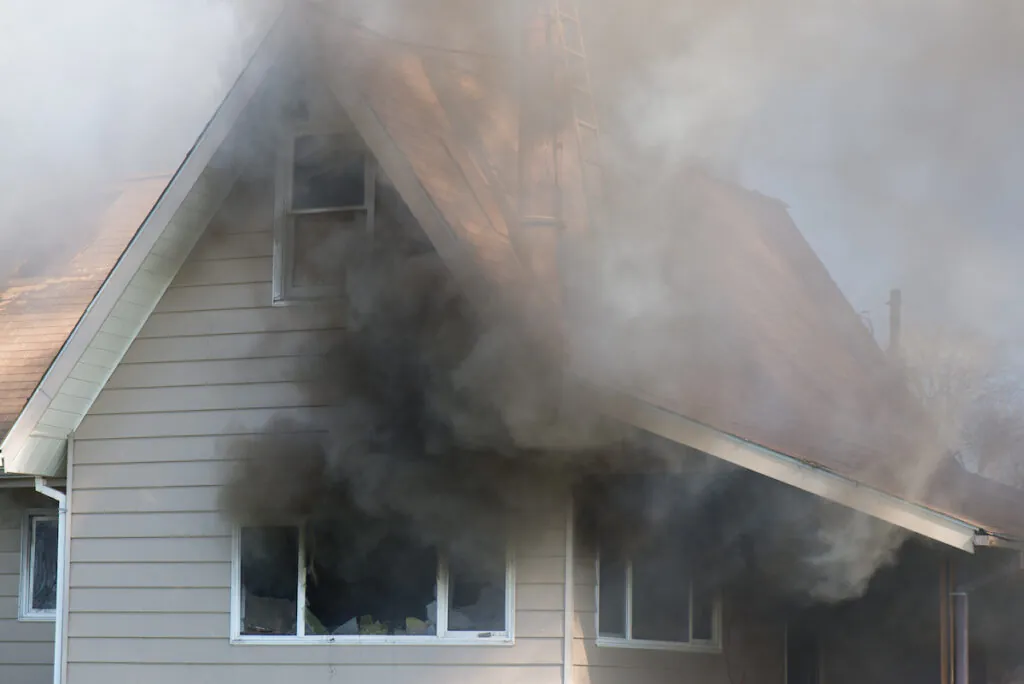
Even after a fire is extinguished, smoke, soot, and odor can continue to affect your home. Fire damage restoration services address visible damage while also helping reduce lingering effects that impact indoor air quality and surfaces.
Explore Our Fire and Smoke Damage Restoration Services
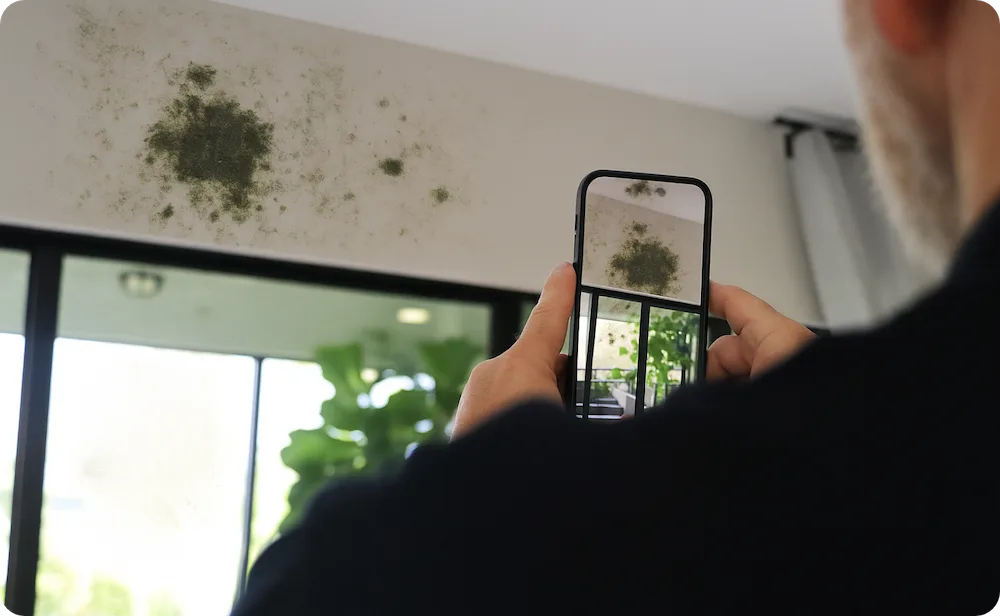
Mold often develops as a result of unresolved moisture or hidden water damage. Professional mold remediation helps identify affected areas, contain growth, and restore healthy indoor conditions.
Explore Our Mold Removal and Remediation Services
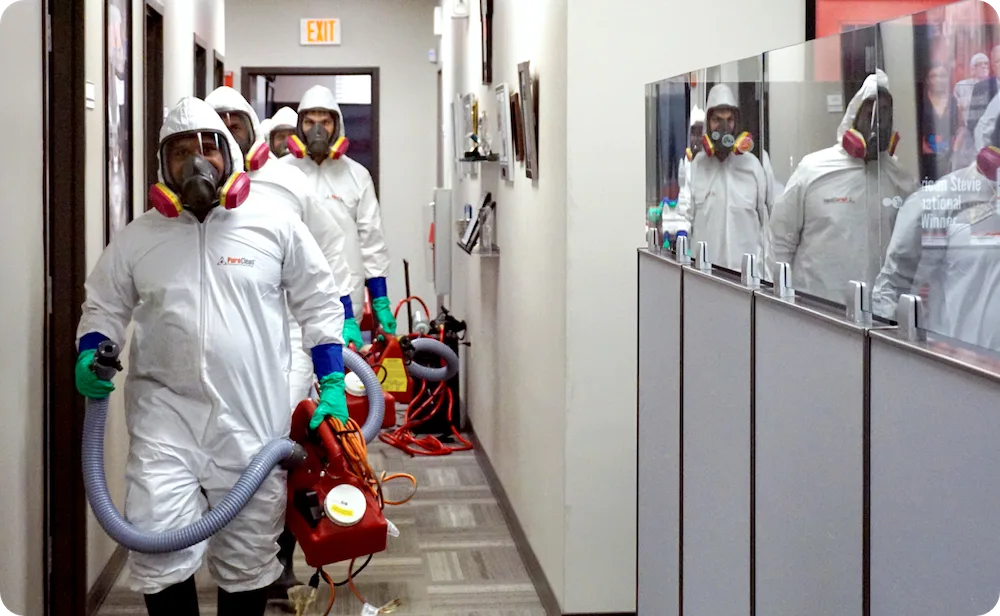
Biohazard situations, including crime scene cleanup and virus decontamination, require specialized cleaning and handling to protect health and safety. Biohazard cleanup services address contamination using proper protocols and professional care.
Explore Our Biohazard Cleanup Services
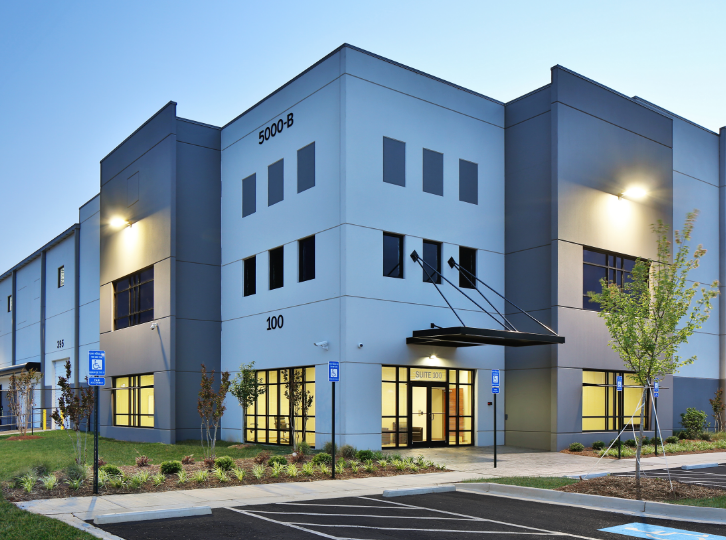
PuroClean provides 24/7 commercial property damage restoration services for businesses and facilities across the United States.
Explore Our Commercial Services
Water damage can result from unexpected leaks, flooding from storms, plumbing failures, or appliance malfunctions. Our certified teams focus on rapid water removal, drying, and stabilization to help prevent further damage and mold growth.
Explore Our Water Damage Mitigation Services
Local answers for Spencer homeowners and business owners
Most Spencer calls get a technician on site within roughly 1 to 4 hours. Homes around Sugden Reservoir, Thompson Pond, and the old Wire Village mill ponds sit on ground that was engineered over a century ago to hold water for industrial power, and basements nearby can take on groundwater fast when those ponds run high after heavy rain or spring snowmelt. Our dispatchers route around Paxton Road and Donnelly Road when needed to reach North Spencer directly, since standing water in an older basement starts risking framing and flooring within hours of a failure.
Buildings in the Spencer Town Center Historic District, including the c. 1890 Sugden Block and the 1889 Richard Sugden Library, get handled with attention to original brick, oak trim, and stained glass wherever it’s present. We use moisture meters and thermal imaging to map how far water or smoke residue traveled before removing anything, and we dry material in place whenever it can be salvaged. For an insured commercial loss, we build an Xactimate-compatible scope and work directly with your adjuster and, if needed, the town’s historic district review process.
It does. At roughly 925 feet, Spencer runs colder longer than lower-lying towns nearby, and homes here see more sustained hard freezes and heavier snow load. Pipes in unheated additions, older Main Street-area homes, and converted mill buildings are especially prone to freezing and bursting during a deep cold snap followed by a thaw. Ice damming on older, less-insulated rooflines is also more common at this elevation, which is why we see a steady run of frozen-pipe and roof-leak calls through the coldest months.
A septic backup is treated as a Category 3, grossly contaminated loss under IICRC S500 standards from the moment we arrive: containment barriers, personal protective equipment, and removal of any porous material the sewage reached, since those materials typically can’t be cleaned and dried safely. Rural sections of Spencer outside the municipal sewer district see this more often during saturated ground conditions near Turkey Hill Creek and the Seven Mile River watershed. We coordinate with a septic contractor for the source repair while handling extraction, disinfection, and drying, and document everything for your insurer.
Spencer’s old wire-mill buildings along Cherry, Wall, and Mechanic Streets were built with heavy timber framing and brick that holds soot and smoke odor differently than typical residential construction, so we start with a full assessment of how far residue traveled through the structure before starting cleanup. Our technicians use HEPA cleaning, thermal fogging, or hydroxyl treatment depending on severity, and we document the loss with an Xactimate-compatible scope. Where reconstruction is needed, we coordinate the rebuild to match the building’s existing industrial-era character.
What Our Customers Say:
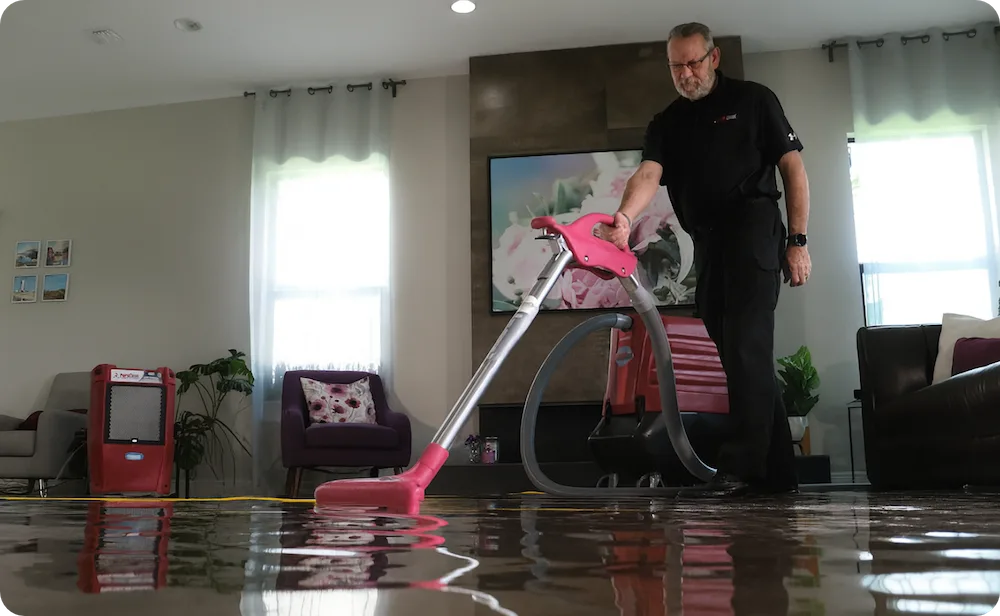
When you need water damage restoration services near you, call the experts at PuroClean. We are here day or night, 24/7, to help remove any standing water quickly and begin your water restoration service. We monitor the drying process so you can rest assured that your property is dried thoroughly. We offer commercial water restoration services for businesses and residential water damage restoration for homeowners.
Contact Us for 24/7 Emergency Response
(774) 321-3232
Contact Us
PuroClean Certified Restoration Specialists
(774) 321-3232
482 Southbridge Street, Suite 331, Auburn, MA 01501


© 2026 PuroClean. All Rights Reserved.