


Table of Contents
As you enter your hotel room, you expect to find a haven of relaxation and comfort. The last thing you want to worry about is mold. But did you know that mold can be a common and dangerous problem in hotel rooms? If left untreated, it can cause serious health issues.
Mold in hotel rooms is often caused by excess moisture, water damage, and warm, damp environments. These conditions can be challenging to control, especially with the constant occupancy changes of hotel rooms. It’s not just budget hotels at risk—even upscale luxury hotels can be susceptible to mold growth. So, what can you do to protect yourself from this hidden danger and enjoy a healthy and worry-free stay? Keep reading below!
Is Mold Growth in a Hotel Room Dangerous?
If you’re wondering whether mold in a hotel room is dangerous, the answer is yes. It’s crucial to know how to identify mold so that you can report it to the hotel management. A moldy hotel room can cause various problems, especially if you plan to stay for an extended period, resulting in long-term exposure.
The hazardous fungus can trigger adverse side effects in people, such as respiratory issues, allergies, and asthma. Individuals with pre-existing conditions or compromised immune systems are at a higher risk of declining health due to mold exposure.

Check around your room for signs of mold and report any you find before settling in.
The consequences of mold don’t just impact human health. They can also affect the structural integrity of buildings if left unchecked, leading to potential safety hazards. These hazards include splintering and decaying wood, weakened walls or ceilings, and even the noticeable discoloration of walls.
The Signs of Mold Damage in Hotel Rooms
When starting your hotel stay, it is essential to inspect the room thoroughly to ensure a safe and pleasant experience for yourself and future guests. Begin by checking the bathroom for any unusual smells, colors, and excess moisture, as these could be potential signs of mold growth. Report anything you find to the front desk and ask them to repair it promptly or request a room change.
Mold will undoubtedly leave a sour taste in guests’ mouths and damage property, leading to costly repairs and renovations. Here are some signs of mold damage that can enable hotel guests and staff to be on alert:
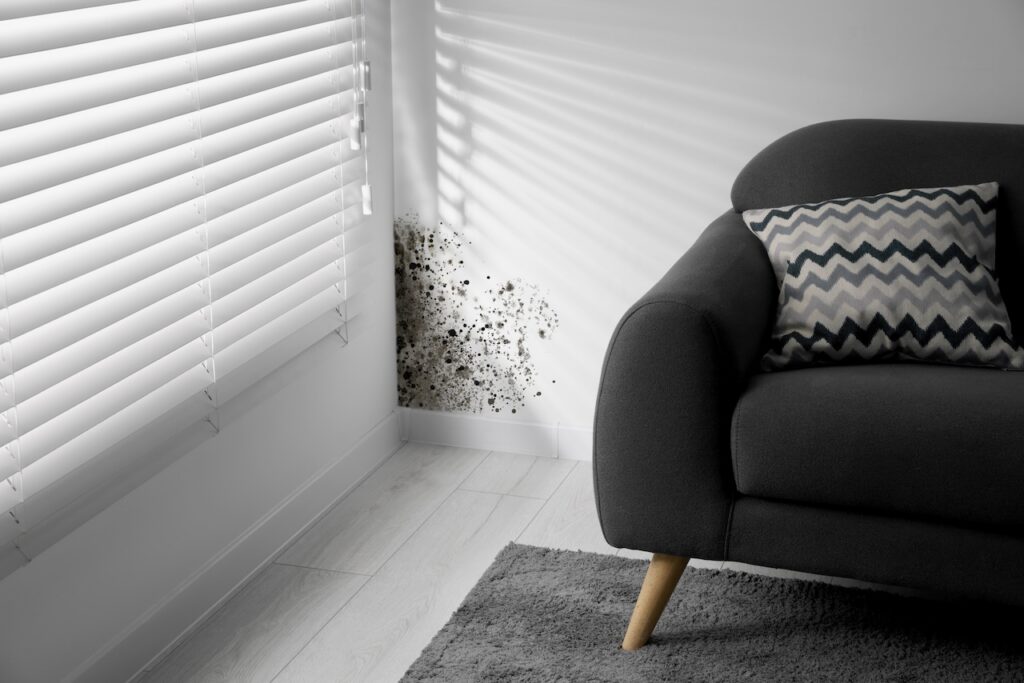
- A visible mold infestation. The most obvious sign of mold damage is visible mold growth. Mold can appear in various colors, including black, green, white, and gray. It may appear fuzzy or slimy.
- Musty odor. Mold has a distinct foul, musty smell, often earthy or damp. If you detect a strong, unpleasant odor in your room, it could be a sign of mold growth.
- Wallpaper. The first signs of mold damage often appear on walls and wallpaper. Peeling wallpaper is an immediate indicator of moisture in the room, which can mean mold is present.
- Water damage. Mold thrives in moist environments, so water damage is a common precursor to mold infestation. Stains on walls or ceilings, warped or discolored flooring, or damp carpets could indicate a water leak that may have caused mold to grow.
- Allergic reactions. Mold can cause allergic reactions in some people, including coughing, sneezing, itchy eyes, and skin rashes. If you experience these symptoms while staying there, mold could be the culprit.
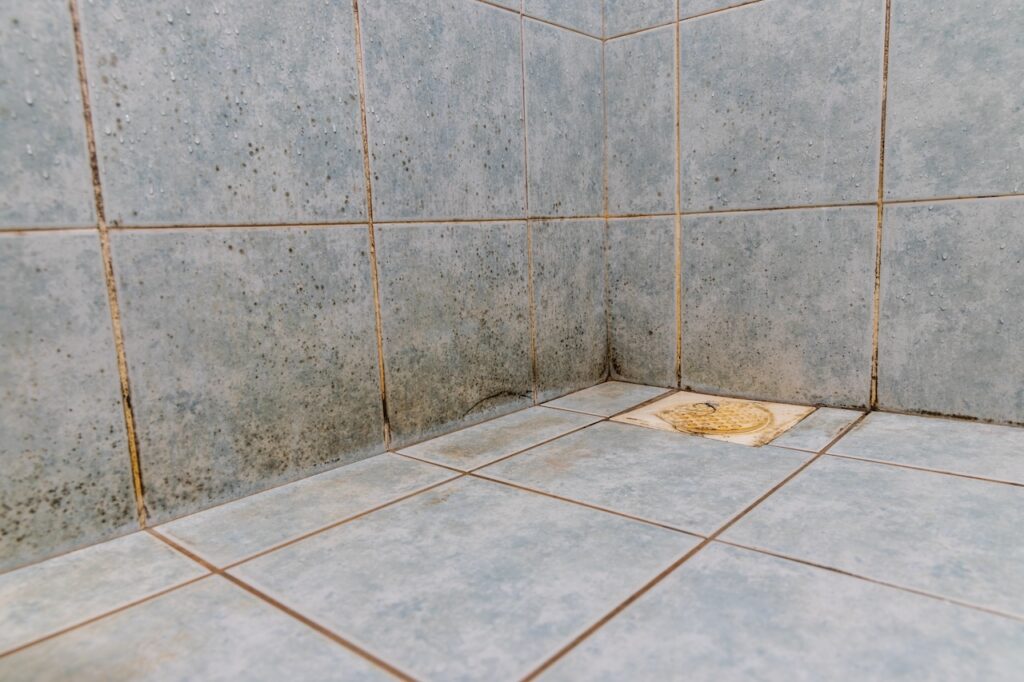
Hotel bathrooms are moist, perfect spots for mold. Check them thoroughly.
- Health issues. Long-term mold exposure can cause serious health setbacks, including watery eyes, respiratory problems, headaches, and fatigue. Children can be more sensitive to mold exposure. If you experience symptoms during or after your stay, inform the hotel staff immediately.
- Poor air quality. Is mold in a hotel room dangerous? Yes, because it also can have an impact on air quality. Airborne mold spores can affect indoor air quality. If you notice a stuffy or humid feeling, especially in a hotel bathroom, it could mean mold.
If you suspect your hotel room has mold damage, don’t wait to inform the hotel staff and management. Let them know immediately, so they can take the appropriate action to address and resolve the issue.
How to Prevent Mold in Hotel Rooms
Hotels should be a clean and inviting environment for all guests to enjoy peacefully and without worry. Mold doesn’t have to be a problem if hotels do the following:
- Regular cleaning. Hotels should clean their rooms regularly to prevent dirt and moisture buildup. This includes thoroughly cleaning and disinfecting bathrooms, carpets, and other surfaces after every guest.
- Proper ventilation. Rooms should be adequately ventilated, with airflow and ventilation systems that are regularly maintained. This can reduce moisture levels and prevent mold growth.
- Use dehumidifiers. Dehumidifiers are excellent at reducing indoor humidity and preventing mold from growing. A dehumidifier can be placed in damp spaces such as bathrooms, laundry rooms, and basements.
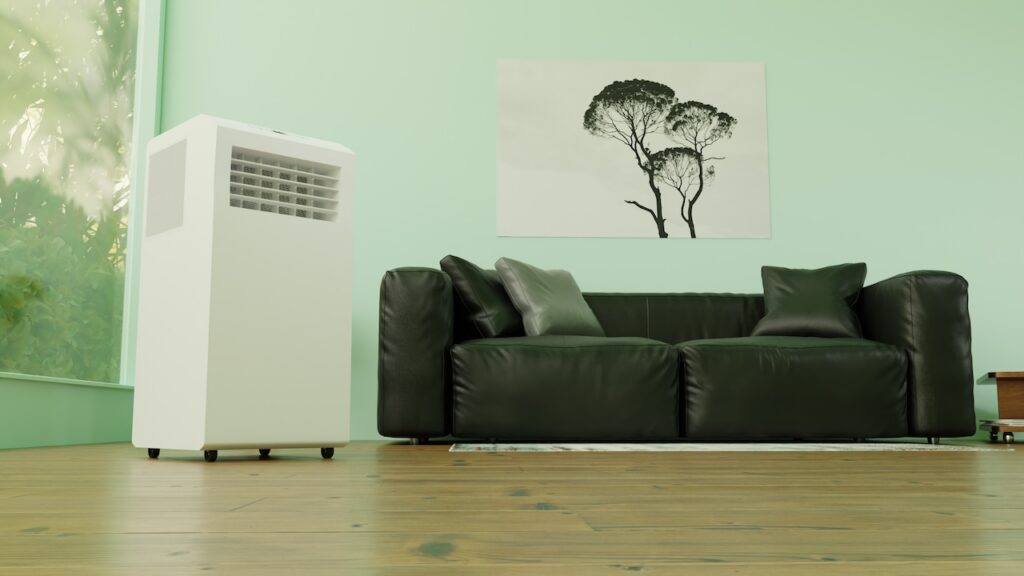
Dehumidifiers can make a huge difference against mold.
- Address water leaks promptly. A leaky pipe or a malfunctioning appliance can contribute to mold growth. Hotels should promptly address leaks and water damage and repair or replace damaged fixtures or pipes as needed.
- Maintain HVAC systems. Routine maintenance and cleaning should be completed of heating, ventilation, and air conditioning (HVAC) systems, including the cleaning of cooling coils, humidifiers, and drain pans where organic material can build up, leading to fungal growth.
- Use mold-resistant materials. When building or renovating guest rooms, hotels should use mold-resistant materials, such as mold-resistant drywall and paint, to reduce the risk of hidden mold.
- Monitor humidity levels. Hotels should monitor the humidity levels (below 50 percent) in their rooms and take steps to reduce humidity levels if they are too high. Dehumidifiers or air conditioning units can reduce moisture in the air.
- Educate staff and guests. Talk to staff and guests about mold prevention, including identifying mold and reporting any issues to hotel management.
By implementing these preventive measures, hotels can effectively ensure the health and safety of their guests. Providing a clean and mold-free environment allows guests to have a worry-free and pleasant stay.
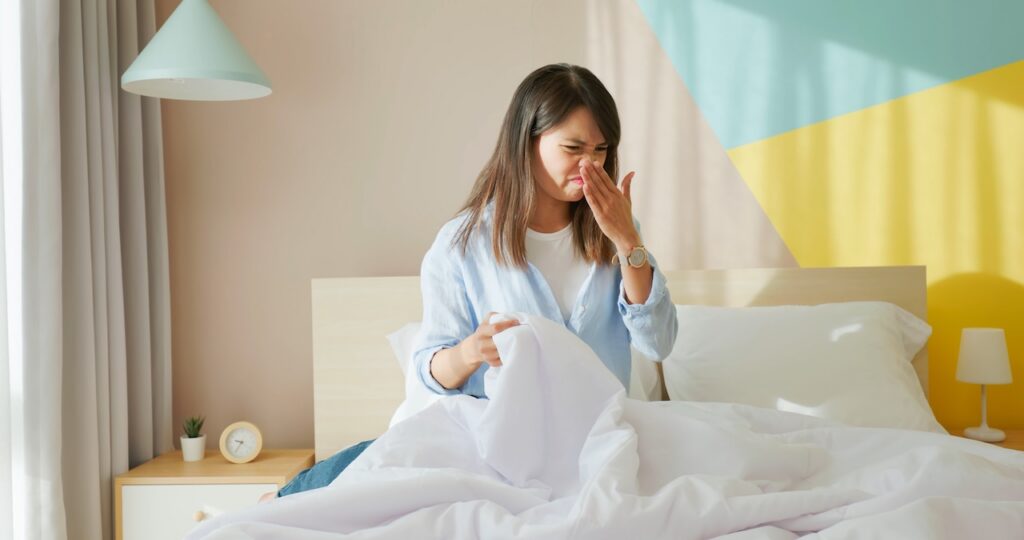
Check your sheets for any odd smells or sights. You might find mold or bed bugs!
Checking In? Check Out PuroClean Water, Fire, and Mold Experts for Our Premier Mold Remediation Services!
Mold in hotel rooms isn’t just a housekeeping issue—it’s a health hazard and a risk to your business’s reputation. With Columbus’s humid climate, prevention and quick remediation are essential.
If you manage or own a property and suspect mold growth, call PuroClean Fire & Water Experts of Columbus, OH. Our certified mold remediation specialists restore clean air, safe conditions, and guest comfort—fast.
Contact us today at (614) 309-5739 for an inspection or emergency mold remediation service.
Frequently Asked Questions
1. Is it safe to sleep in a hotel room with mold?
No. Even short exposure can trigger allergies or breathing issues. Request another room immediately and report the issue.
2. Can I clean mold myself?
Small surface mold can sometimes be cleaned with diluted detergent, but hotel mold usually indicates deeper moisture problems that need professional remediation.
3. How long does professional mold remediation take?
It depends on the extent of the damage. Most projects in Columbus take 2–5 days, including drying and air quality verification.
4. Can mold come back after remediation?
Only if moisture isn’t controlled. That’s why professional drying and monitoring are key parts of the PuroClean process.
5. Does insurance cover mold damage?
Coverage varies. If the mold resulted from sudden water damage (like a burst pipe), it’s often covered. Gradual leaks may not be—our team can help you navigate your claim.
Summary
- Mold in hotel rooms is common in humid areas like Columbus, OH.
- It poses health risks and structural damage if ignored.
- Prevention includes moisture control, ventilation, and fast water damage repair.
- Professional mold remediation ensures long-term safety and compliance.
- PuroClean Fire & Water Experts offers certified, local solutions 24/7.
Explore more helpful articles: