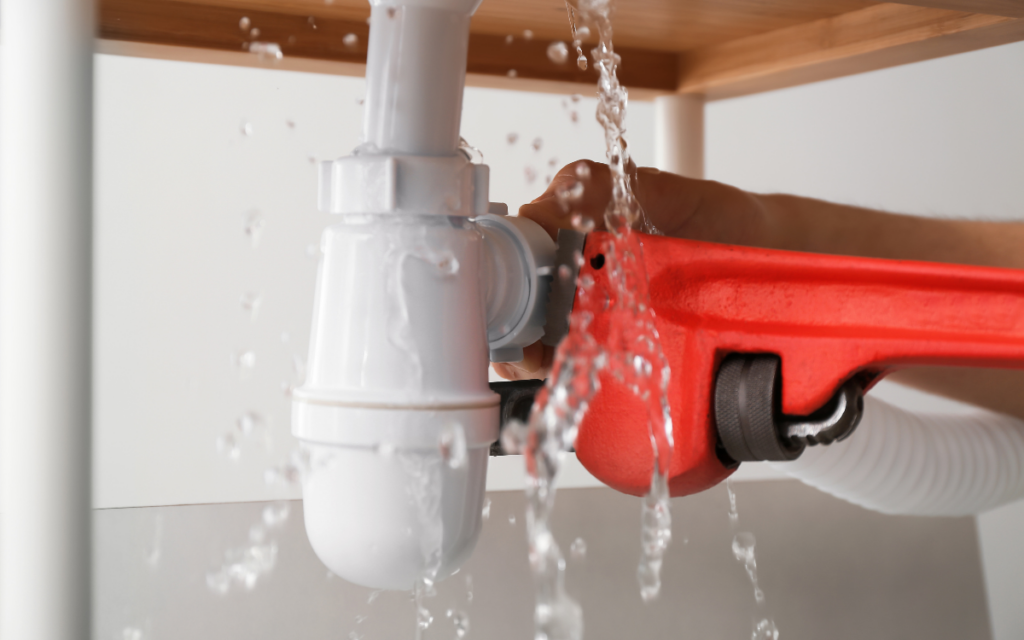
A burst pipe, overflowing washing machine, or unexpected roof leak can leave homeowners facing two immediate concerns: how extensive is the damage, and how much will it cost to repair?
The answers depend on more than the water you can see. Moisture can travel beneath flooring, soak into drywall, reach insulation, and spread into adjoining rooms. Even after the source has been stopped, affected building materials may continue holding moisture.
Water damage mitigation is the process of limiting additional damage through assessment, water extraction, moisture detection, and structural drying. The sooner those steps begin, the better the opportunity to prevent a manageable water loss from becoming a more extensive restoration project.
At PuroClean Restoration Specialists, owner Jim Bauer and our locally operated team provide 24/7 emergency water damage services throughout Frisco and surrounding North Texas communities. Our focus is on understanding the full extent of the damage, explaining the restoration plan, and helping property owners make informed decisions about their homes.
Why Does the First Hour of Water Damage Matter?
The first hour after discovering water damage is a critical window to stop more water from entering the property and start addressing the affected areas.
Consider a leaking supply line beneath a kitchen sink. The visible damage may appear limited to the cabinet, but water can travel along the subfloor, reach adjoining walls, and collect beneath flooring before the homeowner realizes how far it has spread.
The concern is not simply the amount of standing water. It is where the water has traveled, which materials have absorbed it, and how long those materials remain wet.
Responding quickly can help:
- Stop or contain the water source.
- Reduce the amount of water absorbed by surrounding materials.
- Identify hidden moisture before additional damage develops.
- Begin appropriate extraction and drying procedures.
- Establish documentation and a restoration plan.
Although immediate action cannot guarantee that repairs will be avoided, it can influence the amount of work ultimately required.
What Is the Difference Between Water Mitigation and Water Restoration?
Water damage mitigation and water damage restoration are related but serve different purposes.
Mitigation focuses on limiting additional damage. It typically includes assessing the affected areas, extracting standing water, removing materials that cannot be safely restored, and beginning structural drying.
Restoration focuses on returning the property to its intended condition. Depending on the damage, that may involve cleaning, replacing drywall, repairing flooring, rebuilding cabinets, painting, or completing other necessary repairs.
For example, after a water heater leak, mitigation may involve removing water and drying affected building materials. Restoration may include repairing surrounding walls and replacing flooring that can’t be saved.
PuroClean Restoration Specialists provides both emergency mitigation and property reconstruction services, helping homeowners move from the initial damage through the repair process when reconstruction is necessary.
What Happens During Emergency Water Damage Mitigation?
Every water loss requires an assessment based on the water source, affected materials, and conditions inside the property. A professional restoration process generally includes five stages.
1. Initial Assessment and Safety Evaluation
The restoration team begins by evaluating the water source, visible damage, potential safety hazards, and areas where moisture may have traveled.
Water near electrical equipment, sewage backups, and certain flood types require extra precautions. Identifying these conditions early helps determine the appropriate response.
2. Water Extraction
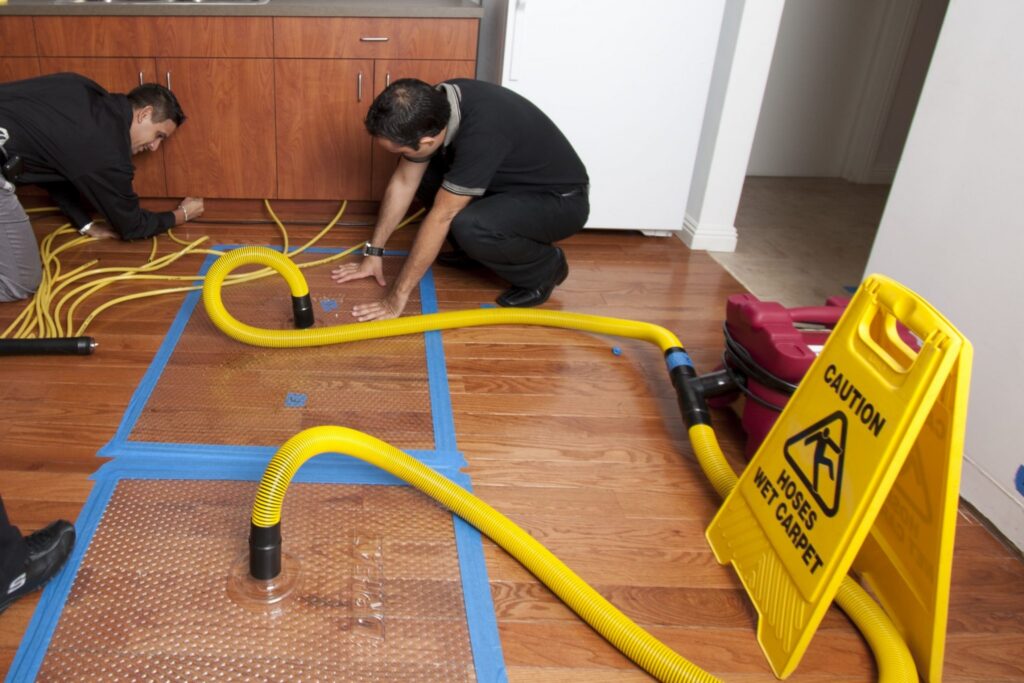
When standing water is present, professionals use extraction equipment to remove accessible water from affected areas.
However, removing visible water does not mean the structure is dry. Carpet padding, drywall, subflooring, and other porous materials may continue holding moisture long after the surface appears dry.
3. Moisture Detection and Material Assessment
Professional moisture-detection equipment helps identify water beneath flooring, behind baseboards, and inside other building materials.
This assessment supports decisions about which materials can be dried in place and which may require removal because of contamination, deterioration, or the inability to dry them effectively.
The goal is to preserve materials when appropriate without leaving unresolved moisture behind.
4. Structural Drying and Monitoring
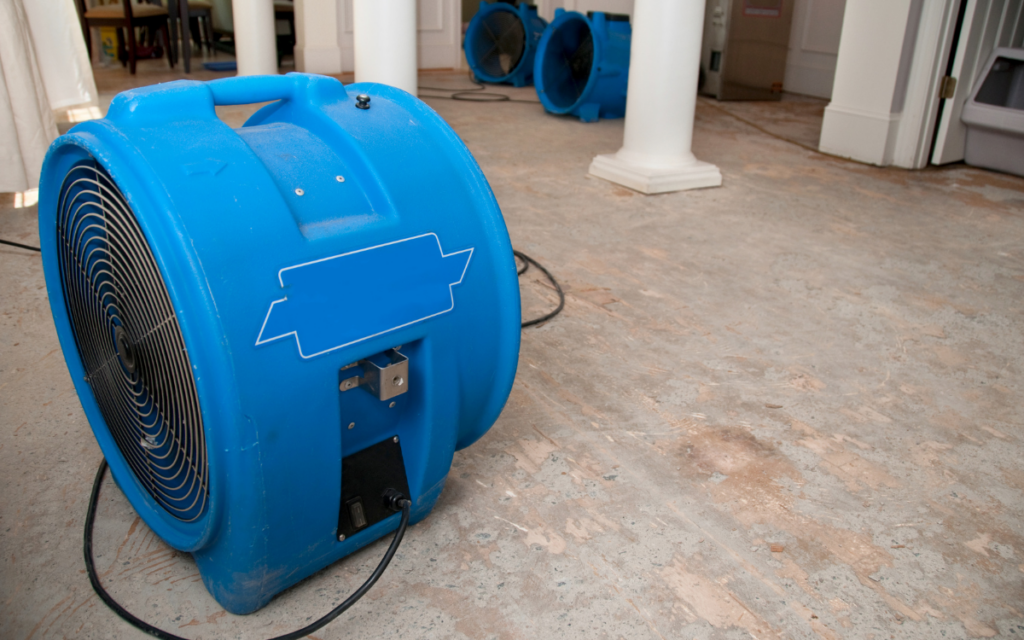
Air movers, dehumidifiers, and other professional equipment may be used to remove remaining moisture from affected materials.
Drying time depends on the amount of water, the materials involved, and environmental conditions. Moisture readings help the restoration team evaluate progress rather than relying on how dry a room looks or feels.
5. Documentation and Recovery Planning
Throughout the project, documentation explains the affected areas, the work performed, and any additional damage discovered.
When repairs are required, the next phase may include replacing damaged flooring, drywall, cabinetry, or other finishes.
Homeowners should understand what work is necessary, why it is recommended, and what happens after mitigation is complete.

How Does Delaying Water Damage Mitigation Affect Restoration Costs?
Delaying mitigation can increase restoration costs when water continues spreading or affected materials deteriorate.
Consider a refrigerator supply line that begins leaking while a homeowner is away. If the leak is discovered quickly, the damage may be limited to a small area that requires extraction and drying.
If the leak continues for several days, water may spread beneath kitchen flooring, into cabinetry, and through adjoining walls. The restoration scope could then include additional drying, material removal, and reconstruction.
These outcomes aren’t guaranteed, but they show how exposure time can affect the work required.
What Determines the Cost of Water Damage Restoration?
Several factors influence the cost of mitigation and repairs:
- Size of the affected area: Larger areas generally require more labor, equipment, and drying.
- Water source: Sewage and contaminated water can require additional safety procedures, cleaning, and material removal.
- Duration of exposure: Materials that remain wet longer may experience greater deterioration.
- Affected materials: Drywall, hardwood, carpet, insulation, and cabinetry respond differently to moisture.
- Hidden damage: Water beneath flooring or inside walls can increase the restoration scope.
- Drying requirements: Equipment, monitoring, and drying time depend on the property’s conditions.
- Reconstruction: Materials that cannot be restored may need replacement.
There is no reliable universal price for water damage restoration because two homes with similar visible damage may require very different work.
At PuroClean Restoration Specialists, the assessment helps establish what mitigation is necessary and whether additional repairs may be required. Homeowners should understand which services are included in the proposed scope, whether reconstruction will be estimated separately, and how changes will be communicated.
Can Fast Water Extraction Prevent Expensive Repairs?
Prompt extraction can reduce additional damage, but removing standing water alone does not guarantee repairs won’t be needed.
Some materials can be dried successfully when conditions allow. Others may need removal because they are contaminated, deteriorated, or cannot be adequately dried.
The water source also matters. A clean-water plumbing leak requires a different response from a sewage backup or floodwater entering from outside the property.
Professional mitigation involves evaluating those differences and choosing the right drying, cleaning, or removal strategy instead of automatically replacing every wet material.
What Should You Do Immediately After Discovering Water Damage?
If you discover water damage, taking the following steps can help protect your property while professional assistance is arranged.
- Stop the water source when safe. Shut off the affected fixture or main water supply if you can reach it safely.
- Avoid electrical hazards. Do not enter standing water near electrical equipment, outlets, or wiring.
- Stay away from contaminated water. Sewage backups and floodwater require additional precautions.
- Document visible damage. Take photographs or videos from a safe location before cleanup begins.
- Contact a restoration professional. Explain when the damage was discovered, what caused it if known, and which areas appear affected.
- Notify your insurance company. Follow your policy’s reporting requirements and retain documentation of emergency mitigation.
You generally do not need to wait for an insurance adjuster to visit before taking reasonable steps to prevent additional property damage. However, coverage and reimbursement still depend on your insurance policy.
Does Homeowners Insurance Cover Emergency Water Damage Restoration?
Homeowners insurance may cover certain sudden and accidental water losses, such as an unexpected plumbing failure, but coverage depends on the cause of the damage and the terms of the policy.
Policies may treat long-term leaks, maintenance-related damage, sewer backups, and flooding differently, depending on the policy and applicable endorsements.
PuroClean Restoration Specialists can provide restoration-related documentation and communicate with insurance professionals during the recovery process. The insurance carrier determines coverage, while we evaluate and document the damage and explain the recommended restoration work.
For more information, read our guide to homeowners insurance and water damage.
Why Choose PuroClean Restoration Specialists in Frisco?
When water damage occurs, homeowners need more than a company that can remove standing water. They need experienced professionals who can determine how far the moisture has traveled, explain what can be saved, and develop an appropriate restoration plan.
Locally owned and operated by Jim Bauer, PuroClean Restoration Specialists has served North Texas since 2009. Our team provides 24/7 emergency response, professional moisture assessment, water extraction, structural drying, documentation, and reconstruction services when repairs are necessary.
We serve homeowners, businesses, and property managers throughout Frisco, Plano, Prosper, McKinney, The Colony, and surrounding communities.
Our approach emphasizes clear communication and helping property owners understand the decisions that affect their restoration costs, timeline, and recovery.
Water Damage Mitigation FAQs
How quickly should water damage mitigation begin?
Mitigation should begin as soon as it is safe and practical. Promptly stopping the water source, extracting standing water, and identifying affected materials can help limit additional damage.
Is water damage an emergency without standing water?
Yes, it can be. Moisture may remain beneath flooring, behind walls, or inside other materials even when no standing water is visible. Professional assessment can determine whether mitigation is necessary.
How long does water damage mitigation take?
Extraction may be completed relatively quickly, but structural drying and monitoring can take several days or longer depending on the damage. Reconstruction, when required, is a separate phase.
Does 24-hour water damage restoration mean repairs are completed in one day?
No. It means emergency assistance is available around the clock. The time required to dry and restore the property depends on the extent of the damage.
Can homeowners clean up water damage themselves?
Minor spills on nonporous surfaces may be manageable when the water is clean and the area can be dried thoroughly. Professional assistance is advisable when water has entered flooring, walls, insulation, or concealed spaces, or when safety concerns are present.
Need Emergency Water Damage Restoration in Frisco or North Texas?
The sooner water damage is evaluated, the sooner you can understand what needs to be done to protect your property and begin recovery.
PuroClean Restoration Specialists provides 24/7 emergency water damage mitigation throughout Frisco and surrounding North Texas communities. Our local team can assess the damage, identify affected materials, explain the recommended restoration plan, and help you understand the next steps.
Call (469) 656-7000 for emergency water damage assistance or contact PuroClean Restoration Specialists to discuss your property.