


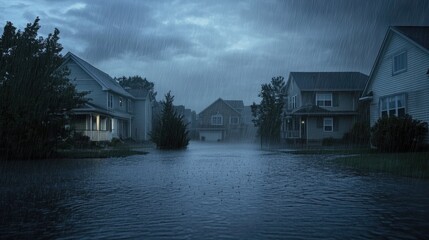
Flooding is one of the most dangerous and disruptive events a Lowcountry family can face. Whether triggered by storm surge, king tides, stalled thunderstorms, or tropical systems, rising water carries risks far beyond property damage. Contaminated water, electrical hazards, mold growth, and fast‑moving currents can threaten your safety long before the water recedes.
For Hilton Head, Bluffton, Beaufort, and surrounding coastal communities, understanding how to prepare, respond, and recover from severe water events is essential. This guide provides clear, practical steps to protect your family, your home, and your long‑term health — tailored to the unique conditions of the South Carolina Lowcountry.
The Hidden Dangers of Flooding Water
Floodwater is never clean. It often contains sewage, bacteria, chemicals, debris, and contaminants that can cause serious illness or injury. Even a few inches of water can create conditions that lead to:
- Bacterial outbreaks (E. coli, salmonella)
- Skin infections from direct contact
- Electrical hazards from submerged outlets or appliances
- Rapid mold growth, often within 24-48 hours
- Structural instability in floors, walls, and foundations
In the Lowcountry, where humidity accelerates mold growth and tidal patterns influence water movement, these risks can escalate quickly.
Before Flooding Water Threatens Your Home
Preparation is your strongest defense. Taking proactive steps before severe water intrusion can significantly reduce damage and protect your family’s safety.
Build a Comprehensive Emergency Kit
Include:
- Nonperishable food
- Bottled water
- Flashlights
- First-aid supplies
- Waterproof copies of important documents
- Medications
- A battery-powered NOAA weather radio
Create a Family Communication Plan
Choose an out-of-state contact who can serve as your check-in point. During major storms, local cell towers may fail, making long-distance communication more reliable.
Know Your Risk
Check FEMA’s flood zone maps to understand your property’s vulnerability. Many Hilton Head and Bluffton neighborhoods sit in moderate-to-high risk zones due to marshlands, tidal creeks, and low elevation.
Elevate Critical Systems
If you live in a high-risk area, elevate:
- HVAC units
- Water heaters
- Electrical panels
- Major appliances
This reduces the change of catastrophic damage during rising water.
Review Your Insurance
Coverage for flooding takes 30 days to activate. Make sure your policy covers both structure and contents – especially important for second-home owners who may not be present during a storm.
Talk to Your Family About Safety
Make sure everyone understands evacuation routes, safe rooms, and emergency procedures.
During a Flooding Watch or Warning
When local authorities issue a watch or warning, act quickly. Water levels can rise faster than expected, especially during king tides or stalled thunderstorms.
Stay Informed
Monitor:
- Local news
- NOAA Weather Radio
- Emergency alerts
Conditions can change rapidly.
Prepare Your Home
Move valuables to higher levels and store important items in waterproof containers. Secure outdoor objects such as grills, patio furniture, and propane tanks.
Fuel Up
Keep your gas tank full in case evacuation becomes necessary.
Keep Cash Accessible
ATMS may be offline during power outages.
Practice Your Communication Plan
Review evacuation routes and meeting points with your family.
Know Where to Go
If authorities issue an evacuation order, leave immediately for higher ground. If you cannot evacuate, move to the highest safe floor in your home.
Turn Off Utilities
If instructed, shut off electricity, gas, and water at the main switches to prevent electrical shock or gas leaks.
Stock Up on Supplies
Ensure you have at least three days’ worth of food, water, and essential supplies.
Secure Exterior Items
Bring in or anchor anything that could float away or cause damage.
Preventing Infections During Severe Flooding
Contaminated water often contains sewage, bacteria, and chemicals. Protect your family by following these guidelines:
Discard Contaminated Food
Throw away:
- Bottled drinks exposed to flood water
- Jarred products
- Any food that smells or looks unusual
- Perishables left above 41°F for more than four hours
Intact canned goods may be washed and disinfected.
Dispose of Contaminated Personal Items
Throw away:
- Medicines
- Cosmetics
- Toiletries
- Children’s toys exposed to water
Practice Good Hygiene
Wash hands frequently with soap and clean water. Avoid touching your face after handling wet items.
Protect Open Wounds
Cover wounds with waterproof bandages and avoid contact with contaminated water.
Keep Children Away
Even shallow water can contain harmful bacteria and sharp debris.
Avoiding Rapid-Flowing Waters
Fast-moving water is one of the most dangerous aspects of severe weather. Just a few inches can sweep away vehicles or knock adults off their feet.
Never Drive Through Water
Even shallow water can stall your vehicle or cause it to float. Many Lowcountry roads – especially in Bluffton and Beaufort – dip near marshes and can flood quickly.
Obey Road Closure Signs
Roads may be damaged, washed out, or covered in debris.
Never Walk Through Flowing water
Currents can be stronger than they appear, especially near drainage canals or tidal creeks.
Avoiding Respiratory Hazards After Flooding
Moisture creates ideal conditions for mold growth, which can begin with 24-48 hours. Mold exposure can cause respiratory issues, especially for children, older adults, and individuals with asthma.
Avoid Mold-Affected Areas
Do not re-enter your home until mold-contaminated materials have ben removed.
Use Equipment Safely
Only operate gasoline, propane, or diesel-powered tools outdoors to prevent carbon monoxide poisoning.
Watch for Lead and Asbestos
Older homes may contain hazardous materials. Avoid disturbing painted surfaces, insulation, or pipes until professionals assess the area.
When in Doubt, Call a Professional
Companies like PuroClean of Hilton Head use specialized equipment to safely remove water, dry structures, and prevent mold growth.
Steer Clear of Chemical Exposure
Flooding water can dislodge or damage chemical containers, creating dangerous conditions.
Do Not Move Propane Tanks
They may leak or explode. Contact the state fire marshal’s office for assistance.
Avoid car Batteries
Water can cause batteries to leak acid or create electrical shock hazards.
Avoiding Electrical and Gas Dangers
Electrical hazards are among the most life-threatening risks during severe water events.
Never Touch Electrical Lines or Equipment
Report downed power lines immediately.
Avoid Water Near Power Lines
Electricity can travel through water.
Do Not Enter Your Home Until Cleared
If the main power switch was not turned off before flooding, wait for a licensed electrician to declare the home safe.
Evacuate if You Smell Gas
Leave immediately and notify your gas company.
Watch Out for Debris
Flooding events leave behind dangerous debris such as:
- Broken glass
- Nails
- Tree limbs
- Construction materials
Wear protective boots and gloves when navigating affected areas.
Helpful Resources for Homeowners
Flooding often leaves behinds hidden moisture that continues damaging your home long after the visible water is gone. To understand how professional identify and remove moisture before mold becomes a long-term problem, visit our Water Damage Restoration page.
If you’re dealing with lingering odors, humidity, or visible mold after a storm, our Mold Removal & Remediation page explains how certified technicians safely remove mold and restore healthy indoor air.
For additional national guidance, FEMA provides detailed water-safety resources.
When Your Home Needs Expert Help
Severe flooding events are devastating, and the aftermath can be just as dangerous as the initial impact. Flooding water, contamination, mold growth, and structural instability require fast, professional action – especially in the Lowcountry’s humid climate.
If your home has been affected, PuroClean of Hilton Head is ready to help. Our certified technicians respond quickly, remove water safely, prevent mold growth, and restore your home to its pre-loss condition using industry-standard drying and sanitation methods. Your family’s safety and comfort come first, and we treat your home with the care it deserves.
Call 843-949-4988 to reach your local team, or visit on contact page to request immediate assistance.