24/7 Commercial Mold Remediation to Protect Your Property & Minimize Downtime
Mold in a commercial property can affect more than building materials. In hotels, resorts, offices, restaurants, retail spaces, multi-unit properties, and other commercial environments, mold can disrupt operations and create concerns for employees, tenants, guests, customers, and property managers.
Hilton Head and the surrounding Lowcountry present additional challenges. High humidity, heavy rainfall, plumbing and HVAC issues, storm-driven moisture, and slow drying can create conditions that allow mold to develop in visible and concealed areas.
PuroClean of Hilton Head provides professional commercial mold remediation throughout Hilton Head Island, Bluffton, Beaufort, and surrounding Lowcountry communities. Our approach focuses on identifying affected areas, controlling contamination, addressing underlying moisture conditions, protecting unaffected spaces, and documenting the remediation process while minimizing unnecessary disruption to your business.
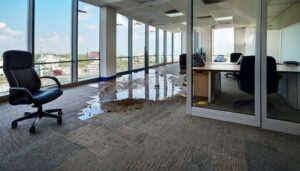
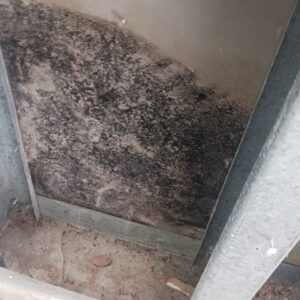
Commercial mold problems often begin with a moisture issue that may not be immediately obvious. A slow plumbing leak, HVAC or condensate problem, roof intrusion, storm damage, elevated humidity, or previous water loss can introduce moisture into areas where materials remain damp.
Common sources and warning signs include:
Because commercial buildings often contain shared walls, ceiling spaces, mechanical systems, and adjoining tenant areas, the visible problem may not represent the full extent of the affected area.
Mold growth is often connected to moisture that has traveled beyond where the original leak or water intrusion first became visible.
Water can move beneath flooring, behind walls, above ceilings, through insulation, and into other porous building materials. When these areas remain damp, mold may develop in concealed locations that cannot be evaluated based on surface appearance alone.
Air movement and disturbance of affected materials can also contribute to the movement of spores and particles into surrounding areas. For this reason, commercial mold remediation may require controlled access, containment, negative air pressure, and HEPA filtration to help protect unaffected portions of the property during remediation.
Determining the extent of the affected area is an important part of developing an appropriate remediation plan.
Learn more about why removing visible mold isn’t always enough.
Commercial mold remediation involves more than removing visible growth.
The underlying moisture condition must be identified and addressed, affected materials must be evaluated, and appropriate controls may be needed to help limit the spread of mold spores and particles during remediation.
Commercial properties introduce another important consideration: business continuity.
A hotel may need to isolate affected guest rooms while maintaining operations elsewhere. An office may need to protect adjoining workspaces. A restaurant may need to coordinate remediation around food-service areas. A multi-unit property may need to account for neighboring tenants and shared building assemblies.
PuroClean of Hilton Head develops the remediation approach around the conditions of the property and the extent of the affected area, with the goal of addressing the mold while minimizing unnecessary disruption to unaffected portions of the building.
Hilton Head’s hospitality industry depends on clean, well-maintained guest environments. Plumbing leaks, HVAC problems, roof intrusion, elevated humidity, and water damage can create mold concerns in guest rooms, corridors, back-of-house spaces, storage areas, and other parts of a hospitality property.
PuroClean of Hilton Head establishes appropriate work zones and containment to help protect unaffected areas while remediation is underway. We coordinate with property and operations teams to manage access and minimize unnecessary disruption to guests and normal operations.
Restaurants and food-service environments can experience moisture from plumbing, refrigeration equipment, dishwashing areas, HVAC systems, roof leaks, and other sources.
When mold is discovered, determining the moisture source and extent of affected materials is essential. PuroClean of Hilton Head can establish containment, address affected building materials, and document remediation activities while coordinating with facility leadership and other appropriate parties.
Leaks and elevated humidity can allow mold to develop behind drywall, above ceilings, beneath flooring, or around HVAC and mechanical areas in office environments.
When mold affects an occupied workplace, careful containment and communication become particularly important. PuroClean of Hilton Head works to isolate affected areas and protect adjoining spaces while keeping property managers and other stakeholders informed throughout the remediation process.
Mold remediation in multi-unit properties can become more complicated when moisture affects shared walls, ceilings, flooring systems, or common areas.
A water loss originating in one unit may affect neighboring or lower-level spaces, and concealed moisture can sometimes extend beyond the area where damage was initially discovered.
PuroClean of Hilton Head evaluates affected materials, establishes appropriate containment, and coordinates with property management to help minimize disruption to unaffected units and common areas.
Retail centers and mixed-use properties often combine customer-facing areas, offices, storage spaces, restaurants, residential units, and other occupancies within the same property.
When mold is discovered, remediation may need to be coordinated around neighboring tenants and shared spaces. Controlled access and containment can help isolate the work area while allowing unaffected portions of the property to remain operational when conditions permit.
Hilton Head Island and the surrounding Lowcountry have environmental and property characteristics that can make moisture management especially important for commercial buildings.
Coastal humidity can slow evaporation and make it more difficult for damp building materials to dry without controlled conditions. Persistent moisture can create conditions favorable to mold growth, particularly in concealed or poorly ventilated areas.
Heavy rainfall, tropical storms, hurricanes, and wind-driven rain can introduce water through roofs, windows, exterior walls, doors, and other vulnerable areas of a commercial building.
Water may also travel into wall cavities, ceiling assemblies, insulation, and other areas that are not immediately visible.
Commercial HVAC systems operate extensively during Lowcountry summers. Condensate drainage problems, equipment leaks, or other HVAC-related moisture issues can affect ceilings, walls, mechanical areas, and surrounding materials.
Hotels, resorts, vacation properties, restaurants, retail spaces, and other high-traffic businesses may have limited opportunities to take areas out of service.
When mold remediation is necessary, careful planning, containment, and communication can help reduce unnecessary disruption to unaffected areas.
Some commercial mold situations may benefit from the involvement of an Independent Environmental Professional (IEP) or Industrial Hygienist (IH).
Depending on the circumstances, an independent environmental professional may perform an assessment, conduct sampling when appropriate, develop a remediation protocol, or perform post-remediation verification.
PuroClean of Hilton Head can work alongside qualified environmental professionals when the project calls for independent assessment or verification. This separation allows the environmental professional to provide independent findings while our team performs the remediation work according to the established scope or protocol.
Not every mold situation requires the same type of testing or third-party involvement. The appropriate approach depends on the property, conditions, extent of suspected growth, and requirements of the project.
Commercial property owners and managers often need clear records of what was observed and what work was performed.
Depending on the project, documentation may include:
When an insurance claim is involved, PuroClean of Hilton Head can provide documentation related to the observed damage and remediation work and communicate with authorized insurance professionals during the project.
For additional industry guidance, the EPA’s Mold Remediation in Schools and Commercial Buildings resource provides information about moisture control, remediation planning, containment, and cleanup practices.
Commercial mold remediation requires careful moisture evaluation, contamination control, appropriate remediation procedures, and clear communication.
PuroClean of Hilton Head provides:
Our goal is to determine what is affected, what is causing the moisture, what needs to be addressed, and how the work can be completed while protecting unaffected areas and minimizing unnecessary disruption.
Mold is often connected to water intrusion or other property damage. PuroClean of Hilton Head also provides:
These services allow property owners and managers to coordinate related restoration needs through one local response team when appropriate.
Mold concerns can disrupt operations and affect employees, tenants, guests, and customers. Prompt evaluation can help determine the extent of the affected area, identify underlying moisture conditions, and establish the appropriate next steps.
PuroClean of Hilton Head provides commercial mold remediation throughout Hilton Head Island, Bluffton, Beaufort, and surrounding Lowcountry communities for hotels, resorts, restaurants, offices, retail properties, multi-unit buildings, and other commercial facilities.
Call PuroClean of Hilton Head at 843-949-4988 for commercial mold remediation assistance.
Commercial mold remediation requires a structured approach to address affected materials, control the spread of contamination, and identify moisture conditions that may contribute to mold growth. At PuroClean of Hilton Head, we evaluate each property's conditions and develop a remediation plan based on the extent of the damage and needs of the business.
Our technicians assess affected areas to identify visible mold growth, investigate potential concealed moisture, and evaluate conditions that may support microbial activity. Moisture meters and infrared imaging may be used to help locate affected areas and guide the remediation plan.
We also discuss the property’s conditions and concerns with the business owner, property manager, or designated representative. Identifying and addressing the underlying moisture source is an important part of preventing recurring problems.
What Our Customers Say:
Find answers to common questions about our services
Commercial mold typically develops when moisture remains present long enough to create conditions favorable to growth. Common sources include plumbing leaks, roof intrusion, HVAC and condensate problems, elevated humidity, storm damage, sewage events, and previous water damage that did not dry completely.
The extent of a mold problem cannot always be determined from visible growth alone. Moisture evaluation, inspection of surrounding materials, building construction, the source of the moisture, and other site conditions can help determine the potential extent of affected areas. An independent environmental professional may also be involved when additional assessment or testing is appropriate.
t depends on the location and extent of the affected area, the building layout, and the conditions of the project. In some situations, containment and controlled access may allow unaffected portions of a property to remain operational while remediation occurs. Each project must be evaluated individually.
Not every mold situation requires testing. Depending on the circumstances, an Independent Environmental Professional (IEP) or Industrial Hygienist (IH) may recommend sampling, develop a remediation protocol, or perform post-remediation verification. The appropriate approach depends on the conditions and requirements of the project.
An Independent Environmental Professional or Industrial Hygienist is a third-party professional who may evaluate environmental conditions, perform testing when appropriate, develop remediation recommendations or protocols, and conduct post-remediation verification. Their role is separate from the company performing the remediation.
The timeline depends on factors such as the size of the affected area, materials involved, moisture source, accessibility, containment requirements, and whether an independent remediation protocol or verification is involved. PuroClean of Hilton Head evaluates each project individually and communicates with property stakeholders throughout the process.
Mold can develop again if the moisture conditions that allowed it to grow are not corrected. Identifying and addressing the underlying moisture source is therefore an important part of a successful mold remediation project.
Coverage varies by policy and by the cause of the mold or underlying water damage. Some policies may provide limited mold coverage or coverage under specific circumstances, while others contain exclusions or limitations. Your insurance carrier or adjuster determines coverage under your policy.
Yes. PuroClean of Hilton Head provides commercial mold remediation for hotels, resorts, hospitality properties, restaurants, offices, retail properties, multi-unit buildings, and other commercial facilities. We work to isolate affected areas and minimize unnecessary disruption to unaffected portions of the property.
Yes. PuroClean of Hilton Head provides commercial mold remediation throughout Hilton Head Island, Bluffton, Beaufort, and surrounding Lowcountry communities.
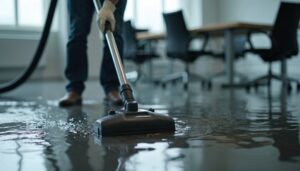
A single water loss can ripple through your entire business — affecting tenants, disrupting workflows, and risking long-term structural damage. We deploy 24/7 with commercial-grade equipment and expertise to protect your property and keep your business running. You don’t have time for guesswork — you need a team that arrives fast, understands commercial environments, and gets your facility stabilized without delay.
Call Our Commercial Response Team at
(843) 949-4988
Contact Us
PuroClean of Hilton Head
(843) 949-4988
18 Fisherman Lane, Bluffton, SC 29910


© 2026 PuroClean. All Rights Reserved.