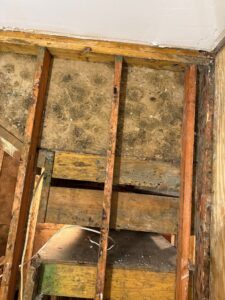
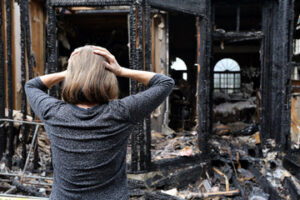
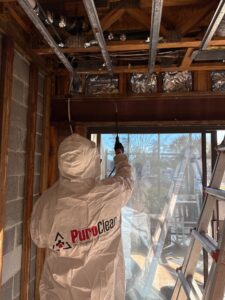
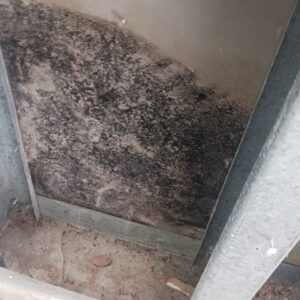
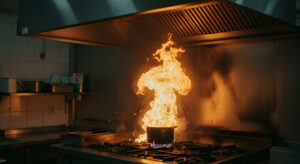
24/7 Emergency Services For Water, Fire, Mold and Biohazard in Laurel Bay
Laurel Bay is a community shaped by service, routine, and resilience. Families move in and out with each PCS cycle, homes turn over quickly, and daily life follows the rhythm of early mornings, long training days, deployments, and constant transitions. It’s a place where stability matters — where home is supposed to feel predictable, safe, and steady, even when everything else changes.
But Laurel Bay also sits in one of the Lowcountry’s most humidity‑heavy pockets. Dense trees surround the neighborhoods, shaded lots hold moisture longer, and older military‑era construction creates interior pathways where water can travel quietly. Many homes were built during earlier military housing expansions, with shared walls, high‑use plumbing, and layouts designed for efficiency rather than modern moisture control. Add in periods where homes sit unoccupied between rotations, and water damage can develop faster — and more silently — than people expect.
When water damage appears in Laurel Bay — a musty smell in a hallway, a soft spot in the floor, moisture creeping along a baseboard, or a ceiling stain forming under an attic HVAC unit — it disrupts more than the home. It disrupts the rhythm of military life. It adds stress to an already demanding schedule. And it creates uncertainty in a place that’s supposed to feel like a refuge between obligations.
Our work in Laurel Bay begins with understanding that pace — the deployments, the transitions, the inspections, the move‑outs, the move‑ins, the shared‑wall layouts, and the emotional weight of seeing water where it doesn’t belong. From there, we bring clarity, calm, and a deep understanding of how moisture behaves in Laurel Bay’s wooded, humid, military‑specific environment.
We offer full‑scope residential and commercial restoration services tailored to Laurel Bay’s military housing, shared‑wall layouts, wooded surroundings, and humidity‑heavy climate:
Military families in Laurel Bay juggle more than most — early mornings, long days, deployments, training cycles, and constant transitions. When water damage hits, it doesn’t just interrupt your home; it interrupts your entire rhythm.
Common issues in Laurel Bay military housing include:
These issues often appear suddenly — and at the worst possible time. A leak discovered during a deployment. Moisture found during a move‑out inspection. A ceiling stain forming days before a rotation. We understand the urgency, the stress, and the need for fast, clear communication.
For additional guidance related to maintenance expectations, responsibilities, and PCS transitions, the Military Housing Office provides official support for service members.
Our team responds with precision, documentation, and respect for your time — because we understand how quickly your schedule can change.
Many Laurel Bay homes share walls, plumbing chases, and HVAC lines. That means a leak in one unit can affect the one next door — or the one below. Moisture doesn’t respect boundaries, and shared‑wall construction allows water to travel farther than homeowners expect.
These homes often experience:
Shared‑wall homes require coordinated response, clear documentation, and communication with all parties involved — residents, property managers, inspectors, and neighboring units. We ensure the damage is addressed fully, not just where it’s visible.
Laurel Bay is surrounded by dense trees and sits in a naturally humid pocket of the Lowcountry. Shaded lots hold moisture longer, crawlspaces stay damp, and exterior walls dry slowly after storms. This environment creates moisture challenges that don’t exist in more open or coastal neighborhoods.
Common environmental risks include:
These issues often start small — a faint smell, a slightly warped board, a patch of discoloration — but they spread quickly in Laurel Bay’s climate.
For homeowners dealing with crawlspace humidity, damp soil, or slow‑drying areas, the EPA’s Moisture & Mold Guide offers trusted guidance for warm, wooded, humidity‑heavy environments like Laurel Bay.
Laurel Bay experiences frequent turnover — families moving in, moving out, deploying, rotating, and returning. Homes often sit empty for weeks or months, and moisture spreads quietly when no one is there to catch it.
Vacancy‑related risks include:
These homes require deeper inspection, moisture mapping, and controlled drying to ensure hidden issues are addressed before the next family moves in.
Laurel Bay’s combination of military housing, wooded surroundings, and older construction creates unique moisture pathways:
Understanding these patterns is essential to restoring Laurel Bay homes correctly.
We’ve helped families across:
Every Laurel Bay home has its own story — and its own risks.
If you’ve noticed something that doesn’t feel right — a musty smell in a hallway, a ceiling that looks slightly darker, a soft spot in the floor, or moisture creeping along a baseboard — trust that instinct. In Laurel Bay’s climate, moisture rarely announces itself loudly. It settles quietly, moves slowly, and hides behind the materials that make your home feel familiar and safe.
You don’t have to figure out what’s happening on your own. You don’t have to guess whether it’s minor or already spreading behind walls or flooring. And you don’t have to wait until a rotation, inspection, or deployment ends to get answers.
Whether you’re dealing with water damage, mold concerns, fire or smoke issues, biohazard cleanup needs, or commercial property damage, our team understands how moisture moves through military housing, shared‑wall units, wooded lots, and homes that sit empty between rotations.
Reach out to PuroClean of Hilton Head at (843) 949‑4988. We respond with the calm, clarity, and precision Laurel Bay homes require — whether you’re navigating a deployment, preparing for a move‑out, settling into a new assignment, or protecting the place your family relies on between transitions.
Owned & Operated by John Egan
18 Fisherman Lane, Bluffton, SC, 29910
(843) 949-4988
Water damage can result from unexpected leaks, flooding from storms, plumbing failures, or appliance malfunctions. Our certified teams focus on rapid water removal, drying, and stabilization to help prevent further damage and mold growth.
 Explore Our Water Damage Mitigation Services
Mold often develops as a result of unresolved moisture or hidden water damage. Professional mold remediation helps identify affected areas, contain growth, and restore healthy indoor conditions.
Explore Our Mold Removal and Remediation Services
Even after a fire is extinguished, smoke, soot, and odor can continue to affect your home. Fire damage restoration services address visible damage while also helping reduce lingering effects that impact indoor air quality and surfaces.
Explore Our Fire and Smoke Damage Restoration Services
Biohazard situations, including crime scene cleanup and virus decontamination, require specialized cleaning and handling to protect health and safety. Biohazard cleanup services address contamination using proper protocols and professional care.
Explore Our Biohazard Cleanup Services
Explore Our Commercial Water Damage Restoration Services
A mold finding can trigger restricted access, paused work orders, or temporary space closures—especially when the affected area connects to airflow or building systems. This service focuses on defining the impacted footprint and restoring normal access progressively so operations teams can resume standard use with fewer stop-start interruptions.
Explore Our Commercial Mold Remediation Services
Re-entry planning after a fire often depends on getting specific spaces back into service in the right order, rather than waiting for the entire site to be restored at once. This page explains how commercial fire restoration can be structured so unaffected operations continue while impacted areas are restored for staged reopening.
Explore Our Commercial Fire Damage Restoration Services
Explore Our Commercial Biohazard Cleanup Services
Water damage can result from unexpected leaks, flooding from storms, plumbing failures, or appliance malfunctions. Our certified teams focus on rapid water removal, drying, and stabilization to help prevent further damage and mold growth.
Explore Our Water Damage Mitigation Services

Find answers to common questions about our services
Shared walls, older plumbing lines, and high‑use kitchens allow moisture to travel farther before becoming visible.
Yes — many homes use attic‑mounted systems that drip into insulation and ceilings during humid months.
Dense shade slows evaporation, allowing humidity to settle into crawlspaces and wall cavities.
Absolutely — long periods without occupancy allow leaks and humidity to spread unnoticed.
Shared‑wall layouts and older materials allow water to travel quietly behind surfaces.
Shared walls, older plumbing lines, and high‑use kitchens allow moisture to travel farther before becoming visible.
Yes — many homes use attic‑mounted systems that drip into insulation and ceilings during humid months.
Dense shade slows evaporation, allowing humidity to settle into crawlspaces and wall cavities.
Absolutely — long periods without occupancy allow leaks and humidity to spread unnoticed.
Shared‑wall layouts and older materials allow water to travel quietly behind surfaces.
What Our Customers Say:
When you need water damage restoration services near you, call the experts at PuroClean. We are here day or night, 24/7, to help remove any standing water quickly and begin your water restoration service. We monitor the drying process so you can rest assured that your property is dried thoroughly. We offer commercial water restoration services for businesses and residential water damage restoration for homeowners.

PuroClean of Hilton Head
(843) 949-4988
18 Fisherman Lane, Bluffton, SC 29910


© 2026 PuroClean. All Rights Reserved.