24/7 Emergency Services For Water, Fire, Mold and Biohazard in Hilton Head Island
Hilton Head Island’s coastal setting creates unique considerations when property damage occurs. Homes and businesses across the island include elevated construction, crawlspaces, complex rooflines, high-end finishes, seasonal properties, rental properties, and buildings located near marshes, lagoons, and other coastal environments.
PuroClean of Hilton Head provides 24/7 property restoration services throughout Hilton Head Island, SC, helping homeowners, property managers, businesses, and property owners recover from water, fire, mold, and biohazard damage.
Our approach begins with evaluating the affected areas, understanding the conditions of the loss, and determining an appropriate scope of work based on the property and materials involved. Because damage is not always limited to what can immediately be seen, careful assessment and documentation are important parts of determining the appropriate restoration approach.
We provide residential and commercial property restoration services throughout Hilton Head Island, including:
Whether damage results from a plumbing failure, storm, fire, hidden moisture problem, or another unexpected event, our team works to identify affected areas, stabilize conditions, and determine the appropriate next steps.
Water damage can extend beyond the area where a leak or intrusion is first discovered. Plumbing failures, appliance leaks, HVAC condensation, roof intrusion, overflowing fixtures, and storms can allow water to move beneath flooring, behind walls, into insulation, and through other building materials.
Hilton Head Island properties can include elevated foundations, crawlspaces, attic HVAC systems, custom flooring, built-in cabinetry, and other construction features that may influence where water travels and how affected materials should be evaluated.
Our water damage restoration process begins with determining the extent of the moisture. When necessary, we remove standing water, establish appropriate drying conditions, and monitor moisture levels throughout the drying process.
When conditions allow, affected materials may be dried in place rather than unnecessarily removed. Decisions are based on the source of the water, materials involved, extent of moisture, and conditions found during the assessment.
[Explore Our Water Damage Restoration Services]
Hilton Head Island’s warm, humid coastal climate can contribute to moisture concerns in crawlspaces, attics, wall cavities, HVAC areas, and other spaces where moisture may remain concealed.
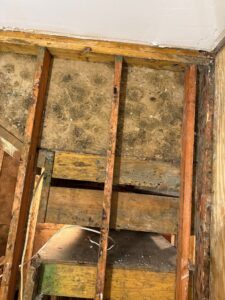
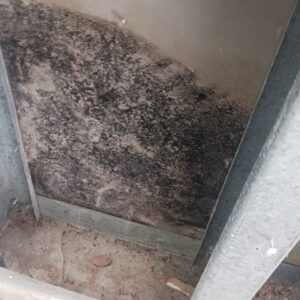
Mold growth may follow an obvious water loss, but it can also be associated with plumbing leaks, roof intrusion, HVAC condensation, crawlspace moisture, or other unresolved moisture conditions.
Musty odors, recurring discoloration, previous leaks, or unusual moisture conditions may indicate that further evaluation is needed.
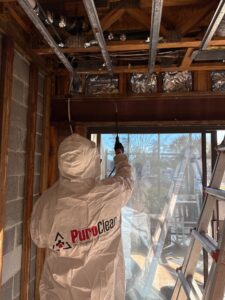
Professional mold remediation involves more than addressing visible growth. The affected area and underlying moisture conditions should be evaluated so an appropriate remediation plan can be established. Depending on the scope and conditions, remediation may include containment, HEPA filtration, removal of affected materials, cleaning, and other appropriate procedures.
The U.S. Environmental Protection Agency (EPA) provides additional information about moisture control and mold in homes.
[Explore Our Mold Removal & Remediation Services]
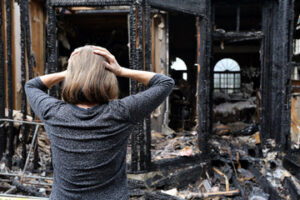
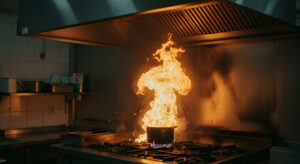
Fire and smoke damage can affect areas beyond where a fire originated. Smoke and soot may travel into adjoining rooms, settle on surfaces and contents, and move through openings or HVAC systems within a structure.
Different materials can respond differently to heat, smoke, and soot. Evaluating affected areas helps determine which materials may be cleaned and restored and which may require removal.
Our fire and smoke damage restoration services focus on addressing smoke and soot residues, cleaning salvageable materials when appropriate, and helping reduce persistent odors associated with the loss.
[Explore Our Fire & Smoke Damage Restoration Services]
Biohazard situations require careful handling, appropriate protective measures, and professional cleaning and disinfection procedures.
PuroClean of Hilton Head provides biohazard cleanup services for residential, rental, and commercial properties throughout Hilton Head Island. Depending on the conditions, our team may establish controlled work areas, remove affected materials when necessary, and perform cleaning and disinfection using procedures appropriate for the situation.
We approach these situations professionally, discreetly, and with respect for the people and properties involved.
[Explore Our Biohazard Cleanup Services]
Property restoration on Hilton Head Island can involve different considerations depending on the building’s construction, location, occupancy, materials, and conditions of the loss.
When a home is unoccupied for an extended period, a plumbing failure, HVAC problem, roof leak, or other water loss may not be discovered immediately.
By the time a homeowner, property manager, cleaner, or other representative discovers the problem, moisture may have traveled beyond the original source or affected materials that do not appear wet at first glance.
For owners who are away from Hilton Head Island, clear documentation and communication can provide important visibility into the conditions found and the restoration work being performed.
When water or elevated moisture affects areas beneath a home, subflooring, insulation, floor framing, and other materials may also require evaluation.
The source of the moisture matters. Plumbing leaks, HVAC condensation, drainage conditions, storm intrusion, and other sources can require different restoration approaches.
Rather than assuming affected materials need to be removed, we evaluate the conditions and determine what can be appropriately dried and preserved.
Custom cabinetry, specialty flooring, detailed trim, built-ins, stone, tile, and other finishes can make careful assessment especially important following property damage.
Water may affect materials behind or branch visible finishes, while smoke and soot can settle on a variety of surfaces following a fire.
Our goal is to understand the extent of the damage and determine what can be appropriately cleaned, dried, or restored before recommending unnecessary removal.
Property damage in a rental or vacation property can involve additional considerations, including upcoming guests, property managers, owners who may be off-island, and coordination with other involved parties.
A water loss, mold concern, fire, or other property emergency may also affect whether part or all of the property can remain in use.
Clear communication, documentation, and an appropriate restoration plan help everyone involved understand the conditions and next steps.
Heavy rain and wind can allow water to enter through damaged roofing, exterior openings, windows, doors, or other vulnerable areas.
The first visible stain or wet area may not represent the full extent of the intrusion. Water can travel through insulation, ceilings, walls, and other concealed materials before becoming visible inside the property.
Evaluating affected and surrounding areas helps determine the extent of the moisture and appropriate next steps.
Hilton Head Island includes a wide range of communities and property types. Homes in Sea Pines, Palmetto Dunes, Hilton Head Plantation, Long Cove, Shipyard, Folly Field, Spanish Wells, Port Royal, and other areas of the island can differ considerably in age, construction, foundation type, occupancy, and finishes.
Rather than assuming that a particular neighborhood automatically has a certain type of property damage, we evaluate the conditions of each individual loss.
That means looking at how the property is constructed, where the damage originated, which materials are affected, how far moisture or residues may have traveled, and what can be appropriately restored.
Hilton Head Island’s businesses and commercial properties include hotels, restaurants, offices, retail spaces, vacation properties, multifamily buildings, community facilities, and other operations.
PuroClean of Hilton Head provides commercial water damage restoration, mold remediation, fire and smoke damage restoration, and biohazard cleanup throughout Hilton Head Island.
Commercial restoration may require consideration of occupied areas, guests, customers, employees, equipment, documentation, access, and ongoing operations in addition to damaged materials.
Our goal is to help stabilize affected areas and establish an appropriate restoration plan while minimizing unnecessary disruption whenever site conditions allow.
[Explore Our Commercial Property Restoration Services]
When property damage occurs, understanding what happened and what needs to happen next can make the restoration process easier to manage.
PuroClean of Hilton Head provides:
Our approach is based on evaluating the damage, determining the appropriate scope of work, and restoring affected materials whenever conditions allow.
Property damage is not always limited to what can immediately be seen. Water can travel beneath flooring and behind walls, smoke and soot can spread beyond the source of a fire, and unresolved moisture conditions can contribute to hidden mold growth.
If your Hilton Head Island home, rental property, or business has experienced water damage, fire or smoke damage, mold growth, or a biohazard situation, PuroClean of Hilton Head is available 24/7.
Call PuroClean of Hilton Head at (843) 949-4988 for 24/7 emergency restoration services on Hilton Head Island.
We’ll evaluate the affected areas, explain what we find, and help you determine the appropriate next steps.
Owned & Operated by John Egan
18 Fisherman Lane, Bluffton, SC, 29910
(843) 949-4988
Water damage can result from unexpected leaks, flooding from storms, plumbing failures, or appliance malfunctions. Our certified teams focus on rapid water removal, drying, and stabilization to help prevent further damage and mold growth.
 Explore Our Water Damage Mitigation Services
Mold often develops as a result of unresolved moisture or hidden water damage. Professional mold remediation helps identify affected areas, contain growth, and restore healthy indoor conditions.
Explore Our Mold Removal and Remediation Services
Even after a fire is extinguished, smoke, soot, and odor can continue to affect your home. Fire damage restoration services address visible damage while also helping reduce lingering effects that impact indoor air quality and surfaces.
Explore Our Fire and Smoke Damage Restoration Services
Biohazard situations, including crime scene cleanup and virus decontamination, require specialized cleaning and handling to protect health and safety. Biohazard cleanup services address contamination using proper protocols and professional care.
Explore Our Biohazard Cleanup Services
Water damage can disrupt a commercial property quickly, affecting operations, employees, tenants, guests, customers, inventory, and building materials. Whether the loss begins with a plumbing failure, roof leak, HVAC issue, storm-driven rain, or another source, water can spread beyond the initially visible area and into flooring, walls, ceilings, insulation, and adjoining spaces. Hilton Head and the surrounding Lowcountry present additional challenges.
Explore Our Commercial Water Damage Restoration Services
Mold in a commercial property can affect more than building materials. In hotels, resorts, offices, restaurants, retail spaces, multi-unit properties, and other commercial environments, mold can disrupt operations and create concerns for employees, tenants, guests, customers, and property managers. Hilton Head and the surrounding Lowcountry present additional challenges.
Explore Our Commercial Mold Remediation Services
A commercial fire can affect far more than the area touched by flames. Smoke, soot, odors, fire-suppression water, and airborne residues can travel through HVAC systems, ceiling spaces, corridors, wall cavities, and other areas of a building. For businesses and commercial property owners, the challenge is not simply cleaning visible damage.
Explore Our Commercial Fire Damage Restoration Services
A biohazard incident can disrupt operations quickly and create serious concerns for employees, guests, tenants, and property managers. PuroClean of Hilton Head provides professional commercial biohazard cleanup in Hilton Head, Bluffton, Beaufort, and the surrounding Lowcountry, with a focus on safety, discretion, contamination control, and minimizing disruption to your business. Commercial biohazard cleanup requires more than standard janitorial cleaning.
Explore Our Commercial Biohazard Cleanup Services
Water damage can result from unexpected leaks, flooding from storms, plumbing failures, or appliance malfunctions. Our certified teams focus on rapid water removal, drying, and stabilization to help prevent further damage and mold growth.
Explore Our Water Damage Mitigation Services

Find answers to common questions about our services
PuroClean of Hilton Head provides residential and commercial restoration services throughout Hilton Head Island, including water damage mitigation, mold removal and remediation, fire and smoke damage restoration, and biohazard cleanup. We are available 24/7 for property damage emergencies.
Yes. We work with owners of second homes, vacation properties, and other properties when the owner may not be on the island. We can assess affected areas, document the conditions found, communicate throughout the restoration process, and help you understand what work is needed even when you are away.
Visible damage may not show the full extent of a water loss. Our technicians use professional moisture-detection equipment and evaluate affected and surrounding materials to help determine where moisture has traveled and establish an appropriate drying plan.
In some situations, yes. Whether materials can be dried in place depends on the source of the water, materials involved, extent of moisture, and conditions of the loss. We evaluate moisture readings and site conditions to determine what can be appropriately dried and what may require removal.
Yes. PuroClean of Hilton Head provides mold removal and remediation throughout Hilton Head Island. Mold remediation begins with evaluating the affected area and moisture conditions. Depending on the scope, work may include containment, HEPA filtration, removal of affected materials, and cleaning.
Yes. PuroClean of Hilton Head is available 24/7 for water, fire, mold, biohazard, and other property damage emergencies throughout Hilton Head Island and surrounding Lowcountry communities. Call 843-949-4988 for emergency assistance.
What Our Customers Say:
When you need water damage restoration services near you, call the experts at PuroClean. We are here day or night, 24/7, to help remove any standing water quickly and begin your water restoration service. We monitor the drying process so you can rest assured that your property is dried thoroughly. We offer commercial water restoration services for businesses and residential water damage restoration for homeowners.

PuroClean of Hilton Head
(843) 949-4988
18 Fisherman Lane, Bluffton, SC 29910


© 2026 PuroClean. All Rights Reserved.