24/7 Emergency Services For Water, Fire, Mold and Biohazard in Lobeco
Lobeco is a rural Lowcountry community with a mix of established homes, manufactured homes, wooded properties, larger lots, outbuildings, and properties that may use well or septic systems. Different construction types, property layouts, and building ages can create different considerations when unexpected property damage occurs.
PuroClean of Hilton Head provides 24/7 property restoration services throughout Lobeco, SC, helping homeowners, property owners, and businesses recover from water, fire, mold, and biohazard damage.
Our approach begins with evaluating the affected areas, understanding the conditions of the loss, and determining an appropriate scope of work based on the property and materials involved. Careful assessment and documentation helps us determine what has been affected and what can be appropriately restored.
We provide residential and commercial property restoration services throughout Lobeco, including,
Whether damage results from a plumbing failure, storm, fire, hidden moisture problem, or another unexpected event, our team works to identify affected areas, stabilize conditions, and determine the appropriate next steps.
Water damage can extend beyond the area where a leak or intrusion is first discovered. Plumbing failures, appliance leaks, HVAC condensation, roof intrusion, overflowing fixtures, storms, and problems in utility areas can allow water to move beneath flooring, behind walls, into insulation, and through other building materials.
Lobeco properties can include crawlspaces, older wood-framed construction, manufactured homes, renovated properties, utility structures, and other building types. Understanding how a particular property is constructed helps determine where moisture may have traveled.
Our water damage restoration process begins with evaluating the affected areas and determining the extent of the moisture. When necessary, we remove standing water, establish appropriate drying conditions, and monitor moisture levels throughout the drying process.
When conditions allow, affected materials may be dried in place rather than unnecessarily removed. Decisions are based on the source of the water, materials involved, extent of moisture, and conditions found during the assessment.
[Explore Our Water Damage Restoration Services]
Warm, humid Lowcountry conditions can contribute to moisture concerns in crawlspaces, attics, wall cavities, utility areas, and other spaces where moisture may remain concealed.
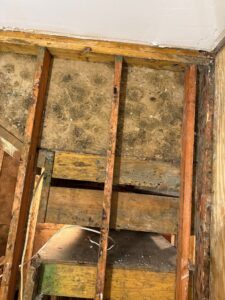
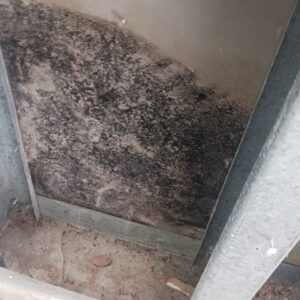
Mold growth may follow an obvious water loss, but it can also be associated with plumbing leaks, roof intrusion, HVAC condensation, crawlspace moisture, or other unresolved moisture conditions.
Musty odors, recurring discoloration, previous leaks, or unusual moisture conditions may indicate that further evaluation is needed.
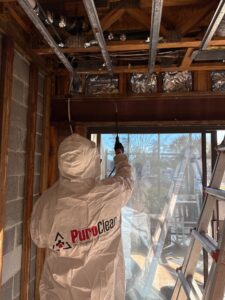
Professional mold remediation involves more than addressing visible growth. The affected area and underlying moisture conditions should be evaluated so an appropriate remediation plan can be established. Depending on the scope and conditions, remediation may include containment, HEPA filtration, removal of affected materials, cleaning, and other appropriate procedures.
The U.S. Environmental Protection Agency (EPA) provides additional information about moisture control and mold in homes.
[Explore Our Mold Removal & Remediation Services]
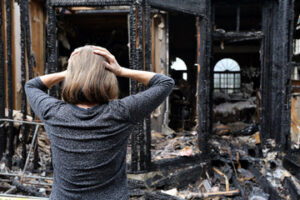
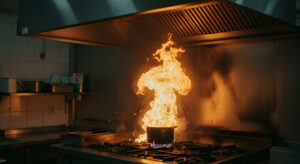
Fire and smoke damage can affect areas beyond where a fire originated. Smoke and soot may travel into adjoining rooms, settle on surfaces and contents, and move through openings or HVAC systems within a structure.
Different materials can respond differently to heat, smoke, and soot. Evaluating affected areas helps determine which materials may be cleaned and restored and which may require removal.
Our fire and smoke damage restoration services focus on addressing smoke and soot residues, cleaning salvageable materials when appropriate, and helping reduce persistent odors associated with the loss.
[Explore Our Fire & Smoke Damage Restoration services]
Biohazard situations require careful handling, appropriate protective measures, and professional cleaning and disinfection procedures.
PuroClean of Hilton Head provides biohazard cleanup services for residential and commercial properties throughout Lobeco. Depending on the conditions, our team may establish controlled work areas, remove affected materials when necessary, and perform cleaning and disinfection using procedures appropriate for the situation.
We approach these situations professionally, discreetly, and with respect for the people and properties involved.
[Explore Our Biohazard Cleanup Services]
Lobeco’s rural setting includes different property ages, foundations, building materials, layouts, and supporting structures. These characteristics can influence how water, smoke, moisture, and other property damage affect a property.
Rural properties may include areas that are separate from the main living space, such as utility rooms, workshops, storage spaces, sheds, and other structures.
When a plumbing failure, roof leak, storm intrusion, or other water loss occurs in a less frequent used area, the damage may not be discovered immediately.
Evaluating affected and surrounding materials helps determine how far moisture has traveled and whether additional areas require drying or restoration.
Older homes may contain building materials and assemblies that differ from newer construction. Flooring, walls, plumbing, insulation, additions, and other components may also have been repaired or updated at different times.
When property damage occurs, understanding those materials can help determine how the structure has been affected and which materials may be appropriately restored.
Our goal is to preserve materials that can be effectively dried, cleaned, or restored whenever conditions allow.
Manufactured and modular homes can contain different floor, wall, insulation, plumbing, and mechanical assemblies than many site-build homes.
When water damage occurs, understanding those assemblies helps determine where moisture may have traveled and which materials require evaluation.
Rather than assuming materials need to be removed, we evaluate the conditions and determine what can be appropriately dried and preserved.
Tree cover and shaded areas can influence exterior drying conditions following storms or water intrusion.
When moisture concerns develop, identifying the actual source is important. Roof intrusion, plumbing failures, HVAC condensation, drainage conditions, and other sources can produce similar visible signs but may require different solutions.
A thorough assessment helps determine the source and extent of the affected area rather than relying on surface appearance alone.
Some rural properties include well equipment, pump areas, detached utility spaces, workshops, sheds, barns, or other supporting structures.
Water damage in these areas may result from plumbing or equipment leaks, roof intrusion, storms, drainage conditions, or other sources.
Because these structures may contain different materials and serve different purposes than the primary residence, we evaluate the specific conditions before determining an appropriate restoration approach.
Property damage can also affect businesses, workshops, offices, storage areas, and other commercial or working properties in and around Lobeco.
PuroClean of Hilton Head provides commercial water damage restoration, mold remediation, fire and smoke damage restoration, and biohazard cleanup.
Commercial restoration may require consideration of occupied areas, equipment, stored materials, access, documentation, and ongoing operations in addition to damage building materials.
Our goal is to help stabilize affected areas and establish an appropriate restoration plan while minimizing unnecessary disruption whenever site conditions allow.
[Explore Our Commercial Property Restoration Services]
When property damage occurs, understanding what happened and what needs to happen next can make the restoration process easier to manage.
PuroClean of Hilton Head provides:
Our approach is based on evaluating the damage, determining the appropriate scope of work, and restoring affected materials whenever conditions allow.
Property damage is not always limited to what can immediately be seen. Water can travel beneath flooring and behind walls, smoke and soot can spread beyond the source of a fire, and unresolved moisture conditions can contribute to hidden mold growth.
If your Lobeco home, rural property, outbuilding, or business has experienced water damage, fire or smoke damage, mold growth, or a biohazard situation, PuroClean of Hilton Head is available 24/7.
Call PuroClean of Hilton head at 843-949-4988 for 24/7 emergency restoration services in Lobeco, SC.
We’ll evaluate the affected areas, explain what we find, and help you determine the appropriate next steps.
Owned & Operated by John Egan
18 Fisherman Lane, Bluffton, SC, 29910
(843) 949-4988
Water damage can result from unexpected leaks, flooding from storms, plumbing failures, or appliance malfunctions. Our certified teams focus on rapid water removal, drying, and stabilization to help prevent further damage and mold growth.
 Explore Our Water Damage Mitigation Services
Mold often develops as a result of unresolved moisture or hidden water damage. Professional mold remediation helps identify affected areas, contain growth, and restore healthy indoor conditions.
Explore Our Mold Removal and Remediation Services
Even after a fire is extinguished, smoke, soot, and odor can continue to affect your home. Fire damage restoration services address visible damage while also helping reduce lingering effects that impact indoor air quality and surfaces.
Explore Our Fire and Smoke Damage Restoration Services
Biohazard situations, including crime scene cleanup and virus decontamination, require specialized cleaning and handling to protect health and safety. Biohazard cleanup services address contamination using proper protocols and professional care.
Explore Our Biohazard Cleanup Services
Water damage can disrupt a commercial property quickly, affecting operations, employees, tenants, guests, customers, inventory, and building materials. Whether the loss begins with a plumbing failure, roof leak, HVAC issue, storm-driven rain, or another source, water can spread beyond the initially visible area and into flooring, walls, ceilings, insulation, and adjoining spaces. Hilton Head and the surrounding Lowcountry present additional challenges.
Explore Our Commercial Water Damage Restoration Services
Mold in a commercial property can affect more than building materials. In hotels, resorts, offices, restaurants, retail spaces, multi-unit properties, and other commercial environments, mold can disrupt operations and create concerns for employees, tenants, guests, customers, and property managers. Hilton Head and the surrounding Lowcountry present additional challenges.
Explore Our Commercial Mold Remediation Services
A commercial fire can affect far more than the area touched by flames. Smoke, soot, odors, fire-suppression water, and airborne residues can travel through HVAC systems, ceiling spaces, corridors, wall cavities, and other areas of a building. For businesses and commercial property owners, the challenge is not simply cleaning visible damage.
Explore Our Commercial Fire Damage Restoration Services
A biohazard incident can disrupt operations quickly and create serious concerns for employees, guests, tenants, and property managers. PuroClean of Hilton Head provides professional commercial biohazard cleanup in Hilton Head, Bluffton, Beaufort, and the surrounding Lowcountry, with a focus on safety, discretion, contamination control, and minimizing disruption to your business. Commercial biohazard cleanup requires more than standard janitorial cleaning.
Explore Our Commercial Biohazard Cleanup Services
Water damage can result from unexpected leaks, flooding from storms, plumbing failures, or appliance malfunctions. Our certified teams focus on rapid water removal, drying, and stabilization to help prevent further damage and mold growth.
Explore Our Water Damage Mitigation Services

Find answers to common questions about our services
PuroClean of Hilton Head provides residential and commercial restoration services in Lobeco, including water damage mitigation, mold removal and remediation, fire and smoke damage restoration, and biohazard cleanup. We are available 24/7 for property damage emergencies.
Yes. We provide restoration services for rural homes and properties in Lobeco. Because rural properties may include crawlspaces, outbuildings, utility areas, manufactured homes, and different construction types, we evaluate the specific conditions of each property before determining the appropriate restoration approach.
Yes. Manufactured and modular homes can have different flooring, wall, insulation, plumbing, and mechanical assemblies than many site-built homes. We evaluate affected and surrounding materials to determine where moisture has traveled and what can be appropriately dried or may require removal.
Water can travel beneath flooring, behind walls, into insulation, and through other building materials. Our technicians use professional moisture-detection equipment and evaluate affected and surrounding areas to help determine the extent of the moisture and establish an appropriate drying plan.
Yes. PuroClean of Hilton Head provides mold removal and remediation services in Lobeco. Depending on the scope and conditions, remediation may include containment, HEPA filtration, removal of affected materials, cleaning, and other appropriate procedures.
Yes. PuroClean of Hilton Head is available 24/7 for water, fire, mold, biohazard, and other property damage emergencies in Lobeco and surrounding Lowcountry communities. Call 843-949-4988 for emergency assistance.
What Our Customers Say:
When you need water damage restoration services near you, call the experts at PuroClean. We are here day or night, 24/7, to help remove any standing water quickly and begin your water restoration service. We monitor the drying process so you can rest assured that your property is dried thoroughly. We offer commercial water restoration services for businesses and residential water damage restoration for homeowners.

PuroClean of Hilton Head
(843) 949-4988
18 Fisherman Lane, Bluffton, SC 29910


© 2026 PuroClean. All Rights Reserved.