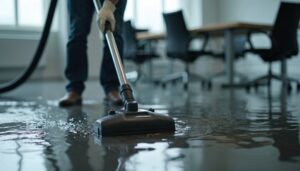
24/7 Commercial Water Damage Restoration to Minimize Business Disruption
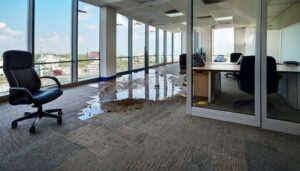
Water damage can disrupt a commercial property quickly, affecting operations, employees, tenants, guests, customers, inventory, and building materials. Whether the loss begins with a plumbing failure, roof leak, HVAC issue, storm-driven rain, or another source, water can spread beyond the initially visible area and into flooring, walls, ceilings, insulation, and adjoining spaces.
Hilton Head and the surrounding Lowcountry present additional challenges. High humidity, heavy rainfall, tropical weather, and coastal conditions can slow natural drying and make prompt moisture control especially important.
PuroClean of Hilton Head provides 24/7 commercial water damage restoration throughout Hilton Head Island, Bluffton, Beaufort, and surrounding Lowcountry communities. Our team responds to assess the loss, remove standing water, identify affected materials, establish professional drying conditions, and document drying progress while working to minimize unnecessary disruption to your operations.
Commercial water damage can originate from sudden emergencies or slow moisture problems that remain concealed until damage becomes visible.
Common causes include:
Regardless of the source, prompt evaluation is important because water can travel through building assemblies and affect areas beyond where the loss first appears.
Water damage restoration in a commercial property involves more than removing visible water.
Moisture may migrate beneath flooring, behind walls, above ceilings, into insulation, and through shared building assemblies. Materials that appear dry at the surface can sometimes retain moisture internally or in concealed areas.
Commercial properties also introduce an important consideration: business continuity.
Hotels may need to protect occupied guest areas. Restaurants may need to coordinate restoration around kitchens and dining spaces. Offices may need to maintain access to unaffected work areas. Multi-unit buildings may involve several tenants, property managers, and insurance representatives.
PuroClean of Hilton Head develops the restoration approach around the conditions of the loss, affected materials, building layout, and operational priorities. When conditions allow, controlled drying zones and coordinated access can help reduce unnecessary disruption to unaffected areas.
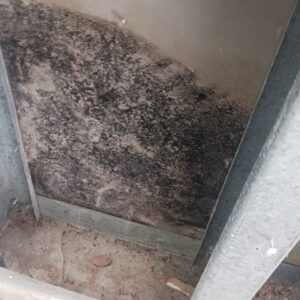
Prompt water removal and drying are important because prolonged moisture can contribute to additional building damage and conditions that support mold growth. The U.S. Environmental Protection Agency (EPA) also emphasizes moisture control and drying wet materials as important steps in preventing mold growth.
Visible water is not always the full extent of a commercial water loss.
Water can move through wall cavities, beneath flooring, above ceilings, around cabinetry, into insulation, and between adjoining unit or commercial spaces. Without appropriate moisture evaluation, concealed areas may remain wet even after standing water has been removed.
PuroClean of Hilton Head’s technicians use professional moisture meters and infrared imaging as part of the assessment process to help identify moisture patterns and determine the extent of affected materials.
These findings help guide extraction, equipment placement, material evaluation, and drying decisions throughout the restoration process.
Water damage in a hotel or resort can affect guest rooms, corridors, lobbies, restaurants, back-of-house areas, mechanical spaces, and other occupied portions of the property.
PuroClean of Hilton Head works with property and operations teams to identify affected areas, establish appropriate drying zones, and coordinate access while restoration is underway. When conditions permit, this approach can help limit disruption to unaffected areas of the property.
Restaurants can experience water damage from plumbing failures, kitchen equipment, refrigeration systems, roof leaks, storm intrusion, overflowing fixtures, and other sources.
Prompt extraction and moisture control can help limit the spread of water into flooring, walls, cabinetry, and adjoining spaces. PuroClean of Hilton Head coordinates the restoration process around affected customer-facing and back-of-house areas while documenting drying progress throughout the project.
Water damage in retail environments can affect flooring, walls, inventory-adjacent areas, storage rooms, fixtures, and customer-access areas.
PuroClean of Hilton Head works to isolate affected spaces, remove standing water, establish professional drying conditions, and protect unaffected areas when possible. Controlled access can also help property and operations teams manage customer and employee movement during restoration.
Plumbing leaks, HVAC issues, roof intrusion, and other water losses can spread through ceilings, walls, flooring, and adjoining office spaces.
Learn more about ways to prevent water damage in office properties.
Our team evaluates visible and concealed moisture, establishes drying equipment, and documents progress throughout the restoration process. When appropriate, work areas can be coordinated to help minimize unnecessary disruption to unaffected offices and occupied spaces.
Water originating in one unit or floor can migrate into adjoining or lower-level spaces through shared walls, ceilings, flooring systems, and other building assemblies.
PuroClean of Hilton Head evaluates the extent of the affected area and coordinates restoration with property managers and other authorized stakeholders. Establishing controlled drying zones can help protect unaffected spaces while allowing restoration to progress efficiently.
Commercial properties throughout Hilton Head Island and the surrounding Lowcountry face moisture conditions that can make professional water damage restoration especially important.
Coastal humidity can slow evaporation and make it more difficult for wet building materials to dry naturally. Professional dehumidification and controlled drying conditions help remove excess moisture from both affected materials and the surrounding air.
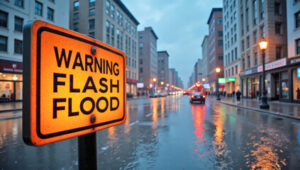
Heavy rainfall, tropical storms, hurricanes, and wind-driven rain can introduce water through roofs, windows, exterior walls, doors, and other vulnerable areas.
Because water may travel into concealed building assemblies, the visible point of intrusion may not represent the full extent of the affected area.
Commercial HVAC systems work extensively during Lowcountry summers. Condensate drain problems, equipment leaks, and related moisture issues can affect ceilings, walls, flooring, and mechanical spaces.
Hotels, resorts, restaurants, retail properties, offices, and other commercial facilities may have limited opportunities to take large portions of a building out of service.
When conditions allow, thoughtful equipment placement, controlled drying areas, and coordinated access can help reduce disruption to unaffected portions of the property.
Commercial water losses often involve multiple stakeholders, including property owners, managers, tenants, facility teams, and insurance representatives.
Depending on the project, PuroClean’s documentation may include:
This documentation helps provide a clearer record of what areas were affected, what restoration work was performed, and how drying progressed throughout the project.
When an insurance claim is involved, PuroClean of Hilton Head can provide restoration documentation and communicate with authorized insurance professionals as part of the project.
Commercial water losses require prompt response, accurate moisture evaluation, professional drying, and clear communication.
PuroClean of Hilton Head provides:
Our goal is to determine where the water traveled, what materials are affected, what can be dried and preserved, and what needs to be addressed so restoration can move forward effectively while minimizing unnecessary disruption.
Water damage can sometimes lead to additional property concerns. PuroClean of Hilton Head also provides:
These services allow commercial property owners and managers to coordinate related restoration needs through one local response team when appropriate.
Water can spread quickly through flooring, walls, ceilings, insulation, and adjoining commercial spaces. Prompt extraction and professional drying can help limit additional damage and reduce unnecessary disruption to your operations.
PuroClean of Hilton Head provides 24/7 commercial water damage restoration throughout Hilton Head Island, Bluffton, Beaufort, and surrounding Lowcountry communities for hotels, resorts, restaurants, retail properties, offices, multi-unit buildings, and other commercial facilities.
Call PuroClean of Hilton Head at 843-949-4988 for 24/7 commercial water damage assistance.
Every commercial water damage situation is different. PuroClean of Hilton Head follow a structured approach to assess the damage, address moisture, and help businesses move toward recovery while minimizing unnecessary disruption to operations.
Our team provides 24/7 emergency response for commercial water damage. Upon arrival, we assess the situation, identify potential safety concerns, and evaluate the source and visible extent of the water intrusion. We also coordinate with the property owner, manager, or designated representative to discuss immediate priorities.
What Our Customers Say:
Find answers to common questions about our services
Our priority is to stabilize the loss quickly so water isn’t sitting in flooring, walls, and contents—because that’s what expands the drying window and forces longer closures. Once on site, we focus first on stopping the source (when possible), extracting water, and setting drying equipment to protect revenue-generating areas.
We don’t rely on surface appearance alone. Our team uses moisture readings and documented drying progress to evaluate affected materials throughout the project. These readings help determine when drying goals have been reached and provide documentation of conditions in the affected areas.
We can provide baseline photos, moisture mapping notes, and drying logs that show progress and support decisions about continued mitigation versus re-occupancy. This paper trail helps reduce disputes when multiple parties need the same facts under time pressure to keep doors open.
When site conditions and the scope of work allow, we can coordinate access and restoration activities with property or operations teams to help reduce unnecessary disruption. The approach will depend on the affected areas, drying requirements, safety considerations, and conditions of the loss.
We align on an access plan up front (who can enter, when, and which areas are off-limits), then provide consistent updates tied to drying milestones. That structure helps you keep tenants informed, manage expectations, and document decisions while operations resume in stages.
A single water loss can ripple through your entire business — affecting tenants, disrupting workflows, and risking long-term structural damage. We deploy 24/7 with commercial-grade equipment and expertise to protect your property and keep your business running. You don’t have time for guesswork — you need a team that arrives fast, understands commercial environments, and gets your facility stabilized without delay.
Call Our Commercial Response Team at
(843) 949-4988
Contact Us
PuroClean of Hilton Head
(843) 949-4988
18 Fisherman Lane, Bluffton, SC 29910


© 2026 PuroClean. All Rights Reserved.