


Knowing how to control humidity in your house is especially important when you live in the Lowcountry. Hilton Head Island, Bluffton, Beaufort, and surrounding coastal communities experience warm temperatures, high outdoor humidity, frequent rainfall, and long cooling seasons – all of which can make indoor moisture more difficult to manage.
Sometimes high indoor humidity is simply a matter of moisture in the air. Other times, what feels like humidity problem can be connected to an HVAC issue, plumbing leak, roof intrusion, crawlspace moisture, or another source that needs attention.
Understanding the difference can help you protect your home and recognize when a moisture problem deserves a closer look.
What is a Good Indoor Humidity Level?
Relative humidity, often abbreviated as RH, describes the amount of moisture in the air relative to how much moisture the air can hold at a particular temperature.
The U.S. Environmental Protection Agency (EPA) recommends keeping indoor humidity below 60% and ideally between 30% and 50% when possible to help control mold and moisture.
In the Lowcountry, maintaining that range can be challenging during periods of persistent heat and humidity. Rather than relying on how the air feels, homeowners can use a hygrometer or a thermostat with a humidity reading to monitor indoor conditions.
Why Humidity Can Be a Challenge in Lowcountry Homes
Humidity is not unique to Hilton head, but our coastal environment creates conditions that make moisture management particularly important.
Long Cooling Seasons
Air-conditioning systems do more than cool a home. As warm indoor air passes over the system’s cold evaporator coil, moisture condenses and is removed from the air.
When a HVAC system isn’t operating properly, is incorrectly sized, or develops a condensate drainage problem, indoor moisture conditions may change.
Seasonal and Second Homes
Hilton Head has many second homes, villas, and vacation properties that may remain unoccupied for periods of time.
A change in HVAC operation, plumbing leak, roof intrusion, or elevated indoor humidity can go unnoticed longer when no one is regularly inside the property.
Attics, Crawlspaces and Enclosed Areas
Not every part of a home experiences the same moisture conditions.
Attics, crawlspaces, closets, cabinets, and other enclosed or low-airflow areas may behave differently from the main living space. This is one reason a normal humidity reading in one room doesn’t necessarily tell you what is happening everywhere in the home.
Rain and Coastal Weather
Heavy rain, tropical weather, and wind-driven rain can also introduce moisture into a building.
When this happens, lowering the indoor humidity does not address the source of the water intrusion. The affected materials and source of the moisture need to be evaluated separately.
Signs Your Home May Have Too Much Humidity
High indoor humidity isn’t always immediately obvious. Some common signs include:
- Condensation regularly forming on windows or other cool surfaces
- A persistent damp or clammy feeling indoors
- Musty odors
- Paint of finishes beginning to peel or bubble
- Doors or other wood components swelling other sticking
- Visible mold or mildew-like growth
- Moisture appearing around HVAC components or vents
One sign by itself doesn’t necessarily identify the cause. Persistent or localized moisture conditions deserve more attention, particularly if they continue even when the home’s overall humidity appears controlled.
How to Control Humidity in Your House
1. Monitor Indoor Relative Humidity
Start by knowing what the humidity actually is.
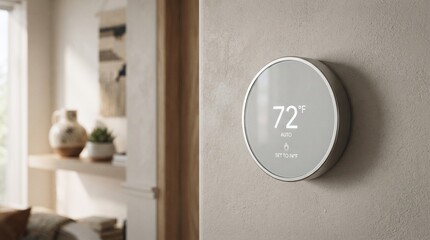
Many modern thermostats display relative humidity. If your doesn’t, an inexpensive hygrometer can provide a basic indoor reading.
Check conditions over time rather than relying on a single measurement. Humidity naturally changes with outdoor conditions, temperature, HVAC operation, and everyday household activities.
2. Keep Your HVAC System Properly Maintained
Your air-conditioning system is an important part of indoor moisture control in the Lowcountry.
Change filters according to the manufacturer’s recommendations and have the system serviced as appropriate. Condensate drain lines, drain pans, air handlers, and other components should also be checked when there are signs of abnormal moisture.
If you notice water around an air handler, staining near HVAC components, or unexplained increases in indoor humidity, don’t assume coastal weather is the only cause.
3. Use Bathroom and Kitchen Exhaust Fans
Showers, cooking, and other everyday activities introduce moisture into indoor air.
Use properly vented exhaust fans during these activities and allow them to continue operating long enough to remove excess moisture.
Bathroom and kitchen exhaust should discharge outdoors rather than into an attic or other enclosed building area.
4. Be Careful About Opening Windows on Humid days
Opening windows can feel like a natural way to improve ventilation, but in the Lowcountry it can sometimes introduce more moisture into the home.
When outdoor humidity is high, keeping windows and exterior doors closed while the air-conditioning system is operating can help the home maintain more stable indoor conditions.
5. Consider a Dehumidifier When Appropriate
A dehumidifier can help reduce moisture in areas where humidity remains elevated.
The unit should be appropriately sized for the area and maintained according to the manufacturer’s instructions.
However, a dehumidifier should not be used as a substitute for correcting an active moisture source.
If a plumbing line is leaking behind a wall, an HVAC drain is overflowing, or rainwater is entering through the building envelope, simply lowering the humidity doesn’t resolve the underlying problem.
6. Pay Attention to Closets and Low-Airflow Areas
Closets, cabinets, storage areas, and rooms that stay closed for extended periods may receive less airflow than the rest of the home.
Avoid tightly packing belongings against walls where possible, especially exterior walls, and periodically check enclosed areas for musty odors, condensation, staining, or other changes.
7. Check for Plumbing, Roof and HVAC Moisture Sources
Persistent humidity may have a source beyond normal household moisture.
Possible sources can include:
- Slow plumbing or appliance leaks
- HVAC condensate problems
- Roof or flashing leaks
- Wind-driven rain
- Moisture entering around windows or doors
- Crawlspace moisture
- Water trapped within walls, ceilings, cabinets, or flooring
Finding and correcting the source is an important part of long-term moisture control.
8. Don’t Forget About an Unoccupied Home
If you own a second home, villa, rental, or seasonal property in the Hilton Head area, consider how indoor conditions will be monitored while the property is vacant.
HVAC failures and water leaks don’t wait for someone to be home.
Periodic property checks, humidity monitoring, leak detection devices, and appropriate HVAC settings can help identify changing conditions sooner.
High Humidity or a Hidden Water Problem?
This distinction is particularly important in the Lowcountry.
A house that feels humid does not automatically have water damage. Likewise, a homeowner shouldn’t assume that every damp or musty condition is simply the result of South Carolina’s climate.
For example, unusually high humidity in one area of the home could be associated with an HVAC condensate issue. A musty cabinet could be near a slow plumbing leak. A ceiling stain could indicate roof or HVAC-related moisture rather than humidity in the surrounding air.
Water can also travel beneath flooring, behind walls, above ceilings, and through other building materials before obvious damage appears. When this happens, professional water damage restoration may involve identifying the extent of the moisture rather than relying on surface appearance alone.
When conditions are unclear, moisture readings and an evaluation of the surrounding materials can help determine whether you’re dealing with general indoor humidity or a more localized moisture source.
Can High Humidity Contribute to Mold?
Yes. Persistent elevated humidity can create conditions favorable to mold growth, particularly on moisture-sensitive materials and in areas with limited airflow.
But humidity is only one potential source of moisture.
Plumbing leaks, roof intrusion, HVAC condensation, appliance leaks, storm-related water intrusion, and other conditions can also contribute to mold.
If you’d like to learn more about the different ways moisture problems can begin, read our 8 Hidden Causes of Mold in a House – And How to Protect Your Lowcountry Home.
What If You Already Find Mold?
Lowering indoor humidity is an important moisture-control measure, but it does not remove existing mold or determine how far an affected area extends. When mold growth is present, professional mold removal and remediation may be needed depending on the conditions and extent of the affected materials.
The moisture condition contributing to the growth should first be understood.
Depending on the situation, an assessment may include looking for plumbing or HVAC problems, roof or exterior intrusion, elevated humidity, crawlspace moisture, or moisture concealed within building materials.
The appropriate remediation approach depends on the conditions and materials involved.
When Does a Professional Moisture Assessment Make Sense?
Consider having the area evaluated when you notice persistent musty odors, visible mold, unexplained staining, recurring moisture, or conditions that continue despite normal humidity-control measures.
Professional moisture meters, thermal imaging, and other assessment tools may be useful when appropriate to help identify abnormal moisture conditions and determine whether additional areas need to be evaluated.
At PuroClean of Hilton Head, our approach starts with understanding the conditions before determining what needs to be done.
We serve homeowners throughout Hilton Head Island, Bluffton, Beaufort, and surrounding Lowcountry communities.
For water damage, mold concerns, or unexplained moisture, call PuroClean of Hilton Head at 843-949-4988. We provide 24/7 emergency response.
Frequently Asked Questions About Controlling Humidity
What should indoor humidity be in a Lowcountry home?
The EPA recommends keeping indoor relative humidity below 60% and ideally between 30% and 50% when possible. Maintaining that range may require greater attention during particularly humid Lowcountry weather.
Can air conditioning lower humidity?
Yes. Air-conditioning systems remove some moisture from indoor air as part of the cooling process. However, HVAC operation, equipment condition, sizing, and other factors can affect how effectively a system managers indoor moisture.
Will a dehumidifier prevent mold?
A dehumidifier can help control elevated humidity and make conditions less favorable for mold growth. It does not remove existing mold or correct an active leak or other water source.
Why is my house humid even when the AC is running?
There are several possible explanations, including outdoor conditions, HVAC operation, equipment issues, air infiltration, everyday moisture sources, or a localized moisture problem. Persistent changes are worth investigating rather than assuming they’re normal.
Can mold grow in a closed vacation home?
Yes. An unoccupied home can still experience elevated humidity, HVAC failures, plumbing leaks, roof intrusion, and other moisture conditions that may contribute to mold growth.
Is a musty smell always caused by high humidity?
No. A musty odor may occur alongside elevated humidity, but it can also be associated with damp materials or a localized moisture problem. If the odor persists, determining where the moisture is coming from is more useful than simply masking the smell.