


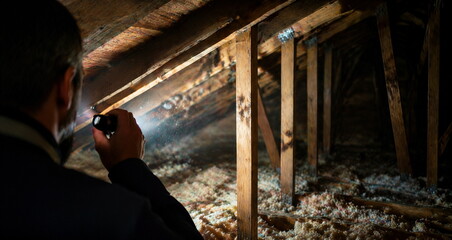
Attic mold is one of the most common and most overlooked moisture problems in homes across Hilton Head, Bluffton, Beaufort, and the surrounding Lowcountry. Because attics are rarely visited, mold often develops quietly – sometimes for months – before homeowners notice musty odors, staining, or insulation damage. The good news is that attic mold can be safety removed and prevented long-term when moisture is controlled correctly.
This comprehensive guide from PuroClean of Hiton Head explains why attic mold forms, how to remove it safetly, and the most effective ways to prevent moisture from damaging your home’s structure. You’ll also learn why DIY cleaning is appropriate and when professional remediation is necessary to protect your property, your indoor air quality, and your long-term investment.
Why Attics in the Lowcountry Are Prone to Mold
Attics naturally experience dramatic temperature swings – especially in coastal South Carolina, where humidity remains high year-round. Mold spores exist everywhere indoors and outdoors, but they only grown when moisture and an organic surface (like wood or insulation) are present.
Across Hilton Head, Bluffton, and Beaufort, the most common causes of attic mold include:
- Roof leaks
- Poor attic ventilation
- Bathroom or kitchen fans venting into the attic
- Blocked soffit vents
- Condensation from warm indoor air meeting cold roof surfaces
- Damaged or improperly installed insulation
During colder months, condensation becomes especially common. Warm, humid indoor air rises and escapes into the attic, where it meets cooler roof decking. This temperature difference creates moisture – often enough to support mold growth on sheathing, rafters, and insulation.
If moisture is entering your attic because of a roof leak, both the leak and any resulting water damage must be addressed before mold can be fully resolved.
Early Warning Signs of Attic Mold
Because most homeowners rarely enter their attic, mold often develops unnoticed. Recognizing early sings can prevent structural damage and costly repairs.
Common indicators include:
- Black, green, or white discoloration on roof sheathing or framing
- Persistent musty odors drifting into upper floors
- Water stains on wood or insulation
- Damp or compressed insulation
- Condensation on roof decking or rafters
If these signs appear after a storm or leak, it’s worth understanding how hidden moisture spreads through a home. Moisture problems that begin in the attic often migrate into nearby rooms, causing issues like mold in closets or mold in bathrooms.
How Mold Spreads Through an Attic
Mold reproduces by releasing microscopic spores that travel through the air. Once spores land on damp wood, drywall, insulation, or stored materials, they begin growing if moisture remains present.
In the Lowcountry, common moisture sources include:
- Roof leaks
- Improperly vented bathroom fans or dryers
- Plumbing leaks
- Poor airflow
- High humidity trapped in enclosed attic spaces
If these conditions aren’t corrected, mold can spread across roof sheathing, framing, insulation, and even into adjacent rooms. This is why addressing the moisture source is just as important as removing the visible growth.
Attic Mold Removal: When DIY Is Safe – and When It Isn’t
According to the U.S. Environmental Protection Agency (EPA), homeowners can generally clean mold affecting less than 10 square feet if:
- The moisture source has been corrected
- The area is accessible
- Proper safety precautions are used
Before attempting DIY attic mold removal, wear:
- Gloves
- Eye protection
- An N95 respirator
If you choose to clean a small area:
- Fix the moisture source first – roof leak, condensation, or ventilation issue.
- Remove wet insulation or cardboard boxes that cannot be cleaned.
- Clean non-porous surfaces according to product instructions
- Allow the attic to dry completely.
- Monitor the area for recurring moisture or odors.
DIY is not recommended when:
- Mold covers more than 10 square feet
- Mold extends beneath roof sheathing
- Structural framing is affected
- Mold returns after cleaning
- Moisture problems are ongoing
- The attic is difficult or unsafe to access
In these cases, professional remediation is the safest and most effective option.
Why Professional Attic Mold Remediation Matters
Large attic mold problems often involve hidden moisture that isn’t visible during a basic inspection. Professional restoration teams – like PuroClean of Hilton Head – use specialized equipment to:
- Locate hidden moisture behind sheathing, insulation, and framing
- Establish containment to prevent spore spread
- Use negative air pressure to control airflow
- Remove contaminated materials when necessary
- Dry structural components thoroughly
- Verify moisture levels before rebuilding
Professional remediation also ensures the underlying moisture issue is corrected. If mold developed after a roof leak, water damage restoration may be required before repairs are completed.
How to Prevent Mold in Attic Spaces
Preventing attic mold begins with moisture control, not just cleaning visible growth. In the Lowcountry’s humid climate, prevention is essential.
Key prevention strategies
- Regular roof inspections to identify damaged shingles, flashing, or penetrations
- Proper attic ventilation to remove warm, humid air
- Bathroom and kitchen fans vented outdoors – never into the attic
- Adequate insulation to reduce temperature differences that cause condensation
- Checking soffit vents to ensure they are not blocked by insulation
- Inspecting the attic after storms for moisture or staining
Energy Star recommends proper insulation and ventilation as part of an effective moisture-control strategy- especially in humid climates like Hilton Head and Bluffton.
Maintaining the rest of your home is equally important. Excess moisture can migrate into bathrooms, closets, and other enclosed spaces, creating secondary mold issues.
Protect Your Lowcountry Home From Attic Mold
Ignoring attic mold can lead to structural damage, unpleasant odors, and more extensive restoration work over time. Acting quickly to eliminate moisture, remove mold safety, and improve ventilation helps protect your home’s structure and indoor environment.
If you’re dealing with widespread attic mold or recurring moisture problems, PuroClean of Hilton Head provides:
- Moisture-source identification
- Containment and negative air
- HEPA filtration
- Targeted removal
- Moisture verification
- Clearance-support documentation
Our IICRC-certified team understands the unique moisture challenges of Hilton Head, Bluffton, Beaufort, and the surrounding Lowcountry. We treat attic mold as both a structural and air-quality concern – protecting your home, your investment, and your peace of mind.
Frequently Asked Questions
Is mold in an attic dangerous?
Mold may affect indoor air quality and contribute to allergy or respiratory symptoms in some individuals. If left untreated, it can also damage insulation, roof sheathing, and structural framing.
What causes attic mold?
Roof leaks, condensation, poor ventilation, blocked soffit vents, and exhaust fans that even warm, humid air into the attic instead of outdoors.
Can I remove attic mold myself?
Small areas under 10 square feet may be cleaned safely if the moisture source has been corrected. Larger infestations should be handled by professionals.
Will replacing insulation remove attic mold?
No. Damaged insulation may need replacement, but unless the underlying moisture problem is corrected, mold will return.
How can I prevent mold from coming back?
Maintain your roof, improve attic ventilation, vent appliances outdoors, inspect the attic after storms, and address leaks or condensation immediately.