


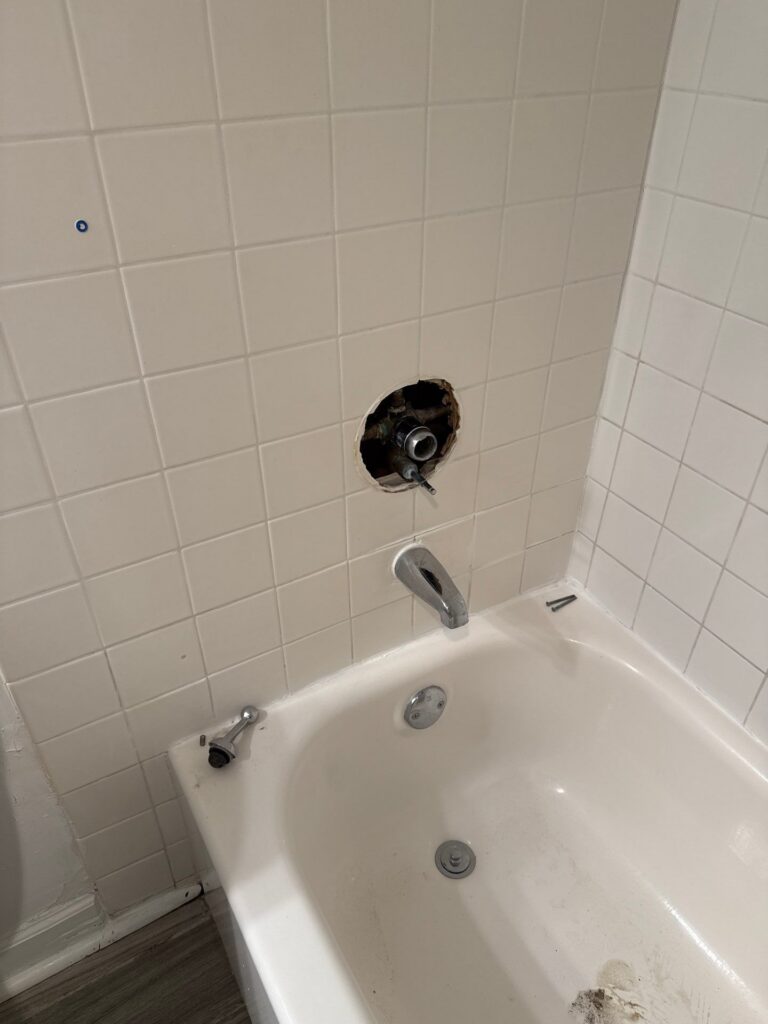
Table of Contents:
- Why Bathtub Leaks Become a Hidden Threat
- How to Recognize a Bathtub Leak Before Damage Spreads
- Why Bathtubs Leak Through Ceilings
- DIY or Call a Professional?
- After the Leak is Fixed
- Water Damage Help in Hilton Head, Bluffton & Beaufort
Why Bathtub Leaks Become a Hidden Threat
A bathtub leak dripping through the ceiling below is one of the most stressful issues a Lowcountry homeowner can face. In Hilton Head, Bluffton, and Beaufort – where humidity accelerates moisture damage – these leaks can quickly spread into flooring, drywall, insulation, and structural materials. What begins as a small drip can rapidly turn into a costly repair fi not addressed quickly. Understanding the warning signs, knowing the common causes, and taking the right next steps can help protect your home and prevent long-term damage.
How to Recognize a Bathtub Leak Before Damage Spreads
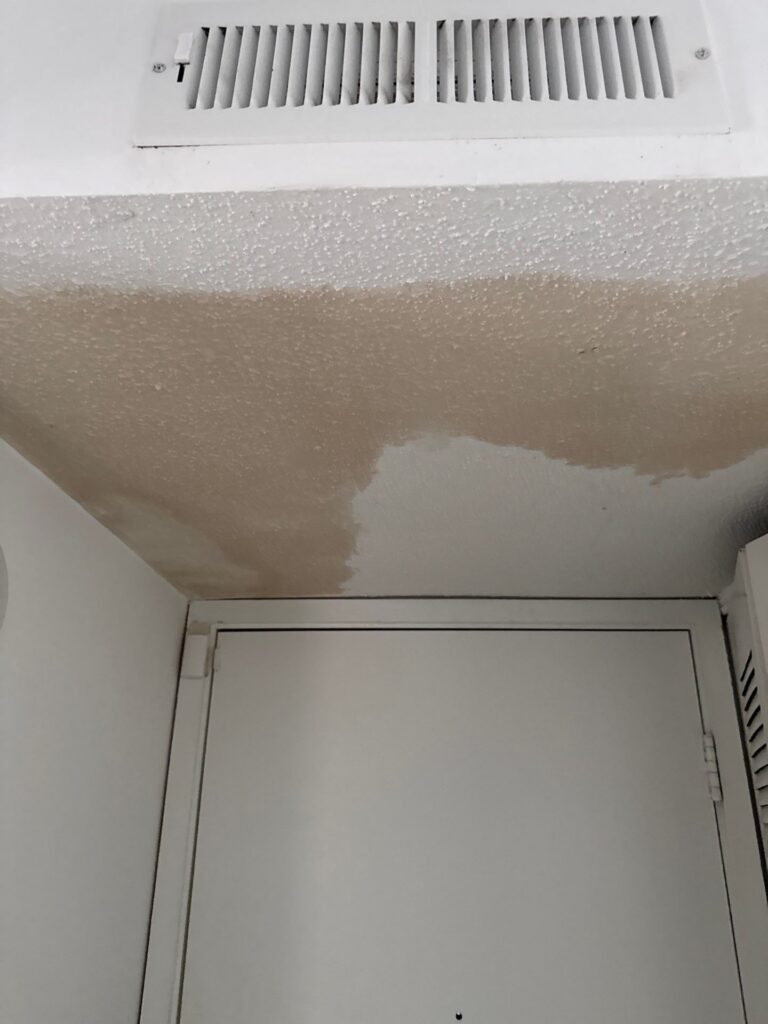
Bathtub leaks often reveal themselves downstairs first, long before anything looks wrong in the bathroom. Because water naturally follows gravity, it can travel through flooring layers and into the ceiling cavity below. Look for:
- ceiling stains or bubbling paint
- Sagging drywall
- Musty odors or mold growth
- Soft flooring around the tub
- Peeling paint or warped trim, or discoloration
- Drips or dampness appearing only after someone showers or bathes
If you notice any of these signs, stop using the tub immediately and shut off the water supply. This prevents additional water from entering the ceiling cavity and worsening the damage.
Why Bathtubs Leak Through Ceilings
Several issues can cause water to escape from a bathtub and travel downward into the ceiling below. The most common include:
1. Drain Leaks
A worn drain gasket or loose drain assembly allows water to seep beneath the tub. Even slow drips can saturate subflooring and ceiling materials over time.
2. Overflow Drain Failures
The overflow gasket can dry out, crack, or shift – especially in older Hilton Head and Bluffton homes. When this happens, water escapes every time the tub fills too high or splashes near the overflow plate.
3. Cracked Bathtubs
Fiberglass tubs often develop hairline fractures from age, weight stress, or improper installation. These cracks may be small, but they allow water to travel underneath the tub and into the ceiling below.
4. Failed Caulking or Seals
Gaps around the tub edges let water run behind walls and flooring. Over time, this moisture can migrate downward and appear as ceiling damage.
5. Loose or Damaged Plumbing Connections
Shower valves, supply lines, and faucet assemblies can loosen over time, especially in homes with frequent temperature changes or high water pressure.
Even a minor leak can cause major issues in multi-story homes common across the Lowcountry.
DIY or Call a Professional?
While DIY videos make repairs look simple, bathtub leaks are rarely surface-level. Hidden moisture can spread into:
- Ceiling cavities
- Joists and subflooring
- Adjacent walls
- Insulation
- Electrical components
A misdiagnosed leak can lead to mold growth, structural deterioration, and higher repair costs. A licensed plumber can accurately identify the source and ensure the plumbing system is sealed correctly. Professional diagnosis is especially important when water is already dripping through a ceiling, since the damage is likely more extensive than it appears.
After the Leak Is Fixed: Why Water Damage Restoration Matters
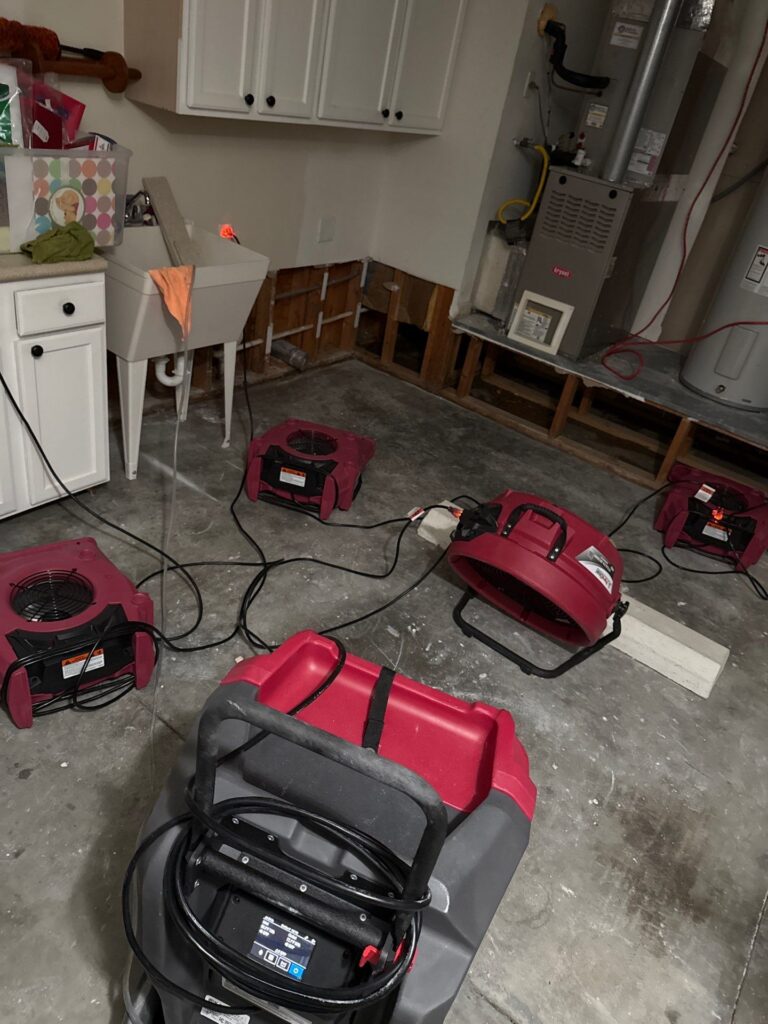
Once the plumbing repairs is complete, the next step is addressing the water damage left behind. Moisture trapped inside ceilings, walls, and flooring can lead to mold growth and long-term structural issues.
That’s where PuroClean of Hilton Head comes in.
Our IICRC-certified technicians use:
- Thermal imaging to locate hidden moisture
- Professional structural drying
- Mold remediation when needed
- Ceiling, drywall, and flooring restoration
We restore your home safely, quickly, and with the calm professionalism Lowcountry homeowners rely on.
Need Water Damage Restoration in Hilton Head, Bluffton, Beaufort, or surrounding Lowcountry?
A Bathtub leak can escalate fast – but with he right team, recovery is straightforward.
Call PuroClean of Hilton Head at 843-949-4988 for 24/7 emergency service. We’re your trusted local experts in water damage, mold remediation, and structural drying.