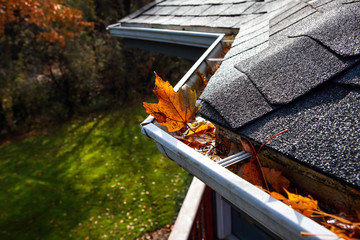
Fall is a great time to inspect your roof and address potential problems before they lead to water damage. For homeowners in Hilton Head Island, Bluffton, Beaufort, and surrounding Lowcountry communities, regular roof maintenance can help protect against leaks, moisture intrusion, and costly repairs.
Although coastal South Carolina doesn’t typically experience harsh winter conditions, heavy rainfall, strong winds, humidity, and seasonal storms can still take a toll on roofing materials.
Following a fall roof maintenance checklist can help identify small problems before they become larger issues.
Why Fall Roof Maintenance Matters in the Lowcountry
Your roof is one of your home’s primary defenses against rain and outdoor moisture. Over time, weather exposure, aging materials, and accumulated debris can affect its ability to keep water out.
Even a small opening around damaged flashing, shingles, or other roofing materials can allow rainwater to enter attics, insulation, ceilings, and walls.
Because moisture can travel beyond its original entry point, roof leaks aren’t always immediately noticeable.
Regular inspections, cleaning, and timely repairs can help reduce the risk of unexpected water damage.
Fall Roof Maintenance Checklist: 8 Tips to Protect Your Home
1. Trim Overhanging Tree Branches
Trees provide shade and contribute to the natural beauty of Lowcountry properties, but branches hanging over your roof can create problems.
During storms, weakened limbs may break and damage shingles, flashing, or other roofing materials.
Overhanging branches can also deposit leaves, pine needles, and debris onto the roof and into gutters, potentially interfering with proper drainage.
Have dead, damaged, or overhanging branches evaluated and trimmed by a qualified tree professional. Avoid cutting large limbs yourself, especially near power lines.
2. Clean Gutters and Downspouts
Clogged gutters can prevent rainwater from draining away from your home properly.
When leaves, pine needles, and other debris accumulate, water may overflow and affect the roofline, siding, fascia, or areas near the foundation.
As part of your fall roof maintenance routine:
- Remove leaves and debris from gutters.
- Check downspouts for blockages.
- Look for loose or sagging gutter sections.
- Make sure downspouts direct water away from the home.
Gutter guards may help reduce debris buildup, but they still require periodic inspection and cleaning.
3. Inspect Shingles and Roofing Materials
Roofing materials can deteriorate over time due to weather exposure, aging, and storm damage.
From the ground, look for visible signs of damage, including:
- Missing, cracked, or curling shingles
- Loose or displaced roofing materials
- Rust or corrosion on metal roofing
- Damaged or uneven roof sections
- Excessive debris collecting in roof valleys
Different roofing materials require different maintenance approaches.
If you notice damage, contact a qualified roofing contractor for a closer inspection and any necessary repairs.
Avoid walking on your roof yourself. Roof surfaces can be slippery, steep, or unstable, particularly after rain.
4. Check Roof Flashing and Seals
Roof flashing helps direct water away from vulnerable areas where the roof meets chimneys, vents, skylights, and other openings.
Over time, flashing may loosen, corrode, or become damaged.
Compromised flashing can allow rainwater to enter areas that may not become visible from inside the home until staining or other damage develops.
A qualified roofing professional can inspect these areas and determine whether repairs or replacement are necessary.
5. Look for Signs of Roof Leaks in the Attic
Roof problems aren’t always visible from outside.
If your attic is safely accessible, look for potential signs of moisture intrusion, including:
- Water stains on wood framing
- Damp or discolored insulation
- Moisture around roof penetrations
- Musty odors
- Staining beneath the roof decking
These conditions may indicate an existing or previous moisture problem.
Avoid disturbing suspected mold growth or entering an attic with unsafe flooring, exposed electrical hazards, or other dangerous conditions.
If you suspect a roof leak, have the source evaluated by a qualified professional.
6. Inspect Ceilings and Interior Walls
Sometimes, the first noticeable signs of a roof leak appear inside your home.
Look for water stains, bubbling paint, peeling drywall, or discoloration near ceilings and upper walls.
Keep in mind that the visible stain may not be directly below the point where water entered the roof.
Water can travel along framing and other building materials before becoming noticeable.
If you discover a leak, identifying and correcting the source is an important first step.
For more information, read our guide on what to do when your roof leaks.
7. Clear Debris From Roof Valleys and Drainage Areas
Roof valleys are areas where two roof slopes meet. They help channel rainwater toward gutters and drainage points.
Leaves, pine needles, and other debris can accumulate in these areas, especially on Lowcountry properties surrounded by mature trees.
Heavy debris buildup can interfere with drainage and retain moisture against roofing materials.
Have a qualified professional remove debris when necessary, particularly if the work requires accessing the roof.
8. Schedule a Professional Roof Inspection
Even when your roof appears to be in good condition, some problems may not be visible from the ground.
A professional roof inspection can help identify damaged roofing materials, flashing concerns, drainage issues, and other conditions that may require attention.
Consider scheduling an inspection after significant storms or when you notice signs of wear or moisture intrusion.
Addressing necessary repairs promptly may help prevent additional damage during future rainfall.
For additional information on preparing your home for severe weather, explore the resources available through the Insurance Institute for Business & Home Safety (IBHS).
How Roof Leaks Can Lead to Water Damage
A roof leak can affect more than the ceiling directly beneath it.
Depending on the location and duration of the leak, water may reach:
- Attic insulation and wood framing
- Ceiling drywall
- Interior wall cavities
- Flooring and other building materials
Moisture that remains trapped in building materials can contribute to deterioration and create conditions that support mold growth.
Because water can move through concealed areas, the full extent of the damage may not be visible.
If a roof leak causes interior water damage, the roofing problem should be addressed to prevent additional water from entering.
Once the source is controlled, professional water damage restoration may be necessary to assess affected materials and determine an appropriate drying plan.
At PuroClean of Hilton Head, our team provides professional water damage restoration services to help homeowners recover from roof leaks and other sources of water intrusion. Using moisture detection equipment and professional drying methods, we evaluate affected areas and determine the appropriate restoration approach.
When conditions allow, certain materials may be dried in place rather than removed. The appropriate approach depends on the extent of the damage and the condition of the affected materials.
Frequently Asked Questions About Fall Roof Maintenance
How often should I inspect my roof?
A general recommendation is to have your roof checked twice a year, typically in spring and fall, and after significant storms. The appropriate frequency may depend on the roof’s age, condition, and exposure to weather.
Why is fall roof maintenance important in South Carolina?
Fall roof maintenance helps homeowners identify damage from summer storms, clear accumulated debris, and address drainage problems before additional rainfall causes leaks or moisture intrusion.
Can clogged gutters cause water damage?
Yes. When gutters become blocked, overflowing water can affect siding, fascia, and areas around the foundation. Depending on the home’s construction and the location of the blockage, drainage problems may also contribute to moisture intrusion.
What are the warning signs of a roof leak?
Common warning signs include water stains on ceilings, damp attic insulation, peeling paint, musty odors, and visible damage to roofing materials. Some leaks may remain hidden until moisture affects interior surfaces.
What should I do if I discover a roof leak?
Contact a qualified roofing contractor to identify and repair the source. If water has affected ceilings, walls, insulation, or other interior materials, professional water damage restoration may also be necessary.
Protect your Lowcountry Home With Fall Roof Maintenance
Taking time to inspect your roof, clean gutters, trim overhanging branches, and address damaged materials can help reduce the risk of leaks and water damage.
For homeowners throughout Hilton Head Island, Bluffton, Beaufort, Okatie, and surrounding Lowcountry communities, fall roof maintenance is a practical part of protecting your property.
If a roof leak or storm has already caused water damage inside your home, PuroClean of Hilton Head is amiable 24/7 to help assess and restore affected areas.
PuroClean of Hilton Head | 843-949-4988 | 24/7 Emergency Response
Contact our team for assistance with water damage restoration.