


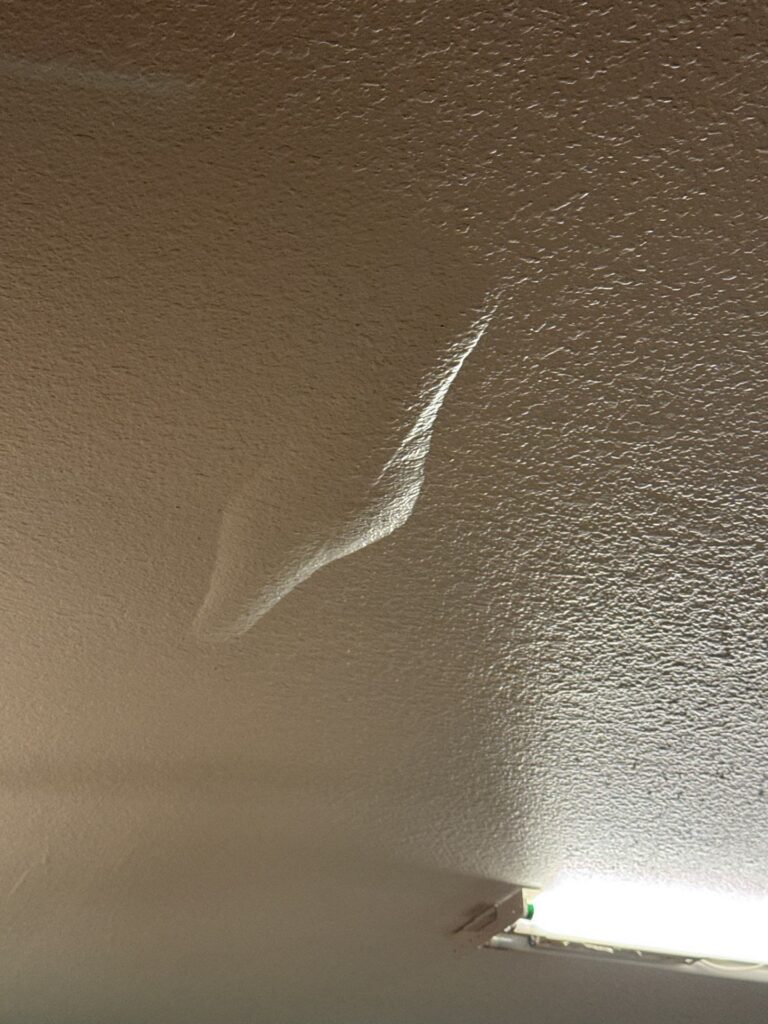
Hidden signs of water damage can be easy to overlook, especially when moisture is trapped behind walls, beneath flooring, or around trim where it isn’t immediately visible. Here in the Lowcountry, high humidity can further complicate drying and allow moisture problems to worsen quickly.
The challenge with hidden water damage is that the source and extent of the problem aren’t always obvious. Moisture can travel behind drywall, beneath flooring, around trim, and into insulation before noticeable damage appears.
Recognizing the early warning signs can help homeowners investigate a potential problem before it becomes more extensive.
This guide covers eight common signs of hidden water damage in walls, what they may indicate, and what to do if you suspect moisture is affecting your home. Whether you live in Hilton Head, Bluffton, Beaufort, or elsewhere in the surrounding Lowcountry, knowing what to watch for can help you act quickly and protect your property.
Why Hidden Water Damage Can Become a Serious Problem
Water damage doesn’t always remain near the original source. Once water enters wall cavities or reaches porous building materials, moisture can migrate beyond the area where the first visible signs appear.
Depending on the source, duration, and materials affected, prolonged moisture exposure can contribute to:
- Mold growth
- Drywall deterioration
- Swollen or warped building materials
- Ceiling damage
- Wet or compromised insulation
- Damage to flooring and trim
- Potential electrical hazards
Lowcountry humidity can make these situations particularly challenging because damp materials may take longer to dry without proper airflow and dehumidification.
Early detection matters. The sooner the moisture source and affected materials are identified, the better the opportunity to limit additional damage.
8 Hidden Signs of Water Damage in Walls
Some water losses are obvious. Others begin with small changes that are easy to overlook.
Here are eight signs that may indicate moisture is affecting your walls or surrounding building materials.
1. Bubbling or Blistering Paint
Bubbling, blistering, or peeling paint can be an early visible sign that moisture has reached the wall surface.
When drywall or another material behind the paint becomes damp, the bond between the paint and surface can weaken. The may cause raised areas, peeling edges, or blister-like pockets to develop.
What to Look For
- Raised or blistered areas of paint
- Peeling or flaking edges
- Discoloration around the affected area
- Changes in the wall’s texture
- Dampness or softness nearby
A small area of bubbling paint doesn’t necessarily show the full extent of the moisture problem. Water may have traveled beyond the visibly affected area.
Avoid puncturing or peeling the damaged area before the moisture source has been identified. A proper assessment can help determine what’s happening behind the surface.
2. Warped Door Casings, Baseboards, or Wall Surfaces
Many building materials swell or change shape when exposed to moisture.
As a result, hidden water damage may first appear as trim that no longer sits correctly or a wall surface that looks uneven.
Water for these changes around bathrooms, laundry rooms, kitchens, plumbing fixtures, exterior walls, and other areas where water intrusion is more likely.
Warning Signs
- Door casings pulling away from the wall
- Baseboard separating or swelling
- Curved or uneven drywall
- Trim that no longer sits flush
- Gaps that weren’t previously present
Warping doesn’t automatically mean there is an active leak, but unexplained changes to building materials – especially when accompanied by staining, odors, or other moisture indicators – are worth investigating.
3. Soft, Swollen, or Damage Drywall
Drywall is porous and can absorb water when exposed to a leak or other source of moisture.
Over time, affected drywall may become soft, swollen, crumbly, or discolored.
If an area of drywall feels unusually soft or spongy compared with the surrounding wall, it may have been exposed to moisture.
However, touch alone cannot determine whether the material is correctly wet or how far moisture may have traveled. Professional moisture-detection equipment can provide a more complete picture of the affected area.
Depending on the condition of the drywall and the type of water involved, some materials may be dried in place while others may require targeted removal.
Visible Mold or Unusual Surface Growth
Mold needs moisture to grow, which means unexplained visible growth can be an important clue that a moisture problem exists or has existed nearby.
Growth may appear in different colors and textures, including:
- Black
- Green
- Brown
- Blue
- White or fuzzy growth
Other moisture-related clues may include:
- Darkening or discoloration of wall surfaces
- Recurring condensation
- Damp areas
- Peeling paint or wallpaper
- Musty odors
Mold can begin developing relatively quickly when suitable moisture and environmental conditions are present. Rather than simply cleaning the visible surface, it’s important to determine why the area became damp in the first place.
Addressing the moisture source is a critical part of preventing the problem from continuing.
5. Persistent Musty or Earthy Odors
Sometimes you may smell a moisture problem before you can see one.
A persistent musty or earthy odor can indicate excess moisture or microbial growth in an area that isn’t readily visible.
Pay particular attention to odors that seem strongest in:
- Closets
- Bathrooms
- Laundry rooms
- Areas behind furniture
- Rooms with previous leaks
- Areas near baseboards or plumbing
- Spaces that remain unusually humid
A musty odor alone doesn’t identify the source or prove that materials are currently wet, but it’s a good reason to investigate further – especially when the odor persists or returns after cleaning.
6. New Nail Pops, Cracks, or Changes in Wall Surfaces
Nail pops and drywall cracks are common in homes and can occur for many reasons, including normal settling and seasonal movement.
However, sudden or unexplained changes in a wall may deserve closer attention when they appear alongside other signs of moisture.
These may include:
- Nail or screw heads becoming more visible
- New cracks near windows or doors
- Changes in drywall seams
- Cracked grout near wet areas
- Wall surfaces that appear swollen or uneven
These signs do not confirm water damage on their own. When combined with staining, bubbling paint, soft drywall, musty odors, or a known leak, they can provide another clue that the area should be evaluated.
7. An Unexpected Increase in Your Water Bill
Not every hidden water problem begins with visible wall damage.
An unexplained increase in water usage may indicate a plumbing leak somewhere in the home, including inside a wall, beneath a floor, or in another concealed area.
If you suspect a leak, turn off faucets and water-using appliances and check your water meter. If the meter continues registering water usage when nothing should be running, there may be a leak that needs further investigation.
The U.S. Environmental Protection Agency’s WaterSense program also provides guidance for homeowners on identifying and fixing common household leaks.
A plumber can help locate and repair an active plumbing leak. If water has already affected drywall, flooring, insulation, or other building materials, a water damage restoration professional can assess the resulting moisture and determine what needs to be dried or removed.
8. Water Stains or Discoloration
Yellow, brown, or dark patches on walls and ceilings are among the most recognizable signs of water intrusion.
But even a small stain can be misleading. The area where water becomes visible isn’t always where the leak originated, and the visible stain may represent only part of the affected area.
Look For
- Yellow or brown discoloration
- Ring-shaped outlines
- Drip or streak patterns
- Changes in texture
- Damp areas
- Stains that become larger after rain or water use
If a stain repeatedly returns or continues expanding, identifying the source should be a priority.
What Causes Hidden Water Damage?
Hidden water damage isn’t a one-size-fits-all situation. Water can enter wall cavities and other concealed areas from many different sources.
Common causes in Lowcountry homes include:
- Roof leaks
- Plumbing supply-line failures
- Drain or fixture leaks
- HVAC condensate problems
- Storm-driven rain
- Appliance malfunctions
- Window or exterior-envelope leaks
- Crawlspace moisture
- Previous water losses that weren’t completely dried
Homes in Hilton Head, Bluffton, Beaufort, and surrounding coastal communities also face persistent humidity, heavy rainfall, tropical weather, and other environmental conditions that can complicate moisture problems.
Finding the source is an important first step. The next is determining how far the moisture traveled and which materials were affected.
What to Do If You Suspect Water Damage in Your Walls
If something doesn’t look, smell, or feel right, don’t assume the visible area tells the whole story.
Here’s what you can do.
Step 1: Stop the Water Source When Possible
If you know the water is coming from a plumbing fixture, appliance, or supply line and it is safe to do so, shut off the affected water source.
For an uncontrolled plumbing leak, you may need to shut off the home’s main water supply and contact a plumber.
If water is near electrical outlets, fixtures, wiring, or a breaker panel, avoid entering or touching the affected area until it can be safely evaluated.
Step 2: Document the Visible Damage
Take photos or video of what you can see before moving or removing materials.
Document signs such as:
- Bubbling or peeling paint
- Warped trim
- Water stains
- Visible growth
- Damaged drywall
- Affected flooring
- The suspected source of the water
This creates a useful record of how the area looked when you first discovered the problem.
Step 3: Avoid Unnecessary DIY Demolition
Don’t assume that seeing a water stain means you need to start cutting out drywall.
Opening walls without understanding the source, extent, and type of water involved can create additional problems and may result in removing materials that could potentially have been dried.
There can also be electrical, microbial, or other safety concerns depending on the circumstances.
An assessment can help determine what is actually affected before removal decisions are made.
Step 4: Have the Area Professionally Assessed
The visible signs of water damage don’t always reveal how far moisture has traveled.
Professional moisture assessment may include moisture meters, moisture mapping, and, when appropriate, thermal imaging to help identify areas that warrant closer investigation.
Thermal imaging can help identify temperature differences that may be associated with moisture, but those findings should be verified with appropriate moisture-detection equipment.
The goal is to understand the extent of the water loss and develop a drying plan based on the actual conditions—not assumptions.
Why Professional Moisture Assessment Matters
What you can see on the surface doesn’t always show the full extent of a water loss.
Moisture can travel behind drywall, beneath flooring, into insulation, and through surrounding building materials before obvious signs appear.
PuroClean of Hilton Head uses professional moisture-detection equipment to help determine where moisture has traveled and which materials have been affected. Depending on the conditions, this may include moisture meters, moisture mapping, and thermal imaging to help identify areas that require further investigation.
Our goal is not to remove materials unnecessarily.
When affected materials can be properly dried in place, doing so may help reduce disruption and unnecessary demolition. When materials cannot be effectively dried or safely restored, targeted removal may be necessary.
If mold or suspected microbial growth is discovered, the situation should also be evaluated based on the conditions present and the source of the moisture.
Our IICRC-certified technicians understand the moisture challenges homes can face throughout Hilton Head, Bluffton, Beaufort, and the surrounding Lowcountry. From plumbing failures and HVAC-related water intrusion to roof leaks and storm damage, identifying both the source and extent of the problem is an important part of determining the appropriate next steps.
Protect Your Home Before Hidden Water Damage Spreads
Bubbling paint, warped trim, soft drywall, musty odors, unexplained staining, or an unexpected increase in water usage shouldn’t automatically cause panic—but they shouldn’t be ignored either.
The first step is finding out what’s actually happening.
Early assessment can help identify the moisture source, determine which materials have been affected, and establish whether those materials can be dried or require removal.
If you suspect hidden water damage in your Hilton Head, Bluffton, or Beaufort-area home, contact PuroClean of Hilton Head for professional water damage assessment and restoration.
PuroClean of Hilton Head | 843-949-4988 | 24/7 Emergency Response