


Laminate flooring is a favorite among Lowcountry homeowners thanks to its affordability, durability, and realistic wood-look finishes. But when bubbling, swelling, or raised edges appear, it’s more than a cosmetic issue – it’s often a sign of hidden moisture or structural concerns that need immediate attention.
In Hilton Head, Bluffton, and Beaufort, where humidity, crawlspace moisture, and storm-related leaks are common, laminate floor bubbling is something we see often. Understanding what causes it – and how to prevent it – can save you from costly repairs.
Understanding Laminate Floor Bubbling
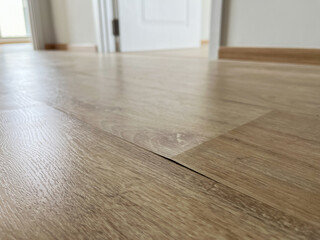
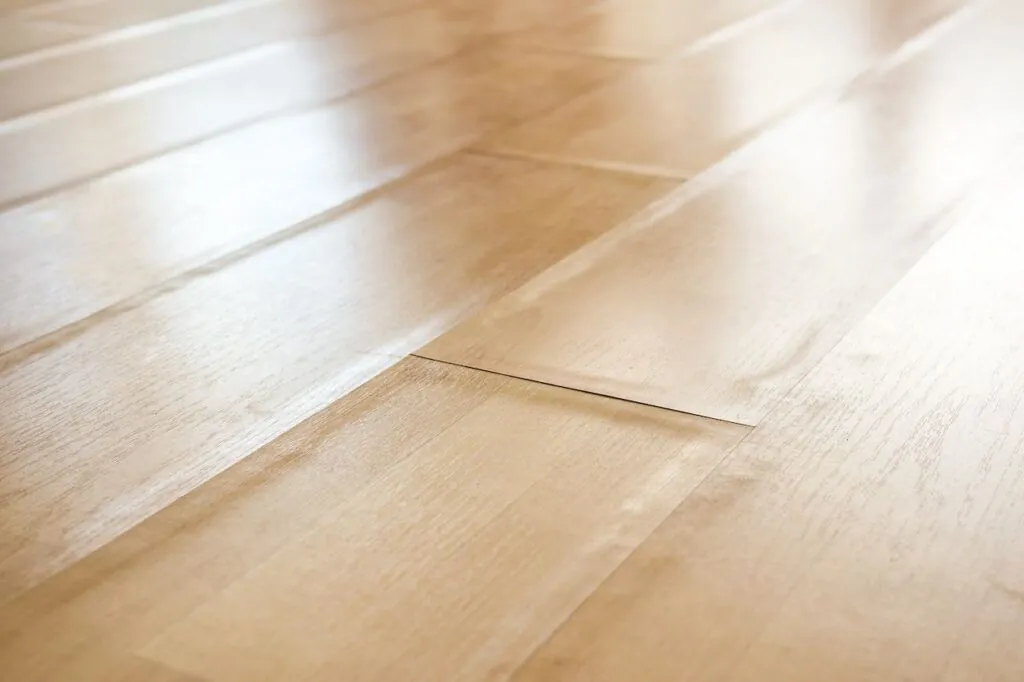
Laminate floor bubbling occurs when sections of the flooring rise, swell, or warp, creating uneven or spongy spots. This usually indicates a deeper issue beneath the surface.
The most common causes in the Lowcountry include:
- Moisture instrusion
- High humidity levels
- Improper installation
- Subfloor moisture
- Temperature swings
- Heavy furniture pressure
Each of these issues affects laminate differently, but moisture is the leading culprit in our coastal climate.
Top Causes of Laminate Floor Bubbling in the Lowcountry
1. Moisture and Water Damage
Moisture is the #1 cause of bubbling – especially in Hilton Head, Bluffton, and Beaufort, where humidity and water intrusion are constant threats.
Laminate flooring contains a high-density fiberboard (HDF) core, which swells when exposed to water. Moisture can come from:
- Slow plumbing leaks
- Refrigerator or dishwasher failures
- Stormwater intrusion
- Crawlspace humidity
- Spills that seep into seams
- High indoor humidity (common in summer)
Once the core swells, the bubbling is permanent.
2. Poor Installation Practices
Laminate must be installed with proper expansion gaps. Without them, the floor has no room to expand during humid months, causing buckling and bubbling.
Other installation mistakes include:
- Wrong underlayment
- No moisture barrier over concrete
- Flooring not acclimated before installation
- Tight edges against walls or cabinets
In the Lowcountry, skipping a vapor barrier is one of the most common installation errors we see.

The gap between the two laminate tiles indicates it was improperly installed.
3. Subfloor Issues
If the subfloor is:
- Uneven
- Damp
- Cracked
- Not properly sealed
…. It can push moisture into the laminate above it. Homes with crawlspaces, especially in Beaufort and Bluffton, are at higher risk due to naturally elevated humidity.
4. Temperature Fluctuations
Laminate expands in heat and contracts in cold. Without proper spacing, seasonal changes cause:
- Buckling
- Lifting
- Bubbles along seams
This is especially common in sunrooms, FROGs, and rooms with large windows.
5. Heavy Furniture and Impact Damage
Heavy furniture can compress laminate layers. If moisture enters afterward, bubbling worsens quickly. Dragging furniture across laminate can also crack or weaken the surface, creating vulnerable points.
How to Prevent Laminate Floor Bubbling in the Lowcountry
1. Control Moisture Levels
The EPA recommends indoor humidity between 30-50%.
In the Lowcountry, this often requires:
- Dehumidifiers
- Proper HVAC settings
- Crawlspace encapsulation
- Immediate cleanup of spills
- Fixing leaks quickly
Moisture control is the single most effective prevention method.

A dehumidifier helps remove moisture from your room, which can help your laminate floor.
2. Ensure Proper Installation
To avoid bubbling:
- Use correct underlayment
- Install vapor barriers over concrete
- Leave expansion gaps
- Allow flooring to acclimate 48-72 hours
Professional installation is strongly recommended in humid climates like ours.
3. Choose the Right Laminate
Some laminate products are water-resistant or waterproof, making them better suited for kitchens, bathrooms, laundry rooms, and entryways. When selecting laminate flooring for your Lowcountry home, it’s important to understand what “water‑resistant” and “waterproof” actually mean — and what they don’t mean.
Many homeowners assume these products can withstand major water events, but that’s not the case.
Water‑Resistant & Waterproof Laminate: What It Really Means
Water‑resistant and waterproof laminate flooring is designed to handle:
- Everyday spills
- Pet accidents
- Damp mopping
- Minor surface moisture
These products are ideal for kitchens, bathrooms, laundry rooms, and entryways because they prevent surface‑level moisture from seeping into the seams.
But Here’s the Critical Part:
Water‑resistant and waterproof laminate do NOT protect against:
- Pipe bursts
- Dishwasher or refrigerator leaks
- Washing machine failures
- Long‑term moisture exposure
- Flooding or stormwater intrusion
- Crawlspace humidity wicking up through the subfloor
Even the best waterproof laminate cannot stop the HDF core from swelling if water gets underneath the planks or sits for too long.
In the Lowcountry — where humidity, crawlspace moisture, and appliance leaks are common — this distinction is essential.
Why This Matters for Hilton Head, Bluffton & Beaufort
Once water reaches the underside of laminate flooring, bubbling, cupping, and swelling are unavoidable, regardless of the product’s rating.
This is why homeowners often see bubbling after:
- A slow leak under the sink
- A nail puncturing a pipe behind a wall
- A refrigerator line leak
- A washing machine overflow
- Stormwater intrusion during heavy rain
Water‑resistant laminate protects against spills. It does NOT protect against water damage.
If water gets beneath the flooring, professional drying is required to prevent mold growth and structural damage.
4. Protect High-Traffic Areas
Use:
- Furniture pads
- Rugs
- Door mats
- Felt sliders
Avoid dropping heavy items across the floor.

Placing a pad on your furniture helps protect your flooring.
5. Perform Regular Maintenance
Keep floors clean and dry. Avoid:
- Steam mops
- Excessive water
- Harsh chemicals
Inspect regularly for early signs ob bubbling or moisture.
What to Do If Your Laminate Floor is Already Bubbling
1. Identify the Source of Moisture
Before repairing the floor, you must stop the moisture. Common sources include:
- Appliance leaks
- Plumbing failures
- Stormwater intrusion
- Crawlspace humidity
- HVAC condensation
2. Repair or Replace Damaged Planks
Minor bubbling may flatten temporarily, but most cases require plank replacement.
If moisture remains, the bubbling will return.
3. Call a Professional
If the bubbling is widespread or moisture is suspected, professional assessment is essential. Water trapped under flooring can lead to:
- Mold Growth
- Subfloor damage
- Structural issues
This is especially true in humid coastal environments.
Experiencing Water Damage? Call PuroClean of Hilton Head Today!
If your laminate floors are bubbling, swelling, or lifting, water damage is likely the cause – and it will not fix itself.
PuroClean of Hilton Head provides:
- 24/7 emergency water damage restoration
- Moisture mapping & thermal imaging
- Crawlspace moisture assessments
- Structural drying & dehumidification
- Mold remediation if needed
Our certified technicians use advanced equipment to stop damage fast and protect your home.
Call 843-949-4988 for immediate help.
Your local Lowcountry restoration team is here when it matters most.