


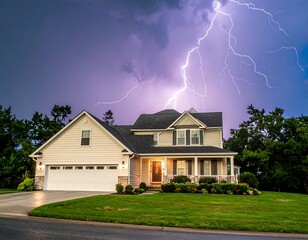
A Calm, Educational Guide for Hilton Head, Bluffton, and the Lowcountry By PuroClean of Hilton Head
Table of Contents
- Introduction
- What Happens When Lightning Strikes a Home
- Why Lightning‑Strike Fires Are Dangerous in the Lowcountry
- Signs Your Home Was Hit by Lightning
- What to Do After the Fire Is Out
- Hidden Damage You Can’t See
- How PuroClean of Hilton Head Helps
- Preventing Future Lightning Damage
- Why Homeowners Trust PuroClean
- Conclusion
Lightning Is One of the Lowcountry’s Most Overlooked Fire Threats
Living in the Lowcountry means living with storms. From warm‑season thunderstorms to tropical systems that sweep across Hilton Head, Bluffton, and Beaufort, lightning is a constant part of our coastal environment. While most homeowners worry about wind, flooding, or fallen trees, lightning is one of the most underestimated causes of residential fires.
A single bolt can reach 50,000°F, travel through a home’s electrical system, ignite attic insulation, or spark hidden flames behind walls. And because lightning‑caused fires often start in concealed spaces, homeowners may not realize anything is wrong until smoke appears hours later.
This guide explains:
- What physically happens when lightning strikes a home
- How lightning causes fires in attics, roofs, and electrical systems
- What homeowners should do immediately after the fire is out
- Why lightning‑strike fires require specialized cleanup
- How PuroClean of Hilton Head helps families recover safely and quickly
What Actually Happens When Lightning Strikes a Home
Lightning is not just a bright flash – it is a massive electrical discharge that seeks the fastest path to the ground. When it hits a home in Hilton Head, Beaufort, or Bluffton, several things happen simultaneously.
1. The Strike Creates Extreme Heat
Lightning instantly superheats the air and any material it touches. At 50,000°F, it can ignite:
- Roofing materials
- Attic insulation
- Wooden framing
- Vapor barriers
- Stored items in the attic
Even if flames don’t appear immediately, materials may smolder for hours.
2. The Electrical System Absorbs the Surge
Lightning often enters a home through:
- Power lines
- Cable lines
- Metal gutters
- Plumbing
- Grounding rods
- Appliances
This surge can overload circuits, melt wiring, or cause sparks behind walls – a major cause of hidden fires.
3. Shockwaves Damage Structural Components
A lightning strike creates a shockwave similar to a small explosion. This can:
- Crack drywall
- Damage roof decking
- Blow apart attic beams
- Shatter bricks or chimney structures
Even if the fire is small, the structural damage may be significant.
4. Fire Often Starts in Hidden Spaces
Most lightning-caused fires begin in:
Attics Roof cavities
Behind walls
Inside electrical panels
These are out of sight, which means the fire may grow before anyone notices.
Why Lightning-Strike Fires Are So Dangerous in the Lowcountry
Hilton Head, Bluffton, and Beaufort homes face unique risks due to:
1. High Humidity and Salt Air
Salt-laden air accelerates corrosion in electrical systems, making wiring more vulnerable to lightning surges.
2. Tall Pines and Live Oaks
Trees near homes can attract lightning, which then jumps “side flashes” into the structure.
3. Elevated Homes and Rooflines
Many Lowcountry homes sit on raised foundations or have tall rooflines, increasing exposure.
4. Frequent Thunderstorms
The Lowcountry experiences more than 50 thunderstorms days per year, increasing the likelihood of lightning-related damage.
For additional guidance on lightning behavior and safety, the National Weather Service provides clear, science‑based information for homeowners.
Signs Your Home Has Been Hit by Lightning
Even if you didn’t see the strike, these signs indicate a possible lightning impact:
- Sudden loss of power
- Burn marks on walls or outlets
- A loud explosive sound
- Smell of smoke in the attic
- Damaged electronics
- Tripped breakers
- Roof shingles blown off
- Cracks in brick or stucco
If any of these occur during a storm, assume lightning may have struck and take immediate action.
What to Do Immediately After a Lightning-Strike Fire
Once the fire department has extinguished the flames, homeowners often feel overwhelmed. Lightning-strike fires are different from typical house fires because they involve:
- Electrical damage
- Structural damage
- Water damage from firefighting
- Smoke and soot throughout the home
- Hidden smoldering areas
Here is the correct step-by-step process to follow.
Step 1: Ensure Everyone Is Safe
Even after the fire is out, the home may still be unsafe due to:
- Live electrical hazards
- Structural instability
- Hot spots that can reignite
- Toxic smoke residue
Do not re-enter the home until the fire department gives permission.
Step 2: Contact Your Insurance Company
Lightning-strike fires are typically covered under standard homeowners insurance. Provide:
- The fire report
- Photos of damage
- A list of affected areas
PuroClean of Hilton Head works directly with insurance carriers to streamline the claims process.
Step 3: Call a Professional Restoration Company Immediately
Lightning-strike fires require specialized cleanup because:
- Water from firefighting can cause mold within 24-48 hours
- Soot from electrical fires is corrosive
- Smoke odor penetrates deeply into materials
- Structural components may be weakened
PuroClean of Hilton Head responds quickly to prevent secondary damage.
Step 4: Do Not Attempt DIY Cleanup
Lightning-strike fires often involve:
- Toxic soot
- Damaged wiring
- Wet insulation
- Structural instability
DIY cleanup can be dangerous and may void insurance coverage.
Step 5: Document Everything
Take photos and videos of:
- Burned areas
- Damaged belongings
- Water-affected rooms
- Soot patterns
This document helps with insurance claims and restoration planning.
The Hidden Damage Homeowners Don’t See
Lightning-strike fires often cause damage that is not visible during the initial inspection.
1. Electrical System Damage
Lightning can melt wiring inside walls, even far from the strike point. This creates:
- Fire hazards
- Power instability
- Risk of future electrical fires
A licensed electrician must evaluate the entire system.
2. Structural Weakness
Shockwaves can loosen:
- Roof trusses
- Attic beams
- Chimney structures
- Exterior siding
These issues may not be obvious until restoration begins.
3. Water Damage and Mold
Firefighting water saturates:
- Insulation
- Drywall
- Flooring
- Subflooring
Within 24-48 hours, mold can begin to grow – especially in Hilton Head’s humid climate.
4. Smoke and Soot Damage
Lightning-strike fires often produce:
- Thick black soot
- Electrical fire residue
- Strong odors
- Corrosive particles
This soot can damage electronics, HVAC systems, and personal belongings.
How PuroClean of Hilton Head Helps After a Lightning-Strike Fire
PuroClean of Hilton Head specializes in lightning-strike fire restoration, combining fire, smoke, water, and structural recovery into one coordinated process.
Here’s how we help homeowners in Hilton Head, Bluffton, Beaufort, and the surrounding Lowcountry communities.
1. Emergency Response and Damage Assessment
Our Team arrives quickly to:
- Assess fire, smoke, and water damage
- Identify hidden hazards
- Determine structural safety
- Locate smoldering hot spots
We provide a clear, calm explanation of what happened and what needs to be done next.
2. Water Extraction and Drying
Firefighting water can cause more damage than the fire itself. We use:
- industrial water extractors
- High-capacity dehumidifiers
- Air movers
- Moisture meters
This prevents mold growth and structural deterioration.
3. Smoke and Soot Removal
Lightning-strike fires often produce corrosive soot. We use:
- HEPA filtration
- Specialized cleaning agents
- HVAC system cleaning
- Odor-neutralizing treatments
This restores indoor air quality and protects your belongings.
4. Structural Cleaning and Repair Coordination
We remove:
- Burned materials
- Damaged insulation
- Compromised drywall
- Charred framing
We also coordinate with contractors for repairs, ensuring the home is safe and structurally sound.
5. Content Cleaning and Restoration
We help salvage:
- Furniture
- Clothing
- Electronics
- Sentimental items
Our goal is to restore, not replace, whenever possible.
6. Insurance Coordination
We work directly with insurance carriers to:
- Document damage
- Provide estimates
- Communicate restoration progress
- Ensure coverage is maximized
This reduces stress for homeowners during an already overwhelming time.
Preventing Lightning-Strike Damage in the Future
While no system can prevent lightning entirely, homeowners can reduce risk with:
- Whole-home surge protection
- Lightning rods and grounding systems
- Annual electrical inspections
- Tree trimming near rooflines
- Surge-protected power strips
These measure help protect both the home and its electrical systems.
Why Hilton Head Homeowners Trust PuroClean of Hilton Head
PuroClean of Hilton Head is known for:
- Fast response times
- Compassionate, calm communication
- Advanced restoration technology
- Local knowledge of Lowcountry storm patterns
- Experience with lightning-related fires
- Insurance-friendly processes
We understand the emotional impact a fire and guide homeowners through every step with clarity and care.
A Lightning Strike is Traumatic – But Recovery Doesn’t Have to Be
Lightning-strike fires are sudden, destructive, and emotionally overwhelming. But with the right team, the path to recovery becomes clear and manageable.
PuroClean of Hilton Head helps homeowners:
- Understand what happened
- Address hidden damage
- Restore their home safely
- Navigate insurance
- Prevent future risks
When lightning strikes, you don’t have to face the aftermath alone. PuroClean of Hilton Head is here to help your rebuild with confidence, clarity, and care.