


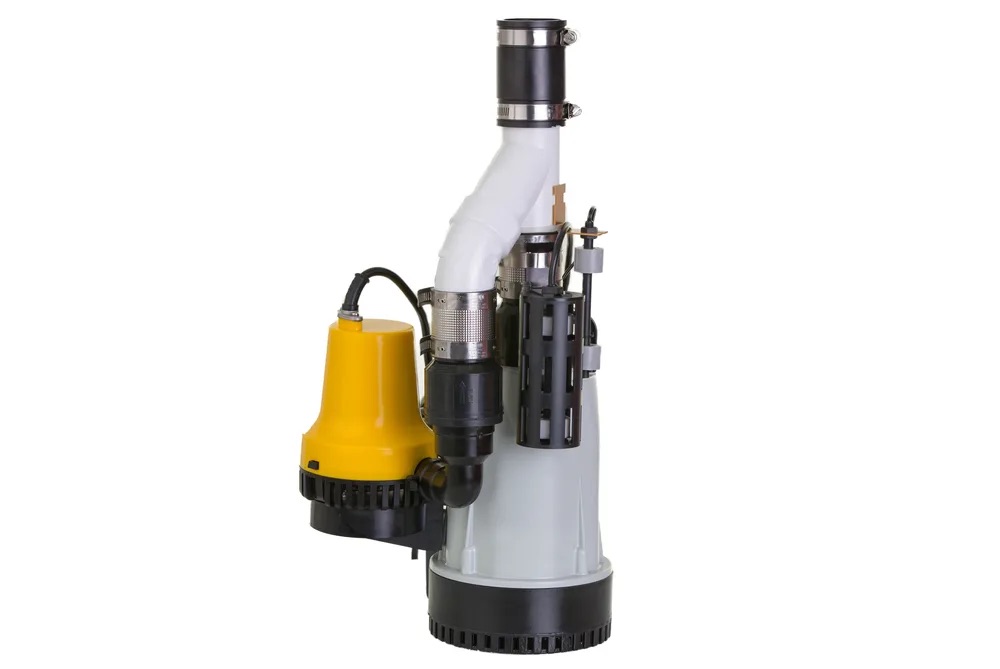
A sump pump is one of the most important flood‑prevention tools in any Lowcountry home, quietly protecting your property from the constant moisture challenges that come with living in Hilton Head, Bluffton, Beaufort, and the surrounding coastal communities. Between heavy seasonal rains, rising groundwater, and the region’s naturally humid climate, basements and crawlspaces are always at risk of water intrusion.
When your sump pump system is properly maintained, it works behind the scenes to keep your home dry, prevent mold growth, and safeguard your foundation. But when maintenance is overlooked — even unintentionally — this small device can fail at the worst possible moment, leading to costly repairs, structural damage, and stressful cleanup. Understanding how your system works, and the mistakes that commonly cause it to break down, is the key to keeping your home protected year‑round.
Why Your Sump Pump System Matters in the Lowcountry
The Lowcountry’s climate creates ideal conditions for moisture problems:
- Frequent storms
- High humidity
- Saturated soil
- Seasonal flooding
Your sump pump is designed to redirect groundwater and stormwater away from your home. When it works properly, it prevents:
- Basement flooding
- Crawlspace moisture
- Mold growth
- Structural deterioration
But when it fails — often due to preventable maintenance mistakes — the damage can be extensive.
Understanding Your Sump Pump System
Before diving into maintenance mistakes, it helps to understand the two main types of systems used in homes:
Submersible Units
Installed below the floor, inside the pit. They are quieter, more efficient, and ideal for homes with frequent water intrusion.
Pedestal Units
Mounted above the basin, with the motor sitting outside the pit. They are easier to access but slightly louder.
Both types work by pumping groundwater or floodwater away from your home and into storm drains or designated drainage areas.
12 Common Maintenance Mistakes That Lead to Failure
Below are the most frequent mistakes homeowners make — and how to prevent them.
1. DIY Installation
Improper installation can lead to:
- Faulty drainage
- Electrical hazards
- System failure
- Basement flooding
If you’ve never installed one before, avoid the temptation to DIY. A professional ensures proper placement, secure connections, and safe electrical setup.
2. No Backup Power Source
During major storms — when your water‑removal device is needed most — power outages are common. Without backup power, your system shuts off.
Backup options include:
- Battery backup systems
- Generators
- Dedicated secondary units
A backup ensures your system continues working even when the lights go out.
3. Ignoring Power Source Issues
Even with backup power, your system can fail if:
- The outlet is faulty
- The breaker trips
- The battery is depleted
- The wiring is loose
Regularly test your outlet, backup battery, and electrical connections.
4. Not Testing the System Regularly
Your basement protection unit should be tested twice a year — ideally before spring and fall.
How to test:
- Slowly pour water into the pit.
- Watch for the float to rise.
- Ensure the system activates and drains water quickly.
- Check for unusual noises or slow drainage.
If drainage is slow, inspect the discharge pipe or pump for clogs.
5. Ignoring the Discharge Pipe
A clogged or damaged discharge pipe prevents water from leaving your home, causing:
- Slow drainage
- Overworking the motor
- Basement flooding
Check for:
- Loose connections
- Cracks
- Ice buildup in winter
- Debris blockages
- Pipes draining too close to the foundation
Your discharge pipe should carry water far away from your home.
6. Letting Debris Enter the Sump Pump
Debris like gravel, silt, or dirt can get sucked into the motor, causing damage.
Prevent debris issues by:
- Placing the unit on flat bricks
- Using filter fabric around the basin
- Keeping the pit clean
- Ensuring the float has room to move freely
A clogged motor can burn out quickly — often without warning.
7. Ignoring the Float Switch
The float switch tells the system when to turn on and off. If it gets stuck:
- The motor may run continuously
- The system may never activate
- The motor may burn out
Make sure the float has ample space to rise and fall without obstruction.
8. Unplugging the Sump Pump System
This is one of the most common — and most dangerous — mistakes.
If someone unplugs the sump pump and forgets to reconnect it, your basement is left unprotected. Label the outlet and avoid unplugging unless absolutely necessary.
9. Covering or Blocking the Basin
Homeowners often forget where the basin is located and accidentally stack boxes or storage bins on top of it.
This can:
- Damage the system
- Block access
- Prevent proper ventilation
- Interfere with the float switch
Always keep the area around your system clear.
10. Neglecting Regular Inspections for Your Sump Pump
Your sump pump device should be inspected every few months to catch:
- Mechanical failures
- Debris buildup
- Electrical issues
- Float problems
- Discharge pipe clogs
Routine inspections prevent small issues from becoming major failures.
11. Not Testing the Check Valve
The check valve prevents water from flowing back into the pit after pumping.
If it fails:
- Water re-enters the pit
- The system cycles unnecessarily
- The motor wears out faster
Test the check valve regularly.
12. Skipping Lubrication
Some systems require lubrication to keep moving parts functioning smoothly.
Skipping lubrication can lead to:
- Increased friction
- Overheating
- Premature wear
- Motor failure
Always follow the manufacturer’s recommendations.
The Full Maintenance Routine for Your Sump Pump System
To keep your system performing at its best, follow this routine:
1. Inspect the pit
Remove debris and ensure the unit sits level.
2. Test the system
Pour water into the pit and watch for proper activation.
3. Check the float switch
Ensure it moves freely.
4. Inspect the discharge pipe
Look for cracks, clogs, or improper drainage direction.
5. Test backup power
Verify battery or generator functionality.
6. Clean the intake
Remove debris that could clog the motor.
7. Lubricate moving parts
If required.
8. Schedule professional inspections
Twice a year — especially in the Lowcountry climate.
Why Professional Help Matters — Especially in the Lowcountry
Moisture issues often hide beneath the surface. Professional technicians use:
- Moisture meters
- Thermal imaging
- Electrical testing
- Flow rate diagnostics
- Structural assessments
This ensures your system — and your home — stay protected.
Sump Pump Failure & Flooding: Trust PuroClean of Hilton Head for Rapid Water Damage restoration
When a sump pump fails or your basement floods, the water that enters your home can spread quickly and saturate building materials before you even realize the extent of the damage. Moisture can seep into drywall, insulation, flooring, framing, and crawlspaces – once these materials absorb water, they become vulnerable to structural deterioration and mold growth with 24 to 48 hours. In the Lowcountry, where humidity is already high, this process accelerates even faster, making immediate action essential.
That’s why PuroClean of Hilton Head is ready to respond the moment you need help. Our IICRC-certified technicians begin with a detailed water damage assessment to identify exactly where moisture has traveled and how deeply it has penetrated your home’s structure. From there, we use professional-grade extraction equipment to remove standing water quickly and safely, preventing further spread into adjacent rooms or lower levels.
Once the water is removed, our team performs precise moisture mapping to locate hidden pockets of saturation behind walls, under flooring, inside cabinets, and throughout crawlspaces. These areas often remain wet long after visible water is gone, and without proper drying, they can lead to long-term structural issues and mold contamination. To prevent this, we use advanced structural drying systems designed to restore materials efficiently without causing additional damage.
If mold is already present – or conditions make mold likely – our certified specialists provide full mold removal & remediation to eliminate growth safely and restore healthy indoor air quality. Crawlspaces, which are especially vulnerable in Hilton Head and Bluffton due to moisture and soil conditions, receive targeted drying and treatment to prevent recurring issues.
Every step of the process is supported by industry‑leading tools such as thermal imaging cameras, moisture meters, HEPA filtration, and antimicrobial treatments. These technologies allow us to identify hidden moisture, remove contaminants, and restore your home with precision and care.
If your sump pump has failed or your basement has flooded, PuroClean of Hilton Head is here to help. Call us at 843‑949‑4988 for fast, trusted, local service when water threatens your home.