


A Guide for Hilton Head, Bluffton, and Lowcountry Property Owners
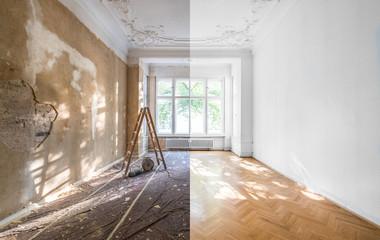
When a flood, fire, or other property disaster strikes, uncertainty sets in fast. Many home and business owners wonder whether they truly need a professional restoration company – or if a general contractor or DIY approach will do. The truth is that improper or delayed restoration can lead to long-term structural damage, health risks, and significantly higher repair costs.
Hiring a qualified restoration company ensure your property is restored correctly, safely, and efficiently. Below, we break down when and why a restoration company is necessary, the services they provide, and how to choose the right team after property damage.
What Does a Restoration Company Do?
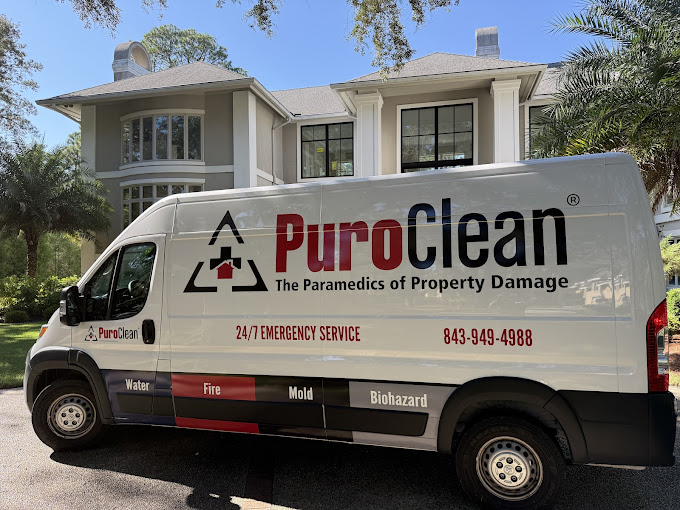
A restoration company specializes in returning homes and business to their pre-loss condition after damage caused by:
- Water
- Fire and smoke
- Mold
- Biohazards
- Storms or other disasters
Upon arrival, trained technicians assess the situation, identify safety risks, and begin immediate mitigation to prevent further damage.
Typical Restoration Services Include:
- Structural drying and moisture removal
- smoke and odor elimination
- Mold remediation and containment
- Biohazard cleanup and sanitization
- Selective demolition and reconstruction
- Contents cleaning, pack-out, and storage
- Coordination with insurance providers
Unlike general contractors, restoration professionals are trained to handle time-sensitive, hazardous, and regulated situations using specialized equipment and industry-approved protocols.
Common Types of Property Damage That Require Restoration
Property damage can occur in many ways, but four categories almost always require a professional restoration company:
- Water damage
- Fire and smoke damage
- Mold remediation
- Biohazards cleanup
Below is a breakdown of why each requires certified professionals – especially in the humid Lowcountry climate.
Water Damage Restoration

In the Lowcountry, water damage is one of the most common emergencies. Whether caused by storms, plumbing failures, appliance leaks, or roof issues, time is critical. Mold can begin growing within 24-48 hours, and moisture trapped in walls or flooring can cause permanent structural damage.
PuroClean of Hilton Head responds quickly with advanced drying equipment, moisture meters, and thermal imaging to:
Extract standing water
Dry affected materials
Prevent mold growth
Restore damaged areas
A fast response can be the difference between a simple drying job and a major reconstruction project.
Fire and Smoke Damage Restoration

After a fire, the damage goes far beyond what you can see. Smoke residues, soot, and lingering odors can be toxic and corrosive. Household items may be salvageable, but only if handled by trained professionals.
PuroClean of Hilton Head uses:
- HEPA air scrubbers
- Odor-neutralizing technology
- Specialized cleaning agents
- Safety protocols for electrical hazards
Never attempt to handle electrical components or smoke-damaged materials yourself – the risks of shock, contamination, or secondary fires are high.
Mold Remediation
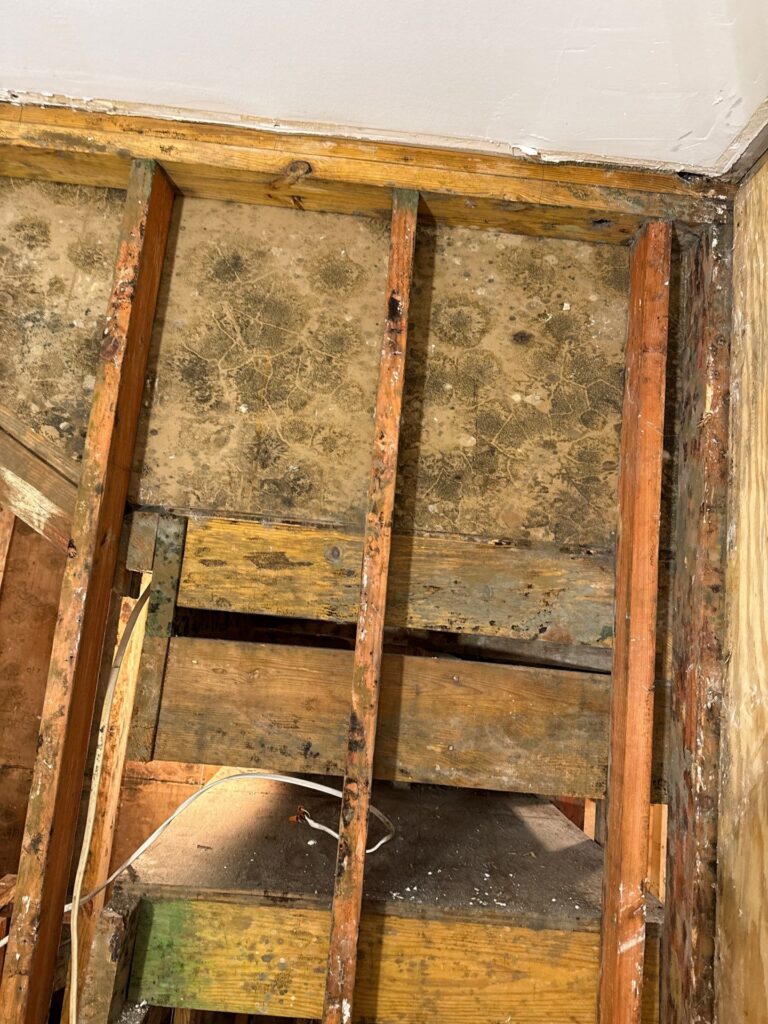
Mold is a serious health and structural threat, especially in coastal South Carolina’s humid climate. Even when mold isn’t visible, it can still spread behind walls, under flooring or inside HVAC systems.
Professional mold remediation includes:
- Locating hidden mold using advanced detection tools
- Containing affected areas
- Removing contaminated materials
- Cleaning and sanitizing surfaces
- Preventing regrowth
PuroClean of Hilton Head’s IICRC-certified technicians follow strict industry standards to ensure your property is safe and mold-free.
Biohazard Cleanup
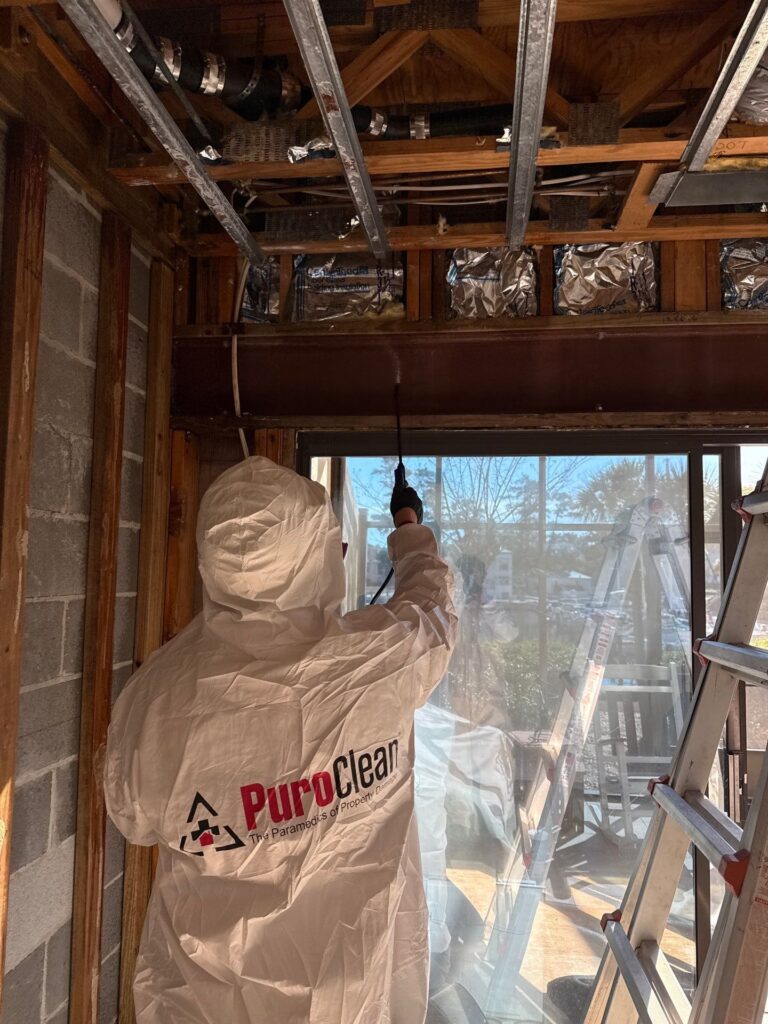
Biohazards cleanup involves the safe removal and disposal of hazardous biological materials, including:
- Blood
- Bodily fluids
- Sewage backups
- Hoarding conditions
- Unattended deaths
- Crime scenes
These situations require specialized PPE, cleaning agents, and regulatory compliance. PuroClean technicians follow strict protocols to restore the affected area safely and discreetly.
When Should I Contact a Restoration Company?
You should contact a restoration company immediately after:
- Water intrusion
- Fire or smoke damage
- Visible or suspected mold
- Sewage or biohazard contamination
- Storm or structural damage
Attempting DIY cleanup can expose you to health risks, hidden moisture, electrical hazards, and long-term structural issues.
A reputable restoration company provides:
- 24/7 emergency response
- Fast mitigation to prevent secondary damage
- Insurance claim assistance
- Certified, trained technicians
Scenarios: When you Need a Restoration Company vs. DIY or a Contractor
Scenario 1: Minor, Surface-Level Issue (DIY May be Enough)
- small spill caught immediately
- No water instruction into walls or flooring
- No odors, mold, or contamination
Best option: DIY cleanup and monitoring
Scenario 2: Visible Structural or System damage (Restoration Company Needed)
- Standing water or soaked building materials
- Smoke odor after a fire
- Hail, wind, or storm damage allowing water intrustion
- Example: Flooding after a storm
Best option: Professional restoration company for mitigation and drying.
Scenario 3: Hidden or Delayed Damage (Restoration Company Required)
- Moisture behind walls or under flooring
- Lingering odors after fire or water damage
- Mold suspected but not visible
- Example: Leak discovered days later with musty smells
Best option: Restoration company with moisture detection equipment.
scenario 4: Health or Safety Risk (Restoration Company Required)
- Mold growth
- Sewage backups
- Biohazard contamination
- Example: Sewage spill in a bathroom
Best option: Certified restoration professionals only.
Scenario 5: Post Mitigation Repairs (Restoration Company or General Contractor)
- Dry, safe structure after mitigation
- Cosmetic or rebuild work only
- Example: Replacing drywall after water damage is fully dried
Best option: General contractor (often coordinated by the restoration company).
Key Takeaways for Lowcountry Property Owners
- Professional restoration is essential for water, fire, mold, or biohazard damage.
- Restoration companies prevent secondary damage and restore properties safety.
- Fast response matters, especially in the humid Lowcountry climate.
- Certified technicians ensure work meets industry standards.
- Insurance assistance reduces stress and avoids costly mistakes.
- Avoid scams – choose licensed, insured, IICRC-certified professionals.
- 24/7 emergency services ensure help is available when you need it most.
FAQs
When should I call a restoration company?
Immediately after water intrusion, fire damage, visible or suspected mold, or biohazard contamination.
Can a general contractor handle restoration work?
No. Contractors are not trained for hazardous or time-sensitive mitigation.
How fast can mold grow?
Within 24-48 hours, especially in the Lowcountry’s humidity.
Will a restoration company work with. my insurance provider?
Yes, most restoration companies assist with documentation and adjuster communication.
How do I know if a restoration company is reputable?
Look for licensing, insurance, IICRC certification, 24/7 availability, and strong local reviews.