


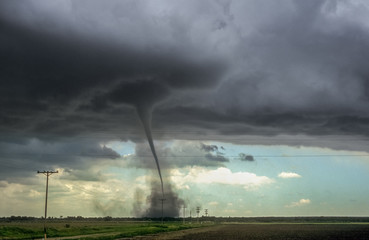
Tornadoes are fast-moving, destructive, and capable of changing lives in minutes. Even though the Lowcountry is better known for hurricanes and flooding, tornado activity is more common than many residents realize. Sudden rotating thunderstorms, waterspouts that come ashore, and tropical systems passing through Hilton Head, Bluffton, and Beaufort can all create conditions that lead to a tornado warning with little notice.
Understanding how to stay safe during a tornado is one of the most important steps you can take to protect your family and your home. Across the United States, an average of 1,000 tornadoes occur each year, causing injuries, property damage, and long-term disruption. In coastal South Carolina, tornadoes often form quickly, are rain-wrapped, and may be difficult to see – making preparation essential.
This comprehensive guide explains how to stay safe before, during, and after a tornado, with practical steps tailored to the Lowcountry’s unique environment. Whether you’re a full-time resident or a second-home owner, these strategies will help you stay ready, informed, and protected.
Understanding Tornado Risk in the Hilton Head, Bluffton, and Beaufort
South Carolina ranks among the top states for dangerous wind events, especially during warm months and tropical weather patterns. The Lowcountry experiences:
- Rotating thunderstorms
- Waterspouts that transition into tornadoes once they reach land
- Fast-forming cells during hurricane season
- Sudden warnings triggered by severe wind event
Because tornadoes can develop with little notice, staying alert is critical. Common warning signs include:
- Rotating or lowering clouds
- Whirling dust or debris at ground level
- a sudden stillness in the air
- A loud, continuous roar similar to a freight train
Recognizing these signs early can help you take shelter quickly.
Before: How to Prepare Effectively
Preparation is your strongest defensive. Taking action before a tornado forms can significantly reduce risk and improve your family’s safety.
Know Your Community’s Risk
The Lowcountry’s geography makes it vulnerable to:
- Waterspouts moving inland
- Severe thunderstorms with rotation
- Tornadoes spawned by tropical storms and hurricanes
Check local emergency management resources and stay familiar with designated shelter locations. To find official shelter locations across South Carolina during a dangerous wind event, visit the South Carolina Emergency Shelter Directory.
Create a Family Disaster Plan
Every household should have a clear plan that includes:
- A designated safe room (interior, windowless, lowest level)
- A communication plan with an out-of-state contact
- A reunification location if family members become separated
- A plan for pets, including carriers and leashes, and emergency supplies
Practice a tornado drill at least once a year to ensure everyone knows what to do.
Build a Three-Day Emergency Kit
Your emergency kit should include:
- Bottled water
- Nonperishable food
- Flashlights and batteries
- First-aid supplies
- Medications
- Battery-powered NOAA Weather Radio
- Important documents stored in waterproof containers
If you don’t have time to prepare fully, keep a smaller “grab-and-go” kit accessible.
Understanding Alerts
Tornado Watch: Conditions are favorable for tornado formation. Stay alert.
Tornado Warning: A tornado has been spotted or detected by radar. Take shelter immediately.
Protect Your Home Before
Simple home-hardening steps can reduce damage:
- Bring outdoor items inside (furniture, girls, decor)
- Trim trees and shrubs to reduce windborne debris
- Reinforce garage doors
- Install permanent storm shutters
- Secure loose yard items
- Move valuables to interior rooms or lower shelves
These actions help minimize hazards and protect your property.
How to Stay Safe During a Wind Event
When a tornado warning is issued, seconds matter. Follow these steps based on where you are when the storm hits.
If You’re at Home
- Go to the lowest level of your home – basement if available.
- If no basement exists, choose an interior room with no windows (bathrooms, closet, hallway).
- Avoid exterior walls and rooms with large windows.
- Get under sturdy furniture, such as a heavy table.
- Protect your head and neck with your arms, pillows, or blankets.
If You’re in a Mobile Home
Mobile homes are extremely vulnerable during tornadoes. Even tied-down units can be destroyed.
- Leave immediately and go to a designated tornado shelter or nearby sturdy building.
- Do not remain inside the mobile home under any circumstances.
If You’re in a High-Rise, Office, or Hospital
- Avoid elevators.
- Move to interior hallways or rooms on lower floors.
- Stay away from windows and glass.
If You’re in a Vehicle or Outdoors
- Never try to outrun a tornado in a car.
- Exit the vehicle and seek shelter in a sturdy building.
- Do not shelter under bridges or overpasses – wind speeds increase in these areas.
- If no shelter is available, lie flat in a low area, cover your head, and protect your body with a coat or blanket.
Stay Informed During the Dangerous Wind Event
Use reliable alert systems such as:
- NOAA Weather Radio
- Local emergency notifications
- Official city and county social media channels
These provide real-time updates and instructions.
After the Wind Event: Staying Safe During Recovery
Even after the tornado passes, hazards remain. Use caution during cleanup and recovery.
Avoid Dangerous Areas
- Stay away from fallen power lines, damaged buildings, and unstable structures.
- Watch for broken glass, sharp debris, and exposed nails.
- Do not enter your home until authorities confirm it is safe.
Communicate and Check on Loved Ones
- Let family members know you are safe.
- Check on neighbors, especially elderly or vulnerable individuals.
- Continue monitoring weather updates for additional storms.
If You Are Trapped
- Cover your mouth with a cloth or mask to avoid inhaling dust.
- Avoid shouting – conserve energy and reduce dust intake.
- Tap on pipes, walls, or use a whistle to signal for help.
- Send a text message if your phone is operational.
Use Safe Lighting
- Do not use candles, matches, or lighters – gas leaks may be present.
- Use battery-powered flashlights instead.
Wear Protective Gear During Cleanup
- Thick-soled shoes
- Work gloves
- Long pants
- Eye protection
These reduce injury from debris.
When to Call PuroClean of Hilton Head After a Tornado
Tornadoes often cause secondary damage beyond structural impact. If your home experiences:
- Water intrusion from roof damage
- Flooding from heavy rain
- Mold growth due to moisture
- Biohazard contamination from debris or sewage
PuroClean of Hilton Head is available 24/7 to help restore your property safely and efficiently.
PuroClean of Hilton Head offers:
Our trained technicians respond quickly, assess the damage, and begin restoration to help return your home to pre-loss condition.
Your Local Tornado Safety Partner
Tornadoes can strike with little warning, but preparation and quick action can save lives. Whether you’re in Hilton Head Island, Bluffton, or Beaufort, staying informed and having a clear plan ensures your family is ready to any severe weather event.
If your home is damaged during a tornado, PuroClean of Hilton Head is here to help. Our team provides compassionate, expert restoration services when you need them most. Call us anytime – day or night – for emergency assistance.