


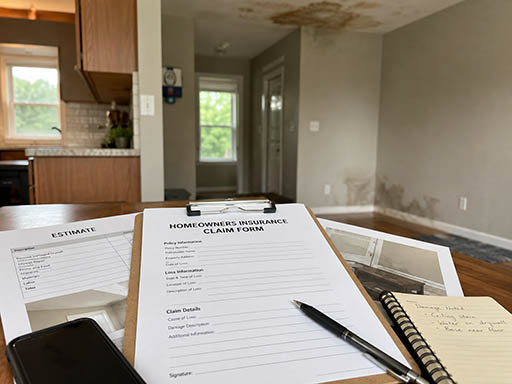
What Ohio Homeowners Should Know Before They Decide to File an Insurance Claim
Few things create more stress than discovering water damage, a fire, mold growth, or another unexpected disaster in your home.
In Ohio, especially across the Dayton and Cincinnati metro areas, we have seen homes damaged by severe thunderstorms, flash flooding, tornadoes, burst pipes, frozen plumbing, kitchen fires, sewage backups, and mold caused by hidden moisture.
Knowing what your homeowners insurance covers and taking action quickly can help limit further damage and make the claims process easier.
For many homeowners, the very first question is:
Should I File a Homeowners Insurance Claim for Property Damage?
The answer isn’t always as simple as “yes.” It depends on several factors, including the cause of the damage, the estimated repair cost, your deductible, and whether the loss is covered by your policy.
However, if the repair cost is less than your deductible or if the repair is not covered by your insurance, consider self-pay.
At PuroClean Emergency Services, our role is to help you understand your options so you can make an informed decision.
Start by Protecting Your Property
Before worrying about insurance, your first priority should always be preventing additional damage.
Whether it’s a burst pipe, overflowing toilet, sump pump failure, fire, or sewage backup, delaying emergency mitigation almost always makes the damage worse—and more expensive.
Immediate action can often:
- Reduce repair costs
- Prevent mold growth
- Protect personal belongings
- Help support your insurance claim if one is filed later
Emergency Action Steps
- If it’s safe to do so, stop the source of the damage, like shutting off the water or electricity if needed.
- Take photos of the affected areas.
- Move personal belongings to a safe location when possible.
- Contact a professional restoration company to help prevent additional damage.
Common Property Damage Situations
Every insurance claim is different, but these general guidelines can help you decide whether filing a claim is worth exploring.
| Situation | Consider Filing a Claim | Why |
| Repairs below deductible | Usually no | Insurance may pay little or nothing |
| Major fire damage | Usually yes | Significant structural damage |
| Burst pipe with structural damage | Usually yes | Damage often exceeds deductible |
| Minor ceiling leak | Maybe | Depends on repair cost and cause |
| Storm damage affecting roof | Maybe | Repairs can be expensive but older roofs may have limited coverage |
| Unsure about extent of damage | Get a professional inspection first | Hidden damage may change the decision |
Consider Your Deductible
Understanding your deductible is one of the most important steps in deciding whether filing a claim makes financial sense.
A deductible is the portion of a covered loss the homeowner is responsible for paying. You will not receive an insurance payment for a covered loss until the loss amount exceeds your deductible.
Homeowners insurance deductibles have increased significantly over the past several years.
Many policies now have deductibles of:
- $1,000
- $2,500
- $5,000
- Even higher in some cases
If the total damage is only slightly above your deductible, filing a claim may provide little financial benefit.
Example 1 – A burst pipe causes $15,000 in damage with a $2,500 deductible. Filing a claim likely makes sense.
Example 2 – A small kitchen leak causes $2,200 in repairs with a $2,500 deductible. You will receive no insurance funds and paying out of pocket is required. You should not file a claim.
Example 3 – Hidden water damage turns out to be far more extensive than expected. A professional inspection reveals repairs well above the deductible, changing the decision.
However, hidden water damage may not be covered, so speaking with your insurance agent prior to filing a claim is recommended.
Every situation is different, but it’s worth understanding what your deductible means before making a decision.
Think Beyond Today’s Repair Bill
Many homeowners don’t realize that insurance companies review your claims history. While every carrier evaluates risk differently, multiple claims over several years may affect:
- Future premiums
- Policy renewals
- Eligibility for certain carriers
- Discounts you currently receive
If you do have a legitimate claim, you should file. The purpose of homeowners insurance is to help protect you from major financial losses.
If the damage is relatively minor and affordable to repair, some homeowners choose to pay out of pocket to preserve their claims history.
Not Every Loss Is Covered
Many homeowners are surprised to learn that some types of damage may have limited coverage—or no coverage at all.
Examples can include:
- Long-term leaks
- Deferred maintenance
- Gradual deterioration
- Most mold situations (in our Ohio market, mold is seldom covered unless you have specifically purchased mold coverage, and then it has limits)
- Flooding from rising water (unless flood insurance has been purchased)
Coverage depends on your policy, endorsements, exclusions, policy limits, and the cause of loss.
Because policies and endorsements vary, Ohio homeowners should review their declarations page and speak with their insurance agent about exclusions, deductibles, and optional coverage.
Should You Call a Restoration Company Before Filing a Claim?
In many situations, yes. Call a restoration company. An experienced, IICRC-certified restoration company can:
- Assess the damage
- Help determine how extensive the problem is
- Explain what emergency mitigation is needed
- Provide a good-faith estimate when appropriate
- Help you understand what questions to ask your insurance agent
This information allows you to make decisions based on facts rather than assumptions. If the damage appears significant, we often recommend notifying your insurance company promptly.
If the loss is relatively minor, we’ll explain your options so you can decide what’s best for your situation.
We Work With Both Insurance and Self-Pay Customers
Many people assume restoration companies only perform insurance work. That’s simply not true.
At PuroClean Emergency Services, we regularly help homeowners who choose to:
- File an insurance claim
- Pay out of pocket
- Start as self-pay and later decide to involve insurance
Every situation is unique. Our job is to restore your property and peace of mind, not pressure you into filing a claim.
Questions to Ask Before Filing a Claim
Before contacting your insurance company, consider asking yourself:
- What is my deductible?
- Approximately how much damage is there?
- Is the damage likely to exceed my deductible?
- Is the cause of damage typically covered?
- Can additional damage be prevented immediately?
- Would an inspection by a restoration professional help me understand the situation better?
Having answers to these questions can make your conversation with your insurance company much more productive.
Our Recommendation About Filing a Claim
If you’re unsure whether to file a claim, don’t guess. Have the damage professionally evaluated first.
At PuroClean Emergency Services, we can inspect the damage, explain what we find, discuss your options, and provide a good-faith estimate whenever possible.
If you ultimately file a claim or decide to pay out of pocket, you’ll have the information you need to make the decision that’s right for your home, your finances, and your family.
Not sure whether to file a claim? PuroClean Emergency Services can assess the damage, explain what we find, and help you understand your restoration options before you decide.
Call us at (937) 401-9700 for 24/7 help in the Dayton and Cincinnati areas.
Frequently Asked Questions
Will my insurance rates automatically increase if I file a claim?
Maybe. Filing a homeowners insurance claim does not automatically mean your rates will increase. However, insurers may consider your claims history, along with other risk factors, when determining future premiums or renewing your policy
Can I pay for water damage without using my insurance?
Yes. Many homeowners choose to pay for water damage out of pocket, particularly when repair costs are close to or below their deductible.
Should I call my insurance company before a restoration company?
Stopping additional damage should always be your priority, so calling a restoration company first makes sense. A restoration company can begin emergency mitigation while you contact your insurance agent to discuss your coverage, deductible, and options. We recommend speaking with your agent before formally filing a claim.
Can PuroClean tell me whether my insurance will cover the damage?
No. Only your insurance company can determine whether property damage is covered based on your policy and the facts of the loss. PuroClean Emergency Services can document the damage, explain the restoration process, and help you understand your options, but your insurance agent is the best source for coverage questions.
Can I cancel an insurance claim?
Usually, you can ask your insurance company to close a claim if you decide to pay for the repairs yourself. However, the claim may still remain in your claims history even if no payment is made. If you’re unsure, talk to your insurance agent before formally filing a claim.
What if mold appears later?
Mold coverage often comes down to what caused the problem and what your policy covers. If mold develops after a sudden, covered event, such as a burst pipe, your insurance may help pay for the damage. Mold caused by a slow leak, ongoing moisture, or lack of maintenance is usually not covered. If mold shows up after water damage, it’s best to have it checked quickly before the problem gets worse.
What if my insurance denies coverage?
Ask your insurance company to explain the reason for the denial in writing and review your policy. You may be able to provide additional documentation or request a review. Even if coverage is denied, a restoration company can assess the damage, prioritize repairs, and provide an estimate so you can move forward.


