


Jump To
- What Smoke Leaves Behind in Your Air
- Health Effects of Smoke Damage Indoors
- How Air Quality Testing Works After a Fire
- Air Purification Methods That Actually Work
- When to Bring in a Certified Team
- FAQs
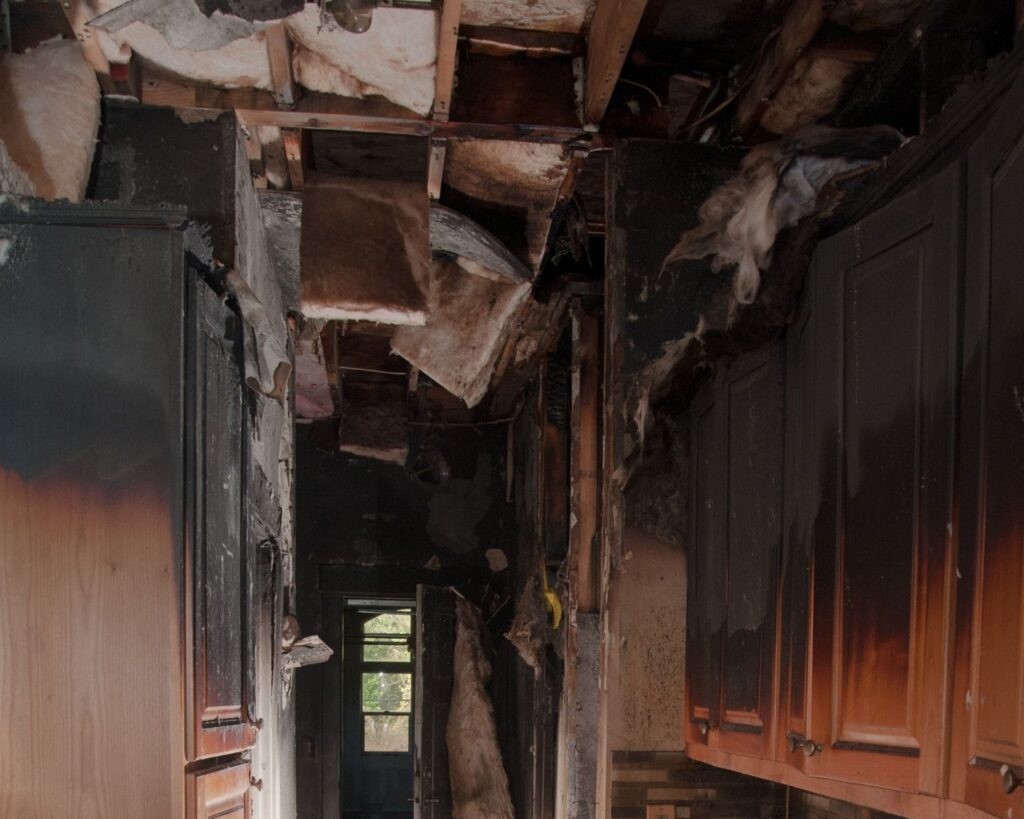
Smoke damage doesn’t stop when the fire goes out. It stays in your air, your walls, and your vents long after the last truck pulls away. Our team at PuroClean of Redmond/Woodinville has handled smoke damage restoration across the Greater Eastside since 2009, and the pattern rarely changes.
Air quality is the last thing people think about. It’s often the first thing that makes them feel awful.
What Smoke Leaves Behind in Your Air
A fire fills a home with three things: fine soot, gases, and odor molecules. The soot matters most. Most bits are smaller than 2.5 microns, roughly one thirtieth the width of a hair. They float for days, then settle into carpet, drywall, and duct work.
Soot is also acidic. It eats at metal, glass, and finishes while it sits there. A home can look fine on Tuesday and show pitted fixtures by Friday.
Smoke travels like water. It finds gaps, follows air currents, and reaches rooms the flames never touched. We’ve cleaned closets two floors above a small kitchen fire.

Visible soot on a wall usually means unseen soot in the air handling system.
Health Effects of Smoke Damage Indoors
Fine soot reaches deep into the lungs, and some of it passes into the blood. Most people get sore throats, burning eyes, coughing, and headaches within hours. That can drag on for weeks if the source stays put.
Some people react harder and faster. Per the CDC’s guidance on smoke exposure risk, folks with asthma, heart disease, or lung disease face the highest risk. So do young kids, older adults, and anyone pregnant.
Warning Signs the Air Is Still Bad
- You feel better outside and worse the moment you walk back in
- The smell gets stronger on warm days or when the heat kicks on
- A gritty film shows up on windowsills a day after you wipe them
- Pets act restless or start coughing
Smell is what people notice. It’s also the worst gauge. Noses go numb to a steady odor in about fifteen minutes, so a room can seem fine while soot sits packed in the walls.
Breathing Something You Shouldn’t Be?
We answer around the clock, every day of the year, and estimates are free. Tell us what you’re smelling and we’ll tell you straight whether it needs us.Contact Our Team
How Air Quality Testing Works After a Fire
Testing looks at three things: airborne soot, surface residue, and moisture. No single reading tells the story. Our IICRC certified techs pair meter readings with a room by room walkthrough, because a clean number in the hallway proves nothing about the bedroom vents.
| What We Check | How We Check It | Why It Matters |
|---|---|---|
| Airborne soot | Handheld particle counter | Shows what you are breathing right now |
| Surface residue | Wipe tests on walls and trim | Finds soot the eye skips over |
| Hidden moisture | Moisture meters, thermal camera | Wet framing keeps odor alive for months |
| HVAC system | Duct and coil inspection | Ducts push residue into clean rooms |
Written results matter as much as the readings. Adjusters want proof, not opinions. Our breakdown of IICRC standards for fire restoration work spells out what a certified crew is actually required to document.

A cough, a scratchy throat and headaches are usually the first sign the air inside is still carrying particles.
Air Purification Methods That Actually Work
Clean air takes two steps in order. Pull the source out first. Then filter what’s left in the room. Air scrubbers with HEPA filters trap the fine stuff, and negative air machines hold dirty air inside the work zone.
Skip the cleaning step, though, and every machine you own is just shuffling the problem around. Store bought purifiers help at the edges. The EPA’s guidance on smoke and indoor air quality notes they work best when sized for the room and left running. A small unit in a big room is mostly for show.
The Order We Work In
- Pull out charred and soaked materials that can’t be saved
- Set HEPA air scrubbers and seal off the clean rooms
- Clean from the ceiling down, dry methods before wet ones
- Clean the ducts before anyone turns the system back on
- Deodorize last, then test the air again
Firefighting water makes all of it harder. Wet subfloor and framing hold odor and drag out the job, so water damage cleanup and drying often runs beside the smoke work. Belongings get their own track through contents cleaning after a fire.
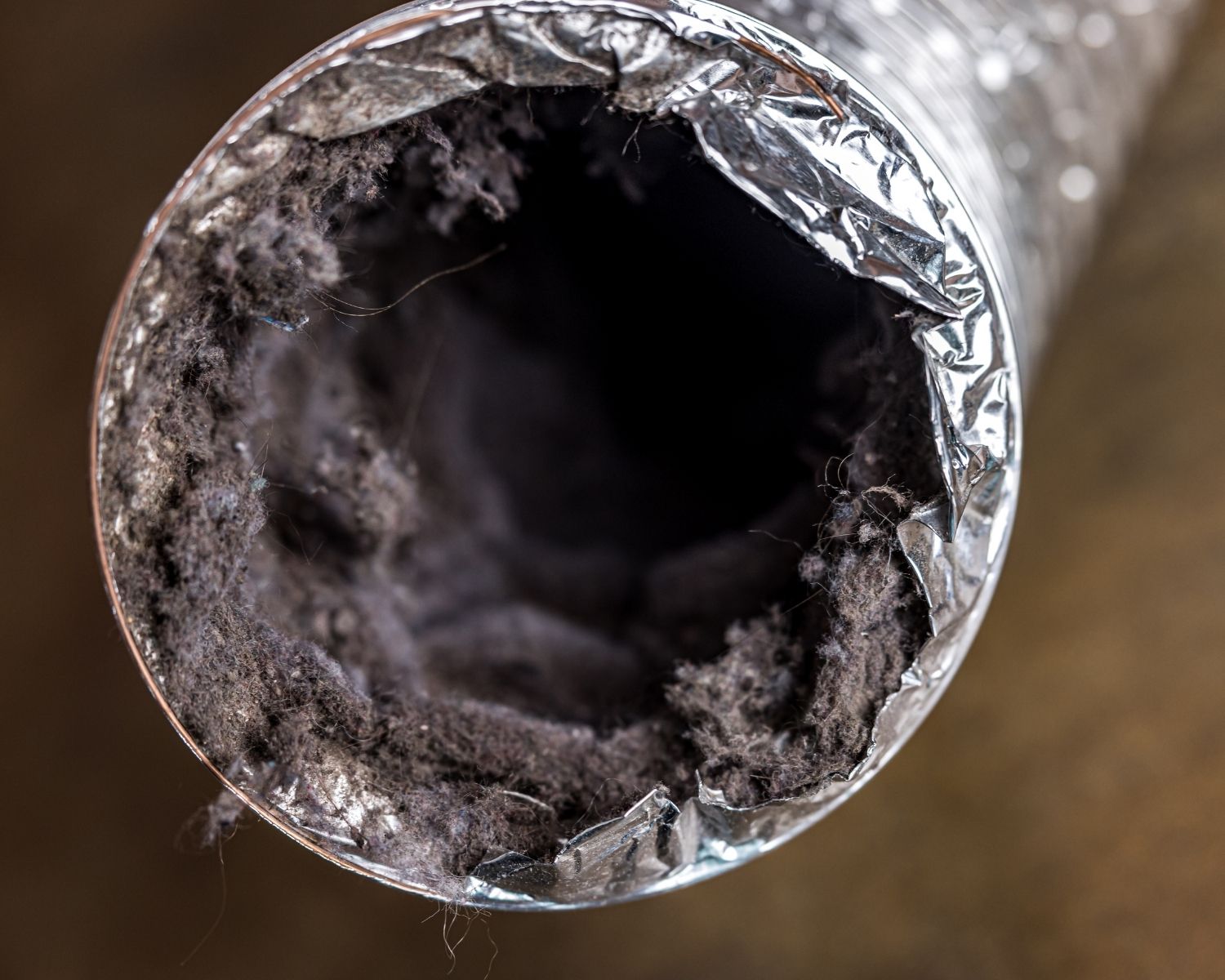
Ductwork holds onto smoke residue the longest. Running the HVAC before it gets cleaned pushes all of that back into every room.
When to Bring in a Certified Team
Light soot on a hard surface in one small room is a fair weekend project. Past that, call someone. Our guide to professional soot removal versus DIY cleaning draws that line, and if the building itself worries you, start with knowing when a fire damaged home is unsafe.
We’ve run this work across the Eastside for over sixteen years, backed by 45 plus years of combined crew time and a 2019 Franchise of the Year award. That covers smoke and fire damage restoration in Kirkland, WA and every town around it.
FAQs
How long does smoke odor last after a fire?
Left alone, smoke odor can last for years and gets worse with heat and damp air. Cleaned right, most homes are odor free in one to three weeks. It hinges on two things: how far the smoke traveled, and how much porous material it soaked into along the way.
Will an air purifier fix smoke damage on its own?
No. A purifier grabs what floats in the room. It can’t pull soot out of drywall, fabric, or ducts. Run one during and after cleaning, but don’t ask it to do the whole job.
Is it safe to stay home during smoke damage cleanup?
Sometimes, if the area is small and can be sealed off. If it’s spread through the house, or someone at home has asthma or a heart condition, plan to stay elsewhere until testing clears. Your doctor should make that call.
Does homeowners insurance cover smoke damage cleanup?
Most policies cover smoke damage from a sudden fire, including rooms that never burned. Coverage varies, so read your policy. We log everything with photos and meter readings so your adjuster has what they need.