 PuroClean Emergency Services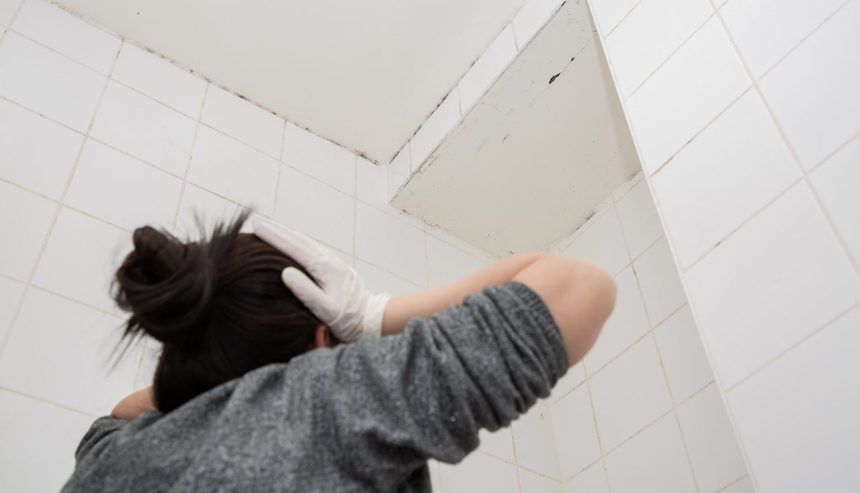
Bathroom ceiling mold is common but never normal, and it shouldn’t be ignored. Mold can impact your health and damage your home, so it’s important to address the root causes, clean it up safely, and know when to call in trusted professionals like PuroClean of Dayton.
In this Article:
- Is It Normal to Have Bathroom Ceiling Mold?
- What Causes Ceiling Mold
- Signs of Mold on Bathroom Ceiling
- Is Ceiling Mold a Health Hazard?
- How to Get Rid of Mold on the Bathroom Ceiling
- Get Professional Mold Help
For Dayton-area homeowners, discovering a dark, fuzzy patch above the shower can be a troubling sight. Ohio’s humid weather, combined with steamy bathrooms and limited ventilation, creates the ideal conditions for mold to thrive, especially on ceilings. Beyond being unsightly, mold can affect indoor air quality and raise health concerns.
If you’ve found mold in your bathroom, don’t ignore it. Keep reading to learn what causes bathroom ceiling mold, how to remove it safely, and when it’s time to call in local professionals.
Is It Normal to Have Bathroom Ceiling Mold?
No, it’s not normal to have mold on your bathroom ceiling. However, moldy bathroom ceilings are common. In fact, it’s one of the top reasons homeowners seek professional mold remediation.
It’s important to understand why mold grows in bathrooms in the first place and how to prevent it. Mold testing can help assess the extent of mold infestations and determine if professional intervention is necessary.
The Nature of Mold and Mold Spores
Mold is a type of fungus that flourishes everywhere. It helps outdoors by decomposing organic matter. But, it’s the spores are a concern indoors, especially in moist areas like bathrooms. With the right conditions, these spores can grow and form visible mold clusters.
Bathroom Ceilings: A Prime Location for Mold
High humidity, warm temperatures, and poor ventilation often cause mold on bathroom ceilings. Bathrooms, especially during and after showers, create the perfect environment for mold to grow as steam increases humidity levels.
It’s important to address mold on porous surfaces like drywall or plaster since they can absorb and hold moisture, making them more prone to mold. Controlling humidity and using protective materials can help prevent mold from forming on these surfaces.
What if I Have Black Mold in My Bathroom?
Not all black-colored molds are dangerous. The type often referred to as “black mold” (Stachybotrys chartarum) has a reputation for being harmful, but the health risks are often overstated. Many molds appear black, and most are not highly toxic.
That said, any mold, regardless of color, can affect your health. This is especially true if you have allergies, asthma, or a weakened immune system. Symptoms may include sneezing, coughing, or irritated eyes.
If you suspect you have black mold, don’t panic. Avoid disturbing the area and contact a mold remediation company like PuroClean Emergency Services.
What Causes Mold on Bathroom Ceilings?
Mold on bathroom ceilings is a common issue caused by a combination of factors. Knowing these causes can help you prevent mold in your bathroom.
- Excess Moisture: High humidity levels in the bathroom create a perfect environment for mold. The steam from hot showers and baths can linger, leading to surface condensation.
- Poor Ventilation: Poor airflow in the bathroom lets moisture accumulate, leading to mold growth. Bathrooms without proper ventilation systems, such as exhaust fans or windows, are particularly susceptible.
- Water Damage: Leaks and floods create ideal conditions for mold growth. Even small leaks from pipes or fixtures can lead to significant mold problems if not addressed promptly.
- Poor Maintenance: Failing to regularly clean and maintain bathroom surfaces can lead to mold growth. Soap scum, grime, and other residues can provide a food source for mold.
- Age, Wear and Tear: Bathroom surfaces can wear and damage over time. This can promote mold growth. Cracks, peeling paint, and deteriorating and moldy grout can all harbor mold spores.
Signs of Mold on Bathroom Ceilings
Identifying mold on bathroom ceilings can be challenging, but there are several signs to look out for. Recognizing these indicators early can help you take action before the problem worsens.
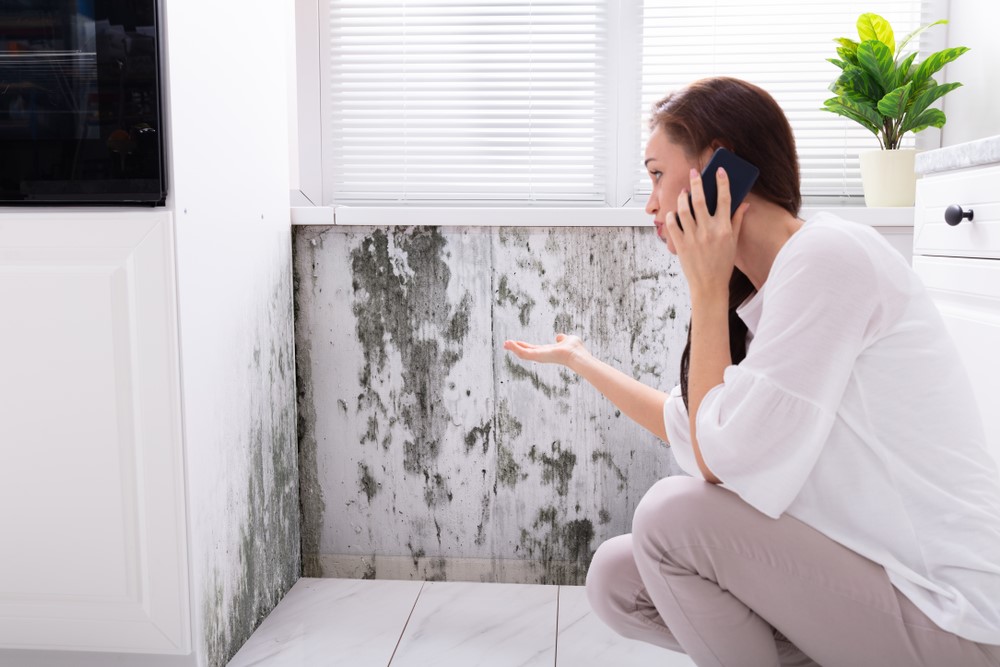
- Visible Signs of Mold: Look for black or greenish patches on the ceiling, walls, or floors. Mold can appear as spots, streaks, or fuzzy growths.
- Musty Odors: A damp, musty smell in the bathroom is a strong indicator of mold. This odor is often more noticeable if the bathroom has been closed up for a while.
- Water Stains: Mineral deposits or water stains on the ceiling or walls could signal a moisture problem. These stains often appear as yellowish or brownish discolorations.
- Warping or Discoloration: Warping or discoloration of bathroom surfaces, such as peeling paint or bubbling wallpaper, can be a sign of underlying mold issues.
By being alert to these signs, you can identify mold problems and other bathroom water damage issues early and take steps to address them.
Is Mold on Your Bathroom Ceiling a Health Hazard?
Yes, a moldy bathroom ceiling could be a potential health hazard.
Common Health Issues to Be Aware of
Exposure to mold can cause a range of symptoms, from mild to severe, especially in individuals with compromised immune systems or pre-existing respiratory issues. These symptoms include:
- Allergic reactions and irritation in the eyes, nose, or throat.
- Coughing
- Chronic sinus issues
- Nasal congestion
- Skin rash or irritation
- Headache
- Fatigue
While mold may not be the sole cause of all health issues, it can undoubtedly exacerbate existing ones. Therefore, addressing any mold infestation is crucial to ensure a healthy home.
How Do You Get Rid of Mold on the Bathroom Ceiling?
You’ve identified the bathroom ceiling mold and acknowledged the health risks, but what’s the next step? Here’s what you need to know. It is crucial to take proactive measures to prevent mold growth, particularly in bathrooms with conditions conducive to its proliferation.
You need to follow a few key steps to get rid of mold on the bathroom ceiling. Improving ventilation, fixing leaks, and maintaining a consistent cleaning routine are key strategies to prevent future mold growth.
DIY Mold Removal
According to the Environmental Protection Agency (EPA), “If the moldy area is less than about 10 square feet, in most cases, you can handle the job yourself.”
If you have a small patch of mold on your bathroom ceiling, especially if it’s tiled (or is non-porous), here’s how to remove it safely and effectively:
Step 1: Safety First
Before starting, protect yourself and your home. Be sure to wear eye protection, gloves and an N-95 mask to protect against mold exposure. Open a window or run the fan to ventilate the room. Also, seal off the room to keep the mold from spreading.
Step 2: Prepare the Affected Area
Cover floors and fixtures with plastic sheeting to avoid damage. Fill a spray bottle with a specialized mold cleaner. A mix of warm water and detergent will also work. For tiled (non-porous) ceilings, use one cup of bleach for each gallon of water to disinfect and kill mold spores.
Note: While bleach can be effective against mold on non-porous surfaces, it’s not recommended for all situations.
Step 3: Cleaning the Mold
Spray the moldy area with your chosen cleaner. Use a soft-bristled scrub brush. Scrub the mold away from your body to minimize spore exposure. Be thorough but gentle. Harsh scrubbing can release more spores into the air.
Step 4: Rinse and Dry Thoroughly the Area
Rinse the area with water to remove residue, especially if using bleach. Then, dry the surface completely with a fan or hair dryer. Excess moisture invites mold back, so ensure all areas are fully dry.
Step 5: Prevent Future Mold Growth
- While showering, use your bathroom vent fan, open a window, or leave the door slightly open to reduce moisture.
- After your shower, keep the fan running or the window open for at least 20 minutes to remove lingering humidity.
- Check for issues like clogged vents that can lead to mold growth.
- Regularly clean and maintain your bathroom fan.
Benefits of Professional Remediation vs DIY
Mold is a nuisance that no one wants to encounter. However, depending on the severity of the issue, attempting to handle it on your own may not be the best course of action.
A professional mold removal and remediation company has the skills, equipment, and expertise to handle significant mold removal safely. Professionals can also find and fix issues causing the mold, preventing future problems.

Get Professional Mold Remediation Services Today!
If you discover mold on your bathroom ceiling, take action immediately. If not treated promptly, mold can lead to serious health risks and property damage. PuroClean’s 24/7 mold remediation services are here to help you eliminate mold and prevent its return.
Call PuroClean Emergency Services in Dayton at 937-401-9700 or Cincinnati at 513-897-8990.

 PuroClean Emergency Services