Water Damage Restoration Service in Cory, Indiana for Homes and Properties

PuroClean of Terre Haute — 494 W Honey Creek Drive, Terre Haute, IN 47802

Cory: From ‘Skillet Lick’ to the Heart of Clay County’s Apple Country

Cory is an unincorporated community in Perry Township, Clay County, platted in 1872 when the railroad began passing through town on its line between Terre Haute and Clay City. Before it took its current name, the area was known by the colorful nickname ‘Skillet Lick,’ and Cory itself was named for Simeon Cory, a local benefactor who donated funding to dig a well for the community. At the turn of the century, Cory was a genuinely busy place — blacksmiths, druggists, general stores, saloons (three of them, at one point), hotels, and lodges, with four passenger trains passing through each day at its peak. In the early 1920s, E.A. Doud planted 20 acres of apple orchards on the edge of town; by 1929, those orchards had grown to 280 acres producing roughly 100,000 bushels of apples a year, employing upwards of 60 people and drawing weekend crowds for fresh apples and cider. That orchard heritage lives on in the annual Cory Apple Festival, held the last weekend of September, which funds the Perry Township Cory Volunteer Fire Department — the community’s only formal civic structure today.

Cory sits southeast of Terre Haute along State Road 46, in a ZIP code that spans both Perry and Sugar Ridge Townships in Clay County. The community’s housing reflects its railroad-and-orchard-era growth — modest homes built around the turn of the twentieth century during Cory’s busiest years, surrounded by the agricultural land that has long defined Perry Township, including operations like Butts Dairy Farm, which has supported the dairy industry from the same Cory location since 1929 and is now in its fifth generation. Between the older in-town housing stock and the surrounding farmland — some of it within Clay County’s historic coal belt — Cory’s property risk profile reflects both a century-old small-town core and the rural agricultural land that surrounds it.

Calls we regularly handle for Cory-area homes and properties include:

  • Burst and frozen pipes in turn-of-the-century homes in Cory’s historic core
  • Roof leaks and storm damage on older homes and farm outbuildings
  • Basement and crawl space flooding on rural Perry and Sugar Ridge Township properties
  • Sump pump failure on properties without municipal storm sewer connections
  • Well and septic-related water intrusion on rural and farm properties following heavy rain
  • Mold growth in basements and crawl spaces with limited ventilation in older homes
  • Water heater and supply line failures throughout Cory’s older housing stock
  • Category 2 and 3 water losses from septic backups on rural properties
  • Kitchen and structure fires with smoke and soot damage in older homes and farm buildings
  • Water damage discovered during inspections on long-held Cory-area family and farm properties

Fast Response from Terre Haute to Cory

When you call our 24/7 emergency line from Cory, our response team leaves 494 W Honey Creek Drive in Terre Haute and travels southeast on State Road 46, the highway that runs directly to Cory and continues on toward the SR 46/SR 59 junction further into Clay County. SR 46 gives our crews a direct route from Terre Haute into Cory without needing to detour through Brazil or other Clay County towns first.

Cory’s ZIP code spans both Perry and Sugar Ridge Townships, and the community itself is a small crossroads surrounded by farmland rather than a dense grid, so our dispatchers ask for your road and nearest cross-road, along with a landmark if one helps — the Cory Volunteer Fire Department, the old orchard area, or a nearby farm name. For properties along SR 46 itself, our crews have a direct approach; for properties on surrounding township roads, having clear directions ready when you call helps our crew arrive without delay. Most Cory-area emergency calls receive an on-site response within roughly 60-90 minutes, and we coordinate with our broader Clay County routing for additional equipment and crew support during regional storm events.

Local Factors Driving Water Damage, Mold, and Fire Risk in Cory

Cory’s risk profile starts with the age of its core housing stock. Homes built during Cory’s busiest years around the turn of the twentieth century — when the town supported blacksmiths, hotels, and saloons along the rail line — often retain original plumbing, framing, and electrical systems that have been updated piecemeal over more than a century rather than replaced wholesale. Indiana’s hard freeze-thaw winters are particularly tough on this kind of older galvanized plumbing, especially in uninsulated additions or enclosed porches with less insulation than the main structure. A frozen, split pipe in one of Cory’s older homes can release significant water into wall cavities and subflooring before it’s discovered, especially in rooms that see less daily use.

The surrounding farmland is the second major factor. Perry and Sugar Ridge Townships are predominantly agricultural, home to operations like Butts Dairy Farm that have worked this land for generations, and rural properties throughout the Cory area typically rely on private wells and septic systems. Agricultural drainage — ditches and field tile designed to move water off cropland rather than handle today’s storm intensity — can become overwhelmed during heavy spring rain, pushing groundwater toward basements and crawl spaces faster than a standard sump system can keep pace. When ground stays saturated for an extended period, septic systems on these properties can experience slowed drainage or backups, which are classified as Category 3 ‘black water’ losses requiring specialized handling under IICRC S500 protocols. Some Cory-area land also sits within Clay County’s historic coal belt, where ground that has settled unevenly over decades can open small foundation cracks that let groundwater in during wet periods.

Mold risk in Cory follows directly from both factors: basements and crawl spaces in older in-town homes or rural farm properties that take on moisture and aren’t dried within the industry-standard 24-48 hour window can develop mold colonization, particularly in spaces with the limited ventilation typical of early-1900s construction. Fire risk reflects the same building-age pattern — older electrical systems in homes from Cory’s railroad-era boom, wood stoves and space heaters in older rural homes, and farm outbuildings and equipment sheds where wiring may not meet current code. For any of these situations, our crews use moisture meters and thermal imaging to trace moisture through century-old construction and rural additions alike, classify the loss by category and class, and prepare an Xactimate estimate that reflects the realities of restoring a property in one of Clay County’s most historic small farming communities.

Commercial and Residential Services We Provide

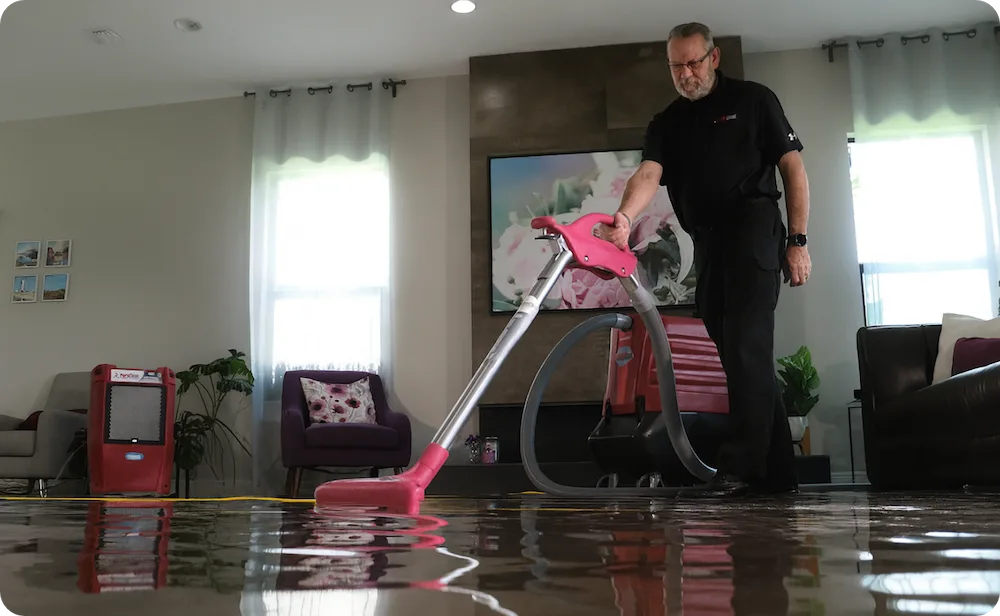
Water damage can result from unexpected leaks, flooding from storms, plumbing failures, or appliance malfunctions. Our certified teams focus on rapid water removal, drying, and stabilization to help prevent further damage and mold growth.

Linking Arrow Explore Our Water Damage Mitigation Services
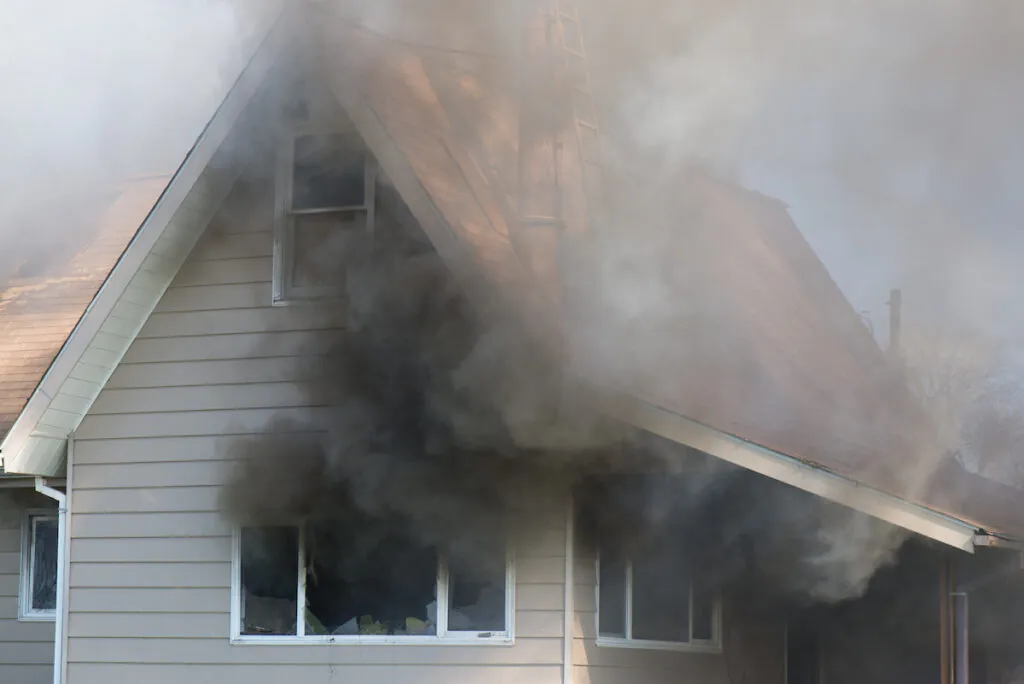
Even after a fire is extinguished, smoke, soot, and odor can continue to affect your home. Fire damage restoration services address visible damage while also helping reduce lingering effects that impact indoor air quality and surfaces.

Linking Arrow Explore Our Fire and Smoke Damage Restoration Services

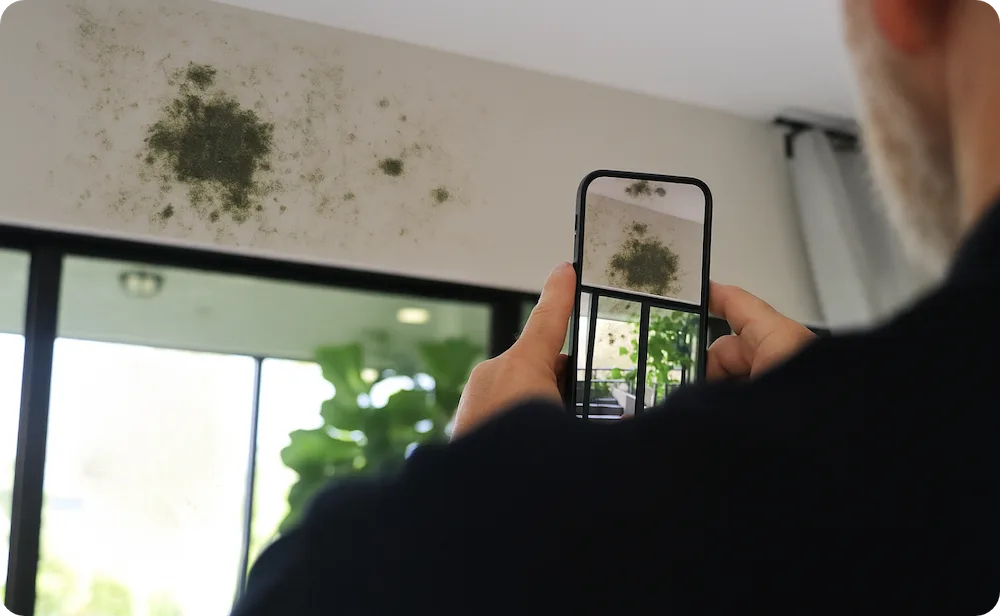
Mold often develops as a result of unresolved moisture or hidden water damage. Professional mold remediation helps identify affected areas, contain growth, and restore healthy indoor conditions.

Linking Arrow Explore Our Mold Removal and Remediation Services

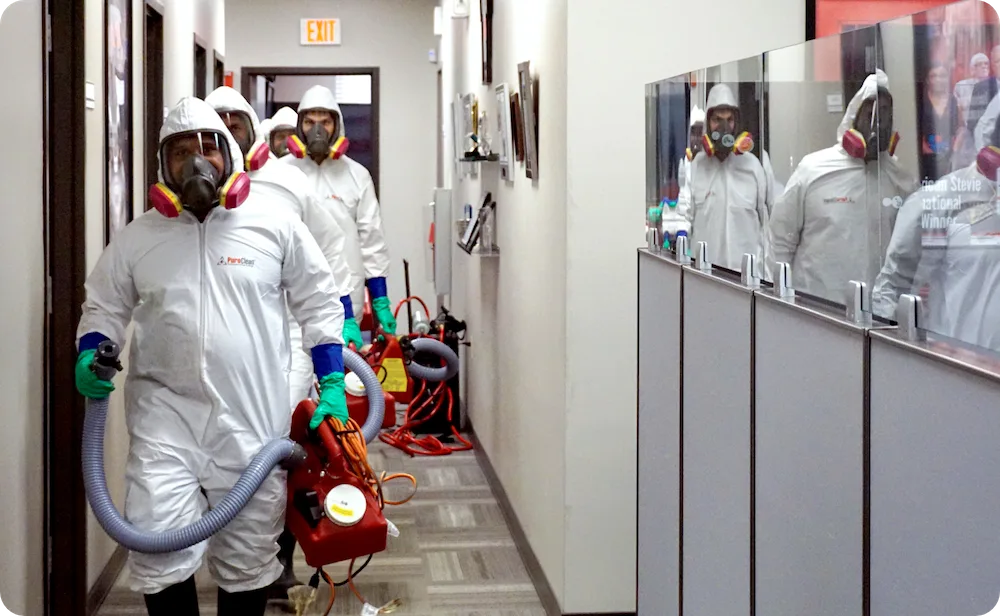
Biohazard situations, including crime scene cleanup and virus decontamination, require specialized cleaning and handling to protect health and safety. Biohazard cleanup services address contamination using proper protocols and professional care.

Linking Arrow Explore Our Biohazard Cleanup Services

In some cases, property damage requires repairs beyond cleanup and mitigation. Reconstruction services help restore damaged areas of the home after water, fire, or other incidents, supporting a smoother transition from damage to recovery.

Linking Arrow Explore Our Reconstruction Services Services

PuroClean provides 24/7 commercial property damage restoration services for businesses and facilities across the United States.

Linking Arrow Explore Our Commercial Services

Frequently Asked Questions

Answers to the questions Cory-area homeowners and farm property owners ask us most often.

Our crews travel southeast from 494 W Honey Creek Drive in Terre Haute on State Road 46, which runs directly to Cory and continues toward the SR 46/SR 59 junction in Clay County. Because Cory’s ZIP code spans both Perry and Sugar Ridge Townships and the community is a small crossroads surrounded by farmland, our dispatcher will ask for your road, nearest cross-road, and a landmark if helpful. Most Cory-area emergency calls receive an on-site response within roughly 60-90 minutes.

Homes from Cory’s turn-of-the-century boom — when the town had its own hotels, saloons, and rail depot — often have original framing and plumbing with minimal vapor barriers, which lets water travel further than expected through wall and ceiling cavities once a pipe fails. We use moisture meters and thermal imaging to map the actual extent of moisture rather than assuming based on visible damage alone, and we’re mindful that homes from this era often carry features and history worth preserving, which we prioritize salvaging wherever reasonably possible.

This is a common pattern on rural Perry and Sugar Ridge Township properties. Agricultural drainage — ditches and field tile built for farmland runoff rather than today’s heavier storms — can become overwhelmed during heavy spring rain, pushing groundwater toward your foundation and saturating the ground around your septic system to the point where drainage slows or backs up. A septic backup is classified as a Category 3 ‘black water’ loss under IICRC S500 standards requiring specialized handling. We document both issues, determine how water is entering your basement, and recommend the right long-term fix for your property.

When a frozen pipe goes unnoticed over a holiday weekend, water has usually traveled well beyond the room where it failed — down through floor joists into ceilings below, and into shared wall cavities with neighboring rooms, especially in homes from Cory’s early-1900s building era. Our first step is assessment: we use thermal imaging to map how far the water has spread through your home’s framing. From there we classify the loss, remove unsalvageable materials, apply antimicrobial treatment to prevent mold, and set up structural drying equipment the same visit.

Mold findings during a pre-listing inspection on older Cory-area farmhouses are common, often tied to ground moisture, limited basement ventilation, and decades of minor moisture exposure typical of early-1900s rural construction. We can schedule a visual mold inspection quickly, with lab sample testing through a third-party lab available if your buyer’s agent or lender requires documentation. Once we identify the moisture source and remediate following IICRC S520 protocols, we can arrange post-remediation clearance testing so you have an ‘all clear’ ready before closing.

Still have questions? Call us Now

Testimonials

What Our Customers Say:

The staff of pure clean made our water remediation job from beginning to end, seamless and efficient. Every one of their staff and contractors were polite, professional, timely, and communicated very well. Follow-through was spot on, and the job was completed, exactly as promised! We cannot imagine one single detail that would’ve made the job better. We cannot say enough positive things about Puroclean and it’s staff!
Tom Hess
June 15, 2026
Had a water leak affecting 2 floors. All flooring had to be replaced along with some drywall, trim, etc. Crew was absolutely wonderful. Called each day before arriving, very polite, courteous, professional, and very skilled. Regular communication throughout the whole process and worked well with our insurance. We have no complaints.
Bonnie Medearis
May 7, 2026
The staff of pure clean made our water remediation job from beginning to end, seamless and efficient. Every one of their staff and contractors were polite, professional, timely, and communicated very well. Follow-through was spot on, and the job was completed, exactly as promised! We cannot imagine one single detail that would’ve made the job better. We cannot say enough positive things about Puroclean and it’s staff!
Tom Hess
June 15, 2026

Need Urgent Restoration Services?

When you need water damage restoration services near you, call the experts at PuroClean. We are here day or night, 24/7, to help remove any standing water quickly and begin your water restoration service. We monitor the drying process so you can rest assured that your property is dried thoroughly. We offer commercial water restoration services for businesses and residential water damage restoration for homeowners.

PuroClean of Terre Haute

Contact Us for 24/7 Emergency Response

(812) 514-8555

Contact Us
PuroClean of Terre Haute
CALL NOW

PuroClean of Terre Haute

(812) 514-8555

494 W Honey Creek Drive, Terre Haute, IN 47802

Facebook IconTwitter IconInstagram IconLinkedin Icon
© 2026 PuroClean. All Rights Reserved.
Design by BrightPinkAgency