Water Damage Restoration Service in Darwin, Illinois for Homes and Properties

PuroClean of Terre Haute — 494 W Honey Creek Drive, Terre Haute, IN 47802

Darwin: A Former County Seat on the Banks of the Wabash

Darwin is an unincorporated community in Darwin Township, Clark County, Illinois, sitting directly on the Wabash River across from Indiana, about 24 miles downstream from Terre Haute. The site was first settled by John McClure in 1816 and known as McClure’s Bluff before being renamed Darwin in 1823 — believed by county historians to honor Robert Darwin, a doctor and financier and the father of naturalist Charles Darwin. That same year, Darwin became the second seat of Clark County, replacing nearby Aurora after residents there realized the Wabash could flood higher than they could build — a decision that, ironically, set the stage for Darwin’s own long relationship with the river’s floods. Darwin held the county seat from 1823 to 1838, with the first Clark County Courthouse built there in 1827, before an 1837 referendum moved local government to Marshall, where it remains today.

What Darwin kept after losing the county seat was its ferry. McClure started the Darwin Ferry early on for farmers with property on both sides of the river, and for nearly two centuries it remained the only river crossing in this stretch of the Wabash — at one point, roughly 50 ferries operated along the Wabash near Terre Haute at places with names like Prevo, Bohn, Old York, and Darwin, but Darwin’s was the last one still running, used by the Farmers’ Coop to move farm equipment across the river until rising water caused it to capsize in January 2020. That history — a river town that has spent two centuries negotiating its relationship with the Wabash — defines Darwin’s property risk profile today. Homes and farm properties in and around Darwin sit on the high banks and level plateau the original county commissioners chose specifically because it stood above Aurora’s flood-prone site, but the broader Darwin Township area along the river still experiences the same Wabash River dynamics that have shaped this stretch of the Indiana-Illinois border for two hundred years.

Calls we regularly handle for Darwin-area homes and properties include:

  • Basement and crawl space flooding in homes near the Wabash River and Darwin Ferry crossing
  • Sump pump failure on river-adjacent properties during high-water events
  • Burst and frozen pipes in older farmhouses throughout Darwin Township
  • Well and septic-related water intrusion on rural properties following saturated ground
  • Roof leaks and storm damage on farmhouses and outbuildings along the river corridor
  • Mold growth in basements and crawl spaces with limited ventilation in older rural homes
  • Water heater and supply line failures throughout the Darwin area’s older housing stock
  • Category 2 and 3 water losses from septic backups after major Wabash River rises
  • Kitchen and structure fires with smoke and soot damage in rural homes and farm buildings
  • Water damage discovered during inspections on long-held riverfront family properties

Fast Response from Terre Haute to Darwin

When you call our 24/7 emergency line from the Darwin area, our response team leaves 494 W Honey Creek Drive in Terre Haute and heads toward the Wabash River crossing on the Indiana side near the historic Darwin Ferry landing, accessible via Prairieton Road (State Road 63) on the Indiana side of the river. From there, Darwin Road runs south from I-70 on the Illinois side and merges into North River Road, which leads to the center of the Darwin community itself — giving our crews a route that follows the same general corridor that has connected Terre Haute to Darwin since the ferry era, now served by the I-70/US 40 crossing of the Wabash a bit further north.

Because Darwin is a small, rural river community without a dense grid, our dispatchers ask for your township road, route number, and nearest cross-road, along with whether your property is closer to the river itself or further back toward Darwin Township’s farmland. Given the additional distance, the state line crossing, and the rural nature of this part of our service area, response times to the Darwin area run somewhat longer than for in-town Vigo County addresses, but we prioritize active water and fire emergencies, and our crews are familiar with this stretch of the Wabash on both sides of the border.

Local Factors Driving Water Damage, Mold, and Fire Risk in Darwin

Darwin’s risk profile is shaped first and foremost by the Wabash River — a relationship two centuries in the making. The very reason Darwin became Clark County’s second seat in 1823 was that Aurora, the first seat just two miles upstream, sat too low and flooded too often; Darwin’s high banks and level plateau were chosen specifically to avoid that fate. But ‘higher than Aurora’ doesn’t mean immune to flooding, and the broader Darwin Township river corridor has experienced significant Wabash River events over the two centuries since — most recently and visibly when the historic Darwin Ferry itself, which had operated continuously for roughly 200 years, was capsized by rising water in January 2020. For homes and farm properties closer to the river, this translates into real and recurring risk of basement seepage, sump pump overload, and surface flooding during major regional rain events, particularly the kind of combined snowmelt-and-rainfall events that have historically caused widespread flooding throughout the Wabash Valley.

Building age and rural infrastructure are the second major factor. Darwin’s history as a county seat means the immediate area has structures with roots going back to the 1820s, though most of today’s housing reflects later farmhouse construction typical of Darwin Township’s agricultural economy. Indiana and Illinois share the same hard freeze-thaw winter cycles, and older galvanized plumbing in uninsulated crawl spaces or exterior walls common to farmhouses in this area is just as vulnerable here as it is on the Indiana side of the river. Many properties throughout Darwin Township rely on private wells and septic systems, and saturated ground from heavy rain — whether from a typical storm or a Wabash River rise — can slow septic drainage or cause backups, a Category 3 ‘black water’ situation requiring specialized handling under IICRC S500 protocols.

Mold risk in the Darwin area follows directly from both factors: basements and crawl spaces that take on moisture from river-adjacent groundwater or a slow plumbing leak in an older farmhouse, combined with the limited ventilation typical of older rural construction, create conditions where mold can establish itself within the industry-standard 24-48 hour window if not addressed quickly. Fire risk reflects the area’s rural character as well — older electrical systems in farmhouses along the river corridor, wood stoves and space heaters used to supplement heat, and outbuildings or equipment sheds tied to the area’s agricultural use where wiring may not meet current code. For any of these situations, our crews use moisture meters and thermal imaging to trace water intrusion through older farmhouse construction, classify the loss by category and class, and build an Xactimate estimate that reflects the realities of restoring a property along one of the most historically significant stretches of the Wabash River.

Commercial and Residential Services We Provide

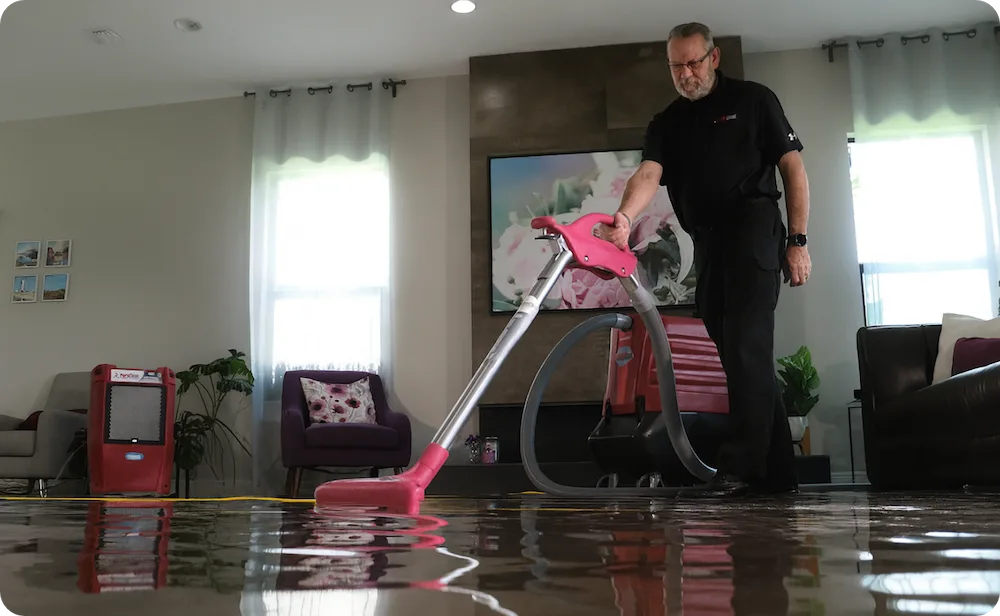
Water damage can result from unexpected leaks, flooding from storms, plumbing failures, or appliance malfunctions. Our certified teams focus on rapid water removal, drying, and stabilization to help prevent further damage and mold growth.

Linking Arrow Explore Our Water Damage Mitigation Services
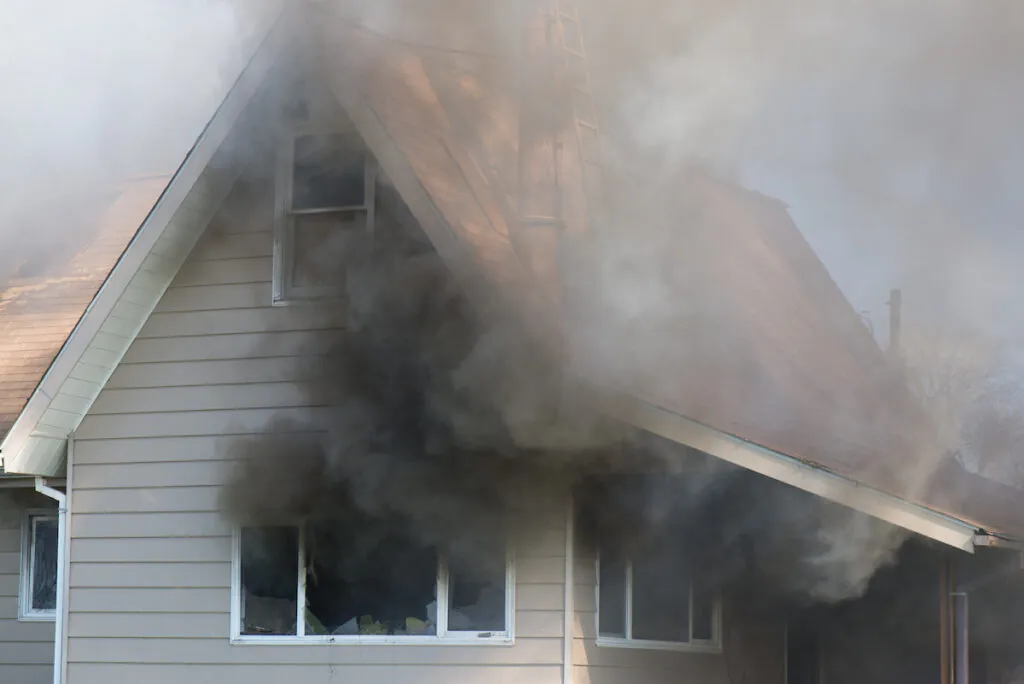
Even after a fire is extinguished, smoke, soot, and odor can continue to affect your home. Fire damage restoration services address visible damage while also helping reduce lingering effects that impact indoor air quality and surfaces.

Linking Arrow Explore Our Fire and Smoke Damage Restoration Services

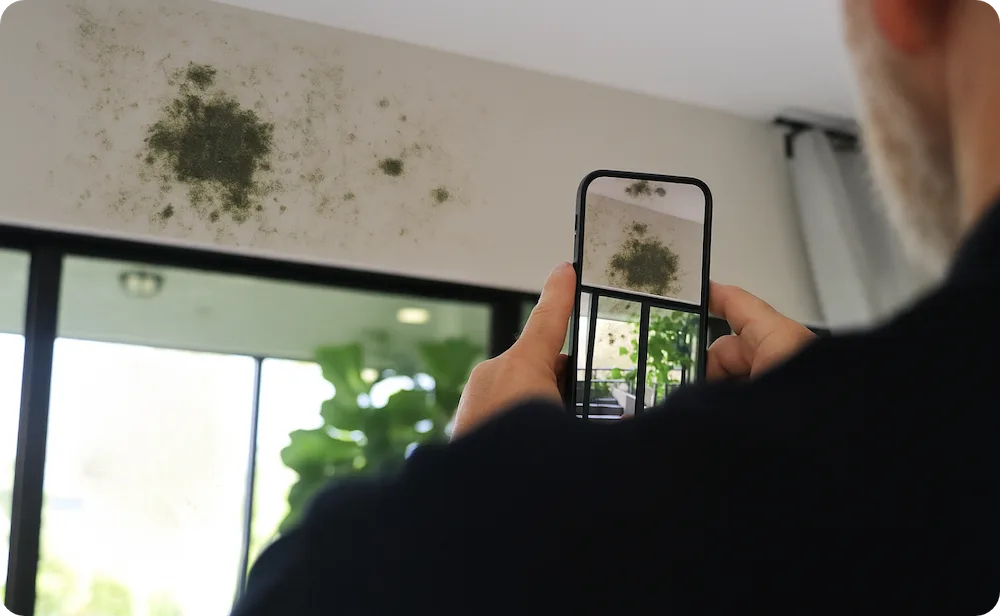
Mold often develops as a result of unresolved moisture or hidden water damage. Professional mold remediation helps identify affected areas, contain growth, and restore healthy indoor conditions.

Linking Arrow Explore Our Mold Removal and Remediation Services

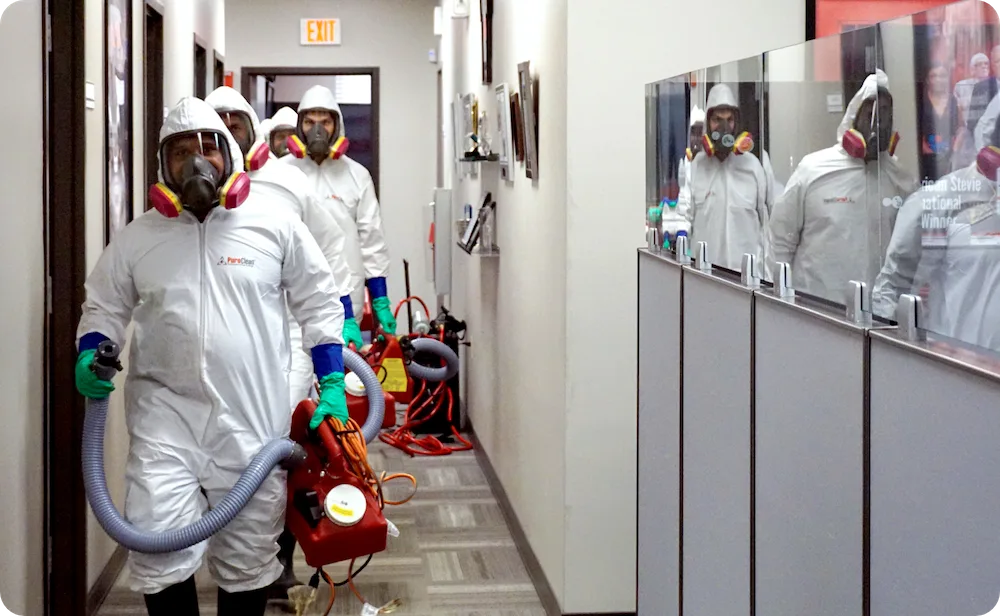
Biohazard situations, including crime scene cleanup and virus decontamination, require specialized cleaning and handling to protect health and safety. Biohazard cleanup services address contamination using proper protocols and professional care.

Linking Arrow Explore Our Biohazard Cleanup Services

In some cases, property damage requires repairs beyond cleanup and mitigation. Reconstruction services help restore damaged areas of the home after water, fire, or other incidents, supporting a smoother transition from damage to recovery.

Linking Arrow Explore Our Reconstruction Services Services

PuroClean provides 24/7 commercial property damage restoration services for businesses and facilities across the United States.

Linking Arrow Explore Our Commercial Services

Frequently Asked Questions

Answers to the questions Darwin-area property owners ask us most often.

Yes. Darwin sits on the Wabash River about 24 miles downstream from Terre Haute, and our crews travel toward the historic Darwin Ferry crossing area via Prairieton Road (State Road 63) on the Indiana side, with Darwin Road and North River Road providing access on the Illinois side near I-70. Given the additional distance and the state line crossing, response times run somewhat longer than for in-town Vigo County addresses, but we prioritize active water and fire emergencies and our crews are familiar with this stretch of the Wabash on both sides of the border.

Properties near the historic Darwin Ferry crossing sit directly along the Wabash River, and this stretch has a long documented history with the river — the ferry itself, which had operated for roughly two centuries, was capsized by rising water in January 2020. While Darwin’s original townsite was chosen for its relatively high banks (the reason it became county seat over flood-prone Aurora in 1823), properties closer to the riverbank can still experience basement seepage and surface flooding during major Wabash River rises. We use moisture meters to assess how water is entering your property and document the category and class of any water intrusion.

It can be. Even properties set back from the immediate riverbank in Darwin Township can experience elevated groundwater during a major Wabash River rise, since the water table throughout this river corridor responds to the river’s level, not just direct overland flooding. We use moisture meters to determine whether water entered through foundation cracks, a sump pit being overwhelmed, or rising groundwater, document the category and class of the water, and recommend whether a sump pump upgrade, exterior drainage improvement, or foundation sealing is the right long-term fix.

A septic backup into the home is classified as a Category 3 ‘black water’ loss under IICRC S500 standards, requiring specialized handling, disposal, and decontamination procedures beyond a standard clean-water cleanup. Saturated ground from a Wabash River rise can slow septic drainage and cause backups even when the system itself is functioning normally. We document the loss thoroughly, including the timeline and cause, and can help you understand how your specific homeowner’s policy and any flood insurance you carry address sewage and septic backup coverage as we work with your adjuster.

Mold findings during a pre-listing inspection on older Darwin Township farmhouses are common, often tied to ground moisture from the property’s proximity to the Wabash, limited basement ventilation, and decades of minor moisture exposure typical of older rural construction. We can schedule a visual mold inspection quickly, with lab sample testing through a third-party lab available if your buyer’s agent or lender requires documentation. Once we identify the moisture source and remediate following IICRC S520 protocols, we can arrange post-remediation clearance testing so you have an ‘all clear’ ready before closing.

Still have questions? Call us Now

Testimonials

What Our Customers Say:

The staff of pure clean made our water remediation job from beginning to end, seamless and efficient. Every one of their staff and contractors were polite, professional, timely, and communicated very well. Follow-through was spot on, and the job was completed, exactly as promised! We cannot imagine one single detail that would’ve made the job better. We cannot say enough positive things about Puroclean and it’s staff!
Tom Hess
June 15, 2026
Had a water leak affecting 2 floors. All flooring had to be replaced along with some drywall, trim, etc. Crew was absolutely wonderful. Called each day before arriving, very polite, courteous, professional, and very skilled. Regular communication throughout the whole process and worked well with our insurance. We have no complaints.
Bonnie Medearis
May 7, 2026
The staff of pure clean made our water remediation job from beginning to end, seamless and efficient. Every one of their staff and contractors were polite, professional, timely, and communicated very well. Follow-through was spot on, and the job was completed, exactly as promised! We cannot imagine one single detail that would’ve made the job better. We cannot say enough positive things about Puroclean and it’s staff!
Tom Hess
June 15, 2026

Need Urgent Restoration Services?

When you need water damage restoration services near you, call the experts at PuroClean. We are here day or night, 24/7, to help remove any standing water quickly and begin your water restoration service. We monitor the drying process so you can rest assured that your property is dried thoroughly. We offer commercial water restoration services for businesses and residential water damage restoration for homeowners.

PuroClean of Terre Haute

Contact Us for 24/7 Emergency Response

(812) 514-8555

Contact Us
PuroClean of Terre Haute
CALL NOW

PuroClean of Terre Haute

(812) 514-8555

494 W Honey Creek Drive, Terre Haute, IN 47802

Facebook IconTwitter IconInstagram IconLinkedin Icon
© 2026 PuroClean. All Rights Reserved.
Design by BrightPinkAgency