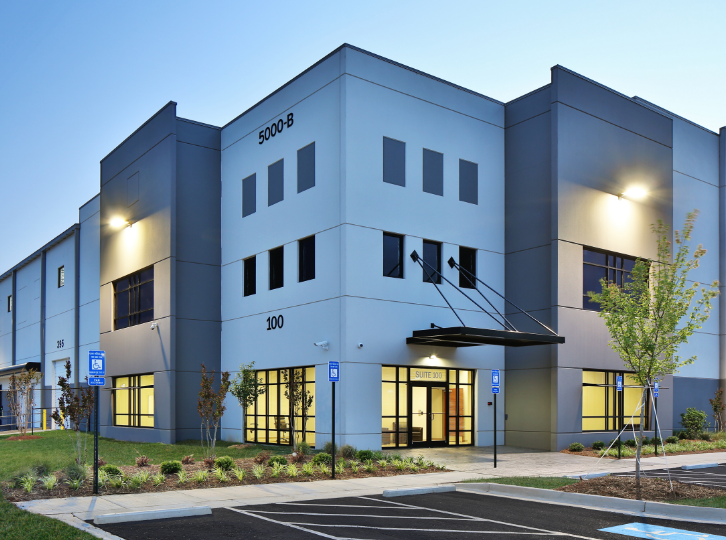
PuroClean of Terre Haute — 494 W Honey Creek Drive, Terre Haute, IN 47802
Mecca is a small town of just under 300 residents in Wabash Township, Parke County, straddling Big Raccoon Creek about 6 miles west-southwest of Rockville, the county seat. The town’s origins go back to 1835, when founder Jeptha van Vickler built a water-powered sawmill here — the first industry in what would become Mecca. The town was officially platted on August 7, 1890, by Samuel Hixon and his friend Tom L. McCune, and a post office has operated under the Mecca name since 1888. By 1913, the town’s population had grown to roughly 1,400, reflecting an industrial era that included a sewer pipe factory started by Chicago businessman William E. Dee in 1895, alongside clay plants, a grain elevator, and a steam-powered sawmill that together employed hundreds of workers.
Mecca’s best-known landmark is the Mecca Covered Bridge, an 1872 Burr Arch truss structure crossing Big Raccoon Creek and listed on the National Register of Historic Places — with the town’s main section on the west side of the creek and a smaller portion on the east side connected by the bridge. Nearby, the restored Mecca one-room schoolhouse, originally built in 1874 and relocated in 1966, sits near the bridge alongside the NRHP-listed Wabash Township Graded School. A quarter-mile away, the Mecca Tavern has served tenderloin sandwiches and other local fare since 1899, making it the oldest operating tavern in Parke County. The Wabash River runs about 2 miles west of town, and U.S. Route 41 passes about half a mile to the southeast. Mecca’s housing reflects this long industrial and mill-town history — homes from the town’s 1890s-1910s population peak alongside more recent construction, set along the Big Raccoon Creek floodplain that defines so much of the town’s geography.
Calls we regularly handle for Mecca-area homes and properties include:
When you call our 24/7 emergency line from Mecca, our response team leaves 494 W Honey Creek Drive in Terre Haute and travels north on U.S. Route 41 toward Rockville, then turns onto Mecca Road (also known as Coxville Road), which leads to Mecca about half a mile northwest of US 41. Mecca is about 18 miles from Terre Haute along this route, which also passes near the small community of Rosedale closer to the Parke-Vigo county line.
Because Mecca is a small town split by Big Raccoon Creek, with the main part of town on the west side and a smaller section on the east side connected by the historic covered bridge, our dispatchers ask for your street address — Wabash Street runs through the heart of town near the bridge and the Mecca Tavern — and whether your property is on the east or west side of the creek. Given the roughly 18-mile distance from Terre Haute, response times to Mecca run somewhat longer than for in-town Vigo County addresses, but we prioritize active water and fire emergencies and our crews are familiar with the US 41/Mecca Road route connecting this area to the rest of our coverage.
Mecca’s risk profile starts with its location straddling Big Raccoon Creek. The town’s main section sits on the west side of the creek, with a smaller portion on the east side connected by the historic 1872 covered bridge — a layout that has put parts of Mecca close to the creek’s floodplain since the town’s earliest days as a mill site. Properties along Big Raccoon Creek and throughout the low-lying parts of Wabash Township can experience elevated groundwater and basement seepage during sustained heavy rain, particularly when the creek is running high from upstream precipitation. The Wabash River, about 2 miles west of town, adds a second layer to this watershed picture, and properties between Mecca and the Wabash River can see compounding effects when both waterways are elevated simultaneously.
Building age is the second major factor. Mecca’s population peaked around 1913 at roughly 1,400 residents, driven by industries including William E. Dee’s sewer pipe factory, clay plants, and sawmills, and many of the town’s homes date to this 1890s-1910s era. Homes from this period — the same era as the NRHP-listed Wabash Township Graded School and the Mecca Tavern, which has operated since 1899 — often retain original galvanized plumbing and framing updated piecemeal over more than a century rather than replaced wholesale. Indiana’s hard freeze-thaw winters are particularly tough on this kind of older plumbing in additions and uninsulated crawl spaces, and a frozen, split pipe in one of Mecca’s older homes can release significant water into wall cavities and subflooring before it’s discovered. For rural properties throughout Wabash Township, many rely on private wells and septic systems, and saturated ground from heavy rain can slow septic drainage or cause backups, a Category 3 ‘black water’ situation requiring specialized handling under IICRC S500 protocols.
Mold risk in Mecca follows directly from both factors: basements and crawl spaces that take on moisture from creek-adjacent groundwater or a slow plumbing leak in a century-old home, combined with the limited ventilation typical of older construction, create conditions where mold can establish itself within the industry-standard 24-48 hour window if not addressed quickly. Fire risk reflects the town’s age and history as well — electrical systems in homes and historic structures that predate modern code, including buildings from the town’s industrial era. For any of these situations, our crews use moisture meters and thermal imaging to trace water intrusion through older construction, classify the loss by category and class, and build an Xactimate estimate that reflects the realities of restoring a property in one of Parke County’s historic mill towns.
Owned & Operated by Brock Phillips
494 W Honey Creek Drive, Terre Haute, IN, 47802
(812) 514-8555
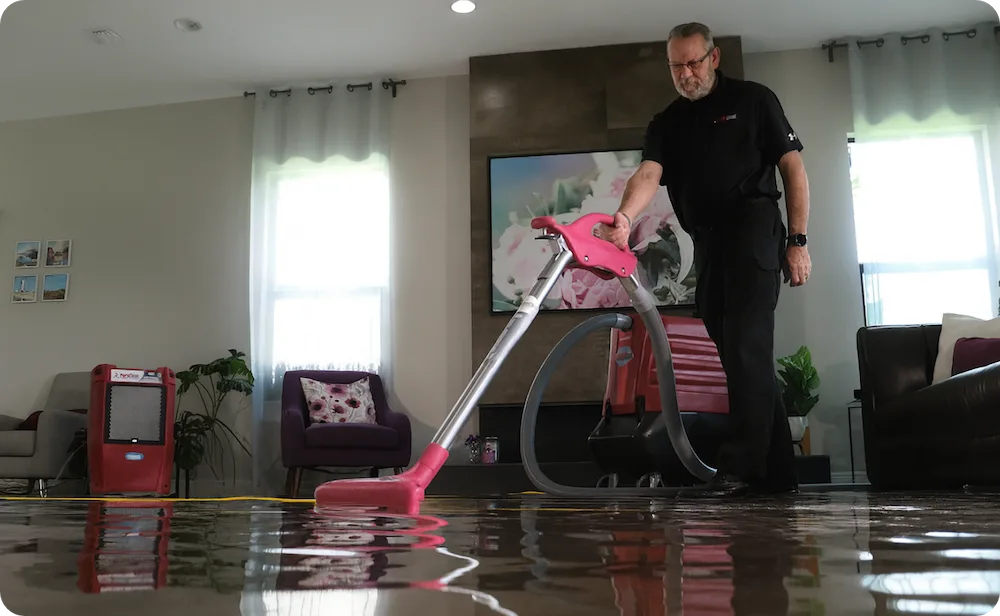
Water damage can result from unexpected leaks, flooding from storms, plumbing failures, or appliance malfunctions. Our certified teams focus on rapid water removal, drying, and stabilization to help prevent further damage and mold growth.
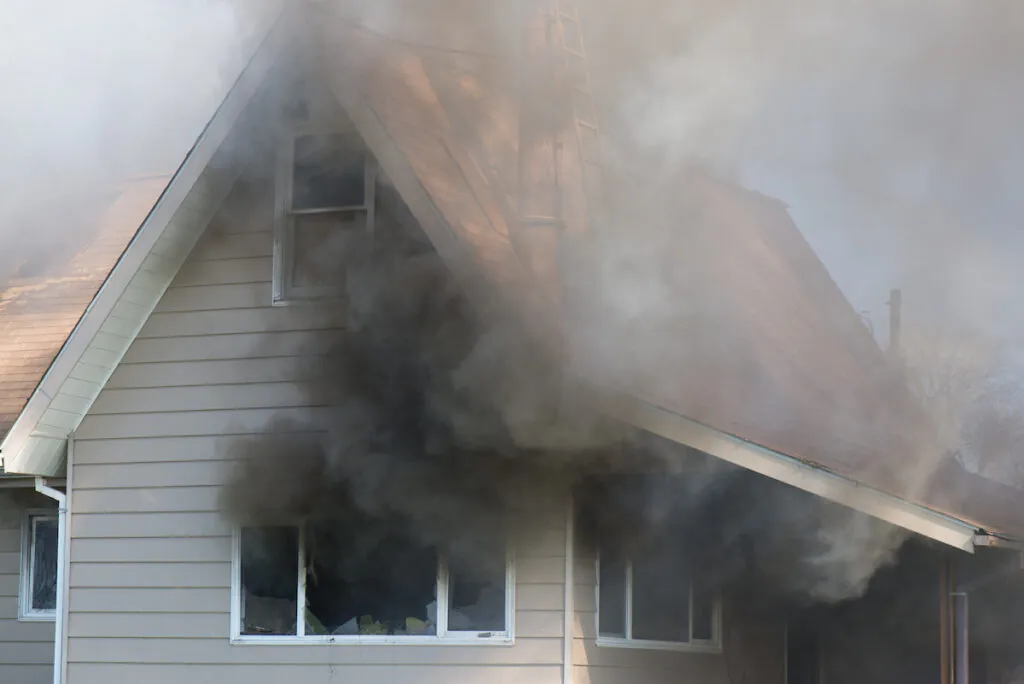
Even after a fire is extinguished, smoke, soot, and odor can continue to affect your home. Fire damage restoration services address visible damage while also helping reduce lingering effects that impact indoor air quality and surfaces.
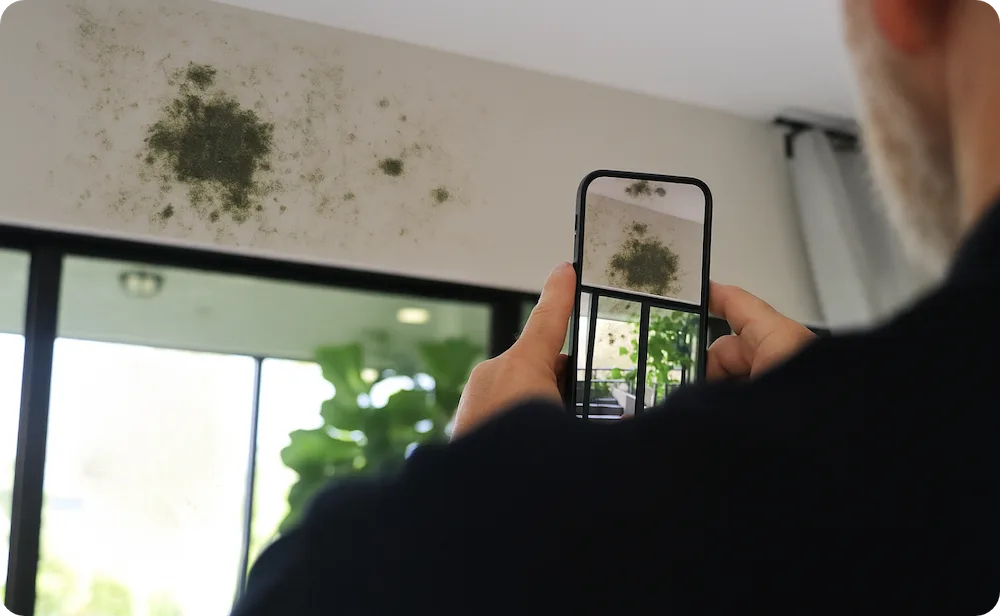
Mold often develops as a result of unresolved moisture or hidden water damage. Professional mold remediation helps identify affected areas, contain growth, and restore healthy indoor conditions.
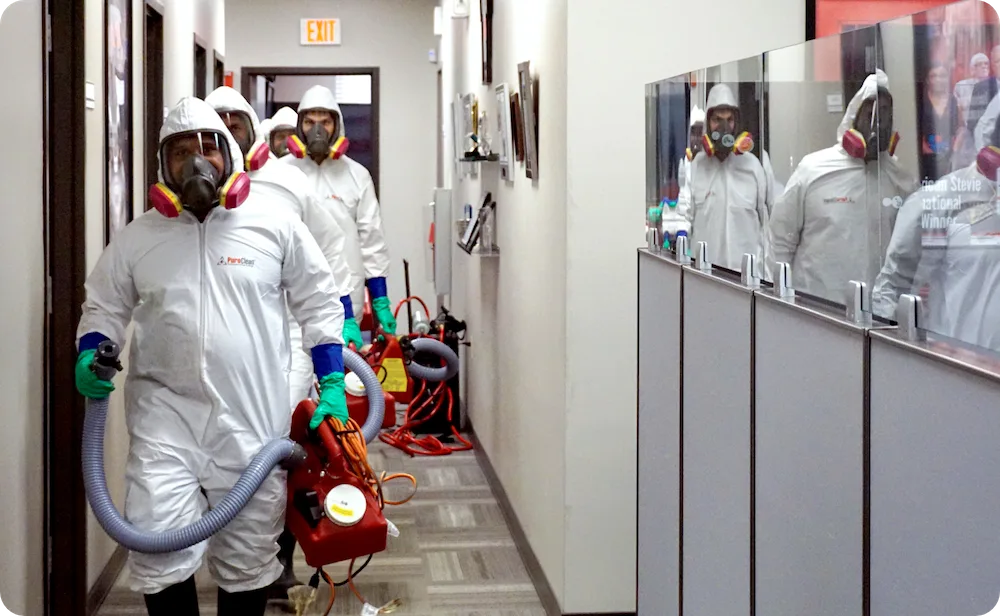
Biohazard situations, including crime scene cleanup and virus decontamination, require specialized cleaning and handling to protect health and safety. Biohazard cleanup services address contamination using proper protocols and professional care.
In some cases, property damage requires repairs beyond cleanup and mitigation. Reconstruction services help restore damaged areas of the home after water, fire, or other incidents, supporting a smoother transition from damage to recovery.
PuroClean provides 24/7 commercial property damage restoration services for businesses and facilities across the United States.
Water damage can result from unexpected leaks, flooding from storms, plumbing failures, or appliance malfunctions. Our certified teams focus on rapid water removal, drying, and stabilization to help prevent further damage and mold growth.
Answers to the questions Mecca-area property owners ask us most often.
Our crews travel north on US 41 from 494 W Honey Creek Drive in Terre Haute toward Rockville, then turn onto Mecca Road (Coxville Road) to reach Mecca, about half a mile northwest of US 41 and roughly 18 miles from Terre Haute. Our dispatcher will ask for your street address — Wabash Street runs through the heart of town near the covered bridge — and whether you’re on the east or west side of Big Raccoon Creek. Given the distance, response times run somewhat longer than for in-town Vigo County addresses, but we prioritize active emergencies.
It is. Mecca’s main section sits on the west side of Big Raccoon Creek, with a smaller portion on the east side connected by the historic covered bridge — a layout that has put parts of town close to the creek’s floodplain since its earliest days as a mill site. Properties along the creek can see elevated groundwater and basement seepage during sustained heavy rain, especially when the creek is running high from upstream precipitation, and the nearby Wabash River about 2 miles west can compound this when both waterways are elevated. We use moisture meters to determine exactly how water is entering your property and document the category and class of the loss.
Many of Mecca’s homes date to the town’s industrial-era population peak around 1913, the same period as the Mecca Tavern and the historic schoolhouse near the covered bridge, and homes from this era often have original framing and plumbing with minimal vapor barriers, which lets water travel further than expected through wall and ceiling cavities once a pipe fails. Our first step is assessment: we use thermal imaging to map how far the water has spread through your home’s framing. From there we classify the loss, remove unsalvageable materials, apply antimicrobial treatment to prevent mold, and set up structural drying equipment the same visit.
A septic backup into the home is classified as a Category 3 ‘black water’ loss under IICRC S500 standards, requiring specialized handling, disposal, and decontamination procedures beyond a standard clean-water cleanup. Saturated ground on rural Wabash Township properties after heavy rain can slow septic drainage and cause backups even when the system itself is functioning normally. We document the loss thoroughly, including the timeline and cause, and can help you understand how your specific homeowner’s policy addresses sewage and septic backup coverage as we work with your adjuster.
Mold findings during a pre-listing inspection on older Mecca homes are common, often tied to ground moisture from the property’s proximity to Big Raccoon Creek, limited basement ventilation, and decades of minor moisture exposure typical of homes dating to the town’s early-1900s industrial era. We can schedule a visual mold inspection quickly, with lab sample testing through a third-party lab available if your buyer’s agent or lender requires documentation. Once we identify the moisture source and remediate following IICRC S520 protocols, we can arrange post-remediation clearance testing so you have an ‘all clear’ ready before closing.
Our crews travel north on US 41 from 494 W Honey Creek Drive in Terre Haute toward Rockville, then turn onto Mecca Road (Coxville Road) to reach Mecca, about half a mile northwest of US 41 and roughly 18 miles from Terre Haute. Our dispatcher will ask for your street address — Wabash Street runs through the heart of town near the covered bridge — and whether you’re on the east or west side of Big Raccoon Creek. Given the distance, response times run somewhat longer than for in-town Vigo County addresses, but we prioritize active emergencies.
It is. Mecca’s main section sits on the west side of Big Raccoon Creek, with a smaller portion on the east side connected by the historic covered bridge — a layout that has put parts of town close to the creek’s floodplain since its earliest days as a mill site. Properties along the creek can see elevated groundwater and basement seepage during sustained heavy rain, especially when the creek is running high from upstream precipitation, and the nearby Wabash River about 2 miles west can compound this when both waterways are elevated. We use moisture meters to determine exactly how water is entering your property and document the category and class of the loss.
Many of Mecca’s homes date to the town’s industrial-era population peak around 1913, the same period as the Mecca Tavern and the historic schoolhouse near the covered bridge, and homes from this era often have original framing and plumbing with minimal vapor barriers, which lets water travel further than expected through wall and ceiling cavities once a pipe fails. Our first step is assessment: we use thermal imaging to map how far the water has spread through your home’s framing. From there we classify the loss, remove unsalvageable materials, apply antimicrobial treatment to prevent mold, and set up structural drying equipment the same visit.
A septic backup into the home is classified as a Category 3 ‘black water’ loss under IICRC S500 standards, requiring specialized handling, disposal, and decontamination procedures beyond a standard clean-water cleanup. Saturated ground on rural Wabash Township properties after heavy rain can slow septic drainage and cause backups even when the system itself is functioning normally. We document the loss thoroughly, including the timeline and cause, and can help you understand how your specific homeowner’s policy addresses sewage and septic backup coverage as we work with your adjuster.
Mold findings during a pre-listing inspection on older Mecca homes are common, often tied to ground moisture from the property’s proximity to Big Raccoon Creek, limited basement ventilation, and decades of minor moisture exposure typical of homes dating to the town’s early-1900s industrial era. We can schedule a visual mold inspection quickly, with lab sample testing through a third-party lab available if your buyer’s agent or lender requires documentation. Once we identify the moisture source and remediate following IICRC S520 protocols, we can arrange post-remediation clearance testing so you have an ‘all clear’ ready before closing.
What Our Customers Say:
When you need water damage restoration services near you, call the experts at PuroClean. We are here day or night, 24/7, to help remove any standing water quickly and begin your water restoration service. We monitor the drying process so you can rest assured that your property is dried thoroughly. We offer commercial water restoration services for businesses and residential water damage restoration for homeowners.
PuroClean of Terre Haute
(812) 514-8555
494 W Honey Creek Drive, Terre Haute, IN 47802
© 2026 PuroClean. All Rights Reserved.