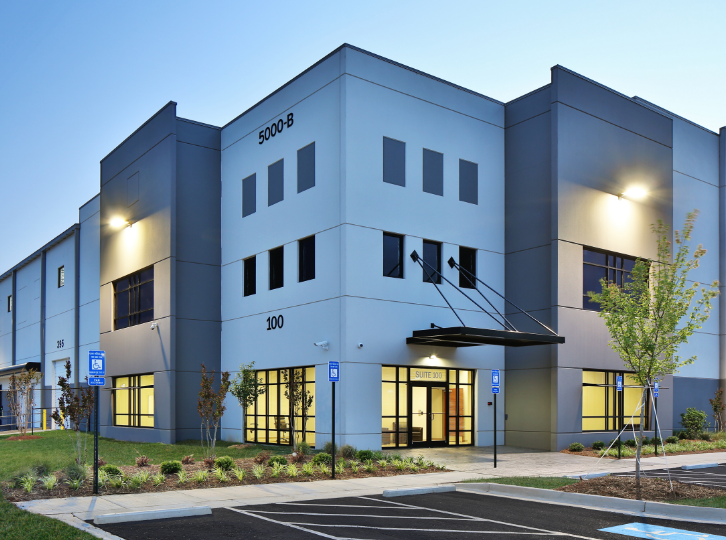
PuroClean of Terre Haute — 494 W Honey Creek Drive, Terre Haute, IN 47802
Paris is a city of just under 9,000 residents, the county seat of Edgar County, Illinois, sitting about 23 miles northwest of Terre Haute via US Route 150. The city was established in 1826 on 26 acres donated to the state by Samuel Vance, a Virginian who had settled in the area after a stay in Kentucky, and it was incorporated as a village in 1849. According to local history, the name Paris most likely came from the word ‘Paris’ carved into a jack oak tree that stood in the middle of what became the town — not, as some assume, a reference to the French capital.
Paris’s downtown centers on the Edgar County Courthouse, a Romanesque Revival building constructed between 1891 and 1893 and listed on the National Register of Historic Places — the third courthouse to serve the county. The city’s history includes brothers Walter and Newton Booth, who both served as mayor in the mid-1850s before Newton moved to California and became governor and a U.S. senator there. Paris was once home to a nationally known advertising specialty manufacturer and what was at one time the largest broom factory in the United States, and a CSX rail line still runs through the city connecting north toward Danville and southeast toward Terre Haute. US 150 and Illinois Route 1 both pass through Paris, and the city sits less than 12 miles from I-70. Paris’s housing reflects this long history — homes from the city’s nineteenth and early twentieth century growth near the courthouse square, alongside more recent development, set on the flat agricultural land typical of the Illinois side of the Wabash Valley.
Calls we regularly handle for Paris homes and businesses include:
When you call our 24/7 emergency line from Paris, our response team leaves 494 W Honey Creek Drive in Terre Haute and travels northwest on U.S. Route 150, crossing into Illinois on the same route that connects Terre Haute to Paris. The drive covers about 23 miles and passes directly through New Goshen, Indiana, which sits almost exactly at the halfway point between Terre Haute and Paris along US 150.
Because Paris is a real city with its own street grid centered on the courthouse square, our dispatchers ask for your street address, and for properties near the square, that landmark helps our crew confirm the right approach into downtown. For rural Edgar County properties outside the city, we ask for your road and nearest cross-road. Crossing into Illinois doesn’t slow down our response — our crews regularly travel US 150 to serve this part of our coverage area, and we prioritize active water and fire emergencies regardless of which side of the state line your property is on.
Paris’s risk profile starts with the age of its downtown and surrounding historic neighborhoods. The Edgar County Courthouse, built between 1891 and 1893, anchors a downtown where many commercial buildings and nearby homes date to the same late-nineteenth and early-twentieth-century era — the period when Paris was home to major manufacturing operations including its broom factory and advertising specialty business. Buildings from this era often retain original plumbing and framing updated piecemeal over more than a century, and in a downtown where commercial buildings frequently sit close together or share walls, a pipe failure or roof leak in one building can affect neighboring properties as well.
The flat agricultural terrain typical of the Illinois side of the Wabash Valley is the second major factor. Properties throughout Paris Township and the surrounding rural parts of Edgar County sit on the kind of flat farmland that doesn’t always drain quickly during sustained heavy rain, and basements and crawl spaces in both the city and surrounding county can experience seepage during these events. Indiana’s hard freeze-thaw winters — which affect Illinois communities just across the state line in exactly the same way — are particularly tough on older galvanized plumbing in additions, enclosed porches, and uninsulated crawl spaces, and a frozen, split pipe in one of Paris’s older homes can release significant water into wall cavities and subflooring before it’s discovered. For rural Edgar County properties, many rely on private wells and septic systems, and saturated ground from heavy rain can slow septic drainage or cause backups, a Category 3 ‘black water’ situation requiring specialized handling under IICRC S500 protocols.
Mold risk in Paris follows directly from both factors: basements and crawl spaces that take on moisture from flat, slow-draining terrain or a plumbing leak in a century-old home or commercial building, combined with the limited ventilation typical of older construction, create conditions where mold can establish itself within the industry-standard 24-48 hour window if not addressed quickly. Fire risk reflects the age of the downtown and surrounding neighborhoods as well — older electrical systems in homes and commercial buildings that predate modern code, particularly in the close-quarters commercial buildings near the courthouse square. For any of these situations, our crews use moisture meters and thermal imaging to trace water intrusion through older construction, classify the loss by category and class, and build an Xactimate estimate that reflects the realities of restoring a property in Edgar County’s seat — regardless of which side of the Illinois-Indiana line it’s on.
Owned & Operated by Brock Phillips
494 W Honey Creek Drive, Terre Haute, IN, 47802
(812) 514-8555
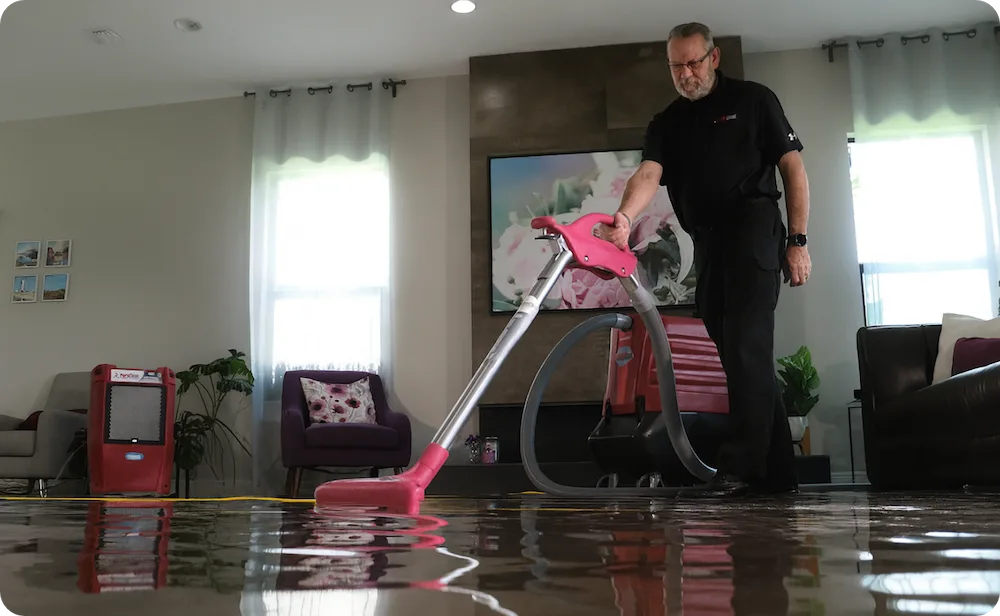
Water damage can result from unexpected leaks, flooding from storms, plumbing failures, or appliance malfunctions. Our certified teams focus on rapid water removal, drying, and stabilization to help prevent further damage and mold growth.
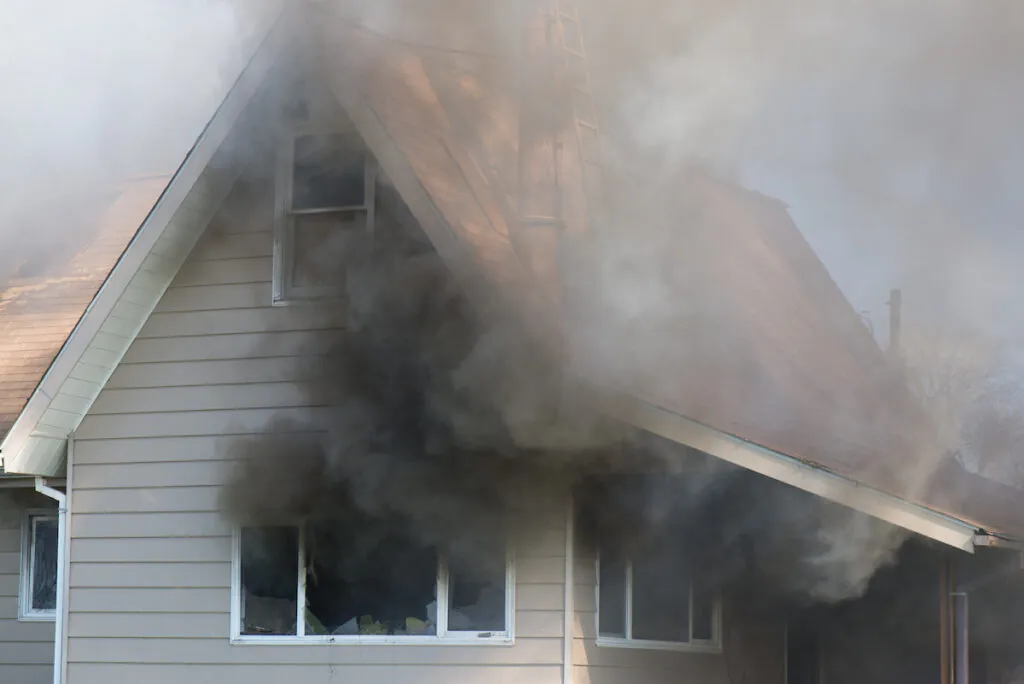
Even after a fire is extinguished, smoke, soot, and odor can continue to affect your home. Fire damage restoration services address visible damage while also helping reduce lingering effects that impact indoor air quality and surfaces.
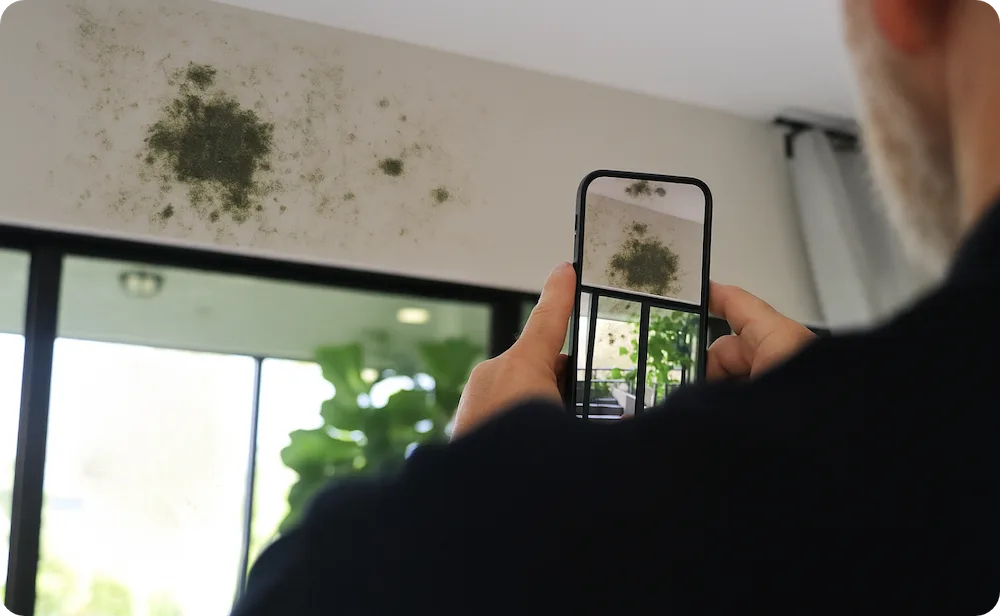
Mold often develops as a result of unresolved moisture or hidden water damage. Professional mold remediation helps identify affected areas, contain growth, and restore healthy indoor conditions.
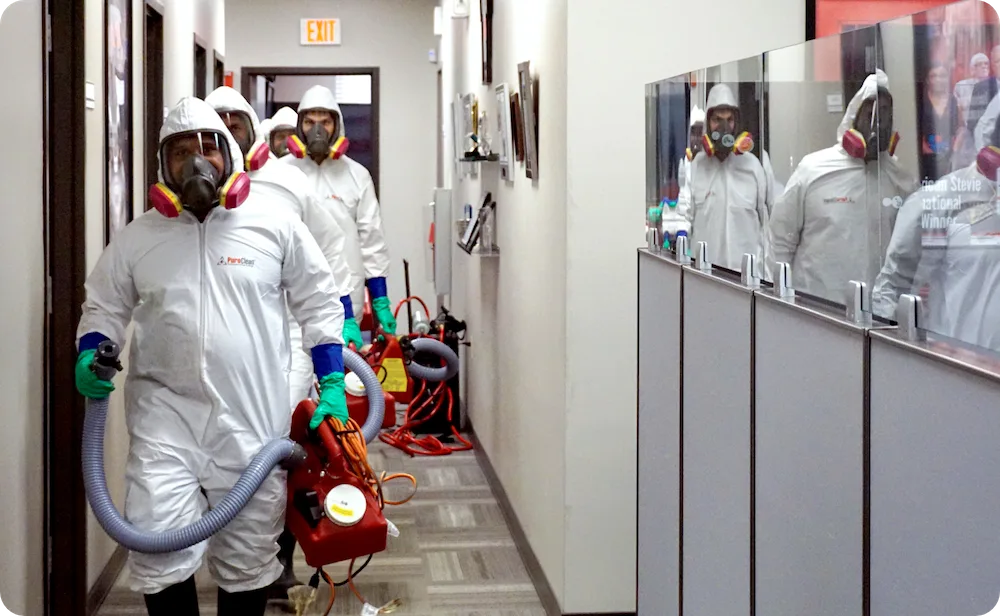
Biohazard situations, including crime scene cleanup and virus decontamination, require specialized cleaning and handling to protect health and safety. Biohazard cleanup services address contamination using proper protocols and professional care.
In some cases, property damage requires repairs beyond cleanup and mitigation. Reconstruction services help restore damaged areas of the home after water, fire, or other incidents, supporting a smoother transition from damage to recovery.
PuroClean provides 24/7 commercial property damage restoration services for businesses and facilities across the United States.
Water damage can result from unexpected leaks, flooding from storms, plumbing failures, or appliance malfunctions. Our certified teams focus on rapid water removal, drying, and stabilization to help prevent further damage and mold growth.
Answers to the questions Paris homeowners and business owners ask us most often.
Yes — Paris is about 23 miles from our office via U.S. Route 150, the same route that connects Terre Haute to Paris and passes directly through New Goshen, Indiana along the way. Crossing into Illinois doesn’t change our response: our crews regularly travel US 150 to serve this part of our coverage area, and we prioritize active water and fire emergencies regardless of which side of the state line a property is on. The state line is simply a point on the map, not a barrier to getting help to you quickly.
Our crews travel northwest on US 150 from 494 W Honey Creek Drive in Terre Haute, crossing into Illinois on the same route, covering about 23 miles to reach Paris. Our dispatcher will ask for your street address, and for properties near the courthouse square downtown, that landmark helps confirm our approach; for rural Edgar County properties, we’ll ask for your road and nearest cross-road. We prioritize active emergencies and our crews are familiar with the US 150 corridor connecting Terre Haute to Paris.
Many of the commercial buildings near the courthouse square date to Paris’s late-nineteenth and early-twentieth-century growth, the same era as the 1891-93 courthouse itself, and these buildings often sit close together or share walls, so a pipe burst or roof leak can affect more than just your space. Our technicians assess the full scope using moisture meters and thermal imaging, classify the water loss by category and class, and begin extraction and structural drying immediately to minimize disruption to your business. We document everything in an Xactimate estimate that can be submitted directly to your commercial property insurance.
Many of Paris’s homes near the courthouse square date to the city’s nineteenth and early-twentieth-century growth, and homes from this era often have original framing and plumbing with minimal vapor barriers, which lets water travel further than expected through wall and ceiling cavities once a pipe fails. Our first step is assessment: we use thermal imaging to map how far the water has spread through your home’s framing. From there we classify the loss, remove unsalvageable materials, apply antimicrobial treatment to prevent mold, and set up structural drying equipment the same visit.
A septic backup into the home is classified as a Category 3 ‘black water’ loss under IICRC S500 standards, requiring specialized handling, disposal, and decontamination procedures beyond a standard clean-water cleanup. Saturated ground on the flat farmland surrounding Paris after heavy rain can slow septic drainage and cause backups even when the system itself is functioning normally. We document the loss thoroughly, including the timeline and cause, and can help you understand how your specific homeowner’s policy addresses sewage and septic backup coverage as we work with your adjuster.
Yes — Paris is about 23 miles from our office via U.S. Route 150, the same route that connects Terre Haute to Paris and passes directly through New Goshen, Indiana along the way. Crossing into Illinois doesn’t change our response: our crews regularly travel US 150 to serve this part of our coverage area, and we prioritize active water and fire emergencies regardless of which side of the state line a property is on. The state line is simply a point on the map, not a barrier to getting help to you quickly.
Our crews travel northwest on US 150 from 494 W Honey Creek Drive in Terre Haute, crossing into Illinois on the same route, covering about 23 miles to reach Paris. Our dispatcher will ask for your street address, and for properties near the courthouse square downtown, that landmark helps confirm our approach; for rural Edgar County properties, we’ll ask for your road and nearest cross-road. We prioritize active emergencies and our crews are familiar with the US 150 corridor connecting Terre Haute to Paris.
Many of the commercial buildings near the courthouse square date to Paris’s late-nineteenth and early-twentieth-century growth, the same era as the 1891-93 courthouse itself, and these buildings often sit close together or share walls, so a pipe burst or roof leak can affect more than just your space. Our technicians assess the full scope using moisture meters and thermal imaging, classify the water loss by category and class, and begin extraction and structural drying immediately to minimize disruption to your business. We document everything in an Xactimate estimate that can be submitted directly to your commercial property insurance.
Many of Paris’s homes near the courthouse square date to the city’s nineteenth and early-twentieth-century growth, and homes from this era often have original framing and plumbing with minimal vapor barriers, which lets water travel further than expected through wall and ceiling cavities once a pipe fails. Our first step is assessment: we use thermal imaging to map how far the water has spread through your home’s framing. From there we classify the loss, remove unsalvageable materials, apply antimicrobial treatment to prevent mold, and set up structural drying equipment the same visit.
A septic backup into the home is classified as a Category 3 ‘black water’ loss under IICRC S500 standards, requiring specialized handling, disposal, and decontamination procedures beyond a standard clean-water cleanup. Saturated ground on the flat farmland surrounding Paris after heavy rain can slow septic drainage and cause backups even when the system itself is functioning normally. We document the loss thoroughly, including the timeline and cause, and can help you understand how your specific homeowner’s policy addresses sewage and septic backup coverage as we work with your adjuster.
What Our Customers Say:
When you need water damage restoration services near you, call the experts at PuroClean. We are here day or night, 24/7, to help remove any standing water quickly and begin your water restoration service. We monitor the drying process so you can rest assured that your property is dried thoroughly. We offer commercial water restoration services for businesses and residential water damage restoration for homeowners.
PuroClean of Terre Haute
(812) 514-8555
494 W Honey Creek Drive, Terre Haute, IN 47802
© 2026 PuroClean. All Rights Reserved.