


Knowing how to prepare for a hurricane is critical for protecting your family, your home, and your belongings. Hurricanes and tropical storms are powerful, unpredictable weather events that can cause severe wind damage, flooding, power outages, and long-term property damage. The Atlantic hurricane season officially runs from June 1 through November 30, with peak activity often occurring from mid-August to mid-September.
Proper hurricane preparedness starts well before a storm forms. Understanding what to do before, during, and after a hurricane can significantly reduce risk and help you recover more quickly if disaster strikes.
How to Prepare for a Hurricane—Before It Hits
Preparation is the most important phase of hurricane safety planning. Taking proactive steps early gives you more options if conditions worsen.
- Understand your local flood risk and evacuation routes by learning how hurricanes typically impact your area and identifying official community evacuation paths ahead of time.
- Create a family evacuation plan that includes a designated meeting place, multiple travel routes, and a clear communication strategy if family members become separated. Know where you will go if evacuation is required, such as a shelter or a relative’s home.
- Secure flood insurance before hurricane season begins, as standard homeowners insurance policies do not cover flood-related damage.
- Check whether your property is flood-prone based on elevation, proximity to water sources, and historical flooding data in your area.
- Identify nearby levees and dams and determine whether they present a potential risk during heavy rainfall or storm surge events.
- Store copies of important documents such as property records, insurance policies, and identification in a waterproof container within your disaster kit.
- Back up electronic data from computers, phones, and tablets to a secure cloud service or external drive in case devices are damaged or destroyed.
- Include pets in your emergency planning by preparing food, medical records, carriers, and a safe evacuation plan to ensure their protection during a hurricane.
Create an Emergency Hurricane Kit
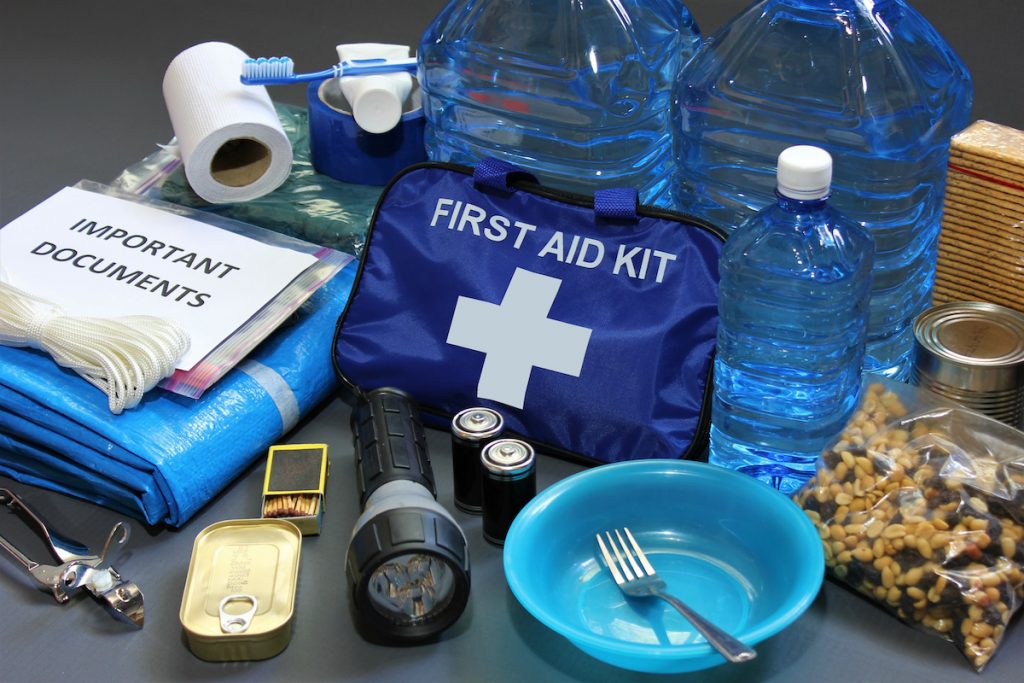
FEMA recommends that you gather supplies, including:
- Water for drinking and sanitation
- Non-perishable food
- Battery-powered or hand-crank radio with NOAA Weather Radio
- Flashlights and extra batteries
- First aid kit
- Dust masks, plastic sheeting, and duct tape
- Moist towelettes and garbage bags
- Pliers or wrench to shut off utilities
- Manual can opener
- Local maps
- Cell phone with a backup charger
Having supplies ready is a core part of how to prepare for a hurricane safely.
How to Secure Your Home for a Hurricane
Here’s how to ensure your home or business stays safe during a tropical storm:
- Secure your roof by reinforcing roofing materials and framing with hurricane straps or clips. Reattach loose shingles using heavy-duty adhesive, and seal around chimneys, vent pipes, and roof penetrations to reduce the risk of water intrusion.
- Maintain gutters and downspouts by cleaning them regularly to prevent clogs. Blocked or sagging gutters can cause water to overflow and damage siding, foundations, and roofing. Make sure downspouts are firmly attached and directing water away from the home.
- Protect your windows from high winds and flying debris. Permanent hurricane shutters made of steel or aluminum offer the strongest protection, while properly installed plywood is a solid alternative. Avoid taping windows, as it does not prevent glass from breaking.
- Seal vulnerable areas around your home with caulk. Apply it around windows, door frames, exterior wall joints, chimneys, and other openings to block wind-driven rain and moisture.
- Reduce flood-related damage by insulating exterior first-floor walls with rigid foam or installing plastic sheeting. While not fully waterproof, these measures help limit moisture and silt intrusion.
- Reinforce your garage door, one of the most vulnerable parts of a home during a hurricane. Install a storm-rated brace kit or strengthen it with metal post systems, metal panels, fabric screens, or 5/8-inch plywood.
- Trim trees and shrubs around your property to remove dead or loose branches. Strong winds can turn branches into projectiles that damage roofs, windows, and siding.
- Secure loose outdoor objects such as lawn furniture, grills, potted plants, and pet structures. Tie down heavier items and bring lightweight objects indoors when a storm is approaching.
- Protect appliances and electronics by unplugging devices and using surge protectors. Power outages and electrical surges during storms can cause permanent damage.
- Move valuables to higher levels of your home when possible. If relocation isn’t an option, raise items off the floor using concrete blocks or sturdy platforms to reduce the risk of water damage.
What to Do When a Hurricane Is Imminent
As the storm approaches:
- Place sandbags or water-filled bags near entry points
- Fill your vehicle’s gas tank
- Fully charge mobile devices
- Set refrigerators to the coldest setting
- Monitor weather alerts and official instructions
These final steps are crucial to last-minute hurricane preparation.
Hurricane Safety Tips—During the Storm
Here are essential tips to protect yourself and your family members during a hurricane:
- If authorities advise or order you to evacuate your area, take your emergency disaster kit and leave immediately. Strictly follow posted evacuation routes and do not try to take shortcuts.
- If you are outside and the storm approaches, get indoors as soon as possible to avoid being hit by flying debris.
- If your home is on low-lying ground, move to higher ground. If you’re in a mobile home, go to the nearest safe shelter.
- While indoors, stay away from windows, skylights, and glass doors. Find a safer spot to stay in, such as an interior room or a bathroom on the lower level.
- During the storm, winds and rain may damage electrical wiring; do nott use electrical appliances to avoid fire hazards and electrical shocks.
- If your home is at risk of flooding, turn off electricity at the main circuit breaker. Do not turn on electricity until local officials have advised you to do so.
- Never use gasoline-powered or charcoal-burning devices inside to prevent carbon monoxide poisoning. Keep those devices outside.
- If trapped in a building that’s flooding, go to the highest level. Do not climb into a closed attic, as rising floodwater may trap you.
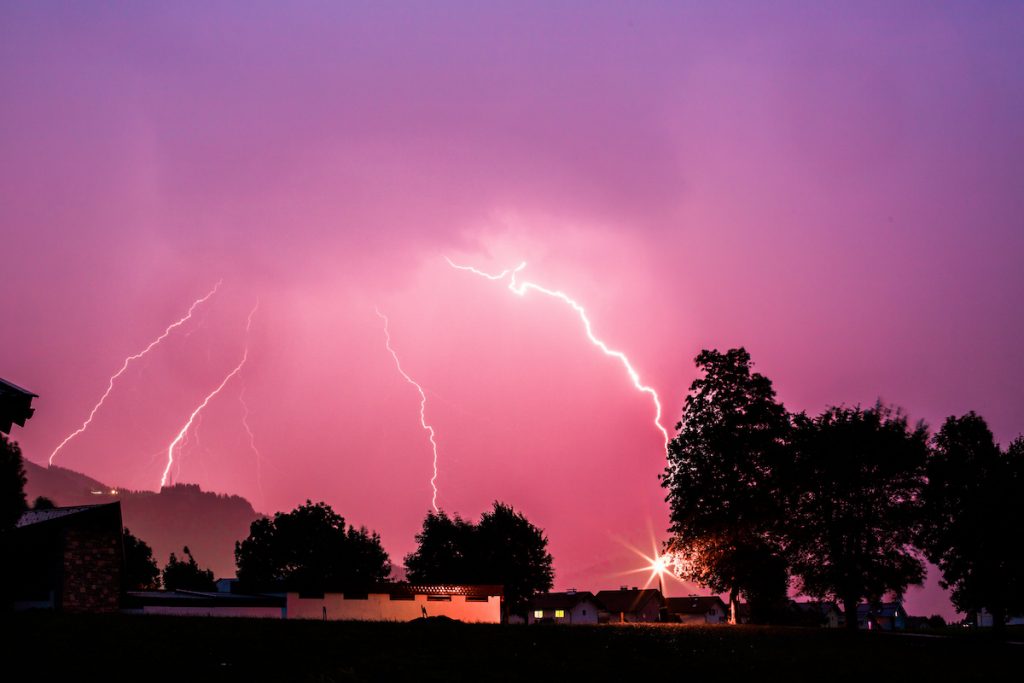
- Lightning is also a safety risk. Stay safe from lightning in your home during a storm by NOT using the shower, phone, or electrical equipment.
- Be aware that the eye of the storm may pass over your area, during which the storm will calm. The storm can start again without warning, however.
- Stay indoors until the local officials have announced that the storm is over. Listen to the radio or turn on the TV (if safe to do so) to get the latest updates.
Hurricane Safety Tips — After
Here’s how to stay safe after a tropical storm has passed:
- Listen to authorities for information and special instructions.
- Never walk or drive on flooded roads or through floodwater. Just six inches of fast-moving water can knock you down, and one foot of moving water can sweep your vehicle away. Floodwater may also contain contaminants, dangerous debris, or downed power lines.
- Enter a damaged building only after a professional has inspected the electrical system, gas lines, and plumbing for damage.
- Take photos of any property damage and contact your insurance company for assistance. Wear protective equipment such as gloves, safety glasses, rubber boots, and masks when inspecting your home.
- Do not touch wet electrical equipment, more so if you’re standing in water.
- Throw out food that has been exposed to floodwaters or has not been maintained at a proper temperature. When in doubt, throw it out.
- Do not drink tap water if you’re not sure it’s safe.
Finally, make sure to download a copy of this handy Emergency Preparedness Document and use it to gather and record important numbers, such as your property or medical insurance provider, A/C repair service, etc.
Professional Help After Hurricane Damage
Even with careful hurricane preparedness, water intrusion and mold growth can still occur. Standing water and moisture must be addressed immediately to prevent secondary damage.
For water damage restoration, flood cleanup, and mold remediation, contact PuroClean right away. Our technicians respond 24/7 to stabilize properties and prevent further loss.
PuroClean’s Emergency Management Plan
PuroClean also offers Emergency Management Plans (EMPs) for commercial properties. These plans help businesses prepare for hurricanes, minimize downtime, and recover more efficiently. Our national disaster response team is ready to support communities impacted by severe storms.
Being informed and prepared is the best defense, and knowing who to call makes recovery faster and less overwhelming. Understanding how to prepare for a hurricane gives you the confidence and readiness needed when severe weather threatens.
Case Study: Hurricane Response in Action: How PuroClean Restored Communities After Hurricanes Helene and Milton



