




Water damage is one of the most common and expensive home disasters. But does homeowners insurance cover water damage in real-world situations such as burst pipes, washing machine leaks, roof failures, or flooding?
The answer depends on cause, timing, and maintenance conditions. Recent 2026 insurance changes have made certain water damage categories more restrictive.
This updated guide breaks down what is and is not covered, explains common claim scenarios, and helps you understand what to expect when filing a water damage insurance claim.
Quick Summary: Water Damage Insurance Coverage
Generally, covered:
- Sudden & accidental water damage
- Burst pipes (if the home was properly heated)
- Washing machine or appliance failures
- Roof leaks caused by storms
- Basement damage from sudden interior leaks
- Contents damaged by a covered water event
Generally, not covered:
- Gradual leaks/maintenance issues
- Foundation seepage
- Surface water entering from outside
- Sewer backup (unless you have an add-on endorsement)
- Flooding from natural disasters (requires FEMA flood insurance)
- Damage caused by homeowner negligence
1. Does Insurance Cover Frozen or Burst Pipes?
YES, if the damage is sudden and accidental.
Homeowners insurance usually covers:
- Burst plumbing lines
- Frozen pipes that rupture
- Sudden water discharge damaging walls, floors, and personal property
NO, not covered if:
- The home was left unheated
- The homeowner failed to maintain insulation or fix known issues
- The property was vacant without proper winterization
Several insurers now require proof that the home was kept above 55°F (13°C) or properly winterized before approving frozen-pipe claims.
2. Does Insurance Cover Water Damage from a Swimming Pool Leak?
MOSTLY NO:
Standard policies do not cover damage caused by:
- Pool wall cracks
- Pool structural leaks
- Pool mechanical failures that cause seepage
Exceptions:
- If a tree, windstorm, or falling object damages the pool: covered
- Resulting interior water damage (e.g., basement flooding): sometimes covered
- Landscaping damage (lawns, shrubs): usually not covered
Bottom line: The pool itself is rarely covered unless damage is linked to another covered peril.
3. Does Insurance Cover Water Damage from Washing Machine Overflows?
YES, in most sudden or accidental situations.
Covered causes include:
- Burst washing machine hoses
- Sudden mechanical failure
- Accidental overflow
NO, not covered if:
- Hoses were old and never replaced
- The machine had known issues
- Leaks occurred gradually over time
Claim tip: Document maintenance (replacing hoses every 3–5 years) to avoid denial for negligence.
4. Does Insurance Cover Sewer or Drain Backups?
NO, unless you have a sewer backup endorsement.
Standard homeowners insurance excludes:
- Sewer line backups
- Septic system overflow
- Drain line failure
- Sump pump overflow
To be covered, you need:
- A Water Backup Endorsement (usually $40–$100/year)
- Often capped at $5,000–$25,000, depending on the insurer
Many carriers lowered default coverage limits due to rising claims, homeowners should check their policy.
5. Does Homeowners Insurance Cover Flooding from Natural Disasters?
NO, standard homeowners insurance does NOT cover floods.
Floods caused by:
- Storm surge
- Overflowing rivers
- Hurricanes
- Rapid snowmelt
- Heavy rainfall
- Groundwater seepage
These flooding causes require a separate NFIP or private flood insurance policy.
Resource: Learn more at the National Flood Insurance Program (NFIP).
6. Does Insurance Cover Water Seepage Through the Foundation or Basement Walls?
NO:
Foundation seepage is considered:
- Gradual
- Preventable
- A maintenance issue
Insurance companies classify seepage as long-term water intrusion, which is excluded.
7. Does Homeowners Insurance Cover Water Damage from Roof Leaks?
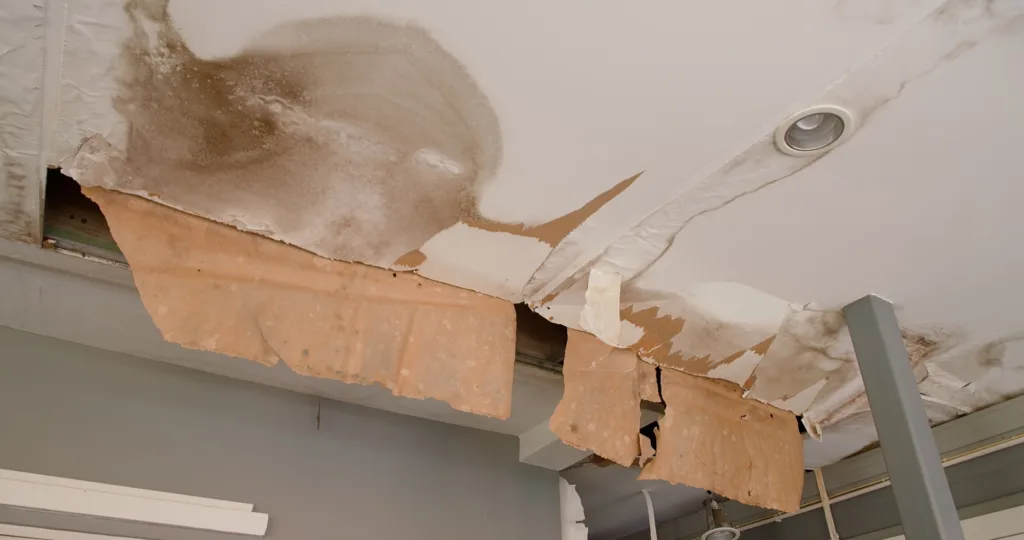
YES, if the roof leak is caused by a covered peril.
Covered causes:
- Windstorms
- Hail
- Falling trees
- Sudden storm damage
Your policy does cover:
- Water entering through damaged shingles
- Damage to ceilings, walls, floors
- Damage to personal belongings
NO, not covered if:
- Shingles were old or deteriorated
- The roof had prior known issues
- The homeowner failed to maintain it
Roof claims are now one of the most heavily scrutinized categories. Many insurers require photos proving the roof was maintained.
What About Mold After Water Damage ? Is that Covered?
It depends on the cause.
YES, covered if:
- Mold results directly from a covered water event (e.g., burst pipe)
- Mitigation was performed promptly
NO, not covered if:
- Mold grew from long-term leaks
- The homeowner waited before taking action
- Moisture buildup was caused by maintenance issues
Many insurers now cap mold coverage at $5,000–$10,000 unless an optional mold rider was purchased.
2026 Policy Changes to Know
Water damage insurance rules have tightened due to rising claim volume. Expect increased scrutiny for:
- Claims involving gradual leaks (often denied)
- Roof damage (must prove storm involvement)
- Appliance failures (maintenance history requested)
- Frozen pipe claims (must show heating was on)
- Mold claims (strict timelines for reporting & mitigation)
More insurers now use:
- AI leak-pattern detection tools
- Photos/videos required at time of loss
- Mandatory inspections before major payouts
Conclusion: When Does Homeowners Insurance Cover Water Damage?
In most cases, homeowners insurance covers sudden and accidental water damage. However, it does not cover flooding, long-term leaks, foundation seepage, sewer backups (without endorsements), or maintenance-related issues.
Understanding your policy NOW prevents costly surprises later — and ensures fast action during an emergency.
Call PuroClean for Professional Water Damage Repair
If water damage strikes your home, fast action is critical. PuroClean’s certified property restoration teams provide:
- 24/7 emergency response
- Water extraction
- Structural drying
- Mold remediation
- Insurance coordination
- Full water damage restoration
PuroClean qualified technicians are ready 24/7 to restore homes and protect families, delivering consistent service across communities nationwide. Call (800) 775-7876 or use our online office locator to find your local PuroClean.
FAQ: Water Damage & Insurance Claims
1. What should I do first when filing a water damage insurance claim?
- Stop the water source if possible
- Document everything with photos/videos
- Call a certified restoration company like PuroClean
- Contact your insurance carrier
- Keep receipts for emergency repairs
2. Is gradual water damage ever covered?
Almost never. If the insurer determines the issue developed over weeks or months, the claim is generally denied.
3. Will my premium increase after a water damage claim?
Yes, in many cases — especially if the claim is large. Multiple back-to-back water claims may result in non-renewal.
4. Does insurance cover replacing old plumbing or roofs?
No. Insurance covers damage, not maintenance or upgrades.
5. How long do I have to report water damage?
Most insurers require reporting within 24–72 hours. Delays can result in denial due to mold or worsening conditions.



