


Main takeaway: You can clean and reduce mold on wood naturally using household solutions like vinegar and hydrogen peroxide when the mold is small, surface-level, and the moisture source is corrected. These methods can be effective for early-stage growth (generally under 10 sq. ft., per EPA guidance). Mold that penetrates deep into wood fibers, causes ongoing odor, or keeps returning is often a sign of a moisture issue that may require professional assessment and remediation.
Mold on wood is more than a cosmetic issue. Left untreated, it can damage furniture, weaken wooden structures, and contribute to poor indoor air quality. This guide explains when DIY methods may be appropriate and when to call a professional for safer, more comprehensive remediation.
Important: DIY cleaning is only appropriate after the source of moisture is identified and corrected. The EPA states that mold will return if moisture problems are not fixed, regardless of cleaning method.
Quick Answer: How to Remove Mold From Wood Naturally
If you need a fast, practical solution, here’s the safest way to remove mold from wood naturally:
Recommended approach:
- Wear protective gear (gloves, goggles, N95 mask, perCDC recommendation)
- Ventilate the space or isolate the item
- Lightly apply white distilled vinegar or 3% hydrogen peroxide using a cloth or controlled spray at close range (avoid forceful spraying)
- Allow contact time of 10–15 minutes
- Gently scrub using a soft brush or abrasive sponge
- Wipe clean with soap and water
- Dry thoroughly and reduce humidity in the area
Stop DIY and hire a professional if:
- The wood feels soft
- Odor returns
- Staining bleeds back through
- Mold extends beyond 10 sq. ft.
If any of these factors exist, a DIY approach is no longer appropriate.
What Mold on Wood Looks Like (And Why It Matters)
Because wood is porous, mold can grow both on the surface and inside the fibers. Early detection matters.
Common signs of mold on wood
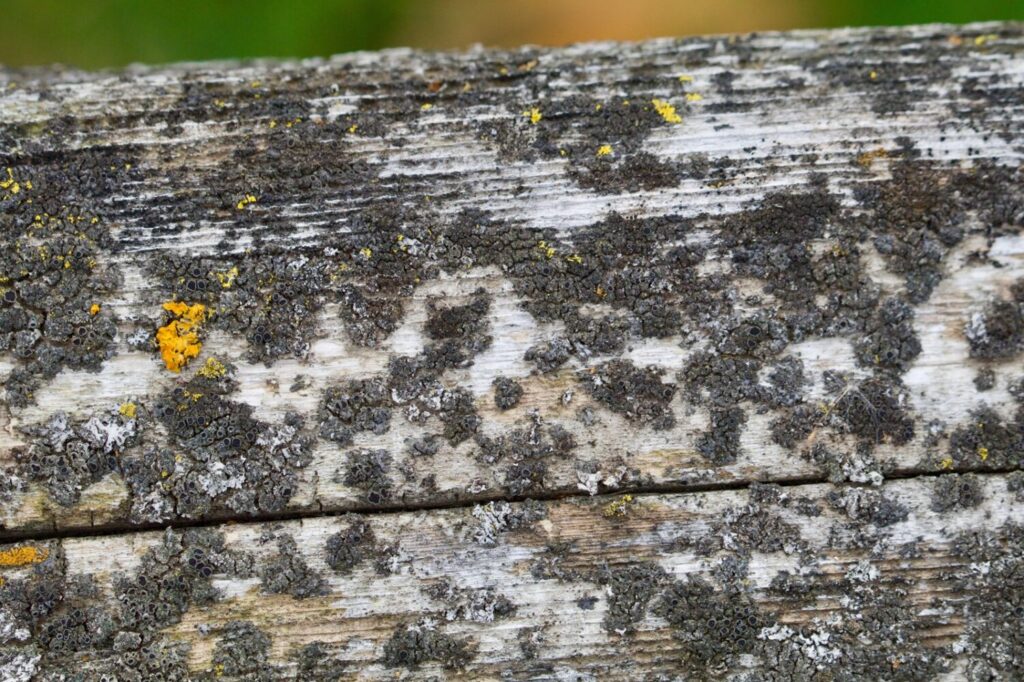
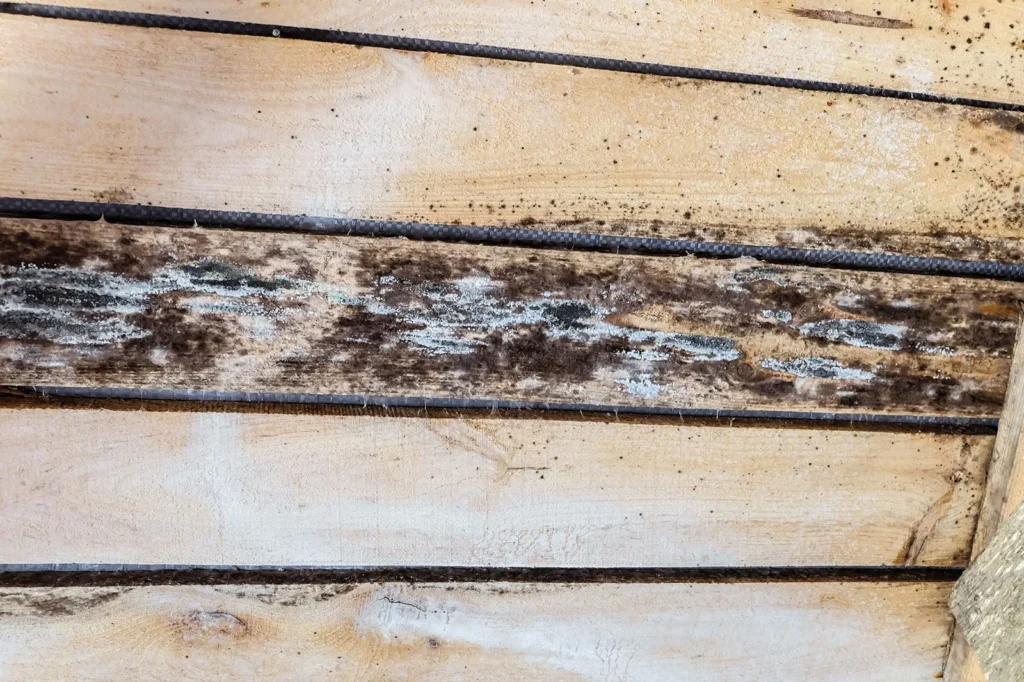
- Discoloration: Black, green, gray, or white patches that spread over time
- Texture changes: Fuzzy, powdery, or velvety growth
- Odor: A persistent musty or earthy smell near wooden surfaces (may indicate hidden growth)
- Location patterns: Growth near windows, leaks, bathrooms, or basements
While some discoloration may be harmless staining, mold typically worsens if moisture is present. According to the CDC, indoor mold exposure may contribute to respiratory irritation, allergies, or asthma symptoms, especially in individuals with sensitivities.
Why Mold Grows on Wood
Understanding why mold grows on wood helps prevent it from coming back after cleaning.
Wood naturally absorbs and retains moisture. When humidity levels rise above safe limits or water intrusion occurs, mold spores can activate quickly. Mold spores activate when conditions allow:
Mold Growth on Wood Formula
Moisture + Time (24–48 hours) + Wood/Cellulose
According to EPA guidance, mold is likely to form indoors when:
- Humidity exceeds 60% RH
- Ventilation is limited
- Water intrusion or leaks are unresolved
- Condensation forms regularly on surfaces
If moisture is not corrected, mold will return, regardless of the cleaning method.
Best Natural Products to Remove Mold From Wood
Natural solutions can be effective for removing mold from wood without harsh chemicals, but each option works differently depending on the surface and severity of the mold.
Natural mold removers explained
- White distilled vinegar: Vinegar kills many common household molds by penetrating into wood fibers and disrupting mold growth at the root. It works on both sealed and unfinished wood
- Hydrogen peroxide (3%): Hydrogen peroxide has antifungal, antibacterial, and antiviral properties. It’s especially useful on porous wood but may slightly lighten the surface
- Dish soap and water: This combination helps remove surface mold and spores but does not kill mold roots on its own. It’s best used after vinegar or peroxide
- Baking soda (optional): Baking soda does not kill mold effectively, but it can help absorb odors and moisture after cleaning
Bleach is not recommended for cleaning mold off of wood. It can discolor surfaces and does not kill the spores that lead to active mold growth. It may leave moisture behind that encourages regrowth (EPA guidance).
Comparison Table: Natural Mold Removal Options
| Method | Best For | Pros | Cons |
| Vinegar | Most wood surfaces | Natural, penetrates wood fibers | Strong odor |
| Hydrogen peroxide | Porous or unfinished wood | Kills mold deeply | May lighten wood |
| Soap & water | Light surface mold | Gentle, widely available | Doesn’t kill mold roots |
| Sanding | Mold stains after cleaning | Permanent stain removal | Releases spores, labor-intensive |
How to Remove Mold From Wood Furniture
Mold on wood furniture is more than a surface problem, it can affect indoor air quality, trigger allergies, and weaken the structure of the wood itself. Addressing mold quickly and correctly is essential to protect both your health and your furniture. This guide walks through how to clean mold off wood furniture safely, when restoration is possible, and when professional help is the better option.
Stop the Spread of Mold First
Reduce air movement around the affected area and avoid using oscillating fans directly on mold. If possible, isolate the item and prevent dust and debris from spreading. Professional containment methods (e.g., plastic sheeting & negative air machines) are recommended for larger contamination.
Isolate affected furniture
After a flood or another water problem, identify all furniture showing mold growth and move it to a well-ventilated, isolated area such as a garage or outdoor covered space. This reduces the chance of spores spreading to other rooms or being pulled into your HVAC system.
Reduce moisture immediately
Mold thrives in damp conditions. Use dehumidifiers to lower indoor humidity and increase airflow with fans or open windows when outdoor conditions allow. Keeping the area dry slows mold growth and improves cleaning effectiveness.
Clean nearby items
Furniture or other items near the mold source may not show visible growth but can still carry spores. Wipe or clean nearby surfaces to reduce the risk of reinfestation.
How to Remove Mold From Wood Furniture
Once the environment is controlled, remediation can begin. Not all wood furniture can be safely restored, and several factors should be evaluated first. The ANSI/IICRC S520 Standard for Mold Remediation notes that restoration decisions depend on factors such as extent of contamination, material porosity, and the feasibility of returning items to a suitable condition:
- Wood furniture is especially vulnerable due to joints, veneers, and finishes that trap moisture.
Before You Begin
- Isolate the item (garage / covered outdoor area when possible)
- Reduce air movement (avoid fans blowing directly across mold)
- Lower humidity with a dehumidifier
Cleaning Process
- PPE on: gloves, eye protection, and N95 or higher (CDC)
- Remove loose mold with a soft brush (avoid dry brushing aggressively)
- Apply vinegar or peroxide with cloth or controlled spray
- Allow 10–15 minutes of contact time
- Gently scrub in the direction of the grain
- Wipe with soap & water
- Dry completely in a ventilated area
If stains remain:
Light sanding may reduce discoloration, but sanding can release spores. If you are unsure, consult a professional.
When Furniture May Not Be Salvageable
- According to the principles of ANSI/IICRC S520:
- Deep contamination in porous materials
- Soft, crumbling, or structurally weakened wood
- Mold odor persists after drying & cleaning
- Mold under veneers or inside joints
These situations may require specialized restoration or replacement.
Removing Mold From Wood Floors and Ceilings
Mold on wood floors or ceilings often signals a bigger moisture issue, such as roof leaks, plumbing problems, or poor ventilation. Before cleaning, the source of moisture must be identified and corrected—otherwise, mold will return.
DIY May Be Appropriate If:
- Mold is surface-level
- Area is under 10 sq. ft. (EPA reference)
- Moisture source has been corrected
- No structural damage is present
Process:
- Correct leaks / drainage / humidity
- Move furniture + rugs
- Clean using vinegar or peroxide
- Dry with dehumidification + airflow
- Monitor for odor or discoloration returning
When to Stop DIY
Call a professional if you see:
- Gaps, lifting, or cupping in flooring
- Recurring discoloration or moisture
- Stains between boards
- Mold inside cavities / wall plates / insulation
- Occupant health complaints that correlate with the space
When DIY Mold Removal Is NOT Enough
Natural cleaning methods work only when mold is small, visible, and surface-level. They are not designed to handle widespread or hidden mold growth.
Call a professional if:
- The EPA generally recommends that mold contamination covering more than 10 square feet be evaluated by trained professionals.
- Mold returns after cleaning
- Musty odor persists
- Wood shows rot or softness
- You suspect mold but cannot find the source
- HVAC systems or wall cavities are affected
- Occupants experience respiratory or allergy symptoms
Professional remediation teams use:
- Containment systems
- HEPA filtration devices
- Moisture mapping & metering
- Controlled removal using IICRC S520-aligned processes
FAQs: Removing Mold From Wood Naturally
Can you permanently remove mold from wood naturally?
Yes, if the mold is limited to the surface and the moisture source is fully resolved. Deep mold growth requires professional remediation.
Is vinegar safe for all wood types?
Vinegar may reduce mold and inhibit regrowth on the surface by lowering pH levels, but it may not reach deeper layers of porous wood. Always test on a small inconspicuous area first.
Will mold come back after cleaning?
Mold will return if humidity or moisture problems are not fixed.
Is hydrogen peroxide better than vinegar?
Both can help treat surface mold. Hydrogen peroxide has stronger oxidizing properties; vinegar’s acidity may help inhibit growth. Effectiveness depends on the surface, porosity, and moisture conditions, not just the product used.
When should sanding be avoided?
Avoid sanding if mold is still active, widespread, or affecting structural wood.
Final Takeaways
- Natural cleaning methods are appropriate only for small, surface-level growth
- Moisture control is essential; cleaning alone does not solve mold problems
- Vinegar & peroxide can help clean and reduce mold on wood when used correctly
- Sanding removes staining, not necessarily active mold colonies
- Mold that returns, causes odor, or affects structure should be evaluated by professionals
Need Professional Mold Removal?
If mold keeps returning or affects large or hidden areas, professional help is the safest solution. PuroClean’s trained mold remediation and water damage restoration teams identify moisture sources, contain mold spores, and restore affected wood properly.
Call (800) 775-7876 or contact your local PuroClean office today to remove mold from wood safely and prevent future growth.



