



Table of Contents
Mold in a rental property is more than an inconvenience; it can affect health, habitability, and legal responsibilities for both tenants and landlords. Because mold often develops quietly due to moisture issues, early identification and clear documentation are essential. This guide explains how to recognize signs of mold, who may be responsible, and what steps tenants and landlords can take to prevent disputes and protect the property. Important: This information is for general guidance only and is not legal advice. Laws and requirements vary by state and municipality. Always confirm local regulations or consult a qualified professional before making legal decisions.
Signs of Mold in a Rental Property
Mold in a rental property is often hidden behind walls, under flooring, or inside HVAC systems, making it difficult to detect at first. However, there are several early warning signs tenants can identify before the problem becomes severe.
Persistent Musty or Earthy Odors
One of the earliest indicators of mold is a lingering musty or damp smell that doesn’t go away with routine cleaning or air fresheners. Odors are often strongest in bathrooms, basements, closets, or near walls with plumbing. A persistent smell may indicate hidden mold growth behind drywall or under flooring.
Visible Mold Growth
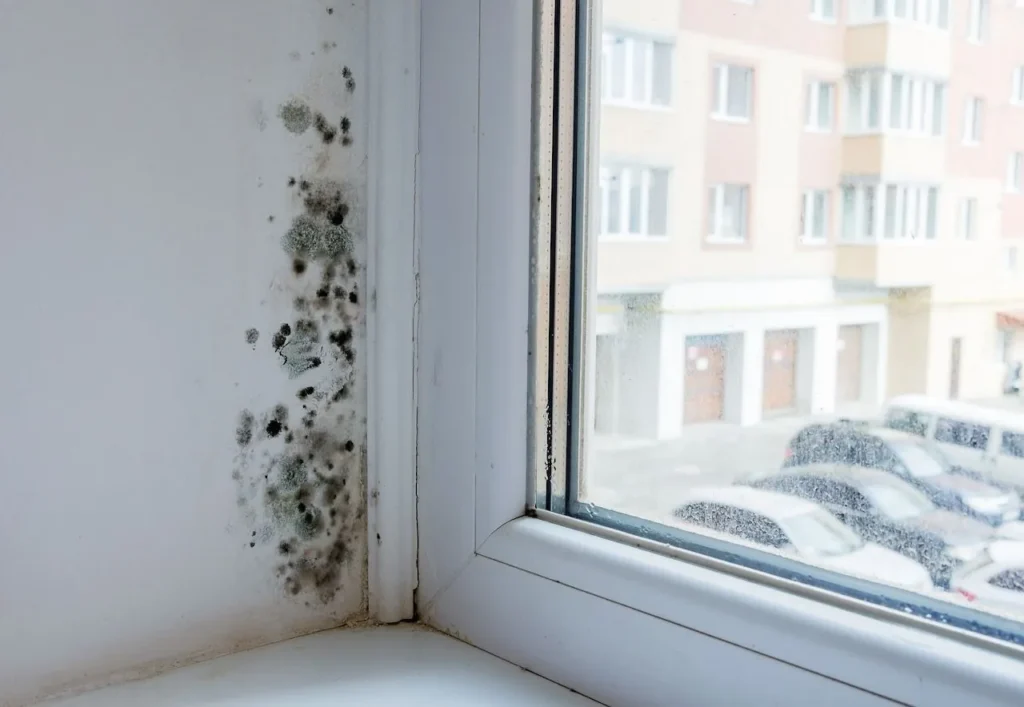
Mold may appear as black, green, white, or gray spots on walls, ceilings, window frames, grout lines, or around vents. It can look fuzzy, slimy, or powdery and may spread over time. Even small patches of visible mold can indicate a larger hidden issue.
Water Stains or Peeling Paint
Discoloration on walls or ceilings, such as yellow or brown stains, often signals ongoing moisture problems. Bubbling paint, warped drywall, or peeling wallpaper may indicate water intrusion that can lead to mold growth behind the surface.
Ongoing Allergy or Respiratory Symptoms
Prolonging mold exposure can trigger symptoms such as coughing, sneezing, congestion, itchy eyes, headaches, or skin irritation. If these symptoms worsen while you’re at home and improve when you leave, mold in the rental property could be a contributing factor.
Condensation & High Humidity
Frequent condensation on windows, exterior walls, metal pipes, or HVAC components can create damp conditions that allow mold to grow. Condensation often points to high humidity or poor ventilation, two common contributors to mold in rental housing.
If you notice any of these signs, it’s important to document the issue and act quickly. Taking photos, recording dates, and reporting concerns promptly can help prevent further damage. For background on why mold forms indoors, see our general guide on what causes mold in a house.

If you notice a musty odor in your rental, investigate further.
Who Is Responsible for Mold in a Rental Property?
Responsibility depends on the source of the moisture or water problem, not the presence of mold alone. In most jurisdictions, habitability standards focus on whether the landlord maintains a safe, livable environment and whether the tenant uses the property responsibly and reports issues promptly.
Important: This information is provided for general guidance only and is not legal advice. Always check local laws or consult a legal professional for location-specific requirements.
When the Landlord Is Typically Responsible
Quick Overview
- Landlord responsibility: leaks, water intrusion, building defects, ventilation failure
- Tenant responsibility: preventable moisture, misuse of systems, unreported leaks
- Shared responsibility: when both conditions and tenant behavior contribute
Key principle: The party responsible for the moisture problem is often responsible for addressing the mold.
Landlords are generally obligated to provide and maintain a habitable living environment. This includes correcting conditions that allow mold to grow when those conditions are outside the tenant’s control. A landlord is typically responsible for mold remediation when it results from:
- Leaking roofs or plumbing that were reported but not repaired in a timely manner
- Poor or missing ventilation, such as non-functioning bathroom or kitchen exhaust fans
- Structural defects, including foundation cracks, damaged siding, or improper drainage that allows water intrusion
- Prior water damage that was not properly dried, repaired, or remediated. In these situations, landlords are usually responsible for fixing the underlying moisture problem and arranging professional mold remediation when necessary.

Document mold issues in your rental with photos if possible.
What Tenants Should Do When Mold Is Suspected
If you believe mold in your rental property is tied to maintenance or structural issues, taking the right steps early can protect both your health and your rights.
- Notify the landlord in writing as soon as mold or moisture is discovered
- Document the issue with photos, videos, and dates, including any visible damage or health symptoms
- Keep records of emails, maintenance requests, repair notices, and landlord responses
- Avoid disturbing visible mold, as this can spread spores and worsen exposure
In many states, failure to address mold related to habitability can expose landlords to building code violations, fines, or legal claims.
Clear documentation protects everyone and helps determine cause and responsibility.
When the Tenant May Be Responsible for Mold in a Rental Property
While landlords are generally responsible for structural and maintenance-related moisture issues, tenants may be responsible for mold in a rental property when everyday habits or misuse of the space create conditions that allow mold to grow. Most leases require tenants to maintain reasonable cleanliness and to use the property as intended.
Tenant responsibility usually applies when mold develops due to avoidable moisture buildup or lack of basic care, rather than defects in the property itself.
Common Situations Where Tenants May Be Responsible
Poor Housekeeping and Moisture Management: Failing to clean spills, leaving wet towels or clothing piled indoors, or allowing standing water to remain on floors can introduce excess moisture. Over time, these conditions can lead to mold growth, especially in bathrooms, kitchens, and laundry areas.
Improper Use of Appliances and HVAC Systems: Misusing humidifiers, air conditioners, or heaters can raise indoor humidity levels beyond safe limits. Running humidifiers continuously, setting HVAC systems improperly, or turning off ventilation systems entirely can all contribute to mold-friendly conditions.
Blocking or Disabling Ventilation: Covering vents, closing air returns, or not using bathroom and kitchen exhaust fans traps moisture indoors. Poor airflow allows condensation to form on walls, ceilings, and windows—common areas for mold growth in rental units.
Failure to Report Leaks or Water Damage: Tenants are typically required to report leaks, drips, flooding, or water stains promptly. Delayed reporting can allow moisture problems to worsen and may shift responsibility if mold develops as a result.
Ignoring Minor Mold Growth: Small areas of surface mold, such as mildew on grout or around windows, are often considered a tenant maintenance issue. Failing to clean and address these early signs can allow mold to spread and become a larger remediation problem.
What Tenants Should Do to Limit Responsibility and Prevent Mold
Tenants can reduce the risk of mold and avoid potential disputes by taking proactive steps:
- Use exhaust fans during and after cooking or showering
- Keep indoor humidity between 30% and 55%
- Clean bathrooms, kitchens, and windowsills regularly
- Dry wet surfaces and materials promptly
- Avoid placing furniture directly against exterior walls where condensation can form
- Report leaks, water damage, or persistent condensation to the landlord immediately
Documenting maintenance requests and moisture-related concerns is especially important. Even when a tenant is unsure who is responsible, early reporting protects everyone involved.
When Professional Help Is Still Needed
Even if tenant behavior contributed to moisture issues, professional mold remediation may still be necessary when:
- Mold covers a large area
- Mold returns after repeated cleaning
- Mold is present behind walls, under flooring, or in HVAC systems
- Health symptoms are present
In these cases, certified mold remediation professionals can assess the situation, determine the extent of contamination, and recommend appropriate next steps, often preventing further damage or disputes.
Contact Mold Remediation Professionals
Here’s what to look for when hiring a mold remediation service:
Experience and Certification
Choose a company with experience in mold remediation and relevant certifications. Look for professionals certified by organizations like the Institute of Inspection, Cleaning, and Restoration Certification (IICRC).
Comprehensive Services
Ensure the company offers comprehensive services, including mold removal, inspection, and prevention. They should also provide a detailed plan to address the mold problem and prevent future growth.
Insurance and Guarantees
Verify that the mold remediation company is insured and their work is guaranteed. This can provide peace of mind and protection in case any issues arise during the remediation process.

A mold remediation professional can give you the peace of mind you need.
Facing Mold in Your Rental? Call PuroClean Today for Superior Mold Remediation Services!
If you’re dealing with a mold problem in your rental, don’t wait until it’s too late. PuroClean offers professional mold remediation services to help you remove mold and prevent it from returning.
Our experienced team uses advanced techniques to identify and eliminate any presence of mold, ensuring your property is safe and healthy. Contact us today at 800-775-7876 to schedule a consultation and take the first step toward a mold-free environment, or use our online office locator.
Summary
- Mold in a rental property: Mold typically develops due to excess moisture, poor ventilation, or unresolved water damage.
- Early warning signs: Musty odors, visible mold, water stains, condensation, and allergy symptoms can signal hidden mold growth.
- Landlord responsibility: Landlords are usually responsible when mold is caused by leaks, structural defects, poor ventilation, or unrepaired water damage.
- Tenant responsibility: Tenants may be responsible when mold results from poor moisture control, misuse of appliances, blocked vents, or failure to report leaks.
- Prevention matters: Controlling humidity, using ventilation, cleaning regularly, and reporting moisture issues early help prevent mold.
- Documentation is key: Written notices, photos, and maintenance records protect both tenants and landlords.
- Professional remediation: Large, recurring, or hidden mold problems should be handled by certified mold remediation professionals.
FAQs
1. Who is responsible for mold in a rental property?
Responsibility depends on the cause. Landlords are typically responsible for mold caused by leaks, structural issues, or poor ventilation, while tenants may be responsible if mold results from everyday habits or failure to report moisture problems.
2. What are common signs of mold in a rental property?
Common signs include musty odors, visible mold spots, water stains, peeling paint, frequent allergy symptoms, and excessive condensation on windows or walls.
3. Can a tenant be blamed for mold growth?
Yes, if mold is caused by poor housekeeping, blocking vents, improper use of humidifiers, or not reporting leaks promptly. Minor surface mold is often considered a tenant maintenance issue.
4. What should a tenant do if they find mold in their rental?
Tenants should document the issue with photos, notify the landlord in writing immediately, avoid disturbing the mold, and keep records of all communications.
5. When is professional mold remediation necessary in a rental property?
Professional remediation is recommended when mold covers a large area, returns after cleaning, is hidden behind walls or floors, or causes health symptoms.
Need Help With Mold in a Rental Property?
Whether you’re a tenant, landlord, or property manager, PuroClean can help.
Our IICRC-certified technicians identify moisture sources, provide remediation solutions, and help restore safe living conditions.
📞 Call (800) 775-7876 or visit our website to connect with your local PuroClean office.



