


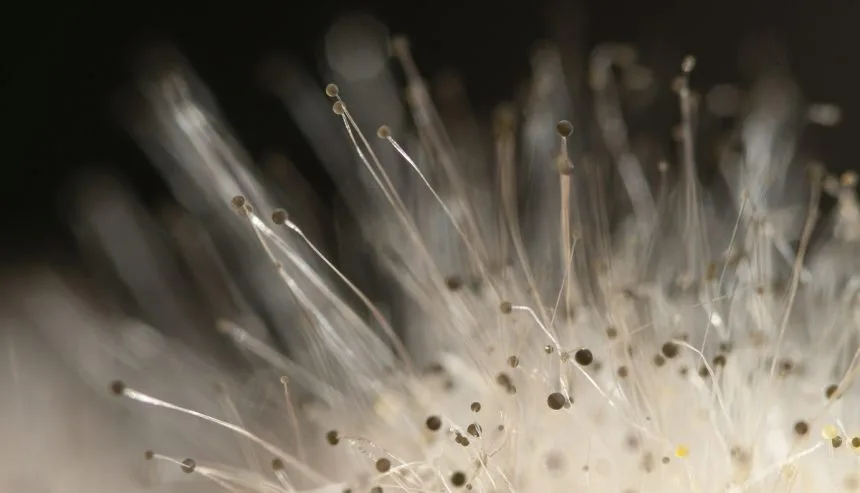

Mold season is upon us! Many people don’t know that mold grows year-round, but it becomes more noticeable in the spring and summer.
This is because mold loves moisture, and warm weather creates the perfect environment to grow. Here’s what you need to know about mold season and how to keep mold at bay.
When is Mold Season?
Mold season generally spans from early spring to mid-fall in the United States, coinciding with periods of higher moisture and warmer temperatures. Mold thrives in these conditions, making it essential to be vigilant during these months to prevent mold growth in your home.
Early Spring
As the weather begins to warm up in early spring, moisture levels in the air increase. This combination of warmth and humidity creates an ideal environment for mold spores to germinate and grow. The transition from cold to warmer weather often leads to condensation and dampness in various parts of the home, such as basements, attics, and crawl spaces.
Homeowners should start paying close attention to potential mold hotspots, especially in areas that may have accumulated moisture over the winter. Regularly inspect windows, roofs, and pipes for water leaks and ensure proper ventilation to reduce indoor humidity.
Midsummer
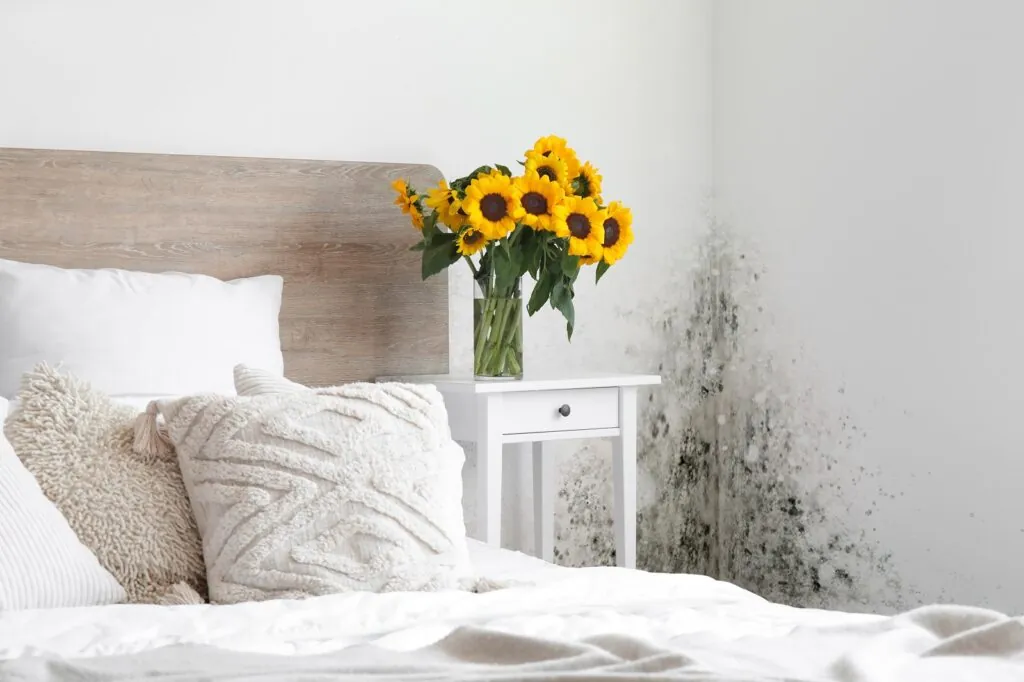
Midsummer marks the peak of mold season. The southern regions of the United States, in particular, experience hot and humid conditions that significantly promote mold growth. During this time, mold can spread rapidly due to the sustained high humidity levels. It’s crucial to regularly inspect and maintain areas prone to dampness and humidity, such as basements, bathrooms, kitchens, and any other areas with poor ventilation.
Using dehumidifiers, air conditioners, and exhaust fans can help manage indoor moisture levels. Additionally, ensure that your home’s exterior drainage is functioning properly to prevent water from pooling near the foundation.
Mid-Fall
As mid-fall approaches, temperatures start to drop, and the air becomes drier. These conditions are less favorable for mold growth, leading to a natural decline in mold activity. However, even during this period, it’s important to remain vigilant.
Mold spores can still be present and may become active again with the right conditions. As leaves fall and accumulate, ensure gutters and downspouts are clear to prevent water backups that could lead to moisture intrusion. Continue to monitor indoor humidity levels and address any leaks or damp spots promptly to prevent mold from gaining a foothold.
What Causes Mold to Grow in Homes?
Mold growth in homes can be triggered by various factors, especially during mold season. Understanding these causes can help you take preventative measures to keep your home mold-free. Here are some common reasons why mold might grow in your home:
The Weather
Mold thrives in warm, humid conditions, making weather a significant factor. During mold season, which spans from early spring to mid-fall, the combination of higher temperatures and increased moisture in the air creates an ideal environment for mold spores to germinate and spread. Homes in regions with consistently high humidity or frequent rain are particularly susceptible to mold growth.
Flooding
Flooding is a major cause of mold growth. When a home is flooded, water can seep into walls, floors, and furniture, creating a moist environment perfect for mold. It is crucial to dry out the affected areas as quickly as possible, ideally within 24 to 48 hours, to prevent mold from taking hold. Using pumps, wet-dry vacuums, and industrial fans can help expedite the drying process.
Leaky Pipes or Roofs
Leaks from pipes or roofs can introduce continuous moisture into your home. Even small leaks can create significant mold problems if left unaddressed. Regularly inspect your plumbing and roofing for signs of leaks, such as water stains, drips, or musty odors. Repairing leaks promptly is essential to prevent mold growth.
Damp Clothing or Towels
Leaving damp clothing or towels lying around can provide a breeding ground for mold. Mold can easily grow on fabrics that remain wet for extended periods. Always hang wet items to dry in well-ventilated areas, and avoid leaving them in piles or enclosed spaces like laundry baskets.
Poor Home Ventilation
Proper ventilation is critical in preventing mold growth. Homes that are not well-ventilated can trap moisture, leading to damp conditions ideal for mold. Ensure that areas like bathrooms, kitchens, and basements are well-ventilated. Use exhaust fans, open windows, and dehumidifiers to reduce moisture levels and improve air circulation.
Wet Basements
Basements are especially prone to mold growth due to their tendency to be damp and poorly ventilated. Water can seep into basements from the ground or through foundation cracks, creating a moist environment. To prevent mold, ensure that your basement is dry and adequately ventilated. Consider using a dehumidifier and regularly inspect for leaks or moisture buildup.
Quick Response to Water Damage
Mold can start growing within 48 hours of a water damage incident. Therefore, it is crucial to address any water damage immediately. Thoroughly dry and clean all affected areas and items. If mold has already started to grow, it is important to remove it as soon as possible to prevent a more extensive mold issue. In severe cases, you may need to hire professional mold remediation services to ensure thorough removal and prevent recurrence.
Remember, mold can start growing within 48 hours of a water damage problem. Thus, get the mold removed as fast as possible to avoid extensive mold issues.
What are the Dangers of Mold?
Exposure to mold can lead to a variety of health problems, ranging from mild allergic reactions to more serious conditions. The severity of these symptoms can vary depending on the type of mold, the level of exposure, and individual sensitivity. Here’s a detailed look at some common health risks associated with mold:
Respiratory Problems
- Cough: Mold spores can irritate the airways, triggering a persistent cough that may be dry or produce phlegm. This is a common symptom, especially in individuals with pre-existing respiratory conditions like asthma.
- Difficulty Breathing: Mold exposure can exacerbate asthma symptoms and cause shortness of breath, wheezing, or tightness in the chest. In severe cases, it can lead to respiratory distress.
Allergy Symptoms
- Rashes on the Skin: Mold allergies can manifest as red, itchy rashes or hives. These rashes can appear anywhere on the body and may vary in size and shape.
- Hives: Hives are raised, red welts on the skin that appear suddenly and are often intensely itchy. They are a common allergic reaction to mold exposure.
- Itching Eyes: Mold spores can irritate the eyes, causing itching, redness, and excessive tearing. This can be mistaken for allergic conjunctivitis.
- Runny Nose: Mold exposure can trigger a runny nose or nasal congestion, similar to symptoms of a cold or allergies.
- Sneezing: Frequent sneezing is a common allergic reaction to mold, as the body attempts to expel the irritating spores.
Headaches or Migraines
- Headaches: Exposure to mold can trigger headaches that range in intensity from mild to severe. These headaches may be persistent or recurrent.
- Migraines: Mold can be a trigger for migraines in individuals who are prone to them. Migraines are severe, debilitating headaches often accompanied by nausea, vomiting, and sensitivity to light and sound.
Cognitive Impairment
- Memory Loss: Prolonged exposure to certain types of mold can affect cognitive function, leading to memory problems, difficulty concentrating, and brain fog.
- Forgetfulness: Individuals may experience increased forgetfulness, difficulty recalling information, or problems with short-term memory.
- Confusion: Mold exposure can impair cognitive function, leading to confusion, disorientation, and difficulty thinking clearly.
Other Symptoms
- Skin Rash with Severe Itching: Mold can cause a skin rash accompanied by intense itching that can be highly uncomfortable and disruptive to daily life.
- Eye Irritation: Beyond itching, mold exposure can cause eye redness, swelling, burning sensations, and a feeling of grittiness in the eyes.
- Fatigue: Prolonged exposure to mold can lead to chronic fatigue, characterized by persistent tiredness, low energy levels, and difficulty sleeping.
- Aches and Joint Pain: Some individuals experience muscle aches, joint pain, and stiffness after mold exposure. The exact mechanism is not fully understood but may involve inflammatory responses.
- Nausea: Mold exposure can cause nausea, a feeling of unease in the stomach that may lead to vomiting in some cases.
- Ear Infections: Mold spores can enter the ear canal and cause infections, leading to ear pain, discomfort, and potential hearing problems.

Mold Allergy Season
Mold allergy season can be a particularly challenging time for those who suffer from mold allergies. During this period, mold spores are released into the air in large quantities, which can trigger allergic reactions and exacerbate asthma symptoms. Here’s a more detailed look at the issues and preventive measures associated with mold allergy season:
Understanding Mold Allergy Season
Mold thrives in damp and humid environments, making certain times of the year more problematic for mold growth and spore distribution. Typically, mold allergy season peaks during the late summer and fall months, but it can vary depending on geographic location and climate conditions. During these times, mold spores become airborne and can easily be inhaled, leading to a range of allergic reactions.
Symptoms of Mold Allergies
Common symptoms of mold allergies include:
- Sneezing
- Runny or stuffy nose
- Itchy, watery eyes
- Coughing
- Postnasal drip
- Wheezing or asthma flare-ups
- Itchy throat or skin
These symptoms can significantly impact daily life, causing discomfort and reducing overall quality of life.
Preventive Measures
To protect yourself from mold allergies during mold season, consider the following strategies:
- Stay Indoors: Limit outdoor activities during periods when mold spore counts are high. Mold levels are typically higher in the late afternoon and after rain showers.
- Keep Windows Closed: Prevent mold spores from entering your home by keeping windows and doors closed, particularly during peak mold season.
- Use Air Purifiers: Invest in a high-efficiency particulate air (HEPA) purifier. These devices can help trap mold spores and other allergens, improving indoor air quality.
- Maintain Indoor Humidity Levels: Use dehumidifiers to keep indoor humidity levels below 50%. Mold thrives in moist environments, so reducing humidity can help prevent mold growth.
- Clean Regularly: Keep your home clean and dry. Pay special attention to areas prone to moisture, such as bathrooms, kitchens, and basements. Use mold-killing products to clean surfaces.
- Check for Leaks: Regularly inspect your home for leaks or water damage and address any issues promptly. Fixing leaks can prevent mold from growing in hidden areas.
- Wear Protective Gear: If you need to clean moldy areas, wear a mask and gloves to reduce your exposure to mold spores.
- Monitor Mold Spore Levels: Stay informed about daily mold spore counts in your area through weather reports or allergy apps. This information can help you plan outdoor activities accordingly.
What are some Signs of Mold Growth?
Detecting mold growth early can help prevent health issues and structural damage to your home. Here are some common signs that might indicate mold is present in your living space:
Musty Smell
- Persistent Odor: One of the most noticeable signs of mold is a persistent, musty smell. This odor is often described as earthy or damp and can be particularly strong in enclosed areas such as basements, attics, or closets.
- Localized Areas: Pay attention to specific areas where the smell is strongest. This can help you identify the possible location of mold growth.
Water Damage
- Visible Damage: If you notice any signs of water damage, such as stains, damp areas, or warped surfaces, there is a high likelihood that mold is present. Mold thrives in moist environments, so any area that has been exposed to water is at risk.
- Past Flooding or Leaks: Areas that have experienced flooding, leaks, or burst pipes are particularly susceptible to mold growth. Even if the water issue has been resolved, mold can still develop if the area wasn’t properly dried and treated.
Discoloration on Walls and Ceilings
- Black, Green, or White Patches: Mold typically appears as discolored patches on surfaces. These patches can be black, green, white, or even brown and may have a fuzzy or slimy texture.
- Peeling or Bubbling Paint: Paint that is peeling or bubbling can be a sign of moisture buildup behind the walls, which can lead to mold growth.
If you see any of these signs in your home, it’s important to contact a mold remediation company like PuroClean to have the mold removed.
Does Mold Grow in Winter?
While mold growth is generally less common during the winter months, it’s essential to remember that it can still occur if conditions are right. Mold thrives in damp, humid environments, and winter often brings drier air, both indoors and out. This reduced humidity makes it harder for mold to flourish. Additionally, colder temperatures can slow down or even halt the growth of many common mold species.
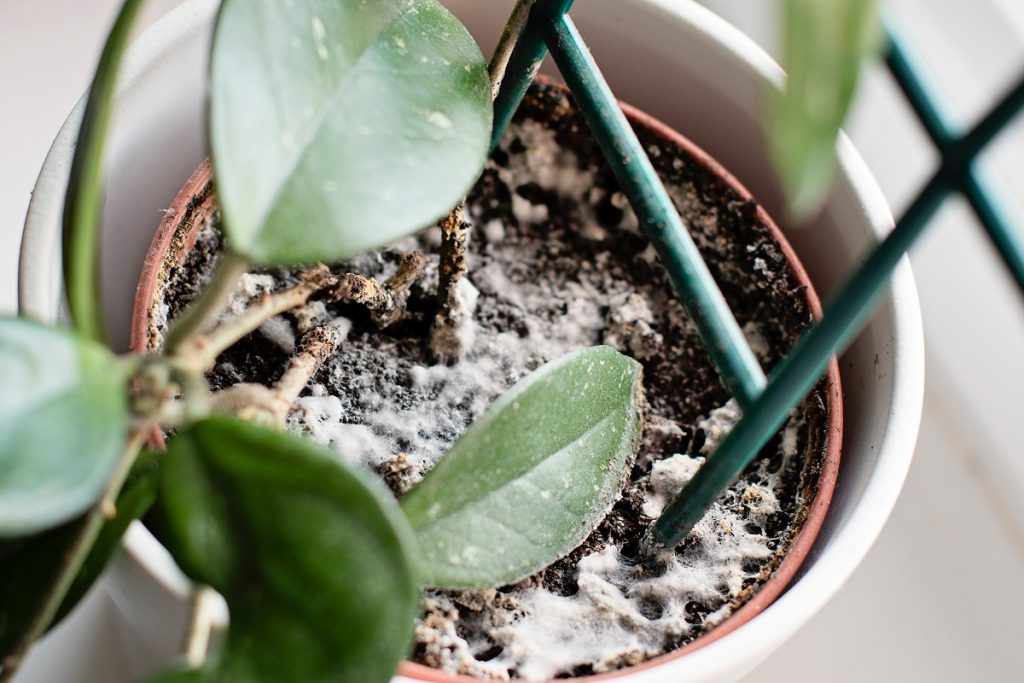
However, certain factors within a home can create microclimates where mold can thrive, even in winter. Condensation on windows due to temperature differences, indoor humidity from showering or cooking, hidden leaks, and overwatered houseplants can all provide the moisture mold needs to grow. Therefore, vigilance and preventative measures, such as controlling indoor humidity and promptly addressing leaks, are crucial to prevent mold growth year-round, even during the winter months.
Does Mold Die in Winter?
Mold doesn’t die off in the winter, but rather enters a state of dormancy. Think of it like the mold is taking a long winter’s nap! During this time, it stops actively growing and reproducing because the cold, dry conditions aren’t ideal for it.
However, don’t let that lull you into a false sense of security. Even when dormant, mold can still pose a risk to those with allergies. The spores, which are like tiny dust particles, remain present and can easily become airborne, triggering allergic reactions even in the dead of winter. So, dealing with any mold issues in your home is essential, no matter the season, to protect your health.
How do I Prevent Mold Growth in my Home?
Preventing mold growth in your home is a continuous process that involves creating an environment where mold struggles to thrive. It’s about being proactive and vigilant rather than reactive after mold becomes a problem. Here’s a breakdown of key strategies:
1. Maintain a Clean and Clutter-Free Environment: Mold thrives on organic matter. Regular cleaning practices are essential to deny mold the food it needs. Vacuum frequently, paying close attention to carpets, rugs, and upholstery where dust and dirt accumulate. Dust surfaces regularly, and don’t forget areas like bookshelves and under furniture. Clutter also provides hiding spots for mold and traps moisture, so minimize clutter and keep belongings organized.
2. Address Leaks and Moisture Issues Promptly: Moisture is the number one ingredient mold needs to grow. Inspect your home regularly for leaks, paying close attention to areas around pipes, under sinks, around windows and doors, and in the attic and basement. If you discover a leak, address it immediately and dry the affected area thoroughly. Even small leaks can lead to significant mold growth if left unchecked.
3. Ensure Proper Ventilation: Good airflow is crucial for preventing mold by removing excess moisture and humidity. Make sure your home has adequate ventilation, especially in moisture-prone areas. Run bathroom fans during and after showers, use the exhaust fan while cooking, and open windows whenever possible to allow fresh air to circulate. Consider installing exhaust fans in areas that lack proper ventilation.
4. Control Indoor Humidity: Mold thrives in humid environments, so keeping indoor humidity levels in check is crucial. Consider using a dehumidifier, especially during humid months or in areas prone to dampness like basements, bathrooms, and laundry rooms. Aim to keep indoor humidity levels below 50%.
For mold removal services during mold season and beyond, call the PuroClean remediation specialists!
If you think you have mold in your home, it’s important to take action immediately. PuroClean offers mold remediation services to remove mold from your home and prevent it from coming back.
With PuroClean’s mold remediation services, you can rest assured that mold won’t be a problem in your home. Contact us today to get started!



