


Main takeaway: The most effective way to control humidity in your house is to keep indoor relative humidity below 55% using ventilation, moisture control habits, and dehumidification. Doing this prevents mold growth, protects your home’s structure, and improves indoor comfort.
High indoor humidity is one of the most overlooked threats to homes. Unlike leaks or flooding, excess moisture in the air causes slow growing, hidden damage. This guide explains how to control humidity in home environments, why it matters, and what to do if moisture has already caused problems.
Quick Answer: How to Control Humidity in House
To control humidity in your house effectively:
- Keep indoor relative humidity between 30–55%
- Vent moisture-producing areas outdoors
- Reduce daily moisture sources (showers, cooking, plants)
- Use dehumidifiers where needed
- Maintain HVAC systems
- Fix leaks immediately
If humidity remains high despite these steps, contact your local PuroClean office for an assessment. Our teams will address the problem at its source.
Why High Humidity in Homes Is a Serious Problem
High humidity doesn’t just feel uncomfortable; it can damage your home’s structure and your personal belongings. When air holds excess moisture, walls, wood, insulation, and furnishings begin absorbing water.
According to the U.S. Environmental Protection Agency (EPA), indoor humidity above 60% significantly increases the risk of mold growth and dust mites.
Over time, this leads to health concerns, material deterioration, and costly repairs.
Effects of High Humidity in House
Mold and Mildew Growth
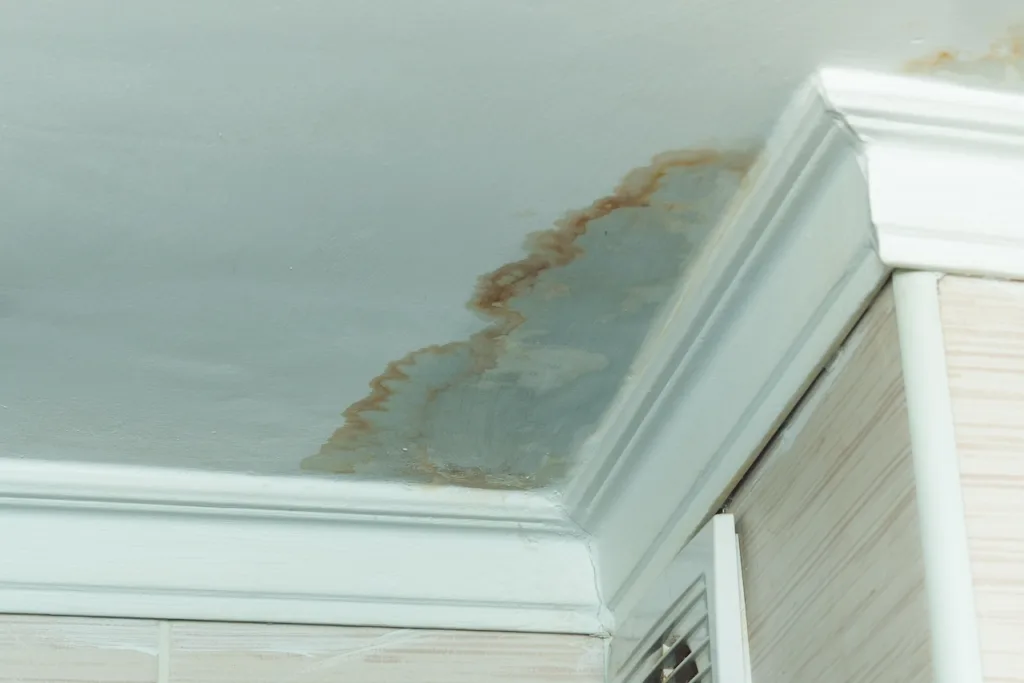
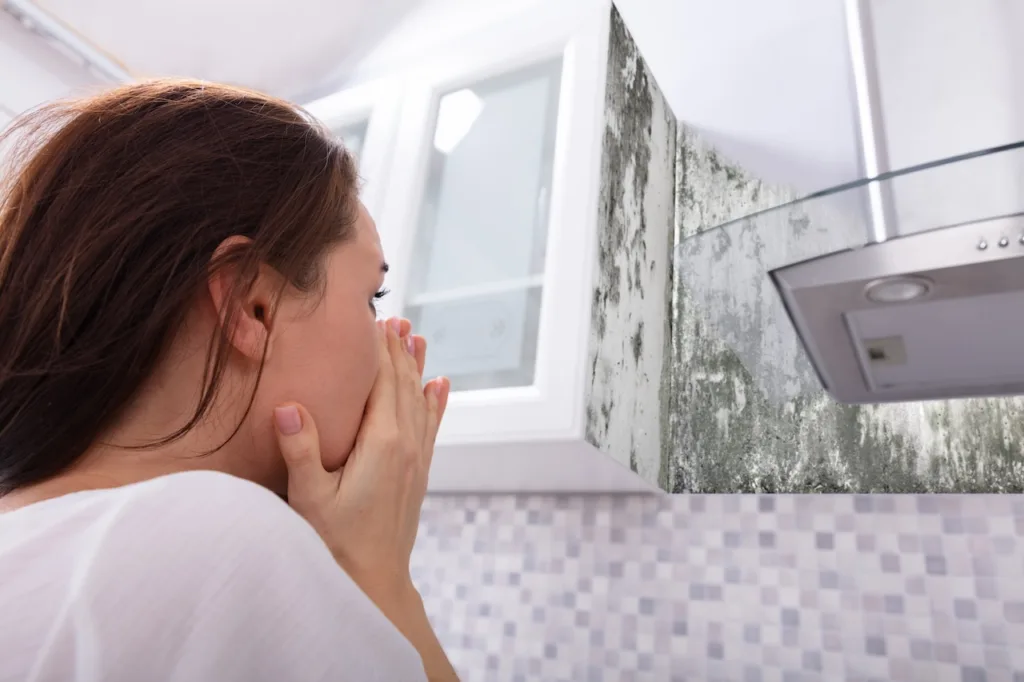
Mold spores are always present indoors, but they thrive in moist conditions. High humidity creates the perfect environment for mold on walls, ceilings, furniture, and HVAC systems. Mold exposure can worsen asthma, allergies, and respiratory conditions.
Wood Damage and Structural Issues
Wood absorbs moisture from humid air, causing:
- Swelling
- Warping
- Cracking
- Rot
This affects floors, furniture, doors, and even load-bearing structural components.
Peeling Paint and Wallpaper
Excess moisture weakens adhesives and coatings. Paint begins to blister and peel, while wallpaper bubbles or detaches from walls.
Metal Corrosion
High humidity accelerates rust on:
- Plumbing
- Appliances
- Door and window hardware
Corrosion weakens materials and can lead to leaks or mechanical failure.
Increased Pest Activity
Pests such as cockroaches, termites, and silverfish are attracted to damp environments. High humidity in the house creates ideal breeding conditions.
How to Identify High Humidity in Your House
Common warning signs include:
- Condensation on windows
- Damp or discolored walls and ceilings
- Musty or earthy odors
- Increased allergy symptoms indoors
- Clammy or sticky indoor air
Moisture trapped in walls can quickly leads directly to mold growth and should be addressed immediately.
How to Control Humidity in House (Step-by-Step)
1. Keep Relative Humidity Below 55%
Use a hygrometer if your thermostat doesn’t show humidity levels. The American Society of Heating, Refrigerating and Air-Conditioning Engineers (ASHRAE) recommends 30–50% RH for most homes.
2. Vent Moisture-Producing Areas
Install and use exhaust fans in:
- Bathrooms
- Kitchens
- Laundry rooms
Fans must vent outdoors, not into attics or basements.
3. Reduce Moisture From Daily Activities
Simple daily habits can significantly reduce indoor humidity:
- Take shorter, cooler showers
- Use low-flow showerheads
- Cover pots while cooking
- Use slow cookers when possible
- Run exhaust fans during and after activities
4. Control Indoor Storage Sources
- Store firewood outdoors
- Reduce the number of indoor plants
- Avoid overwatering plants
Indoor plants release more moisture, which can raise humidity.
5. Use Dehumidifiers Correctly
If humidity remains high:
- Use dehumidifiers sized for the space
- Place away from walls and furniture
- Keep doors and windows closed while operating
- Clean and empty units regularly
6. Maintain HVAC Systems
Your HVAC system plays a major role in humidity control. Replace filters regularly and ensure the system runs during and after moisture-producing activities. The EPA notes that turning HVAC systems off after cleaning or mopping can allow humidity to spike.
Comparison Table: Humidity Control Methods
| Method | Best For | Pros | Cons |
| Exhaust fans | Bathrooms, kitchens | Immediate moisture removal | Requires proper venting |
| Dehumidifiers | Basements, humid homes | Effective, adjustable | Uses electricity |
| HVAC control | Whole-house | Balanced moisture control | Needs maintenance |
| Habit changes | All homes | Free, preventative | Requires consistency |
What To Do if High Humidity Has Already Caused Damage
If damage from humidity and moisture is already visible:
- Consult a mold remediation professional to asses the extent of the damage issues
- Be prepared to replace warped or corroded materials
- Address and control the humidity source prior to repair work beginning
- Ignoring the cause leads to repeated damage.
FAQs: How to Control Humidity in House
What is the ideal humidity level inside a home?
Between 30–55% year-round.
Can air conditioning control humidity?
Yes, but it may not be enough in very humid climates.
Do dehumidifiers prevent mold?
They reduce mold risk by lowering moisture but don’t remove existing mold.
Can too many plants raise humidity?
Yes. Plants release moisture through transpiration.
When should I call a professional?
If humidity remains high or mold appears despite prevention efforts.
Professional Help When Humidity Leads to Mold
If high humidity has already caused mold growth or water damage, professional remediation is the safest solution. PuroClean franchises are available 24/7 to provides expert mold, water, and fire restoration services nationwide.
Contact your local PuroClean office today or call (800) 775-7876 to restore your home to a safe, healthy condition.



