


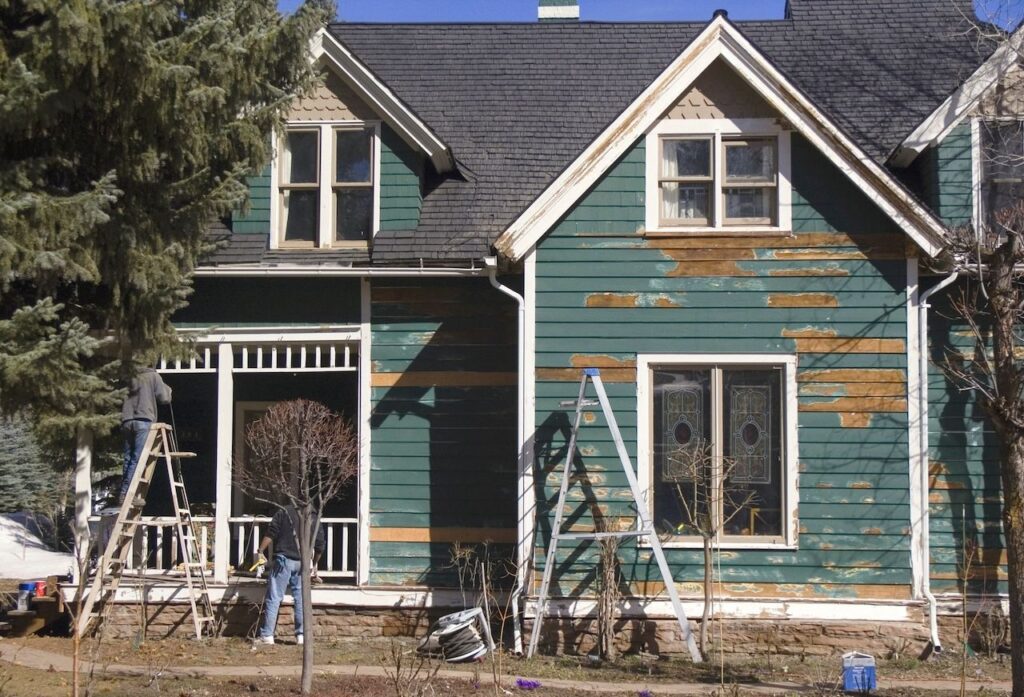

When deciding what to look for when buying an old house, focus on hidden risks that can drive major repair costs—structural issues, outdated systems, moisture intrusion, and health hazards. Smart inspection tools and targeted restoration checks (especially for water damage and mold) help buyers identify problems early, negotiate effectively, and protect their investment.
Stay Alert: What to Look for When Buying an Old House
Older homes offer charm and history, but age also increases the risk of hidden damage. Before committing to a purchase, a modern home inspection, combined with an understanding of common restoration issues, is critical.
Structural Integrity
What to check:
- Large or stair-step cracks in walls or the foundation
- Uneven floors or doors that stick or won’t close properly
- Evidence of previous structural repairs
Hairline cracks can be normal in older homes, but widening or shifting cracks should always be evaluated by a qualified structural professional.
Electrical Systems
Outdated electrical systems are common in older houses and can create serious safety concerns.
Potential red flags include:
- Knob-and-tube or aluminum wiring
- Overloaded or undersized breaker panels
- Missing GFCI outlets in kitchens, bathrooms, or garages
Electrical systems that haven’t been updated often fail to meet current safety standards and may require full replacement. Left unaddressed, these issues significantly increase the risk of electrical fires.

An outdated electrical system poses an extreme fire hazard, resulting in fire damage if not addressed immediately.
Roof Condition
The roof protects the entire structure and is one of the most costly components to repair or replace.
Key inspection points:
- Age of roofing materials
- Missing, curling, or broken shingles
- Water stains in attics or on ceilings
Many inspectors use drone-assisted roof inspections to safely identify damage that may not be visible from the ground.

Updating your older home’s insulation improves energy flow and efficiency.
Plumbing Issues and Hidden Leaks
Plumbing is one of the most critical areas when evaluating what to look for when buying an old house.
Watch for:
- Galvanized steel or lead pipes
- Low water pressure
- Stains, warping, or musty odors
Older homes are prone to hidden water leaks in walls or floors, which can lead to extensive water damage and mold. This is where buyers should review restoration risks and link to water damage and mold prevention resources during due diligence.
Heating and Cooling Systems
HVAC systems affect comfort, safety, and energy costs.
Evaluate:
- Age of furnace, boiler, and AC
- Uneven heating or cooling
- Unusual noises or odors
Older systems are often inefficient and near the end of their service life.
Insulation and Energy Efficiency
Insufficient insulation is common in older houses.
Common issues:
- Minimal attic insulation
- Drafty windows and doors
- Poor temperature regulation
Thermal imaging, now standard in many home inspections, can reveal hidden heat loss and moisture behind walls.
Windows and Doors
Windows and doors affect energy efficiency and security.
Check for:
- Single-pane windows
- Rotting frames or air leaks
- Difficulty opening or closing
Upgrading to modern windows can improve efficiency, and should be factored into your purchase budget.
Asbestos and Lead Paint
Hazardous materials are a major consideration when buying older properties.
Important facts:
- Asbestos may be found in insulation, flooring, or siding
- Lead paint was common before 1978
- Disturbing either material poses health risks
Testing is essential before renovations. Professional abatement may be required.
Foundation and Basement Issues
Basements often reveal the home’s moisture history.
Look for:
- Dampness or standing water
- Mold or mildew odors
- Cracks or bowed walls
Moisture problems here often indicate long-term water intrusion and potential mold growth—key restoration concerns.
Pest Infestations
Age increases vulnerability to pests.
Common signs:
- Termite-damaged wood
- Rodent droppings or nesting
- Insect entry points
A dedicated pest inspection can prevent costly surprises.
Septic Systems and Wells
Older homes may not connect to municipal systems.
Before buying:
- Inspect septic tanks and drain fields
- Test well water for contaminants
- Confirm systems meet local codes
Replacement or repair costs can be significant.

A septic system affects the sewage of your home so ensure it’s up to code standards.
Historical Restrictions
Historic homes may have renovation limitations.
Confirm:
- Local preservation rules
- Exterior modification restrictions
- Permit requirements
These can impact timelines and costs.
FAQs: What to Look For When Buying an Old House
Is it risky to buy an old house?
Not necessarily, but older homes require more inspections and restoration awareness. Identifying issues early reduces risk.
What inspections are most important for older homes?
Structural, electrical, plumbing, roof, and moisture inspections are critical. Mold and water damage checks are especially important.
Can hidden water damage affect resale value?
Yes. Unresolved water damage or mold can lower property value and complicate future sales.
Should I budget for restoration when buying an old home?
Yes. Many buyers set aside funds for water damage repairs, mold remediation, or system upgrades.
Call PuroClean for Property Restoration Services
Older homes often come with hidden damage that inspections alone can’t fully address. PuroClean provides expert water damage restoration, mold remediation, fire restoration, and biohazard cleanup—services frequently needed in older properties.
If your inspection reveals damage or risk, PuroClean is available 24/7 to help restore and protect your investment.
Call (800) 775-7876 or use the office locator to connect with your local PuroClean team today.
Key Takeaways
- Expert restoration support protects long-term value
- Older homes offer charm but carry hidden risks
- Structural, electrical, and plumbing checks are critical
- Hidden water leaks are a common and costly issue
- Mold and moisture problems reduce property value
- Smart inspection tools improve detection
- Restoration costs should be factored into your budget



