PuroClean of Natick — 841 Worcester St., Suite 334, Natick, MA 01760
Framingham’s story starts on the Sudbury River, where John Stone built the town’s first European home in 1647 on the west bank, in what’s now the village of Saxonville. The town took its name from Framlingham, England, the ancestral home of Thomas Danforth, who once held over 15,000 acres here as Danforth’s Farms, and it grew along the Old Connecticut Path — still Framingham’s oldest road — before incorporating in 1700 and becoming a city in 2018. Saxonville’s waterfall powered a grist mill as early as 1659 and later the Roxbury Carpet Company’s textile mills, and the Saxonville Historic District still stands along Water, Central, Elm, and Concord Streets, its 19th-century mansard-roof mill housing now a National Register district. Northwest of downtown, Nobscot Village sits at the base of 602-foot Nobscot Mountain, bordered by Callahan State Park and the Garden in the Woods. Downtown, the Centre Common anchors the city’s civic history around the Edgell Memorial Library and Memorial Building, while Cushing Memorial Park — once a 100-building World War II Army hospital — now serves as green space near Farm Pond in South Framingham.
Framingham is genuinely several markets in one city, and that shapes the restoration calls we take. North Framingham and Nobscot lean toward single-family homes on wooded, hilly lots; Saxonville mixes historic mill housing with the Sudbury River at its doorstep; and downtown and South Framingham (01702) are dense with triple-deckers, apartment buildings, and the restaurant and retail corridors along Route 9. Add a housing stock that spans a 1650s settlement pattern through mid-century tract homes and modern multi-family construction, and Framingham produces nearly every category of water, fire, and storm loss we handle across the trade area. We regularly respond to:
PuroClean of Natick sits at 841 Worcester St., Suite 334, directly on Route 9 — the same road that splits Framingham east-to-west through the middle of the city, which makes Framingham one of the fastest towns in our service area to reach from our door. For downtown, Centre Common, and South Framingham calls, we stay on Route 9 west and turn onto Union Avenue, Concord Street, or Waverley Street depending on the block, arriving at the heart of the city in well under fifteen minutes under normal traffic.
For Saxonville, we come off Route 9 onto Route 30 or Edgell Road and follow Concord Street north along the Sudbury River into the historic mill village. For Nobscot and the northwest neighborhoods near Callahan State Park, we take Edgell Road further north past the Water Street intersection, climbing toward Nobscot Village and the base of Nobscot Mountain. For calls in the Route 9/Speen Street retail and restaurant corridor, we’re often on site within minutes, since that stretch sits almost directly across from our Natick location.
Because Framingham spans commercial corridors, dense multi-family blocks, and wooded single-family neighborhoods within the same city, our dispatcher confirms building type, unit number, and parking or loading-dock access at intake so the right size crew and equipment — extraction units, air movers, negative air machines — arrive ready for a triple-decker basement, a restaurant kitchen, or a hillside Colonial without a second trip.
Framingham’s water risk starts with the Sudbury River itself, which wraps three sides of Saxonville and has powered — and periodically flooded — that village since the 1600s. Homes and mill buildings close to the river and its tributaries see elevated groundwater and basement seepage during spring snowmelt and after sustained rain, and the historic Saxonville dam and its surrounding low-lying streets are a recurring flood-watch area during major storm events. The city’s western half is fairly level, which is part of why Saxonville and the mill village developed there, while the terrain rises sharply toward Nobscot Mountain in the northwest — elevation that funnels storm runoff downhill toward Callahan State Park and the neighborhoods below it.
Framingham’s housing age spans more range than almost any town in the trade area, from Saxonville’s 19th-century mill worker housing and downtown’s early-1900s triple-deckers to mid-century Nobscot ranches and newer multi-family construction near the commuter rail. Older buildings mean older plumbing, original or early-replacement roofing, and — in the pre-1978 housing concentrated downtown and in Saxonville — lead paint that triggers EPA RRP-compliant work practices on any demolition. Multi-family density downtown and in South Framingham introduces its own risk profile: shared plumbing stacks, basement mechanical rooms serving multiple units, and a single failed supply line or backed-up drain that can affect several households or a ground-floor commercial tenant at once.
The commercial corridor along Route 9 and the downtown restaurant and retail district add a fire and Category 3 dimension that’s less common in the more purely residential towns nearby: commercial kitchens, grease-related fire risk, and floor-drain sewage backups that trigger a Board of Health response as well as a restoration one. New England’s usual seasonal drivers — ice damming on lower-slope roofs in January through March, frozen pipes in unheated spaces during deep-freeze snaps, and nor’easter wind and tree damage — apply across all of Framingham’s neighborhoods, but they land differently depending on whether the building is a Saxonville Victorian, a Nobscot ranch, or a downtown triple-decker.
Owned & Operated by Nigel Belgrave
841 Worcester St., Natick, MA, 01760
(781) 474-0200
 Ashland
Cochituate
Dover
Framingham
Glenridge
Natick
Needham
Needham Heights
Newton Lower Falls
Pine Lake
Pine Rest
Sherborn
Sudbury
Wayland
Wellesley
Wellesley Hills
Weston
Ashland
Cochituate
Dover
Framingham
Glenridge
Natick
Needham
Needham Heights
Newton Lower Falls
Pine Lake
Pine Rest
Sherborn
Sudbury
Wayland
Wellesley
Wellesley Hills
Weston
Water damage can result from unexpected leaks, flooding from storms, plumbing failures, or appliance malfunctions. Our certified teams focus on rapid water removal, drying, and stabilization to help prevent further damage and mold growth.
 Explore Our Water Damage Mitigation Services
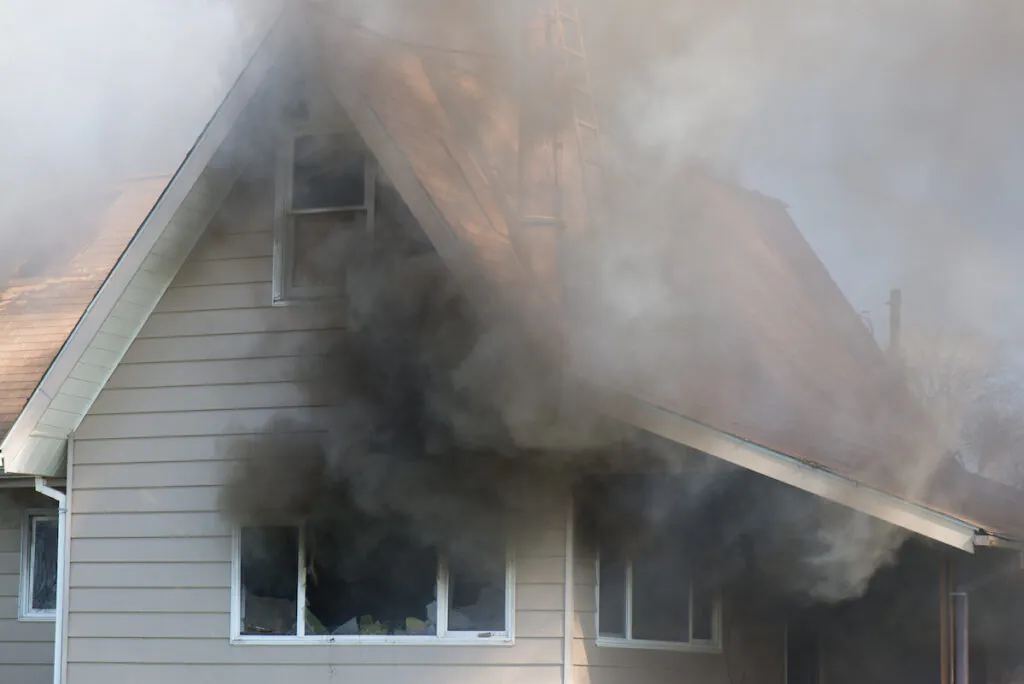
Even after a fire is extinguished, smoke, soot, and odor can continue to affect your home. Fire damage restoration services address visible damage while also helping reduce lingering effects that impact indoor air quality and surfaces.
Explore Our Fire and Smoke Damage Restoration Services
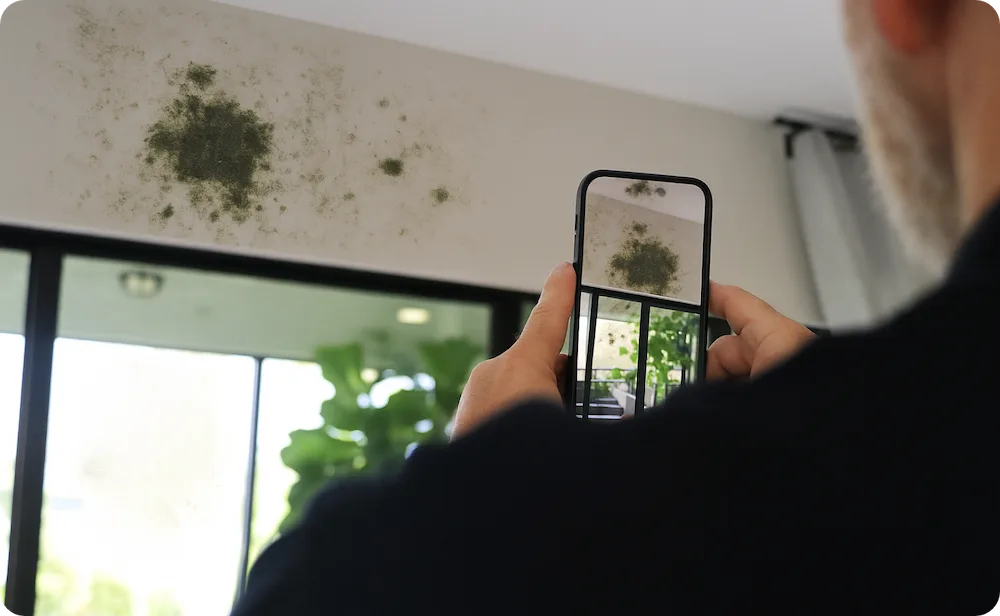
Mold often develops as a result of unresolved moisture or hidden water damage. Professional mold remediation helps identify affected areas, contain growth, and restore healthy indoor conditions.
Explore Our Mold Removal and Remediation Services
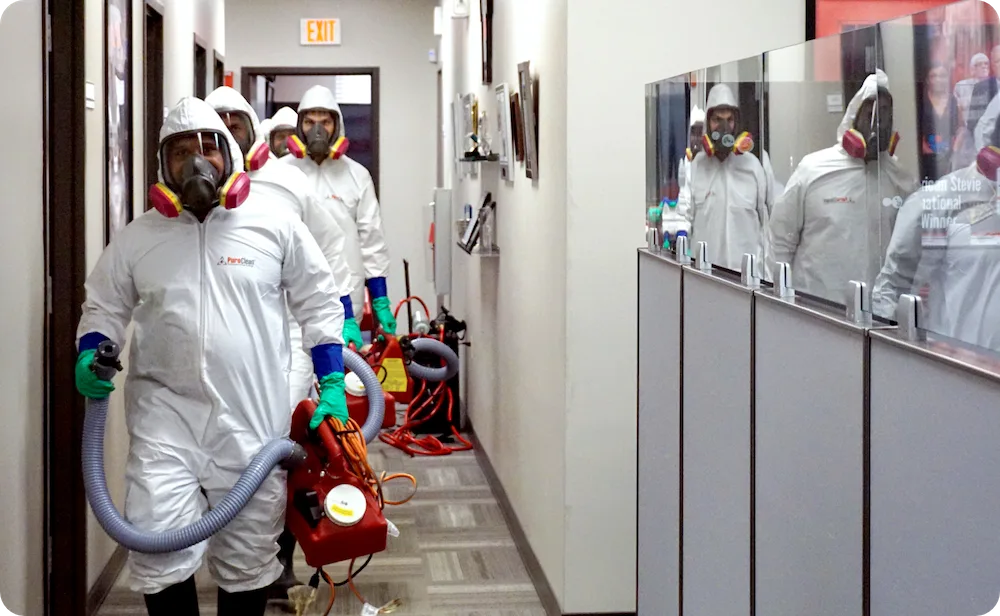
Biohazard situations, including crime scene cleanup and virus decontamination, require specialized cleaning and handling to protect health and safety. Biohazard cleanup services address contamination using proper protocols and professional care.
Explore Our Biohazard Cleanup Services
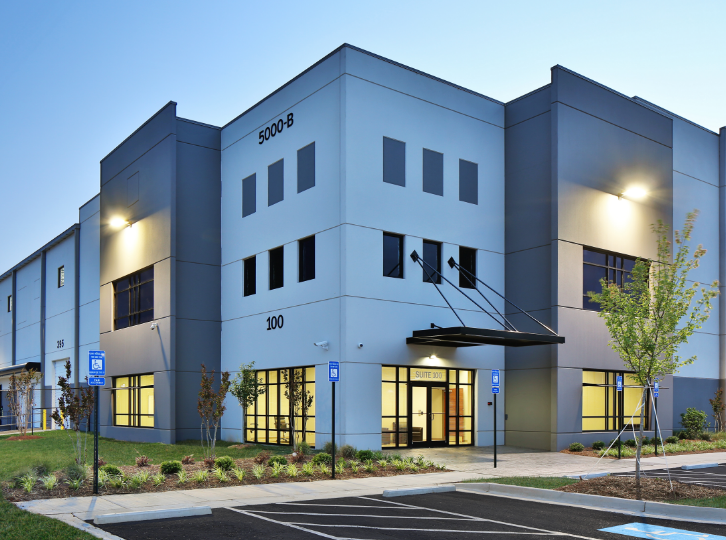
PuroClean provides 24/7 commercial property damage restoration services for businesses and facilities across the United States.
Explore Our Commercial Services
Water damage can result from unexpected leaks, flooding from storms, plumbing failures, or appliance malfunctions. Our certified teams focus on rapid water removal, drying, and stabilization to help prevent further damage and mold growth.
Explore Our Water Damage Mitigation Services
Answers for Framingham homeowners, renters, and business owners dealing with water, mold, fire, or storm damage.
Saxonville sits low along the Sudbury River, which wraps three sides of the village and has driven flooding here since the mill era. Homes near the river and its connecting streams see groundwater rise with the river during spring snowmelt and after sustained rain, and older mill-village foundations weren’t built with today’s stormwater volumes in mind. We measure moisture at the foundation and establish a documented dry standard, and we can tell you honestly whether your basement’s pattern tracks the river level or points to a separate grading or plumbing issue worth fixing at the source.
It depends on the source and your lease and insurance structure. A landlord’s policy typically covers the building and common systems, while a tenant’s renters insurance covers their own belongings, and a failure originating in one unit that damages another can raise a genuine liability question between owner and tenant. We document the source, the affected units, and the extraction and drying scope clearly enough for adjusters, property managers, and tenants to see the same facts, and we communicate with both landlord and tenant throughout so nobody is left out of the loop.
Along the Route 9 and downtown restaurant corridor, this is one of our most common commercial calls. Reopening requires soot and residue removal specific to kitchen fires, full cleaning and decontamination of surfaces and HVAC that contacted smoke, and documentation the Framingham Board of Health will accept as proof the space is sanitary. We give you a written estimate of time to reopen as early as possible, since that number determines your staffing and revenue decisions, and we can also help document the loss for your business interruption claim.
The technical response is the same everywhere — the same moisture readings, containment standards, and documentation — but the buildings and the conversations differ. North Framingham and Nobscot calls tend to involve single-family homes and hillside drainage; downtown and South Framingham calls more often involve multi-family buildings, property managers, and Portuguese- or Spanish-speaking households, and we staff and communicate accordingly. Wherever you are in the city, you get a live answer, a specific ETA, and a technician who explains the scope in plain language.
Older homes in and around Saxonville’s mill village typically have lower-slope rooflines and shallower attic insulation than newer construction, which makes them prone to ice damming: meltwater backs up under the shingles during freeze-thaw cycles and works into the ceiling and wall cavities below. A repair that only patches the ceiling won’t stop next winter’s stain, because the actual cause is attic insulation and ventilation, not the roof surface. We assess both the water damage and the ice dam mechanism so you’re fixing the source, not just the symptom.
What Our Customers Say:
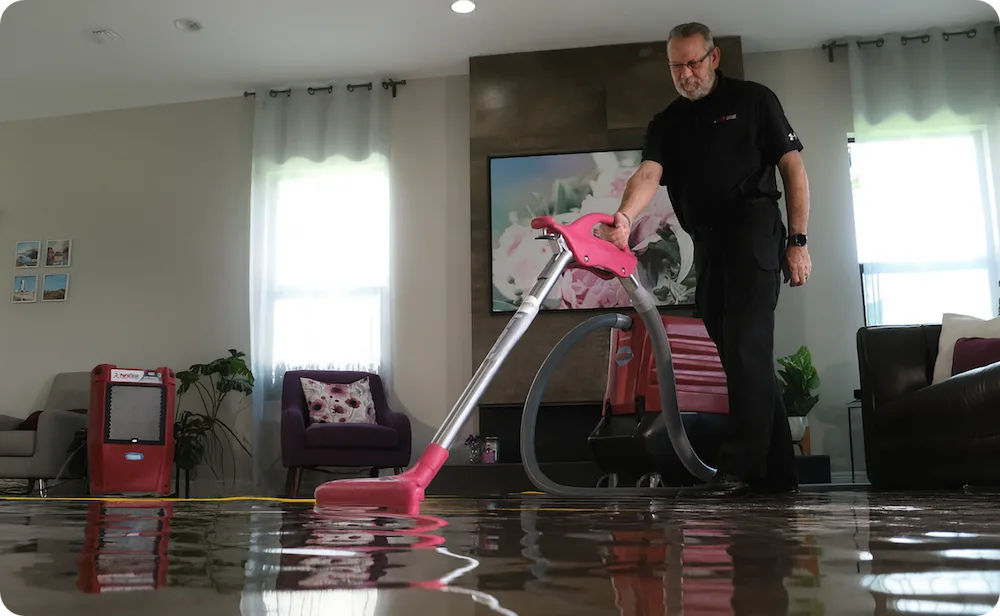
When you need water damage restoration services near you, call the experts at PuroClean. We are here day or night, 24/7, to help remove any standing water quickly and begin your water restoration service. We monitor the drying process so you can rest assured that your property is dried thoroughly. We offer commercial water restoration services for businesses and residential water damage restoration for homeowners.

PuroClean of Natick
(781) 474-0200
841 Worcester St., Suite 334, Natick, MA 01760


© 2026 PuroClean. All Rights Reserved.