PuroClean of Natick — 841 Worcester St., Suite 334, Natick, MA 01760
Glenridge occupies the high ground on the eastern shore of Lake Cochituate, a Natick neighborhood that traces its roots to the Pegan family — Praying Indians who lived along this shoreline back when Natick itself was still John Eliot’s 1651 mission town for Massachusett converts. The cove that bears their name, Pegan Cove, sits at the foot of the neighborhood, and from the mid-1800s until the 1940s the Town of Natick ran a pumphouse there, filtering runoff into the lake system that once supplied Boston. Today that same shoreline is Tony Anniballi Memorial Park, a 22-acre town park named for Private Antonio “Tony” Anniballi, a Natick soldier shot by a sniper and killed in France in August 1944, whose wooded trails run along Washington Avenue and connect to the Cochituate Rail Trail toward Natick Center. Glenridge sits close to the DEVCOM Soldier Center research complex and just a few thousand feet from the Natick Center MBTA station, making it one of the more walkable, transit-connected corners of town despite its wooded, waterfront feel.
Housing in Glenridge is concentrated in mid-century construction, much of it built when the neighborhood filled in around the lake’s eastern shore in the postwar decades, with ranches, capes, and split-levels sitting on lots that slope toward Pegan Cove and the lake. That proximity to water — plus the fact that the neighborhood sits on ground that once fed a public water filtration system — is the defining fact of restoration work here. Elevated groundwater near the shoreline, aging mid-century plumbing, and basements built into a slope toward the lake combine to produce a distinct and predictable set of water losses. We regularly respond to:
PuroClean of Natick dispatches from 841 Worcester St., Suite 334, on Route 9, and reaching Glenridge means a short trip through the middle of town rather than out toward the trade area’s edges. The most direct route takes Route 9 east to North Main Street (Route 27), which we follow north through Natick Center — past the MBTA commuter rail station and the Cochituate Rail Trail crossing — before turning onto Washington Avenue toward Pegan Cove and the Glenridge neighborhood.
For calls further into the neighborhood’s interior streets, away from the lake, we stay on Washington Avenue or cut over from West Central Street depending on which block we’re headed to. Because Natick Center’s streets narrow and see steady foot and bike traffic near the rail trail crossing, our dispatcher factors current downtown traffic into the ETA we give you, rather than assuming a straight-line drive time.
Glenridge’s location — close to Natick Center, a short distance from our Route 9 base, and free of the longer rural stretches we drive to reach towns like Dover or North Sudbury — makes it one of the faster neighborhoods in our service area to reach. Under normal conditions, a crew is typically on site in Glenridge in well under fifteen minutes, which matters most on Category 1 losses where every minute before extraction begins affects how much of the structure needs to be dried versus replaced.
Glenridge’s risk profile is shaped almost entirely by its position on the eastern shore of Lake Cochituate. The neighborhood sits on ground that has always had a working relationship with water — the same shoreline that fed the Town of Natick’s pumphouse from the mid-1800s through the 1940s sits at the base of homes that now rely on that water table staying below their foundations rather than rising into them. Groundwater near the lake runs high year-round and rises further after New England’s wet seasons, so basements built into the slope toward Pegan Cove see hydrostatic pressure that homes on higher, drier ground elsewhere in Natick simply don’t experience to the same degree.
The neighborhood’s housing stock compounds the water exposure. Most Glenridge homes were built during the postwar boom that filled in Natick’s neighborhoods in the 1940s through 1960s, which means original or early-replacement plumbing, foundations built without modern waterproofing membranes or interior drain systems, and — in homes that haven’t been updated — galvanized supply lines now well past their expected service life. Basements finished in later decades to add living space often sit directly against that older foundation without a vapor barrier addressing the underlying moisture path, which is why finished lower levels in Glenridge tend to show seepage and musty odor before the rest of the house shows any sign of a problem.
Winter adds its own layer of risk. Like much of the trade area, Glenridge sees ice damming on lower-slope, shallow-insulation rooflines during freeze-thaw cycles, and frozen pipes in unheated crawl spaces and additions during deep-freeze snaps. The wooded trail corridor around Tony Anniballi Memorial Park and along the Cochituate Rail Trail adds a storm dimension as well — mature trees along the shoreline and rail corridor drop limbs onto nearby roofs and power lines during nor’easters, and the same lakeside terrain that makes Glenridge scenic also means storm runoff has somewhere close by to collect. Between the lake, the historic water infrastructure beneath the neighborhood, and its concentration of mid-century construction, Glenridge produces a steady, predictable stream of water-driven restoration calls.
Owned & Operated by Nigel Belgrave
841 Worcester St., Natick, MA, 01760
(781) 474-0200
 Ashland
Cochituate
Dover
Framingham
Glenridge
Natick
Needham
Needham Heights
Newton Lower Falls
Pine Lake
Pine Rest
Sherborn
Sudbury
Wayland
Wellesley
Wellesley Hills
Weston
Ashland
Cochituate
Dover
Framingham
Glenridge
Natick
Needham
Needham Heights
Newton Lower Falls
Pine Lake
Pine Rest
Sherborn
Sudbury
Wayland
Wellesley
Wellesley Hills
Weston
Water damage can result from unexpected leaks, flooding from storms, plumbing failures, or appliance malfunctions. Our certified teams focus on rapid water removal, drying, and stabilization to help prevent further damage and mold growth.
 Explore Our Water Damage Mitigation Services
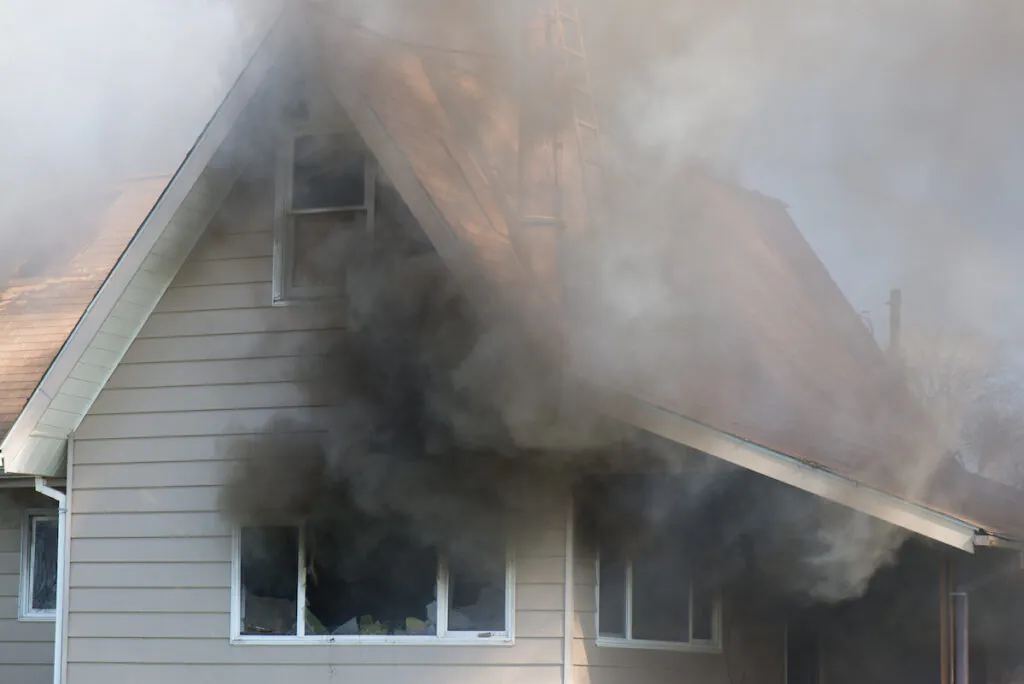
Even after a fire is extinguished, smoke, soot, and odor can continue to affect your home. Fire damage restoration services address visible damage while also helping reduce lingering effects that impact indoor air quality and surfaces.
Explore Our Fire and Smoke Damage Restoration Services
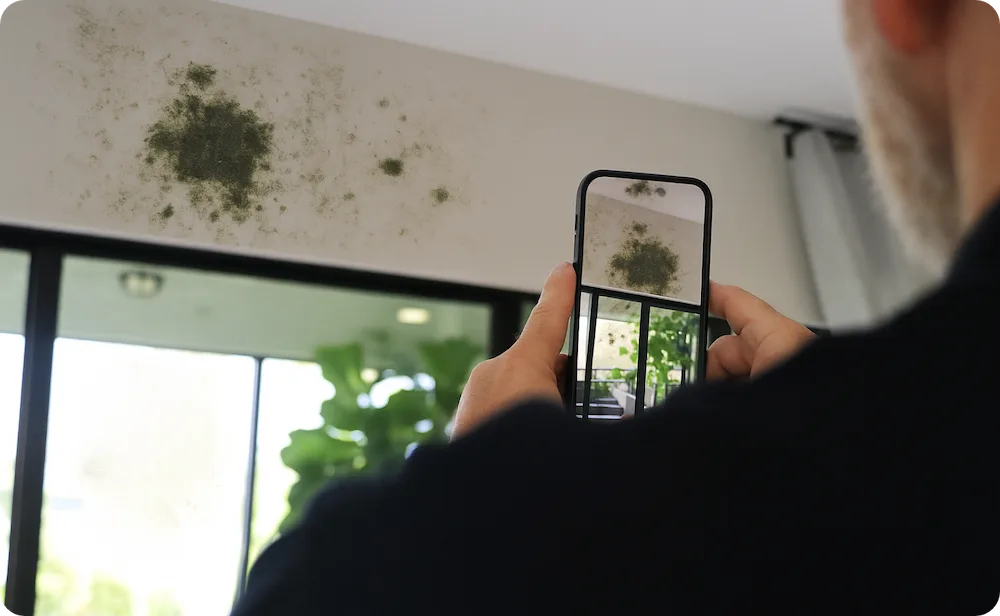
Mold often develops as a result of unresolved moisture or hidden water damage. Professional mold remediation helps identify affected areas, contain growth, and restore healthy indoor conditions.
Explore Our Mold Removal and Remediation Services
Biohazard situations, including crime scene cleanup and virus decontamination, require specialized cleaning and handling to protect health and safety. Biohazard cleanup services address contamination using proper protocols and professional care.
Explore Our Biohazard Cleanup Services
PuroClean provides 24/7 commercial property damage restoration services for businesses and facilities across the United States.
Explore Our Commercial Services
Water damage can result from unexpected leaks, flooding from storms, plumbing failures, or appliance malfunctions. Our certified teams focus on rapid water removal, drying, and stabilization to help prevent further damage and mold growth.
Explore Our Water Damage Mitigation Services
Answers for Glenridge homeowners dealing with water, mold, fire, or storm damage.
Glenridge sits on ground that slopes toward Pegan Cove and Lake Cochituate, so groundwater exposure varies block by block and even house to house depending on elevation relative to the shoreline. Homes closer to the water table typically see basement seepage and hydrostatic pressure that neighbors on slightly higher ground don’t experience at all. We measure moisture at your specific foundation, document the pattern, and can tell you honestly whether your basement’s issue tracks the lake’s water table or points to a separate plumbing or grading problem worth addressing directly.
Yes. From the mid-1800s until the 1940s, the Town of Natick operated a pumphouse at what’s now Tony Anniballi Memorial Park, filtering runoff into the lake system. That history doesn’t affect your water quality today, but it’s a useful reminder that this shoreline has always managed a significant volume of water, and the ground beneath Glenridge’s homes was shaped by that relationship. Modern foundations near the old pumphouse site and along the shoreline still deal with the same elevated water table, which is why we see recurring basement moisture calls concentrated in this specific part of Natick.
Many Glenridge homes had their basements finished in later decades, often without addressing the moisture path from the original mid-century foundation underneath. If your home sits close to Pegan Cove or the lake, elevated groundwater can be reaching the slab or foundation wall faster than it evaporates, which is exactly the condition that supports mold growth within 24 to 48 hours. We inspect with a moisture meter and thermal imaging camera to find the source, and give you a straight answer about whether remediation is needed or a simpler fix will do.
Glenridge is one of the closer neighborhoods to our Route 9 base in Natick, reached via North Main Street through Natick Center and Washington Avenue toward Pegan Cove. Under normal traffic, a crew is typically on site in well under fifteen minutes, which is faster than most of our service area given how close Glenridge sits to downtown Natick. That speed matters most in the first hours of a Category 1 water loss, when quick extraction is the difference between a straightforward drying job and one that requires demolition.
The wooded trail corridor around the park and along the Cochituate Rail Trail is one of Glenridge’s defining features, and mature trees close to the shoreline and rail corridor do drop limbs during nor’easters, occasionally onto nearby roofs and power lines. If a storm opens your roof to wind-driven rain, that creates a water loss on top of the storm damage, and speed matters for keeping it contained. We handle emergency board-up and tarping alongside extraction and drying, so a single call covers both problems.
What Our Customers Say:
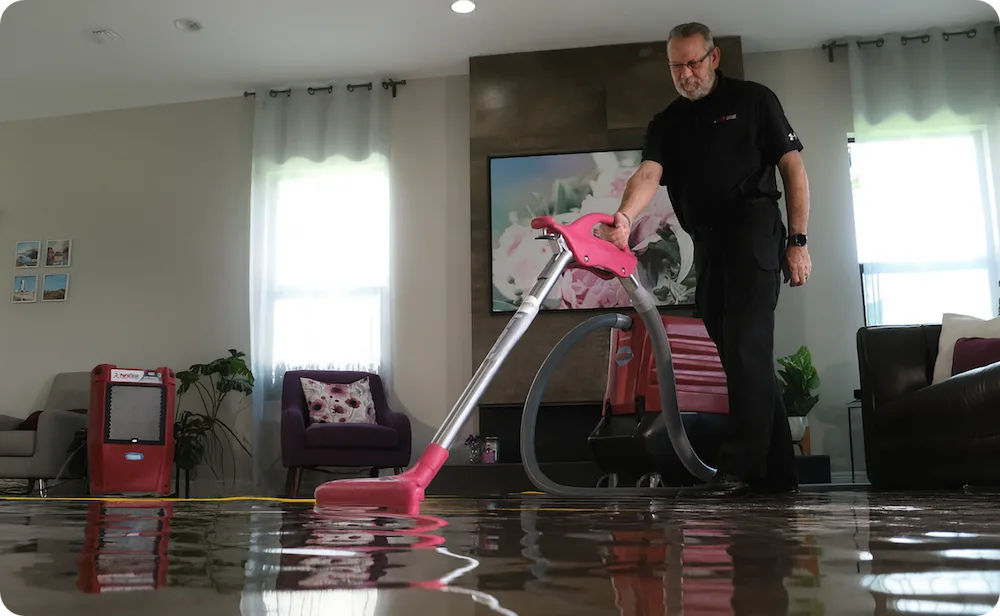
When you need water damage restoration services near you, call the experts at PuroClean. We are here day or night, 24/7, to help remove any standing water quickly and begin your water restoration service. We monitor the drying process so you can rest assured that your property is dried thoroughly. We offer commercial water restoration services for businesses and residential water damage restoration for homeowners.

PuroClean of Natick
(781) 474-0200
841 Worcester St., Suite 334, Natick, MA 01760


© 2026 PuroClean. All Rights Reserved.