PuroClean of Natick — 841 Worcester St., Suite 334, Natick, MA 01760
Cochituate isn’t its own town — it’s the southern village of Wayland, and it has felt like a place apart since the 1830s, when the first shoe factory went up at the corner of Main Street and Commonwealth Road. By 1875, Wayland counted nine boot and shoe shops employing 500 people, most of them concentrated right here in Cochituate Village, and the name outlasted the factories by well over a century. The village takes its name from Lake Cochituate itself — originally called Long Pond until Boston renamed it in 1848, when the lake became the city’s first major public water supply. Today the Cochituate Rail Trail follows the old Saxonville Industrial Track along the water, the Wayland Town Beach sits on the lake’s North Pond, and Dudley Pond — an 84-acre glacial pond a short walk from Main Street — anchors the village’s other side.
Most of Cochituate’s housing stock dates to the 1940s through the 1960s: Cape Cods, ranches, and Colonials on level, mature lots clustered between Commonwealth Road (Route 30) and Main Street (Route 27), many within a few hundred yards of lake or pond frontage. That proximity to water is the defining fact of restoration work here. Homes near Lake Cochituate and Dudley Pond sit on a naturally high water table and glacial soils that hold moisture, and mid-century foundations weren’t built with today’s hydrostatic pressure in mind. Add original plumbing, unheated crawl spaces, and rooflines never designed for New England’s current freeze-thaw pattern, and Cochituate generates a steady, predictable stream of water losses. We see:
PuroClean of Natick runs out of 841 Worcester St., Suite 334, on Route 9 — a location picked in part because it puts every town in our service area, including Cochituate, inside a short response window. The most direct path west is Route 30 (Commonwealth Road), which we pick up from Route 9 and follow straight past the Wayland-Natick line into the heart of Cochituate Village, arriving right at the Main Street intersection where the old shoe factories once stood. If Route 30 is backed up — which happens during Route 9 rush-hour spillover — our second route runs up Route 27 (North Main Street) through West Natick, tracking along the western edge of Lake Cochituate before crossing into the village near the Wayland Town Beach turnoff.
For calls near Dudley Pond or the Claypit Hill side of the village, we come in off Route 30 and cut down through the side streets off Main Street rather than fighting the Route 27 lake-shore curves. For anything toward Heard Pond, Pelham Island Road, or the Sudbury line, we stay on Route 30 longer before turning north. Either route puts a crew in Cochituate in roughly fifteen to twenty minutes under normal traffic, well inside the window that matters before a Category 1 water loss starts supporting microbial growth. Dispatch confirms the fastest current route the moment your call comes in, based on live traffic and which side of the village you’re calling from.
Cochituate’s biggest environmental factor is the one that gave the village its name: water. Lake Cochituate’s three connected ponds and the neighboring 84-acre Dudley Pond sit at a relatively low elevation compared to surrounding Wayland and Natick neighborhoods, which means groundwater in the village runs high year-round and rises further during Massachusetts’s wet seasons. Homes within a few blocks of either shoreline routinely deal with hydrostatic pressure pushing against basement walls and slabs, especially after the spring snowmelt and rain-on-snow events that swell Snake Brook and the smaller streams feeding the lake system. A finished basement that stays dry all summer can start seeping the moment the ground saturates in March.
The village’s housing stock compounds the problem. Most Cochituate homes were built between 1940 and 1969, before modern foundation waterproofing, sump systems, and vapor barriers were standard practice. Fieldstone and early poured-concrete foundations are common, and many basements were finished decades after the home was originally built, without ever addressing the underlying moisture path. Combine that with galvanized or early copper plumbing that’s now sixty-plus years old, and appliance supply lines, water heaters, and washing machine hoses fail here at a higher rate than in newer construction elsewhere in the trade area.
Winter brings its own risk profile. Cochituate’s Capes and ranches typically have lower-slope roofs and shallower attic insulation than newer builds, which makes them prone to ice damming during freeze-thaw cycles — meltwater backs up under the shingles and works into ceiling and wall cavities with every thaw. Unheated crawl spaces under additions and sunrooms freeze and burst supply lines during deep-freeze snaps, often discovered only when a resident returns from a trip to find days of running water. The tree canopy around Heard Pond, Pelham Island Road, and the Great Meadows National Wildlife Refuge side of the village adds a storm-damage dimension: mature oak and pine stands drop limbs and whole trees during nor’easters, opening roofs to wind-driven rain and creating secondary water losses on top of the original storm damage. Between the lake, the pond, the older plumbing, and the tree cover, Cochituate sees nearly every category of water loss we handle.
Owned & Operated by Nigel Belgrave
841 Worcester St., Natick, MA, 01760
(781) 474-0200
 Ashland
Cochituate
Dover
Framingham
Glenridge
Natick
Needham
Needham Heights
Newton Lower Falls
Pine Lake
Pine Rest
Sherborn
Sudbury
Wayland
Wellesley
Wellesley Hills
Weston
Ashland
Cochituate
Dover
Framingham
Glenridge
Natick
Needham
Needham Heights
Newton Lower Falls
Pine Lake
Pine Rest
Sherborn
Sudbury
Wayland
Wellesley
Wellesley Hills
Weston
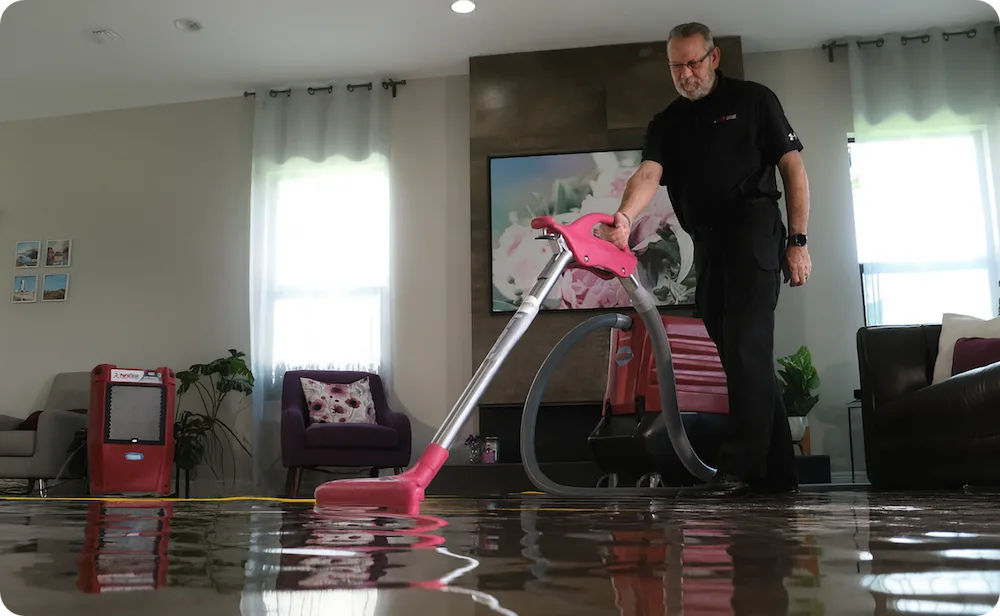
Water damage can result from unexpected leaks, flooding from storms, plumbing failures, or appliance malfunctions. Our certified teams focus on rapid water removal, drying, and stabilization to help prevent further damage and mold growth.
 Explore Our Water Damage Mitigation Services
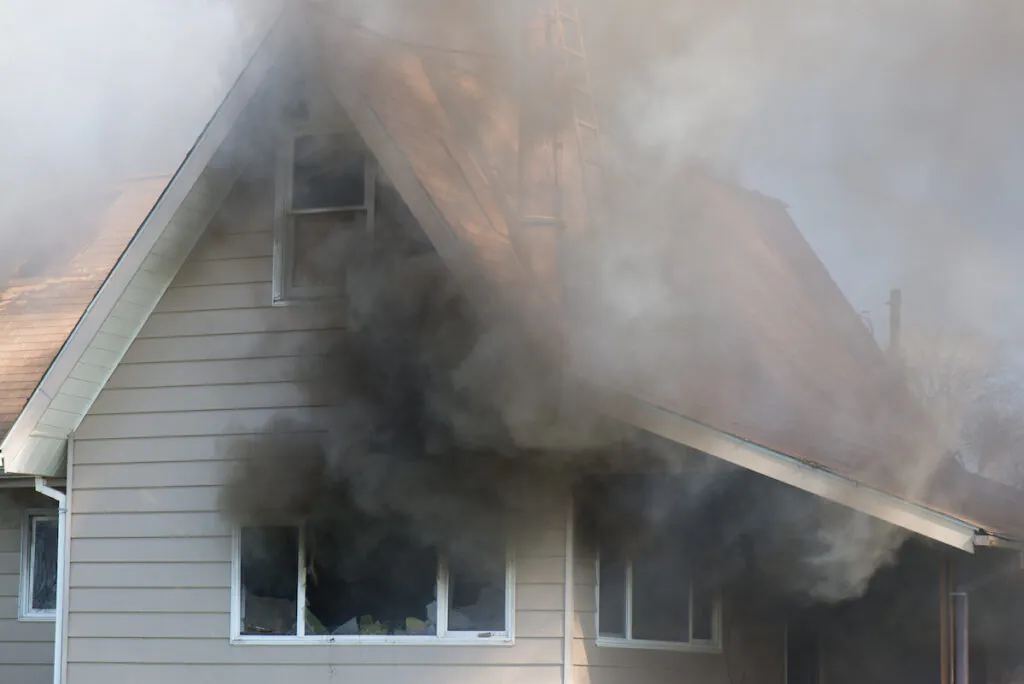
Even after a fire is extinguished, smoke, soot, and odor can continue to affect your home. Fire damage restoration services address visible damage while also helping reduce lingering effects that impact indoor air quality and surfaces.
Explore Our Fire and Smoke Damage Restoration Services
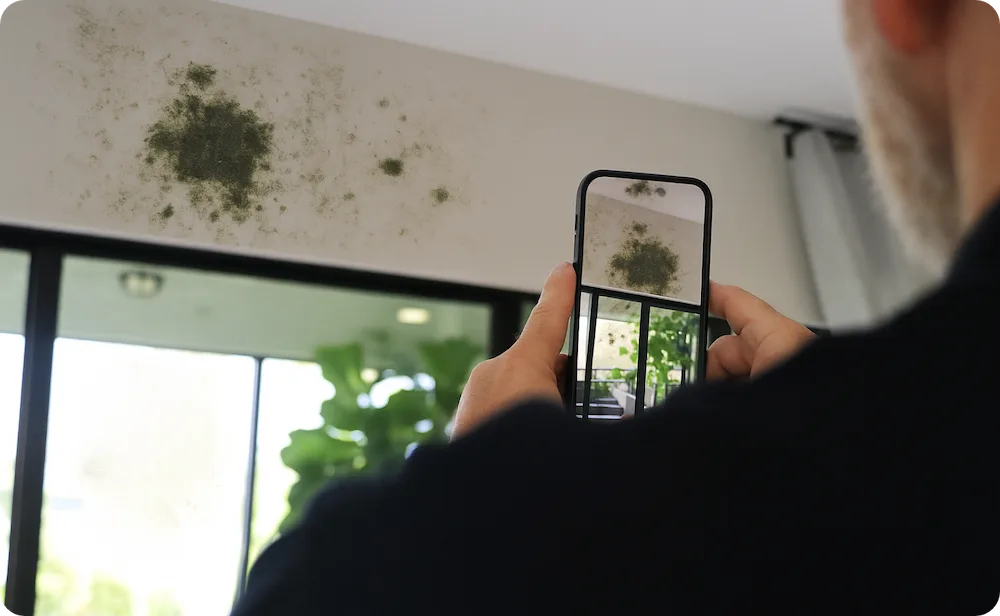
Mold often develops as a result of unresolved moisture or hidden water damage. Professional mold remediation helps identify affected areas, contain growth, and restore healthy indoor conditions.
Explore Our Mold Removal and Remediation Services
Biohazard situations, including crime scene cleanup and virus decontamination, require specialized cleaning and handling to protect health and safety. Biohazard cleanup services address contamination using proper protocols and professional care.
Explore Our Biohazard Cleanup Services
PuroClean provides 24/7 commercial property damage restoration services for businesses and facilities across the United States.
Explore Our Commercial Services
Water damage can result from unexpected leaks, flooding from storms, plumbing failures, or appliance malfunctions. Our certified teams focus on rapid water removal, drying, and stabilization to help prevent further damage and mold growth.
Explore Our Water Damage Mitigation Services
Answers for Cochituate homeowners and business owners dealing with water, mold, fire, or storm damage.
Homes close to Lake Cochituate and Dudley Pond sit on a naturally high water table, so basement seepage often tracks the lake and pond levels rather than the day’s weather. Snowmelt in March, a wet spring, or several soggy weeks can push groundwater up against your foundation for days after the rain has stopped, and hydrostatic pressure will find any crack, cove joint, or sump penetration in an older fieldstone or poured foundation. We measure moisture at the foundation wall and floor, document the pattern with a moisture map, and can tell you honestly whether this is a one-time event or a recurring grading and drainage issue worth fixing.
It depends on your policy and why the pump failed. If the failure was sudden and accidental — a mechanical breakdown or a power outage that knocked out the circuit — many HO-3 policies cover the resulting water damage, though some require a separate sump pump or water backup endorsement. If the pump had been failing for weeks and nobody addressed it, a carrier may treat it as a maintenance issue instead. We document the timeline, the equipment condition, and the extraction and drying scope in Xactimate-compatible format so you and your adjuster have a clear record either way.
Given how many Cochituate Capes and ranches sit on unheated, low-clearance crawl spaces near the lake and pond, a persistent musty odor is one of the most common calls we get from this village. It usually means moisture is reaching wood framing or insulation faster than it can dry, which is exactly the condition that supports mold growth within 24 to 48 hours. We’ll inspect with a moisture meter and thermal imaging camera, identify whether the source is groundwater, an unsealed vent, or condensation, and give you a straight answer about whether remediation is actually needed.
From our Route 9 base in Natick, a crew is typically on site in Cochituate within fifteen to twenty minutes under normal traffic, using Route 30 or Route 27 depending on which side of the village you’re on and current conditions. That’s well inside the 24-to-48-hour window before standing water starts supporting microbial growth, and it’s fast enough that in most Category 1 losses we’re extracting water and setting equipment the same hour you call — before the damage has a chance to spread into the framing and subfloor.
Yes. Dudley Pond-area homes were mostly built between 1940 and 1969, which means original or early-replacement plumbing, foundations without modern waterproofing, and — for anything built before 1978 — the likelihood of lead paint on original trim and siding. That last point matters for restoration: any demolition or flood-cut work in a pre-1978 home requires EPA RRP lead-safe work practices, which we handle as standard procedure, not an upsell. If your home was renovated more recently, we’ll still check whether older materials remain behind newer finishes before any demolition begins.
What Our Customers Say:
When you need water damage restoration services near you, call the experts at PuroClean. We are here day or night, 24/7, to help remove any standing water quickly and begin your water restoration service. We monitor the drying process so you can rest assured that your property is dried thoroughly. We offer commercial water restoration services for businesses and residential water damage restoration for homeowners.

PuroClean of Natick
(781) 474-0200
841 Worcester St., Suite 334, Natick, MA 01760


© 2026 PuroClean. All Rights Reserved.