PuroClean of Natick — 841 Worcester St., Suite 334, Natick, MA 01760
Natick’s history starts on the Charles River, where missionary John Eliot established the first Praying Indian settlement in eastern Massachusetts in 1651, on the bend of the river that’s now South Natick. The John Eliot Historic District still centers on Eliot, Union, and Pleasant Streets, anchored by the Eliot Church and the South Natick Dam, where John Sawin built the first mill dam in 1720. Downtown, the Natick Common — laid out in 1851 and now a National Historic Landmark — has watched the Boston Marathon pass through town every Patriots’ Day since the early 1900s, with runners covering roughly four miles of Route 135/Central Street between mile markers 7.5 and 11.7. Natick was home to U.S. Vice President Henry Wilson, and today its downtown cultural district includes the Morse Institute Library, The Center for Arts in Natick, and Casey’s Diner, a National Register landmark on South Avenue. Natick’s neighborhoods each carry their own architectural signature: Victorian-era homes line Walnut Hill north of downtown; Wethersfield’s slab-built Campanelli ranches fill the area north of Route 9; Sherwood’s Robin Hood-themed streets and colonial-style homes date to 1948; and Eliot Street, running parallel to the Charles River, holds some of the town’s oldest houses.
That range — from 1651 riverside settlement to postwar tract housing to the dense condominiums of West Natick near the commuter rail — makes Natick the most varied damage profile in our entire service area, and it’s the town we know best, since it’s also home to our Route 9 office. Older river-adjacent homes see different risks than mid-century ranches, which see different risks than the retail corridor around the Natick Mall. We regularly respond to:
PuroClean of Natick is headquartered right in town at 841 Worcester St., Suite 334, on Route 9 — which means Natick calls typically get the fastest response of any town in our service area, since there’s no town line to cross before we’re on your street. For Natick Center, Walnut Hill, and the John Eliot Historic District, we take Route 9 to North Main Street and are downtown in minutes. For South Natick, we follow Eliot Street (Route 16) or Pleasant Street along the Charles River toward the historic village center and Lookout Farm.
West Natick and the dense condominium corridor near the commuter rail station are reached via Speen Street or West Central Street, both a short drive from our office; Wethersfield, north of Route 9, is reached directly off Route 9 itself. For calls near the Natick Mall and the Route 9 retail corridor, we’re frequently on site within minutes, since that stretch of Route 9 runs directly past our building.
Because Natick hosts roughly four miles of the Boston Marathon route along Route 135/Central Street every Patriots’ Day, our dispatcher tracks town road closures on marathon Monday and routes crews around the course using Route 9 and side streets, so a water emergency on race day doesn’t mean a delayed response.
Natick’s water risk starts with its geography: the Charles River winds through the southeastern part of town past South Natick, while Lake Cochituate’s chain of ponds forms the western border, and smaller ponds — Dug Pond, Fisk Pond, Pickerel Pond, and Nonesuch Pond among them — sit throughout the town’s neighborhoods. Homes near any of these water bodies see elevated groundwater and basement seepage that tracks seasonal river and lake levels, particularly during spring snowmelt and after sustained rain, and low-lying streets near the Charles in South Natick have a documented history of flood concern going back to the earliest colonial mills.
Natick’s housing age spans further than almost any town in our territory — from 1651-era settlement patterns in South Natick, through Victorian construction on Walnut Hill, to the slab-built Campanelli ranches of 1950s Wethersfield, which have no basement at all and instead see moisture problems at the slab edge, crawl space, or ground-floor walls when groundwater rises. Older homes near the Charles River and in the John Eliot Historic District carry original or early-replacement plumbing and, for anything built before 1978, lead paint that triggers EPA RRP-compliant work practices on any demolition. West Natick’s dense condominium and apartment stock near the commuter rail introduces its own multi-family risk profile, with shared plumbing stacks and basement mechanical rooms that can affect several units from a single failure.
New England’s seasonal drivers apply across all of Natick, but the effect varies by neighborhood: ice damming on older, lower-slope roofs in Walnut Hill and South Natick during freeze-thaw cycles; frozen pipes in unheated crawl spaces under Wethersfield’s ranches and additions during deep-freeze snaps; and nor’easter wind and tree damage throughout Natick’s mature, tree-lined residential streets. Add the commercial and retail density along the Route 9 corridor near the Natick Mall — restaurants, offices, and retail space that bring fire and Category 3 risk alongside typical residential water losses — and Natick produces essentially every category of damage we handle anywhere in the trade area.
Owned & Operated by Nigel Belgrave
841 Worcester St., Natick, MA, 01760
(781) 474-0200
 Ashland
Cochituate
Dover
Framingham
Glenridge
Natick
Needham
Needham Heights
Newton Lower Falls
Pine Lake
Pine Rest
Sherborn
Sudbury
Wayland
Wellesley
Wellesley Hills
Weston
Ashland
Cochituate
Dover
Framingham
Glenridge
Natick
Needham
Needham Heights
Newton Lower Falls
Pine Lake
Pine Rest
Sherborn
Sudbury
Wayland
Wellesley
Wellesley Hills
Weston
Water damage can result from unexpected leaks, flooding from storms, plumbing failures, or appliance malfunctions. Our certified teams focus on rapid water removal, drying, and stabilization to help prevent further damage and mold growth.
 Explore Our Water Damage Mitigation Services
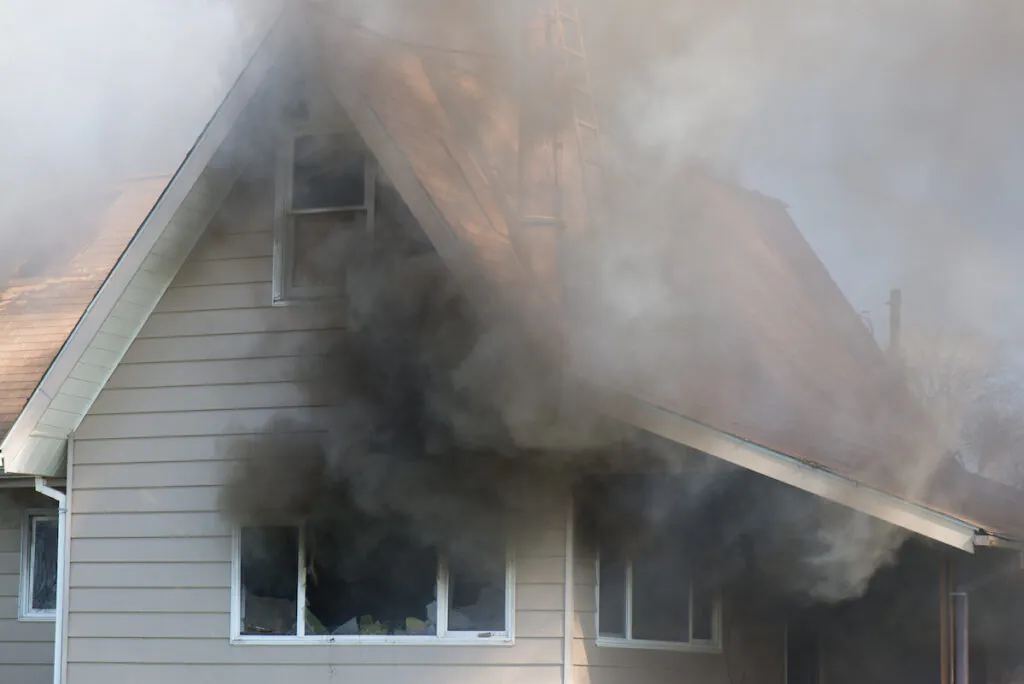
Even after a fire is extinguished, smoke, soot, and odor can continue to affect your home. Fire damage restoration services address visible damage while also helping reduce lingering effects that impact indoor air quality and surfaces.
Explore Our Fire and Smoke Damage Restoration Services
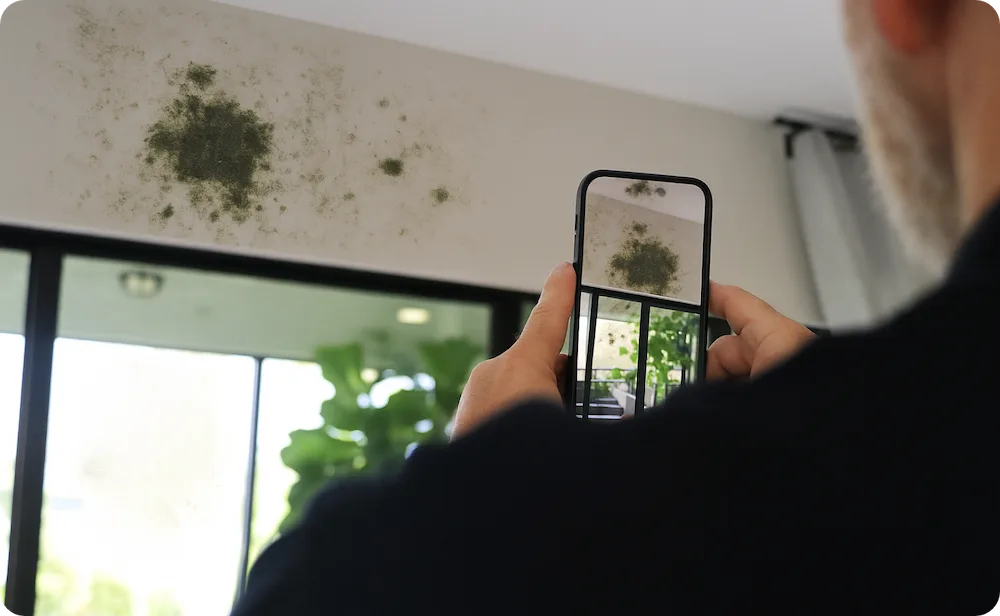
Mold often develops as a result of unresolved moisture or hidden water damage. Professional mold remediation helps identify affected areas, contain growth, and restore healthy indoor conditions.
Explore Our Mold Removal and Remediation Services
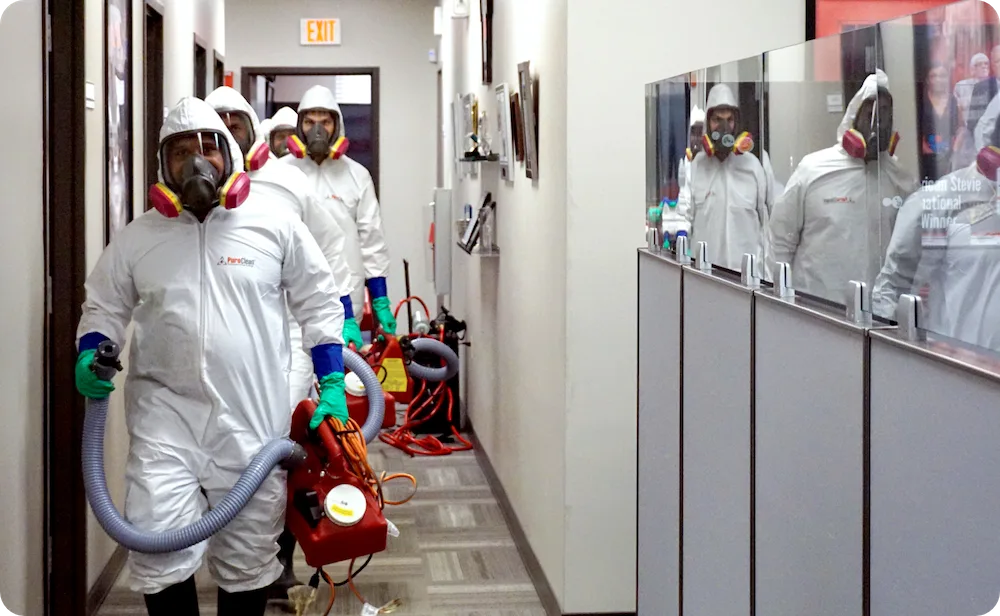
Biohazard situations, including crime scene cleanup and virus decontamination, require specialized cleaning and handling to protect health and safety. Biohazard cleanup services address contamination using proper protocols and professional care.
Explore Our Biohazard Cleanup Services
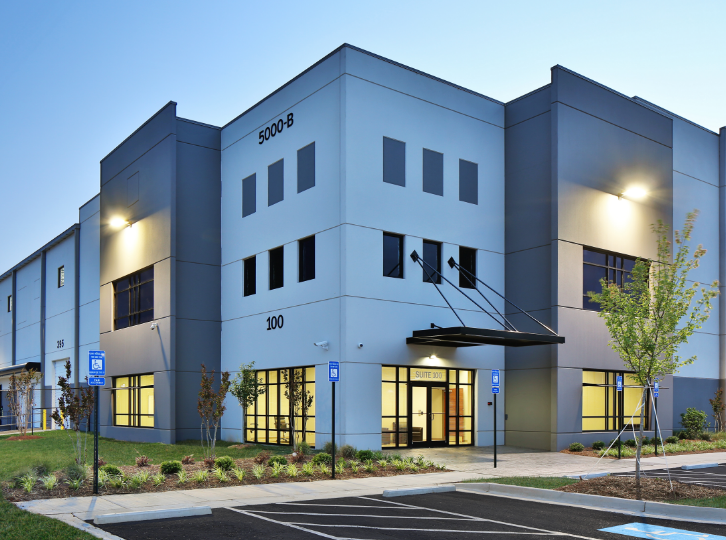
PuroClean provides 24/7 commercial property damage restoration services for businesses and facilities across the United States.
Explore Our Commercial Services
Water damage can result from unexpected leaks, flooding from storms, plumbing failures, or appliance malfunctions. Our certified teams focus on rapid water removal, drying, and stabilization to help prevent further damage and mold growth.
Explore Our Water Damage Mitigation Services
Answers for Natick homeowners and business owners dealing with water, mold, fire, or storm damage.
South Natick’s homes near Eliot Street, Pleasant Street, and the South Natick Dam sit close to a river that’s been shaping this village since John Eliot founded it in 1651, and low-lying properties near the river see elevated groundwater and occasional flood concern during spring snowmelt and heavy, sustained rain. Not every home near the river floods, and the risk depends heavily on your specific elevation and foundation type. We measure moisture at your foundation, document the pattern against the river’s seasonal behavior, and give you an honest read on whether your risk is real flood exposure or a separate drainage issue.
Natick hosts roughly four miles of the marathon course along Route 135/Central Street, and that stretch closes to traffic for several hours every Patriots’ Day. Our dispatcher tracks the town’s published closure schedule and routes crews around the course using Route 9 and side streets, since our Route 9 office sits outside the runner’s path for most of the affected area. If your home is directly on the course, response may take a few extra minutes during peak race hours, but we treat marathon Monday as a standing operational plan, not an afterthought.
Walnut Hill’s Victorian-era homes were built well over a century ago, and original or early-replacement plumbing, older roof valleys, and multiple additions over the decades make hidden leaks more common here than in newer construction. Water often travels along framing and settles far from where it entered, which is why a stain on one floor can trace back to a source a room or two away. We use thermal imaging and moisture meters to map the actual path before recommending any demolition, since guessing wrong on an older home usually means opening up more than necessary.
West Natick’s condominium buildings near the train station introduce a shared-building dimension that single-family homes don’t have. Responsibility typically comes down to the condo association’s master policy, the unit boundary definitions in your condo documents, and whether the source was a common element like a shared pipe or something specific to the unit above. We document the source and the affected units clearly enough for the association, the individual owners, and their respective insurers to work from the same facts, and we coordinate directly with property management throughout.
Wethersfield’s ranch homes were built on slabs in the 1950s as an affordable alternative to basement construction, which means water problems here don’t show up as a flooded lower level the way they do elsewhere in Natick. Instead, we typically see moisture at the slab edge, in exterior walls, under flooring near plumbing runs, or in crawl space additions built onto the original slab home. The diagnostic approach is different from a basement inspection, and we adjust our moisture mapping accordingly so we’re checking the places these homes actually fail.
What Our Customers Say:
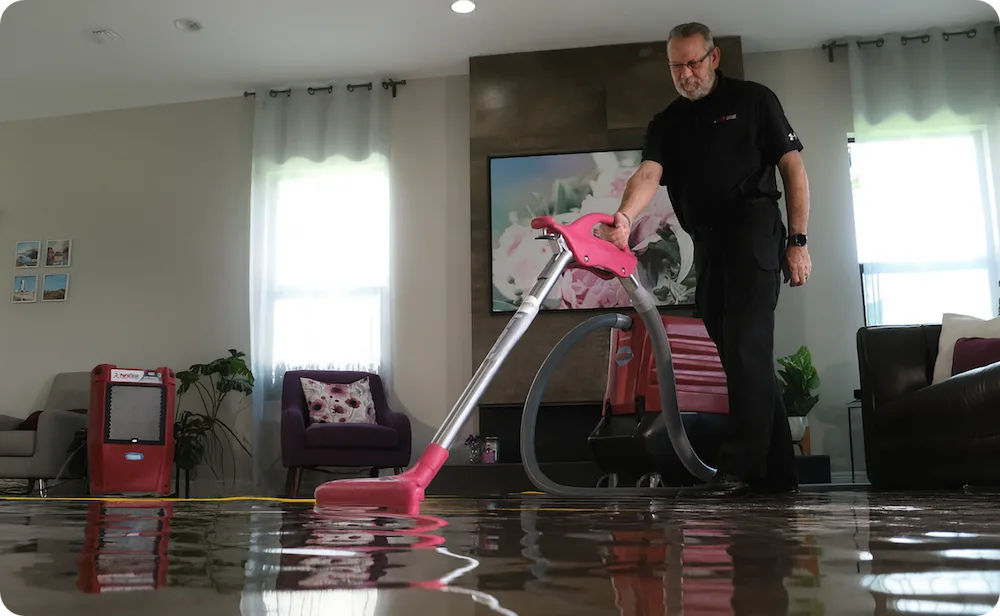
When you need water damage restoration services near you, call the experts at PuroClean. We are here day or night, 24/7, to help remove any standing water quickly and begin your water restoration service. We monitor the drying process so you can rest assured that your property is dried thoroughly. We offer commercial water restoration services for businesses and residential water damage restoration for homeowners.

PuroClean of Natick
(781) 474-0200
841 Worcester St., Suite 334, Natick, MA 01760


© 2026 PuroClean. All Rights Reserved.