PuroClean of Natick — 841 Worcester St., Suite 334, Natick, MA 01760
Wellesley began as “West Needham” before residents, led by benefactors including Horatio Hollis Hunnewell, pushed for separation and won it on April 6, 1881, taking the Wellesley name in tribute to Hunnewell. From its earliest days the town was deliberately planned — Wellesley became the first town in America to adopt zoning laws in 1914, and its three Romanesque train stations at Wellesley Farms, Wellesley Hills, and Wellesley Square were designed by architect H.H. Richardson and landscape architect Frederick Law Olmsted. Wellesley College, founded in 1870, sits on the shore of Lake Waban and anchors the town’s academic identity alongside Babson College in the Babson Park village. Water shapes nearly every corner of town: the Charles River forms Wellesley’s southwestern boundary past Elm Bank Reservation, a 267-acre former estate now home to the Massachusetts Horticultural Society’s gardens; Morses Pond in the northwest — originally Broad’s Pond, renamed for owner Daniel Morse in 1831 and used for commercial ice harvesting into the 1920s — is now the town’s public beach; and the Hunnewell Estates Historic District stretches between the river and the lake, still largely owned by the Hunnewell family who shaped the town’s founding.
That mix of large historic estates, a carefully zoned village-center layout, and multiple bodies of water gives Wellesley a damage profile shaped by both age and affluence. Homes in the Hunnewell district and along Cliff Road carry more than a century of construction history, while the village centers at Wellesley Square, Wellesley Hills, and Linden Square bring commercial density into an otherwise residential town. We regularly respond to:
PuroClean of Natick dispatches from 841 Worcester St., Suite 334, directly on Route 9, which runs straight into Wellesley and makes it one of the more direct towns in our service area to reach. For Wellesley Hills and the area around Route 9’s commercial corridor, we’re often on site within fifteen minutes under normal traffic, continuing on Route 9 as it passes through the heart of town.
For Wellesley Square and the town center, we take Route 9 to Washington Street or Central Street depending on the block. For Morses Pond and the northwest neighborhoods, we continue further on Route 9 or approach via Weston Road; for the Hunnewell Estates area, Cliff Road, and the Charles River side of town near Elm Bank, we route through Route 16 (Washington Street) toward the Dover and Natick lines.
Because Wellesley hosts more than three miles of the Boston Marathon course every Patriots’ Day — including the stretch past Wellesley College known for its “scream tunnel” — our dispatcher tracks the town’s marathon-day road closures and routes crews around the course using Route 9 and side streets, the same way we plan around Natick’s own closures, so a water emergency on race day doesn’t mean a delayed response.
Wellesley’s water risk starts with its geography. The Charles River runs along the town’s southwestern edge past Elm Bank Reservation, and homes near the river and its floodplain see elevated groundwater and periodic flood concern during spring snowmelt and after sustained rain. Morses Pond and Lake Waban add further exposure on the town’s western side — Morses Pond in particular sits on ground that was actively worked for ice harvesting well into the 1920s, a reminder that this part of town has always managed a significant, actively used volume of water rather than simply containing it.
Wellesley’s housing age is the second major factor. The Hunnewell Estates Historic District contains construction spanning 1770 to 1891, and homes throughout Wellesley’s older neighborhoods — particularly around Cliff Road and the areas closest to the river — carry original plumbing, aging roof systems, and, for anything built before 1978, lead paint that triggers EPA RRP-compliant work practices on any demolition. Older estate-scale homes with complex, multi-plane rooflines are also more prone to ice damming than simpler modern construction, since more valleys and dormers mean more places for meltwater to back up during freeze-thaw cycles.
Wellesley’s village-center commercial density adds a final layer: Wellesley Square, Wellesley Hills, and Linden Square concentrate restaurants, retail, and multi-unit buildings into walkable centers, which brings fire and Category 3 risk alongside the town’s dominant residential exposure. The presence of Wellesley College, Babson College, and Massachusetts Bay Community College also means a meaningful rental and multi-unit housing stock near campus, where a single failure can affect multiple units or tenants at once. Combine the Charles River, two major ponds, more than a century of estate-scale construction, and dense village centers, and Wellesley generates nearly every category of water, fire, and storm damage we handle across the trade area.
Owned & Operated by Nigel Belgrave
841 Worcester St., Natick, MA, 01760
(781) 474-0200
 Ashland
Cochituate
Dover
Framingham
Glenridge
Natick
Needham
Needham Heights
Newton Lower Falls
Pine Lake
Pine Rest
Sherborn
Sudbury
Wayland
Wellesley
Wellesley Hills
Weston
Water damage can result from unexpected leaks, flooding from storms, plumbing failures, or appliance malfunctions. Our certified teams focus on rapid water removal, drying, and stabilization to help prevent further damage and mold growth.
 Explore Our Water Damage Mitigation Services
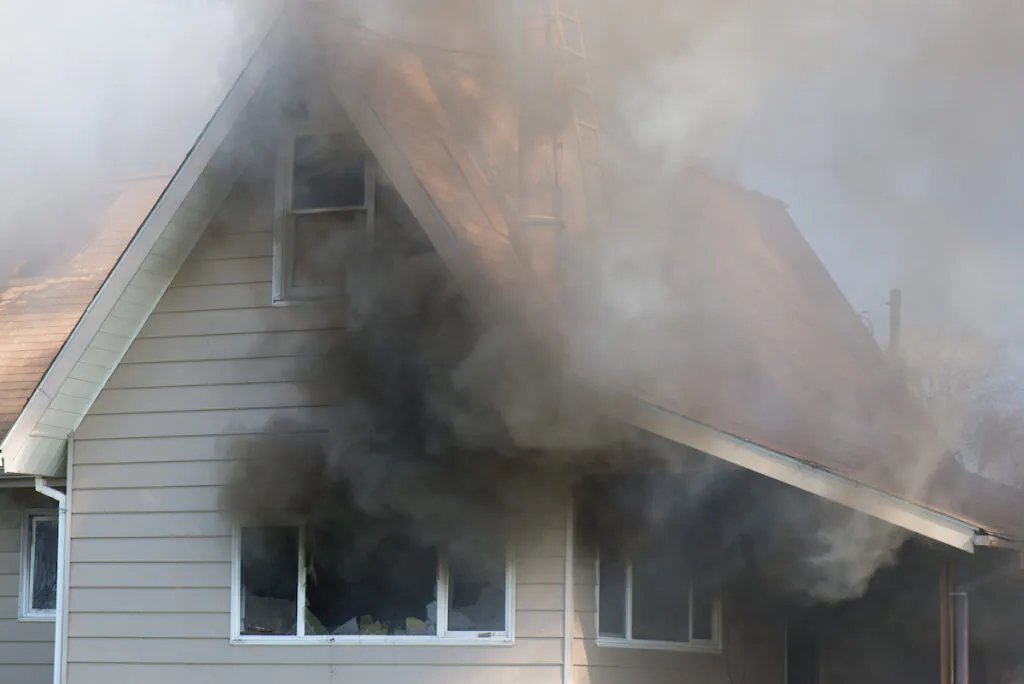
Even after a fire is extinguished, smoke, soot, and odor can continue to affect your home. Fire damage restoration services address visible damage while also helping reduce lingering effects that impact indoor air quality and surfaces.
Explore Our Fire and Smoke Damage Restoration Services
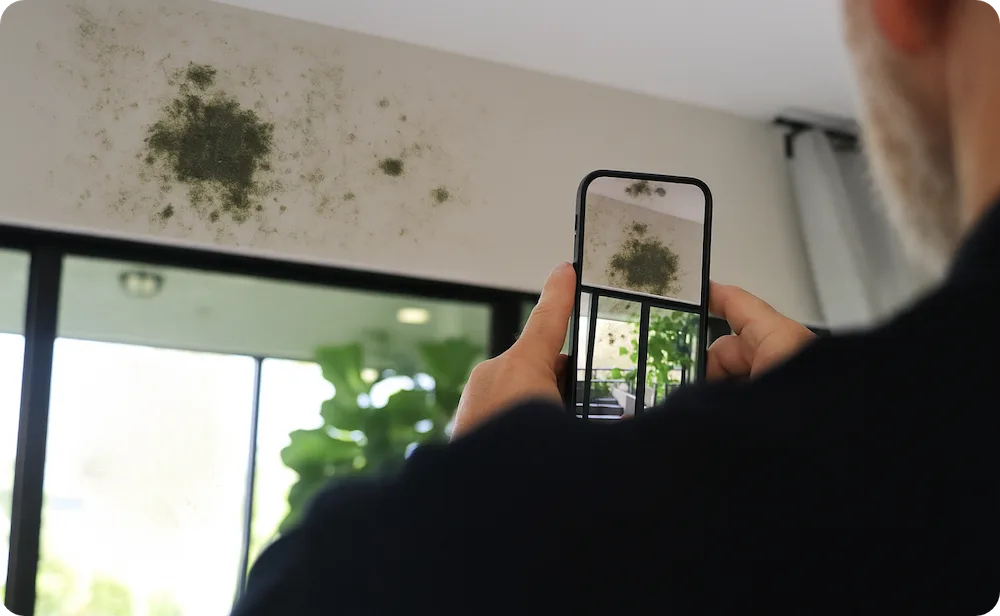
Mold often develops as a result of unresolved moisture or hidden water damage. Professional mold remediation helps identify affected areas, contain growth, and restore healthy indoor conditions.
Explore Our Mold Removal and Remediation Services
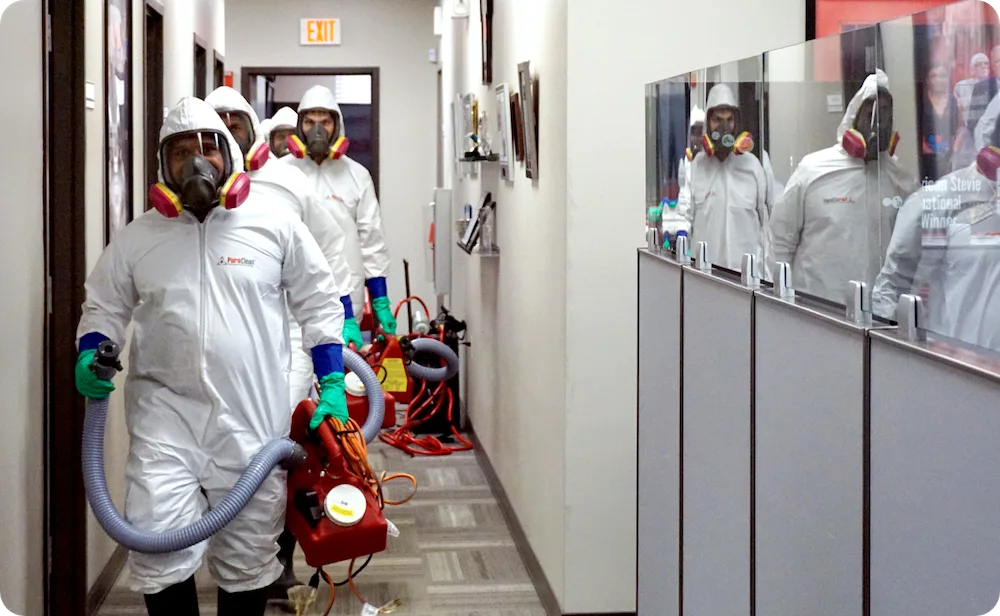
Biohazard situations, including crime scene cleanup and virus decontamination, require specialized cleaning and handling to protect health and safety. Biohazard cleanup services address contamination using proper protocols and professional care.
Explore Our Biohazard Cleanup Services
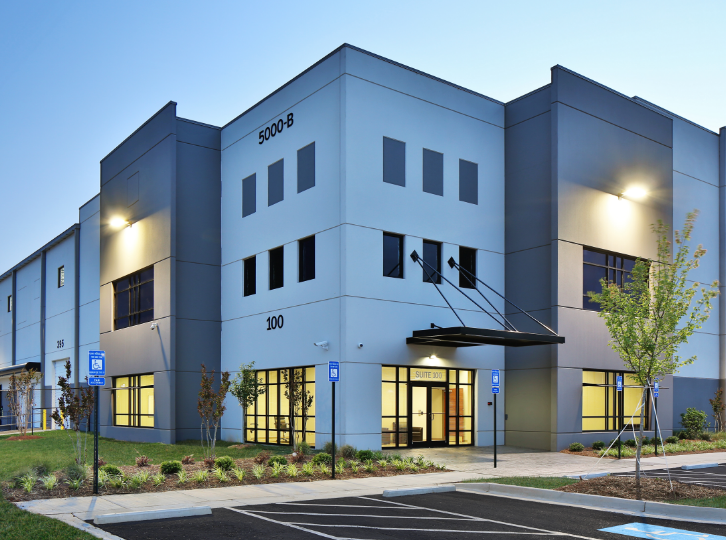
PuroClean provides 24/7 commercial property damage restoration services for businesses and facilities across the United States.
Explore Our Commercial Services
Water damage can result from unexpected leaks, flooding from storms, plumbing failures, or appliance malfunctions. Our certified teams focus on rapid water removal, drying, and stabilization to help prevent further damage and mold growth.
Explore Our Water Damage Mitigation Services
Answers for Wellesley homeowners and business owners dealing with water, mold, fire, or storm damage.
Homes in the Hunnewell Estates Historic District sit between the Charles River and Lake Waban, and properties closest to the river see elevated groundwater and periodic flood concern that tracks the river’s seasonal levels, especially during spring snowmelt and after sustained rain. Risk varies significantly by exact elevation and distance from the riverbank, so we measure moisture at your specific foundation and document the pattern, rather than assuming every property in the district carries identical exposure. We’re also experienced working carefully in the district’s older, architecturally significant homes.
Wellesley hosts more than three miles of the marathon course, including the stretch past Wellesley College, and that route closes to traffic for several hours every Patriots’ Day. Our dispatcher tracks the town’s published closure schedule and routes crews around the course using Route 9 and side streets. If your home sits directly on the course, response may take a few extra minutes during peak race hours, but we treat marathon Monday as a standing operational plan for both Wellesley and Natick, not an afterthought.
Older, estate-scale homes common in Wellesley’s historic neighborhoods often have complex rooflines with multiple valleys, dormers, and lower-slope sections, all of which create more opportunities for ice damming during freeze-thaw cycles than a simpler modern roof would. Meltwater backs up at these transition points and works into the ceiling and wall cavities below. A repair that only addresses the visible ceiling stain won’t stop next winter’s recurrence, because the underlying cause is attic insulation and ventilation, not the roof’s complexity. We evaluate both the water damage and the ice dam mechanism so the fix actually holds.
Wellesley’s rental and multi-unit housing stock near the colleges introduces a shared-building dimension that single-family homes don’t have. Responsibility typically depends on the property’s insurance structure and whether the source was a shared system or something specific to the unit above. We document the source and affected units clearly enough for landlords, tenants, and their respective insurers to work from the same facts, and we coordinate directly with property management throughout so students and other tenants aren’t left managing the process alone.
Restaurants in Wellesley’s walkable village centers are some of our more common commercial calls. Reopening requires soot and residue removal specific to kitchen fires, full cleaning and decontamination of surfaces and HVAC that contacted smoke, and documentation the local Board of Health will accept as proof the space is sanitary. We give you a written estimate of time to reopen as early as possible, since that determines your staffing and revenue decisions, and we can help document the loss for your business interruption claim.
What Our Customers Say:
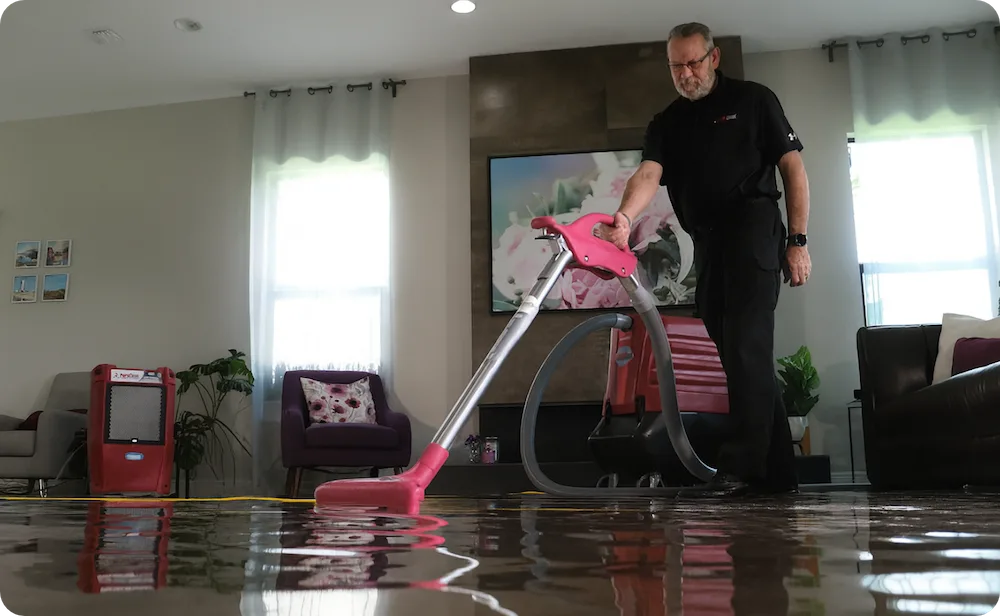
When you need water damage restoration services near you, call the experts at PuroClean. We are here day or night, 24/7, to help remove any standing water quickly and begin your water restoration service. We monitor the drying process so you can rest assured that your property is dried thoroughly. We offer commercial water restoration services for businesses and residential water damage restoration for homeowners.

PuroClean of Natick
(781) 474-0200
841 Worcester St., Suite 334, Natick, MA 01760


© 2026 PuroClean. All Rights Reserved.