PuroClean of Natick — 841 Worcester St., Suite 334, Natick, MA 01760
Dover began as Springfield Parish, a farming hamlet inside Dedham known for its springs and fertile land, before splitting off and taking the name Dover — after an English ancestral home — when it incorporated as its own town in 1836. The Reverend Benjamin Caryl, who built the 1777 farmhouse that still stands as a house museum in Caryl Park today, served as the parish’s first minister for 41 years, and his family’s name is stamped across the town: Caryl Park, the former Caryl School site, and the Sawin Museum that the Dover Historical Society now runs a half-mile down Dedham Street. Where the town’s mills once stood, Noanet Woodlands now covers nearly 600 wooded acres along Noanet Brook — a 19th-century industrial site turned Trustees of Reservations preserve, complete with a 24-foot dam and mill wheel pit left from the old Dover Union Iron Company. The Charles River forms much of Dover’s northern boundary, threading past Peters Reservation, Chase Woodlands, and the boat landings on Riverside Drive before continuing toward Wellesley and Needham.
That geography — rolling glacial terrain, granite ledge, dense woodland, and a meandering river frontage — is why Dover’s roughly 15 square miles carry some of the lowest housing density and highest median home values in the entire trade area. Large-lot estate properties on long private driveways, many still on private wells and septic systems rather than municipal water and sewer, sit tucked behind stone walls and stands of oak and white pine that once bordered open farmland. That combination of acreage, wooded canopy, and off-grid utilities creates a damage profile that looks different from denser neighboring towns. We regularly respond to:
PuroClean of Natick dispatches from 841 Worcester St., Suite 334, on Route 9, and reaching Dover means crossing out of the denser MetroWest towns into open, wooded, low-density terrain — which changes how we route a crew as much as how far we drive. The most direct path takes Route 9 east to Route 27 south through Wellesley, past Wellesley College and down through Wellesley Hills, where Route 27 continues as Washington Street into Dover and runs straight to the town center at the intersection of Springdale Avenue, Centre Street, and Walpole Street — a few hundred yards from Caryl Park and the Sawin Museum.
For calls on the Noanet Woodlands, Powisset Farm, or Farm Street side of town, near the Dover-Sherborn school campus, we favor a second route: Route 9 to Central Avenue through Needham, crossing the Charles River into Dover on Dedham Street before picking up Springdale Avenue or continuing on to Farm Street. This route avoids the Wellesley Hills traffic corridor and lands closer to the southern and western parts of town.
Because Dover properties sit on long private driveways set well back from the road, our dispatcher gets the driveway length, gate or keypad codes, and any landmark trees or stone walls at the entrance before the crew leaves Natick — a detail that saves real minutes once we’re on a rural road with no visible house numbers.
Dover’s risk profile starts with what’s under the ground. The town sits on gently rolling terrain shaped by the Wisconsin Glaciation, with shallow, rocky soils and granite ledge close to the surface in many areas — terrain that limits how deep foundations and septic leach fields can be set and that sheds stormwater unevenly across a property rather than absorbing it evenly. Because a large share of Dover homes rely on private wells and septic systems rather than municipal water and sewer, a single extended power outage does double duty as a water-supply failure and a wastewater failure: without electricity, the well pump stops delivering water and the sump pump stops protecting the basement at the same time, and a septic system with an electric pump can back up into the house. Dover shares this pattern with North Sudbury far more than it shares it with Natick or Newton.
The Charles River corridor, which forms much of the town’s northern edge past Peters Reservation, Chase Woodlands, and the river landings on Riverside Drive, adds seasonal flood risk to properties on Dedham Street, Farm Street, and the low-lying land near the river crossings — spring snowmelt and heavy rain events raise the river and the water table together, and low-lying basements nearby see hydrostatic pressure well before the river itself approaches its banks.
Dover’s tree canopy is another defining factor. Roughly a quarter of the town’s land remains open or conserved woodland — Noanet Woodlands alone covers nearly 600 acres of oak, pine, and granite ridge — and mature trees throughout Dover’s residential lots drop limbs and, in bad nor’easters, entire trunks onto roofs, driveways, and power lines. Power restoration in a low-density town like Dover often takes longer than in denser towns, which stretches the window that a sump pump or well pump sits offline. Add larger, more architecturally complex rooflines on the town’s custom and historic homes — more valleys, dormers, and low-slope sections where ice dams form — and Dover generates water losses that are less frequent per household than in denser towns, but often more severe once they happen.
Owned & Operated by Nigel Belgrave
841 Worcester St., Natick, MA, 01760
(781) 474-0200
 Ashland
Cochituate
Dover
Framingham
Glenridge
Natick
Needham
Needham Heights
Newton Lower Falls
Pine Lake
Pine Rest
Sherborn
Sudbury
Wayland
Wellesley
Wellesley Hills
Weston
Ashland
Cochituate
Dover
Framingham
Glenridge
Natick
Needham
Needham Heights
Newton Lower Falls
Pine Lake
Pine Rest
Sherborn
Sudbury
Wayland
Wellesley
Wellesley Hills
Weston
Water damage can result from unexpected leaks, flooding from storms, plumbing failures, or appliance malfunctions. Our certified teams focus on rapid water removal, drying, and stabilization to help prevent further damage and mold growth.
 Explore Our Water Damage Mitigation Services
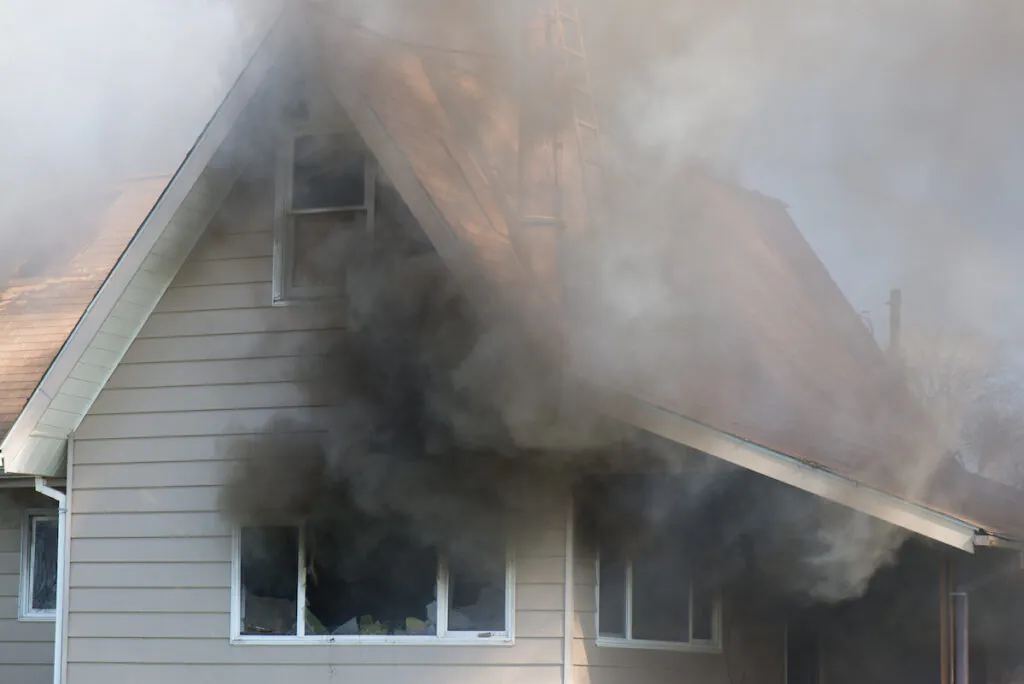
Even after a fire is extinguished, smoke, soot, and odor can continue to affect your home. Fire damage restoration services address visible damage while also helping reduce lingering effects that impact indoor air quality and surfaces.
Explore Our Fire and Smoke Damage Restoration Services
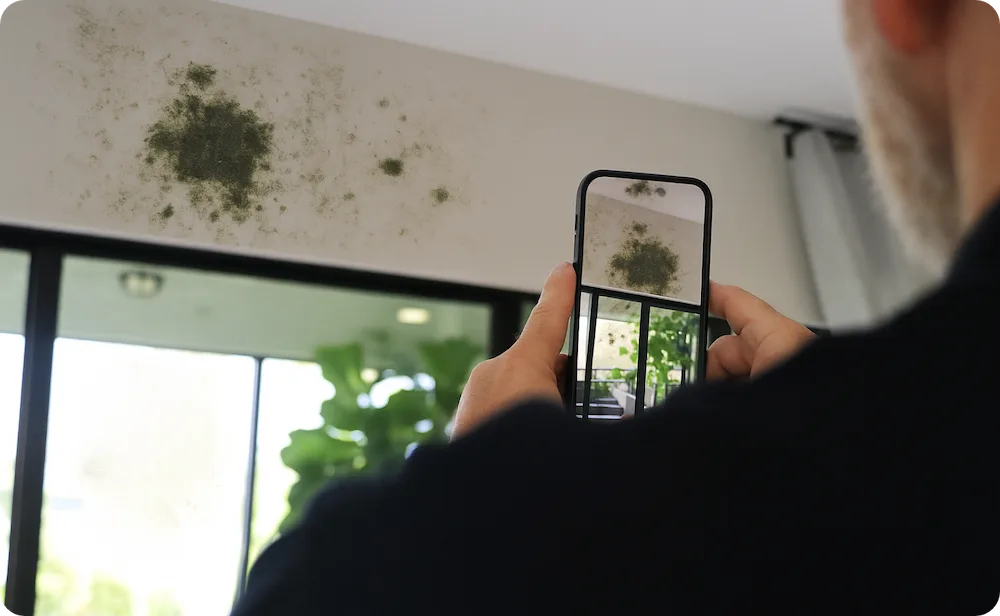
Mold often develops as a result of unresolved moisture or hidden water damage. Professional mold remediation helps identify affected areas, contain growth, and restore healthy indoor conditions.
Explore Our Mold Removal and Remediation Services
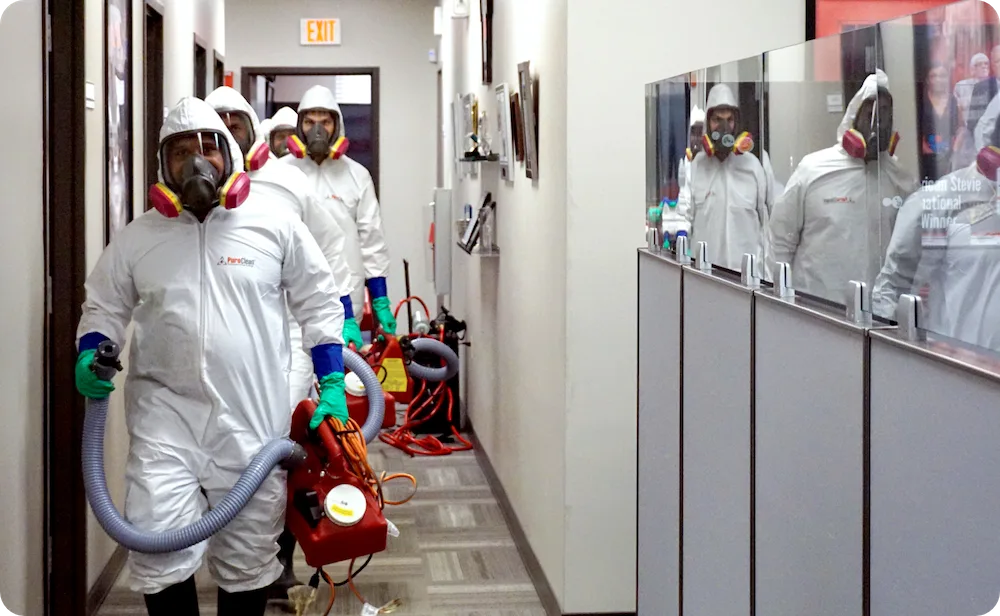
Biohazard situations, including crime scene cleanup and virus decontamination, require specialized cleaning and handling to protect health and safety. Biohazard cleanup services address contamination using proper protocols and professional care.
Explore Our Biohazard Cleanup Services
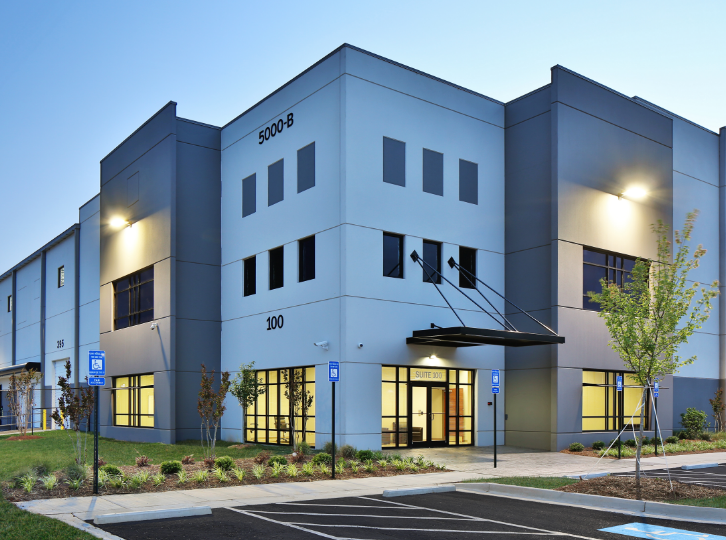
PuroClean provides 24/7 commercial property damage restoration services for businesses and facilities across the United States.
Explore Our Commercial Services
Water damage can result from unexpected leaks, flooding from storms, plumbing failures, or appliance malfunctions. Our certified teams focus on rapid water removal, drying, and stabilization to help prevent further damage and mold growth.
Explore Our Water Damage Mitigation Services
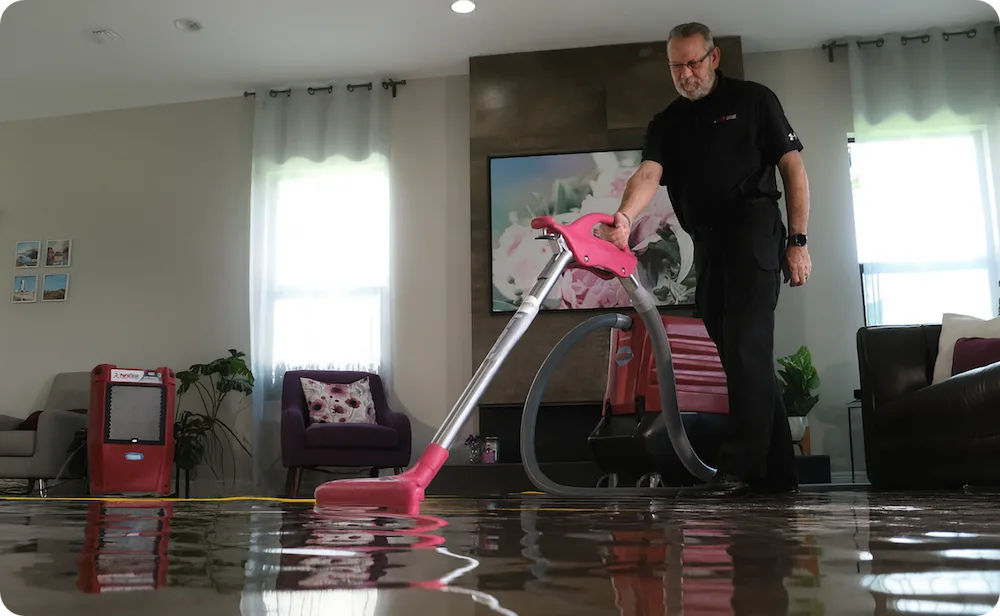
Answers for Dover homeowners dealing with water, mold, fire, or storm damage on wooded and estate properties.
Because a large share of Dover properties run on private wells and septic systems rather than municipal water and sewer, a power outage here does more than turn off the lights. Your well pump stops supplying water, your sump pump stops protecting the basement, and if your septic system uses an electric pump, wastewater can back up rather than flow out. With Dover’s wooded, low-density terrain, outages also tend to last longer than in denser towns, because utility crews have more line and more downed trees to clear. A generator or battery backup sized for both the well and sump system is one of the highest-value protections we recommend to Dover homeowners.
Category 3 losses from a septic backup are handled differently than a straightforward sudden water discharge. Many Massachusetts homeowners policies cover sewer and drain backup only with a specific endorsement, and a septic system failure can be treated as a maintenance issue if the system was already failing rather than a sudden mechanical or electrical event. We document the timeline, the pump condition, and the extraction and decontamination scope in Xactimate-compatible format, and we always recommend reviewing your declarations page for a septic or sewer backup endorsement before assuming coverage either way.
Dover’s larger, multi-building properties are exactly where we see the most frozen-pipe calls, because a guest house, barn, or pool house often goes unheated or under-heated for weeks at a time, especially when the family travels. Any supply line running through an unheated space, exterior wall, or crawl space is at risk during a deep-freeze snap. We recommend keeping those spaces at a minimum of 55 degrees, draining and shutting off unused fixtures for the season, and installing a water sensor that alerts you the moment a line starts leaking rather than days later.
We ask for driveway length, gate or keypad codes, and any visible landmarks — a stone wall, a particular tree, a mailbox style — the moment you call, before the crew leaves our Route 9 location in Natick. Dover’s rural roads and set-back homes mean street numbers alone aren’t always enough to find a house quickly, especially at night or during a storm. That detail is built into our standard intake script for Dover calls specifically, and it typically saves several minutes once the crew is on your road.
Yes. Much of Dover sits on shallow, rocky soil with granite ledge close to the surface, a legacy of the glacial terrain that shaped the town’s rolling hills. That ledge limits how deep foundations, drainage systems, and septic leach fields can be set, and it means stormwater sheds unevenly across a property instead of soaking in the way it might in sandier soil. Combined with private well and septic infrastructure, this makes proper grading and drainage around the foundation especially important for Dover homes, and it’s one of the first things we check when we’re diagnosing recurring basement moisture.
What Our Customers Say:
When you need water damage restoration services near you, call the experts at PuroClean. We are here day or night, 24/7, to help remove any standing water quickly and begin your water restoration service. We monitor the drying process so you can rest assured that your property is dried thoroughly. We offer commercial water restoration services for businesses and residential water damage restoration for homeowners.

PuroClean of Natick
(781) 474-0200
841 Worcester St., Suite 334, Natick, MA 01760


© 2026 PuroClean. All Rights Reserved.