PuroClean of Natick — 841 Worcester St., Suite 334, Natick, MA 01760
Sudbury was incorporated in 1639, making it one of the earliest inland settlements in Massachusetts, and by the turn of the 20th century the town had grown into three distinct villages: South Sudbury with its Mill Village, Sudbury Center, and North Sudbury, which town records describe as home to roughly 30 dwelling houses and small village industries in its early years. Those industries ran on water power from the Hop Brook system, which winds nearly nine miles through Sudbury in a broad upside-down U, fed by tributaries including Trout Brook, Cranberry Brook, and Landham Brook. North Sudbury’s roads still trace that older agricultural landscape — North Road (Route 117), Marlborough Road, Horse Pond Road, Landham Road, and Dutton Road wind past Willis Pond and the wetlands now preserved as Hop Brook Marsh Conservation Land, where Native American fishing weirs once worked the brook long before English settlers arrived. Unlike South Sudbury’s commercial mill village or the civic center of Sudbury Center, North Sudbury developed as a scattered agricultural neighborhood, and that low-density, working-land character has persisted into the present.
Today North Sudbury remains one of the more rural, low-density corners of our entire trade area: long private driveways, heavy tree canopy along Hop Brook’s tributaries, and a meaningful share of properties still on private wells and septic systems rather than municipal water and sewer. That combination — rural infrastructure, mature woodland, and wetland-adjacent terrain — creates a damage profile distinct from the denser towns nearby. We regularly respond to:
PuroClean of Natick dispatches from 841 Worcester St., Suite 334, on Route 9, and reaching North Sudbury means heading north through Wayland into Sudbury’s more rural terrain. The most direct route takes Route 9 to Route 27 (Old Sudbury Road / Boston Post Road) north through Wayland, then North Road (Route 117) into the heart of North Sudbury, where it crosses Marlborough Road and Horse Pond Road near Willis Pond and the Hop Brook watershed.
For calls further west toward the Marlborough town line, we continue on Route 117 or cut over via Landham Road or Dutton Road depending on current conditions. For properties near Hop Brook Marsh Conservation Land or the Sudbury/Wayland border, we approach from Route 27 directly rather than routing through North Sudbury’s interior roads.
Because North Sudbury properties sit on long private driveways set well back from the road, with mature trees and limited street lighting, our dispatcher gets driveway length, gate codes, and any visible landmarks at intake before the crew leaves Natick — the same detail we rely on for Dover’s rural roads, and just as important here once a crew is searching for an address on a dark, tree-lined road during a storm.
North Sudbury’s risk profile starts with its rural infrastructure. A meaningful share of properties here rely on private wells and septic systems rather than municipal water and sewer, which means a single extended power outage does double duty as a water-supply failure and a wastewater failure: without electricity, the well pump stops delivering water, the sump pump stops protecting the basement, and a septic system with an electric pump can back up into the house. North Sudbury shares this exposure with Dover far more than with Natick or Framingham, and it’s a driving factor behind how often we recommend generator or battery-backup protection to homeowners here.
The Hop Brook watershed adds a second layer of exposure. Hop Brook and its tributaries wind through North Sudbury past Willis Pond and the wetlands of Hop Brook Marsh Conservation Land, and homes near these low-lying, wetland-adjacent areas see elevated groundwater that rises with the brook system during spring snowmelt and after sustained rain. This terrain has flooded seasonally since the earliest colonial settlement, when the area’s isolation and “formidable spring flooding” shaped how slowly the region developed in the first place.
North Sudbury’s heavy, mature tree canopy — a defining feature of its rural character — is the third major factor. Long stretches of North Road, Marlborough Road, and the smaller roads branching off them run beneath dense stands of oak and pine that drop limbs and, in bad nor’easters, whole trees onto roofs, driveways, and power lines. Because North Sudbury is lower-density than most of our service area, utility crews often have more line and more downed trees to clear here than in tighter neighborhoods, which stretches the window that a well or sump pump sits offline. Combine private wells and septic systems, wetland-adjacent low ground, and a heavy tree canopy prone to storm damage, and North Sudbury produces a water-loss pattern that’s less frequent per household than in denser towns, but often more severe and slower to resolve once it happens.
Owned & Operated by Nigel Belgrave
841 Worcester St., Natick, MA, 01760
(781) 474-0200
 Ashland
Cochituate
Dover
Framingham
Glenridge
Natick
Needham
Needham Heights
Newton Lower Falls
Pine Lake
Pine Rest
Sherborn
Sudbury
Wayland
Wellesley
Wellesley Hills
Weston
Ashland
Cochituate
Dover
Framingham
Glenridge
Natick
Needham
Needham Heights
Newton Lower Falls
Pine Lake
Pine Rest
Sherborn
Sudbury
Wayland
Wellesley
Wellesley Hills
Weston
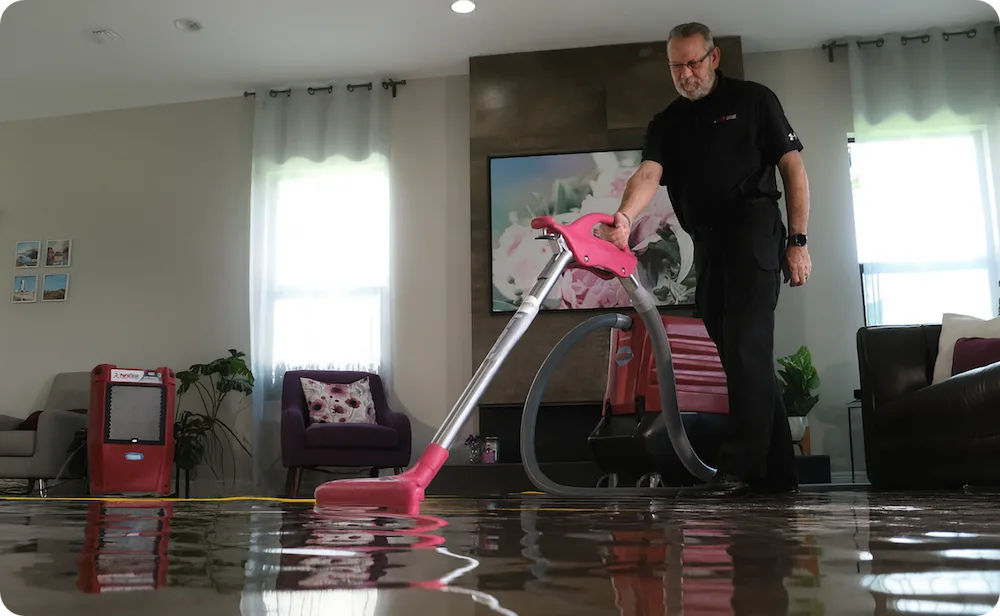
Water damage can result from unexpected leaks, flooding from storms, plumbing failures, or appliance malfunctions. Our certified teams focus on rapid water removal, drying, and stabilization to help prevent further damage and mold growth.
 Explore Our Water Damage Mitigation Services
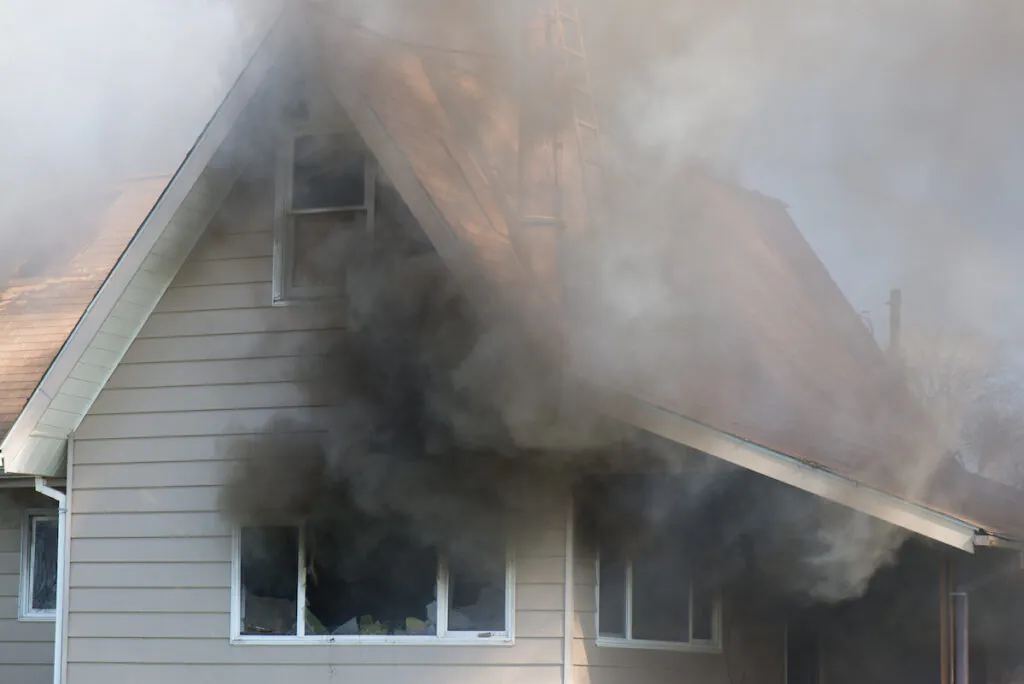
Even after a fire is extinguished, smoke, soot, and odor can continue to affect your home. Fire damage restoration services address visible damage while also helping reduce lingering effects that impact indoor air quality and surfaces.
Explore Our Fire and Smoke Damage Restoration Services
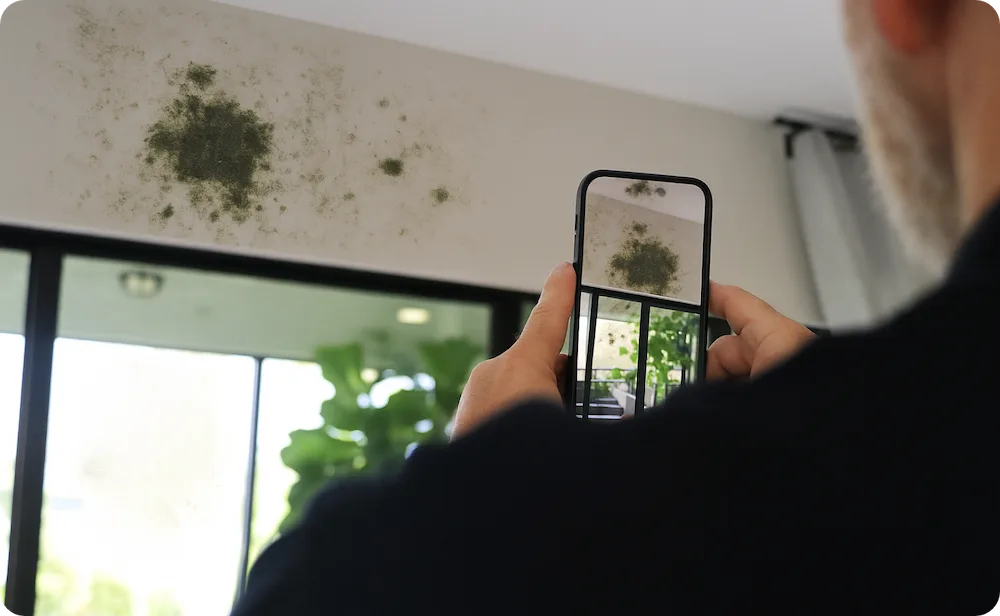
Mold often develops as a result of unresolved moisture or hidden water damage. Professional mold remediation helps identify affected areas, contain growth, and restore healthy indoor conditions.
Explore Our Mold Removal and Remediation Services
Biohazard situations, including crime scene cleanup and virus decontamination, require specialized cleaning and handling to protect health and safety. Biohazard cleanup services address contamination using proper protocols and professional care.
Explore Our Biohazard Cleanup Services
PuroClean provides 24/7 commercial property damage restoration services for businesses and facilities across the United States.
Explore Our Commercial Services
Water damage can result from unexpected leaks, flooding from storms, plumbing failures, or appliance malfunctions. Our certified teams focus on rapid water removal, drying, and stabilization to help prevent further damage and mold growth.
Explore Our Water Damage Mitigation Services
Answers for North Sudbury homeowners dealing with water, mold, fire, or storm damage.
Because a meaningful share of North Sudbury properties run on private wells and septic systems rather than municipal water and sewer, a power outage here does more than turn off the lights. Your well pump stops supplying water, your sump pump stops protecting the basement, and a septic system with an electric pump can back up into the house — all from the same outage. North Sudbury’s rural, heavily wooded roads also tend to see longer utility restoration times than denser towns, since crews have more downed trees and more line to clear. A generator or battery backup sized for your well and sump system is one of the highest-value protections for a property like this.
Very likely, yes. Willis Pond and the Hop Brook watershed that winds through North Sudbury have shaped seasonal flooding in this area since the earliest colonial settlement, and homes near these wetland-adjacent low points see groundwater rise with the brook system during spring snowmelt and after sustained rain. We measure moisture at your foundation and document the pattern against the brook’s seasonal behavior, so you have a clear answer on whether your basement’s timing tracks Hop Brook’s water table or points to a separate drainage issue worth fixing.
Yes. North Sudbury’s heavy tree canopy along North Road, Marlborough Road, and the smaller roads branching off them means storm-driven tree fall onto roofs, garages, and outbuildings is one of our more common calls here. We handle emergency board-up and tarping to stop further water intrusion first, then coordinate the water mitigation and, where needed, tree removal timing with your insurance adjuster. Getting the structure sealed and dry quickly matters most in the first hours after impact, regardless of when the tree itself gets cleared.
We ask for driveway length, gate codes, and any visible landmarks — a mailbox style, a stone wall, a specific tree — the moment you call, before the crew leaves our Route 9 location in Natick. North Sudbury’s rural roads, long private driveways, and limited street lighting mean a house number alone isn’t always enough to find a property quickly, especially during a storm or after dark. That intake detail is standard for our North Sudbury calls specifically, and it typically saves real time once the crew reaches your road.
It can be. Septic system backups are Category 3 losses just like municipal sewer backups, but coverage often depends on whether your policy includes a sewer and drain backup endorsement and whether the failure was sudden versus a system that was already struggling. Storm-driven power loss that knocks out an electric septic pump is generally treated differently than a system failing from age or lack of maintenance. We document the timeline and pump condition clearly and recommend reviewing your declarations page for a backup endorsement before assuming how the claim will be handled.
What Our Customers Say:
When you need water damage restoration services near you, call the experts at PuroClean. We are here day or night, 24/7, to help remove any standing water quickly and begin your water restoration service. We monitor the drying process so you can rest assured that your property is dried thoroughly. We offer commercial water restoration services for businesses and residential water damage restoration for homeowners.

PuroClean of Natick
(781) 474-0200
841 Worcester St., Suite 334, Natick, MA 01760


© 2026 PuroClean. All Rights Reserved.