


Table of Contents
Cleaning cigarette smoke off walls requires removing both the visible stains and the odor trapped in sticky nicotine residue. If you’re wondering how to clean cigarette smoke off walls effectively, the most reliable method is to start by vacuuming the surface, then washing it with a degreasing solution (such as dish soap with baking soda or vinegar), followed by a thorough rinse and proper drying to prevent damage. For heavier buildup, light sanding or applying a stain-blocking primer before repainting may be necessary.
Nicotine and cigarette smoke leave behind a thin layer of tar that holds onto odor, which is why a thorough cleaning process is essential to fully remove the smell of smoke from a room.
While minor surface residue may sometimes be manageable, significant smoke contamination often requires professional restoration. Knowing when not to attempt DIY cleaning can help prevent further damage.
Why Cigarette Smoke Stains Walls
Cigarette smoke contains tar and nicotine particles that settle on walls and other surfaces over time. These particles can discolor paint and trap odors. According to the Centers for Disease Control and Prevention (CDC), secondhand smoke can linger on indoor surfaces and contribute to ongoing indoor air contamination.
Common signs of nicotine buildup include:
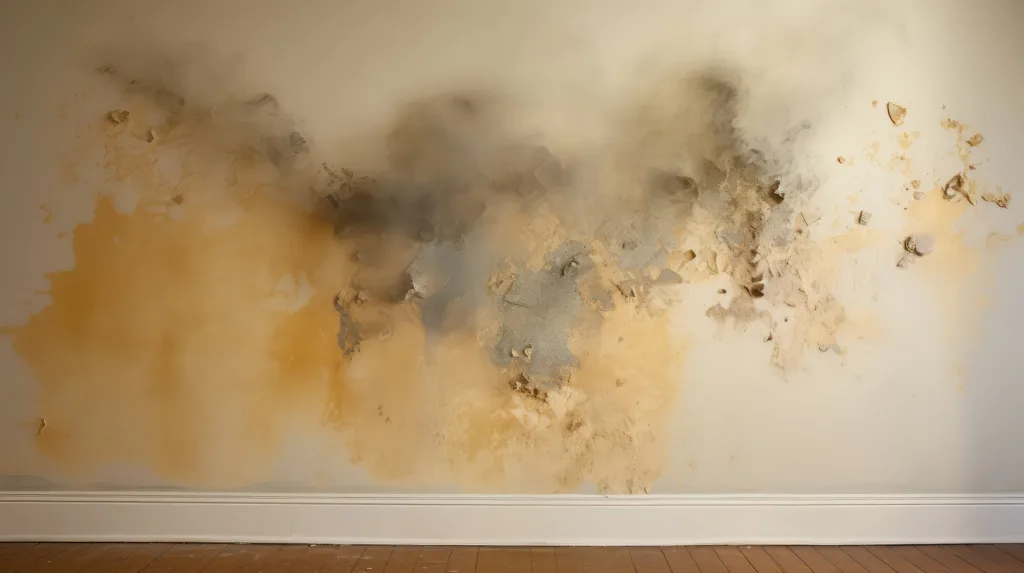
- Yellow or brown discoloration on walls and ceilings
- Sticky or greasy residue on surfaces
- Persistent cigarette odor even after cleaning
- Stains around vents, outlets, and light switches
Removing these residues is the most effective way to eliminate lingering smoke odor indoors. Our guide to fire damage restoration provides a deeper look at how smoke residue spreads and why thorough cleaning is important.
When to Call a Smoke Damage Restoration Professional
Some smoke damage should be professionally assessed before attempting DIY cleaning. If smoke or soot affects multiple rooms, walls and ceilings, HVAC systems, porous materials, or follows a significant structure fire, contact a smoke damage restoration professional before attempting extensive cleaning. Professional help may also be appropriate when there is heavy soot buildup, persistent smoke odor, or uncertainty about the extent of the contamination.
Smoke damage specialists use:
- industrial degreasers
- HEPA filtration
- odor-neutralizing treatments
- surface restoration techniques
These methods are often required for heavy smoke contamination or fire-related damage.
Step-by-Step: How to Clean Cigarette Smoke off Walls
Follow this process to safely remove nicotine stains and smoke residue.
1. Vacuum the Walls First
Start by removing loose debris before washing.
Use:
- A vacuum cleaner
- Upholstery or brush attachment
2. Prepare a Cleaning Solution
One of the most effective DIY solutions combines grease-cutting and odor-neutralizing ingredients.
Cleaning mixture:
- 1 gallon of hot water
- 3 tablespoons of dish soap
- ½ cup baking of soda
This solution helps break down sticky nicotine residue.
3. Wash the Walls in Small Sections
Use a sponge or rag to scrub the wall gently.
Steps:
- Dip a cloth into the cleaning solution
- Scrub the wall in small sections
- Rinse with clean water
- Dry immediately with a cloth
Drying the wall quickly prevents drywall from absorbing excess moisture.
Severely stained areas may require multiple cleaning passes over several days.
4. Try Vinegar or Ammonia for Stronger Stains
For stubborn smoke stains, stronger cleaners may help dissolve tar buildup.
Common options include:
- White vinegar
- Lemon juice
- Household ammonia
How to apply:
- Pour the cleaner into a spray bottle.
- Spray the stained area.
- Scrub gently with a sponge.
- Rinse with clean water and dry.
Safety tip:
When using ammonia:
- Wear gloves and eye protection
- Open windows or use a fan for ventilation
- Never mix ammonia with bleach
5. Remove Residue Behind Fixtures
Nicotine often accumulates around wall fixtures.
Remove and clean behind:
- Light switch covers
- Outlet plates
- Vent screens
- Radiator covers
Use a scraper or cloth to remove heavy tar buildup before washing the area.
6. Use Salt or Baking Soda for Deep Stains
For heavy nicotine buildup, a mild abrasive solution can help.
Salt solution:
- ¼ cup salt
- 1 quart warm water
Apply the solution and gently scrub with a clean cloth.
If residue remains, sprinkle baking soda on a damp cloth and wipe the area again.
How to Remove Cigarette Smoke Odor from Walls
Removing smoke residue from walls is one of the most effective ways to improve indoor air quality. The U.S. Environmental Protection Agency (EPA) notes that smoke particles can accumulate on indoor surfaces and contribute to poor air quality if not properly cleaned.
Odor removal mixture:
- ¼ cup vodka
- 2 cups warm water
Lightly spray the cleaned wall and allow it to air dry. This helps break down odor-causing particles.
Cleaning vs Repainting Smoke-Damaged Walls
If stains or odor remain after cleaning, repainting may be necessary.
| Method | Best For | Result |
| Cleaning solutions | Light to moderate smoke stains | Removes residue and odor |
| Sanding | Textured surfaces or heavy buildup | Removes deep tar layers |
| Stain-blocking primer | Severe nicotine stains | Seals stains before painting |
| Repainting | Persistent discoloration | Restores wall appearance |
When repainting, apply a stain-blocking primer designed to seal nicotine and smoke residue.
This prevents stains from bleeding through the new paint.
Special Case: Cleaning Textured or Popcorn Walls
Textured walls and popcorn ceilings can trap smoke residue more easily.
Options include:
- Using a fine-grit drywall sander
- Applying adhesive remover before cleaning
- Using specialized smoke-removal cleaners
Because textured surfaces are delicate, test any method on a small area first.
How to Prevent Future Nicotine Stains
Preventing smoke buildup will keep walls cleaner and reduce odor problems.
Helpful steps include:
- Avoid smoking indoors when possible
- Ventilate rooms with open windows or fans
- Empty ashtrays regularly
- Clean walls periodically in smoking areas
- Replace heavily exposed fabrics like carpets or drapes
These steps reduce the buildup of tar and nicotine particles over time.
FAQs
How do you remove nicotine stains from painted walls?
Nicotine stains can be removed using a mixture of hot water, dish soap, and baking soda. Scrub the wall gently with a sponge, rinse with clean water, and dry the surface immediately to prevent damage. If staining is heavy, widespread, or returns after cleaning, consider contacting a smoke damage restoration professional for an assessment.
Does vinegar remove cigarette smoke from walls?
Yes. White vinegar can help break down tar and nicotine residue while neutralizing smoke odor. Spray it onto the wall, scrub lightly, and rinse with clean water afterward. If odor or residue persists after cleaning or affects multiple rooms, professional smoke removal may be necessary.
Why do cigarette stains keep coming back after painting?
Nicotine residue can bleed through paint if the wall is not properly cleaned or sealed. Applying a stain-blocking primer before repainting prevents stains from reappearing. If stains continue to return after cleaning, priming, and repainting, a professional can assess whether smoke residue has penetrated deeper materials or other areas of the property.
How long does it take to remove smoke smell from walls?
If the odor persists after cleaning, affects multiple rooms, or appears to be coming from porous materials or the HVAC system, professional smoke removal may be necessary.
Can smoke damage walls permanently?
In extreme cases, long-term smoke exposure can permanently discolor surfaces or damage paint. When this happens, a professional assessment can help determine whether cleaning, sealing, or replacement is appropriate.
Professional Smoke and Soot Removal Services
Cleaning cigarette smoke and nicotine from walls can take time, especially when stains are deep or odor has spread throughout the property.
If smoke damage is severe or cleaning methods are not working, professional restoration may be the most effective solution.
PuroClean technicians specialize in smoke and fire damage restoration, using advanced equipment to remove soot, neutralize odors, and restore indoor surfaces safely.
Contact a local PuroClean restoration team for professional smoke and soot removal services.



