



Ice storms commonly cause roof leaks, burst pipes, and downed trees that lead to water intrusion. If freezing rain damages your roof, windows, or causes indoor leaks, quick mitigation and drying can prevent mold and costly repairs. If you notice active dripping, wet insulation, or standing water, it’s time to bring in restoration professionals.
An ice storm, sometimes called a winter storm, is a weather event that occurs when rainfall freezes after contact with cold surfaces, such as trees, roads, and power lines. Ice storms can cause significant damage to property due to the weight of the ice accumulating on a surface. These winter storms are common in temperate regions of North America during winter months when temperatures are below freezing.
You may be wondering, what causes an ice storm? Several key factors can lead to an ice storm, including cold air temperature and precipitation, such as rain or snow. Any atmospheric moisture will freeze upon contact with what it touches when cold temperatures dip below freezing. Additionally, a significant amount of wind can cause more localized areas to become colder than others and increase the chances of an ice storm.
Understanding Ice Storms: Causes and Impact
The National Weather Service defines an ice storm as accumulating at least 0.25 inches of ice on exposed surfaces. They’re generally not violent storms but are more known as gentle rainfall at temperatures just below freezing.
The most significant danger of this storm isn’t snow but ice. Ice storms are the result of freezing rain. They typically happen when a layer of cold air near the ground meets a layer of warmer, moist air above it. The precipitation from the warmer air, such as rain, sleet, or heavy snow, passes through the cold layer and freezes upon contact with any surface it touches. Ice accumulates when super-cold rain freezes in connection with a surface below freezing.
This cycle can occur multiple times as the precipitation falls from the clouds to the ground. The resulting ice deposits can range in thickness from a few millimeters to several centimeters, depending on the storm’s time and what it touched.
Where Ice Storms Occur: Regions Affected
Ice storms can occur in various parts of the world, primarily in regions that experience cold and wet winter conditions.
In North America, ice storms are most common in the northeastern United States and southeastern Canada, as well as the central and southern regions of the United States. In these areas, masses from the north and moist air from the Gulf of Mexico or the Atlantic Ocean can result in significant amounts of freezing precipitation.

The Midwest and Northeast are prime regions for freezing rain. In the high-frequency band in the Midwest, an average of 12 to 15 hours of freezing rain occurs annually. Additionally, the Northeast experiences about three to five hours of freezing rain annually.
Ice storms can also occur in other parts of the world, such as Europe, Asia, and Australia, though they may be less frequent and severe in some regions. In Europe, ice storms are more common in northern and eastern areas, while in Asia, they can occur in parts of China, Korea, and Japan.
Duration of Ice Storms: How Long to Expect
Ice storms can last several hours or even days, depending on the severity and the local climate. The duration of an ice storm can also vary depending on the affected area and the time of year.
If you’re in an area prone to ice storms, staying informed about cold weather conditions and taking appropriate safety precautions to protect yourself and your property is essential. You may need to stay indoors, avoid driving or walking on icy surfaces, and prepare for power outages or other disruptions.
Ice Dangers and the Types of Damage They Cause
Ice can be a thing of beauty, but it can also be hazardous. Whether in the form of ice on the ground, on trees and power lines, or on the road, it can cause significant damage and seriously threaten safety.
One of the most common dangers of ice is slips, trips, and falls. Ice forming on the ground can create slick and slippery conditions, making it difficult to maintain balance and causing people to fall. These falls can result in injuries, from minor cuts and bruises to more severe injuries like broken bones, head trauma, and even death. In addition to personal injury, ice on sidewalks and driveways can also cause damage to property, such as vehicles or buildings.
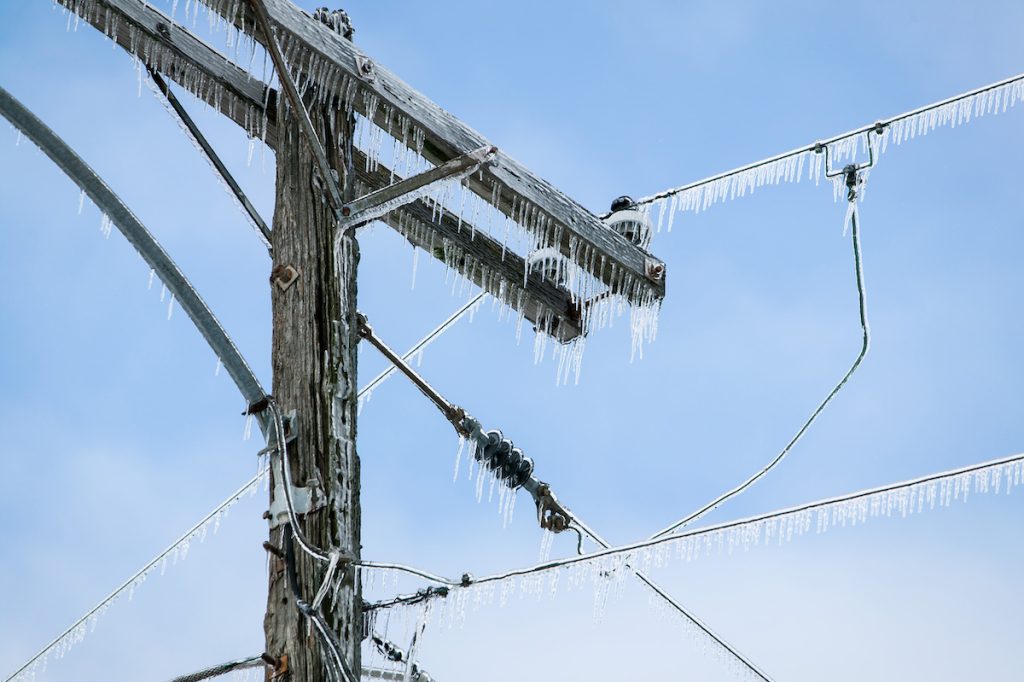
Ice can also weaken and damage power lines and trees. Ice forming on power lines can increase their weight and cause them to snap. This can result in power outages and is particularly dangerous during cold weather when people rely on heating and electricity for survival. Ice can also cause trees and tree limbs to break, which can damage property or even cause injury or death to people or animals below. Even without falling trees and tree branches, the weight of the ice itself can easily snap cables and knock out power.
In addition to these dangers, road ice can create hazardous driving conditions. Ice can reduce traction, making it difficult for drivers to control their vehicles and increase the stopping distance required to avoid collisions. This can result in accidents and injuries. It can be hazardous for inexperienced drivers and those unfamiliar with driving in icy conditions.
There are several different types of damage that ice can cause. Mechanical damage occurs when ice forms and expands in small cracks and crevices, causing them to grow and eventually leading to structural damage. Chemical damage occurs when the ice melts and reacts with surfaces, such as concrete or metal, leading to long-term corrosion and deterioration. Thermal damage occurs when ice forms and repeatedly melt, causing expansion and contraction and leading to cracks and other types of damage.
Ice can be a mesmerizing natural phenomenon, but it also poses significant dangers and can cause a range of harm to people, property, and infrastructure.
How to Prepare for Ice Storms
The best way to protect yourself and your property from ice storms is to be prepared. This includes staying informed about local weather conditions, having an emergency plan, and having supplies to help weather an ice storm.
Before an Ice Storm
Before an ice storm, take precautions to ensure your safety and the safety of those around you. Here are some things you can do:
- Monitor the weather. Stay updated on the latest weather forecasts and warnings from local news outlets and weather services.
- Stock up on supplies. Ensure you have enough food, water, and other items to last several days if you lose power or become stranded.
- Trim trees. Remove branches or trees that could fall onto your home or power lines.
- Prepare your home. Insulate and seal cracks or openings to prevent drafts and preserve the heat. Have extra blankets and warm clothing on hand. Poorly-insulated pipes can burst in cold weather, so check that yours are not frozen. For tips on avoiding frozen pipes, check out our blog.
- Protect your car. Park your vehicle in a covered area or garage, or cover it with a tarp or blanket to protect it from ice and falling branches.
- Charge your devices. Ensure your cell phone and other electronic devices are fully charged.
- Stay indoors. Avoid going outside during the storm if possible. Wear warm, waterproof clothing and non-slip shoes if you must go outdoors.

Always prioritize your safety and follow any instructions or recommendations from your local authorities.
During an Ice Storm
During an ice storm, taking precautions is vital to minimize the risk of damage to your property. Here are some tips:
- Keep your home warm. If the power goes out, use an alternative heat source, such as a generator or wood stove. Never use a gas stove or oven to heat your home; this can be a fire hazard and produce dangerous carbon monoxide.
- Avoid handling downed power lines. If you see them, assume they are active and avoid them. Call your local utility company to report the downed lines.
- Stay informed. Monitor the latest weather information and emergency alerts from your local news or weather service.
- Have emergency supplies on hand. Ensure you have food, water, and other essential items in case of an extended power outage. This should include flashlights, blankets, batteries, and a first-aid kit.
- Avoid the roads. Damage to trees and power lines can begin when ice accumulates between a quarter- and half-inch. Roads also become slippery at this stage. When more than half-inch of accumulation occurs, widespread damage to trees and power lines can be expected, and roads become impassable.
- Be cautious when using alternative heating sources. If using a generator or another heat source, ensure it’s properly ventilated to avoid carbon monoxide poisoning. Also, be sure to follow all manufacturer instructions and safety precautions.
- Avoid over-exertion. Shoveling snow and chipping ice can be physically demanding, so take frequent breaks and don’t push yourself too hard. If you have health concerns, consult your doctor before attempting physical activity during an ice storm.

Ice storms can be dangerous and damaging, but by being prepared and taking the proper precautions, you can help protect yourself, your family, and your home from ice storm damage.
After an Ice Storm
After an ice storm, it’s essential to take steps to ensure your safety and the safety of those around you. Here are a few things to keep in mind:
- Stay indoors. If possible, remain inside until the ice storm has passed and it’s safe to go outside. This is especially important if you don’t have to travel or go to work.
- Watch for falling ice. Falling icicles or tree limbs can be dangerous. If you must go outside, watch for any hazards that could fall and injure you.
- Check on your neighbors. If you have elderly or disabled neighbors, check on them to ensure they’re okay and offer any assistance they might need.
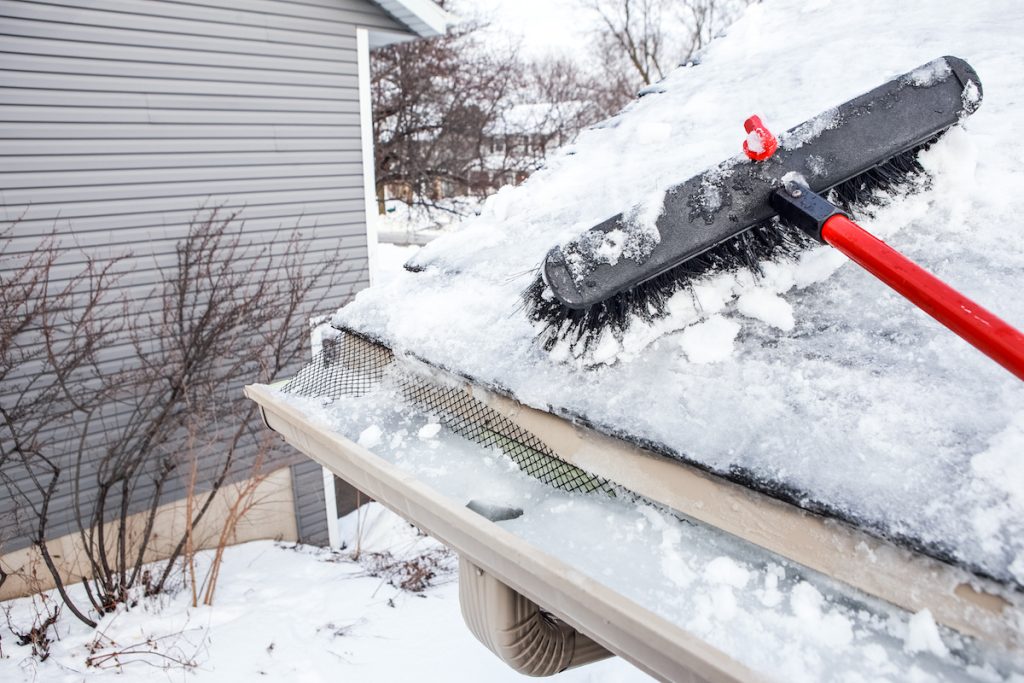
- Clear snow and ice. If you need to clear snow and ice from walkways or driveways, use caution and take breaks if necessary.
- Watch for power outages. Ice storms can knock out power lines, so be prepared for the possibility of a power outage. Keep flashlights and batteries on hand, and avoid using candles which can be a fire hazard.
- Keep warm. Dress warmly and stay bundled up to avoid hypothermia. Use blankets and warm clothing, and avoid using space heaters that could cause a fire.
- Be careful on the roads. If you must travel, drive slowly and carefully. Ice can make roads slippery and dangerous. Ensure your car is prepared for winter weather, and keep emergency supplies in your vehicle.
By taking these steps, you can help ensure your safety and minimize the risks of an ice storm.
Irritated After Ice Storm Damage? Contact PuroClean for Your Winter Damage Needs!
If you need help after an ice storm, hiring a professional disaster restoration company like PuroClean can be a good option. PuroClean specializes in commercial emergency restoration services and residential emergency restoration services, including water damage restoration, fire and smoke damage restoration, mold removal, and biohazard cleanup. Our experts can assist you promptly, 24 hours a day, seven days a week. We provide water extraction, drying, and dehumidification services to prevent further damage and mold growth. Please visit our online office locator or call (800) 775-7876 today to find your local PuroClean office.



