


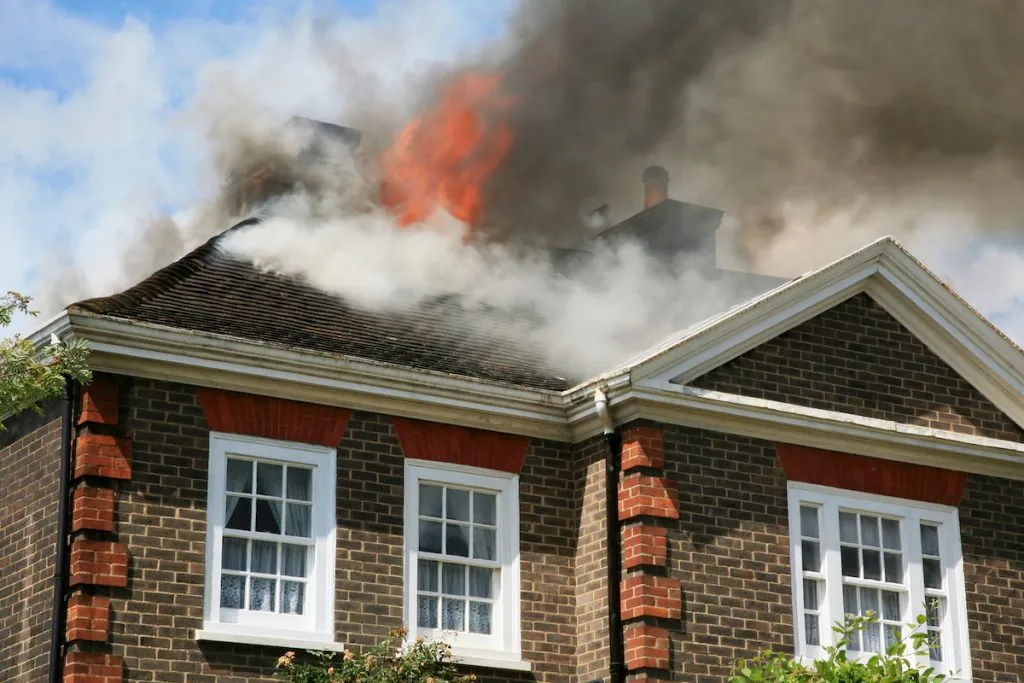
Commercial property damage from a burst pipe, roof leak, fire, or storm can disrupt operations within hours. For property owners and facility teams, the first 24 hours should focus on four priorities: keeping people safe, stopping the source of damage, documenting conditions, and starting professional mitigation. Handling these steps in order can help limit secondary damage, support your insurance claim, and shorten the time your building is out of service.
This guide from PuroClean walks through what to do, who to contact, and what to avoid while the situation is still developing.
Key Takeaways
- Confirm everyone is safe before anyone assesses the damage.
- Stop the source, such as shutting off a water line, only when it is safe to do so.
- Photograph and record damage before anything is moved, cleaned, or discarded.
- Notify your insurer, tenants, and key vendors early so decisions are not delayed.
- Fix the water problem and dry wet materials as soon as possible, since mold damages what it grows on.
First, Make the Building Safe for Occupants and Staff
Safety comes before property. If there is fire, smoke, a gas odor, visible structural damage, or standing water near outlets or electrical panels, evacuate the affected area and call 911 or your local emergency services.
Once people are out of danger:
- Account for employees, tenants, and visitors using your emergency management plan or sign-in records.
- Restrict access to damaged areas with signage, locked doors, or caution tape.
- Wait for the fire department to confirm a fire-damaged space is safe before anyone re-enters.
- Shut off electricity to wet areas only if the panel can be reached without standing in water.
In multi-tenant buildings, assign one person to share safety instructions so every tenant receives the same information.
Stop the Source and Secure the Property
After the area is safe, the next goal is to keep the damage from spreading. The right action depends on the cause.
- Water damage: Shut off the main water supply or the valve serving the affected line. Your maintenance team or building engineer should know where these are located.
- Roof or storm damage: Cover openings with tarps or boards when it can be done safely, and move inventory and equipment away from active leaks.
- Fire damage: Once the building is cleared, board up broken windows and doors to protect against weather, theft, and further loss.
Keep a short list of shutoff locations, alarm contacts, and after-hours access details where your facility team can find it. This saves time when the person who usually handles these tasks is not on site. Seasonal maintenance helps too, so review how to prevent frozen pipes before winter.
Document Commercial Property Damage Before Anything Is Moved
Clear documentation supports your claim and helps everyone involved understand the scope of the loss. Start recording before cleanup begins. For more on the claims process, see the property damage insurance claim guide.
- Take wide photos of each affected room, then close-ups of damaged materials, equipment, and inventory.
- Record a video walkthrough of the space.
- Keep a written log of when the damage was found, who was notified, and each action taken.
- Set aside damaged items instead of discarding them, unless they pose a health or safety risk. Your adjuster may want to inspect them.
- Save receipts for emergency purchases such as tarps, fans, or temporary storage.
Notify Your Insurer, Tenants, and Key Vendors
Early notice keeps decisions moving. Contact your insurance carrier or agent once people are safe and the source is under control. Ask what documentation they need and how they want emergency work recorded. If your policy includes business interruption coverage, ask how to track lost income and extra expenses from the start.
Next, reach the people who depend on the building:
- Tenants or department leads, with clear details on which areas are closed
- Vendors and service providers whose deliveries, equipment, or schedules may be affected
- Your property management company or ownership group, if you are not the final decision-maker
Using one point of contact for updates helps prevent mixed messages.
Start Mitigation Before Secondary Damage Sets In
Commercial buildings often include open floor plans, shared walls, drop ceilings, and HVAC systems that can carry moisture, smoke, and odors beyond the original area. Damage that looks contained can move into drywall, flooring, insulation, and neighboring suites.
The EPA’s mold cleanup guidance advises fixing leaks and drying wet items completely as soon as possible, noting that the longer mold grows, the more damage it can cause. For significant water damage, the EPA points readers to its separate guidance for schools and commercial buildings. In a large commercial building, thorough drying usually requires professional equipment and moisture monitoring.
A professional restoration company can inspect the property with tools like moisture meters and thermal cameras to find both visible and hidden water damage. From there, the work can include emergency water extraction, structural drying, and dehumidification, with the drying process monitored until materials are dry. Learn more about water damage restoration and PuroClean’s QuickDry™ System.
For fire losses, delays can make the damage worse. Fire and smoke damage restoration can include temporary board-up, soot cleanup, and smoke odor removal.
Keep Operations Running While Repairs Are Planned
Business continuity in the first day usually comes down to practical decisions about space and people.
- Identify which areas can stay open and which must close.
- Relocate staff, equipment, or critical records to unaffected areas or temporary space.
- Redirect phones, deliveries, and customer-facing services if needed.
- Update your website, Google Business Profile, or entry signage if hours or access change.
If your organization has an emergency or continuity plan, follow it and note what worked so it can be updated later. The Ready.gov business preparedness resources offer planning tools for organizations that do not have a plan yet.
What to Avoid in the First 24 Hours
A few common decisions can make commercial property damage harder and more costly to resolve.
- Waiting for water to dry on its own. Hidden moisture in walls, ceilings, and flooring can lead to the need for professional mold remediation.
- Running the HVAC system before it is inspected. It may spread smoke, soot, or moisture to unaffected areas.
- Cleaning up contaminated water without protection. Sewage backups and floodwater can carry bacteria and should be handled by trained professionals.
- Discarding materials before they are documented.
- Starting permanent repairs too soon. Wait until the space is fully dry and your insurer has reviewed the damage.
Get Help With Commercial Property Damage From PuroClean
Local PuroClean offices work with commercial property owners and facility teams to respond to water, fire, smoke, and mold damage. PuroClean is known as the Paramedics of Property Damage™, and local teams focus on limiting further loss and giving you a clear picture of what needs to happen next. Services can vary by location. To request an assessment for your building, call (800) 775-7876 or find your local PuroClean office and contact the team serving your area.
Frequently Asked Questions
What Is the First Thing to Do After Commercial Property Damage?
Make sure everyone is safe. Evacuate affected areas if there is fire, smoke, a gas odor, structural damage, or an electrical hazard, and call emergency services when needed. Property concerns come second.
How Quickly Should a Commercial Building Be Dried After Water Damage?
As soon as possible. EPA guidance advises fixing water problems and drying items completely as soon as possible, because the longer mold grows, the more damage it can cause. Larger or multi-story buildings may need professional drying equipment and moisture monitoring to dry fully.
Should I Call My Insurer or a Restoration Company First?
You can contact both on the same day. Notify your insurer early and ask how they want emergency work documented, since steps like water extraction often need to begin before an adjuster can visit.
Can a Business Stay Open During Property Damage Restoration?
Sometimes. It depends on the type and extent of the damage, which areas are affected, and whether air quality, utilities, and building access are safe. A professional assessment, along with an understanding of the property restoration process, can help you decide which parts of the building can remain in use.
What Should a Commercial Property Damage Log Include?
Record the date and time the damage was found, who discovered it, and who was notified. Add photos, video, a list of damaged items and equipment, and receipts for any emergency expenses.