


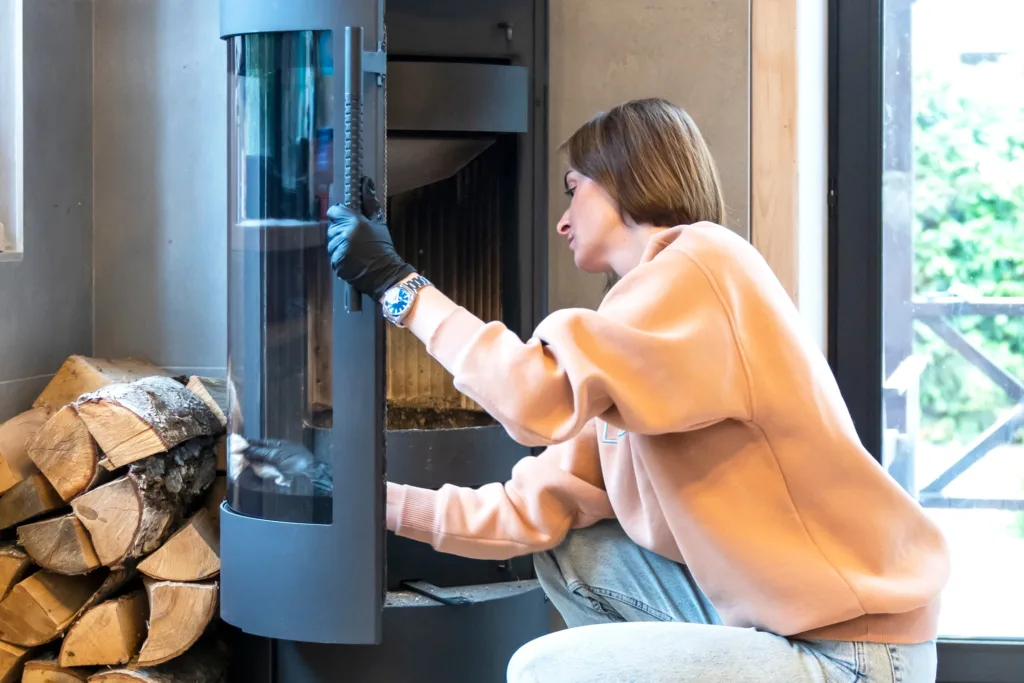

Preparing your home for winter is essential to avoid heat loss, prevent winter damage, reduce energy costs, and keep your property safe.
This winter home maintenance checklist explains the most important steps to take before temperatures drop, using proven strategies that help homeowners protect their homes from common cold-weather problems like drafts, fire hazards, and frozen systems.
Why Winter Home Maintenance Matters
Winter weather brings several challenges that can impact safety, comfort, and the condition of your home. Cold temperatures increase the likelihood of water damage, fire hazards, heat loss, and even pest intrusions. A thorough winter home maintenance plan helps you stay prepared and avoid problems that often emerge when freezing temperatures arrive.
A well-maintained home in winter allows you to:
- Prevent costly repairs caused by burst pipes, ice dams, or furnace breakdowns
- Improve indoor comfort by keeping warm air inside and blocking cold drafts
- Reduce winter energy bills through better insulation and efficient heating
- Strengthen home safety systems, including smoke alarms and carbon monoxide detectors
By taking action early, you protect both your property and your family’s safety during the coldest months.
1. Prepare an Entryway Shoe Storage Area
Winter weather brings snow, slush, and moisture into your home, which can create slippery floors, mold growth, and unwanted water damage. A well-organized entryway acts as the first line of defense against winter mess, keeping your floors dry and preventing moisture from spreading into high-traffic areas.
Consider adding:
- Boot trays to collect melting snow and prevent puddling
- Hooks or cubbies for wet coats, gloves, and scarves
- Water-resistant mats designed to absorb moisture and protect flooring
This simple winter home maintenance task keeps your entryway safe, reduces cleaning time, and minimizes the risk of moisture-related damage.
2. Organize Your Garage for Winter
A cluttered garage becomes even more frustrating once freezing weather arrives. Winter tools must be easy to reach, especially during unexpected storms, icy mornings, or freezing rain. Organizing your garage before the winter season helps improve safety, efficiency, and accessibility.
To get ready:
- Move warm-season tools (mowers, trimmers, gardening supplies) to the back or upper shelving
- Bring forward snow shovels, ice melt, snowblowers, and de-icers for quick access
- Pre-apply de-icer or sand near the garage entrance to prevent slipping when the first freeze hits
This preparation not only saves time during storms but also prevents accidents and injuries caused by icy surfaces.
3. Protect Your Home from Winter Pests
When temperatures drop, pests like spiders, rodents, and insects naturally search for warm shelter—and your home is an appealing target. Winter pest prevention is an essential part of home maintenance, helping you avoid infestations that can cause damage, trigger allergies, or contaminate food.
To reduce pest activity:
- Apply an exterior perimeter spray with an approved pest repellant
- Seal cracks, gaps, or openings around the foundation, windows, and doors
- Store firewood away from your home, as it often attracts spiders and small rodents
A pest-free home is healthier, safer, and much easier to maintain throughout the winter season.
4. Protect Outdoor Furniture and Equipment
Outdoor furniture, grills, heaters, and children’s play equipment are vulnerable to snow, wind, and ice. Without proper protection, these items can crack, rust, fade, or develop mold. As part of your winter home preparation, take steps to shield outdoor belongings from harsh weather.
Be sure to:
- Cover patio furniture with waterproof, insulated covers
- Clean and cover grills to prevent rust and moisture buildup
- Empty, clean, and secure children’s outdoor tables or toys
- Store or protect outdoor heaters, ensuring they are dry and insulated
This simple winterizing task extends the lifespan of outdoor items and cuts replacement costs in spring.
5. Winterize Your Windows to Reduce Heat Loss
Windows are one of the biggest sources of heat loss in winter, contributing to higher energy bills and cold drafts. Winterizing your windows improves insulation, strengthens home energy efficiency, and makes your living spaces more comfortable during freezing temperatures.
To reduce heat loss:
- Remove window screens to maximize sunlight and passive heat
- Place draft stoppers or “draft snakes” along window sills
- Seal cracks, gaps, or open seams with weather stripping or high-quality caulk
- Add insulated or thermal curtains for an extra barrier against cold air
These improvements help maintain stable indoor temperatures, lower heating costs, and reduce the strain on your furnace throughout the season.
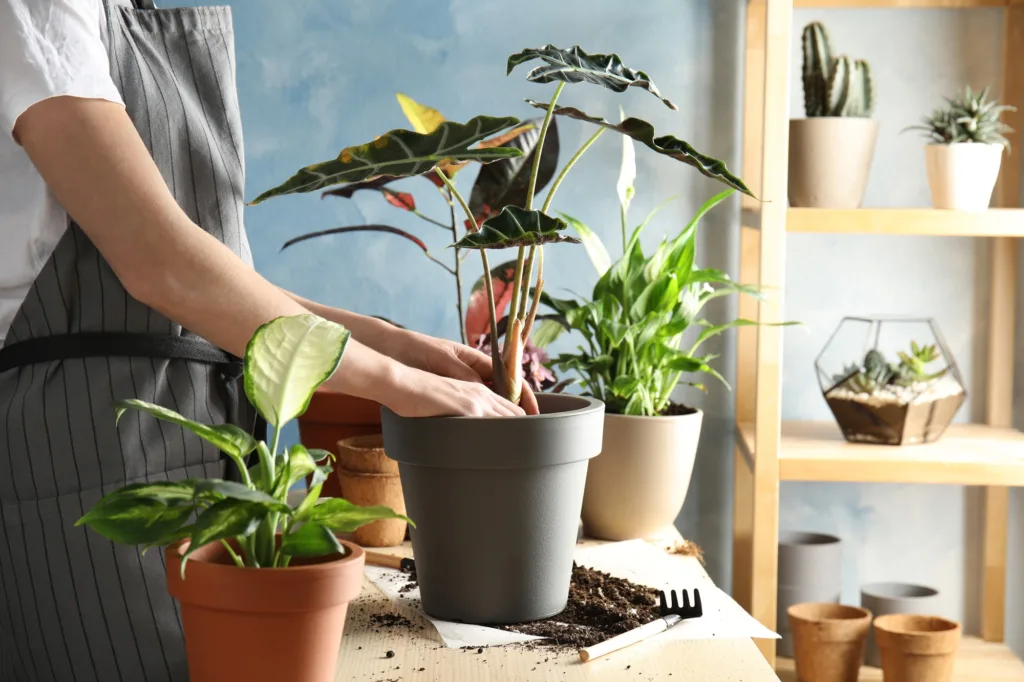
6. Empty or Store Plant Pots Before Freezing Temperatures
Outdoor plant pots—especially clay or ceramic—are highly vulnerable to freeze-and-thaw cycles. When temperatures drop, moisture inside the soil expands, which can cause pots to crack or split. Preparing your planters is a simple but important winter home maintenance step that prevents unnecessary damage.
To protect your pots:
- Bring clay and ceramic pots indoors
- Empty soil from pots that will remain outside
- Clean debris, leaves, and moisture from the inside of each container
- Store pots upside down to prevent water from accumulating
Even in milder climates, draining containers helps prevent mold, insects, and moisture buildup throughout winter.
7. Schedule a Furnace Inspection and Improve Heating Efficiency
Your heating system works hardest during winter, making a preseason furnace inspection essential for safety and energy efficiency. A professional HVAC technician can identify small issues before they become expensive winter emergencies.
A proper furnace inspection includes:
- Checking burners, ignition components, and heat exchanger
- Testing airflow and ventilation
- Measuring carbon monoxide output
- Replacing filters
- Ensuring thermostat accuracy
Dirty or clogged filters can restrict airflow, reduce efficiency, and increase energy costs. For the best performance, homeowners should replace furnace filters every 60 to 90 days during cold weather, according to the EPA. Annual inspections also help prevent unexpected breakdowns when the temperatures drop.
8. Inspect Your Fireplace and Chimney for Winter Safety
Fireplaces add comfort and warmth in winter, but they must be properly maintained to avoid fire hazards. Creosote buildup, debris, and structural issues can increase the risk of chimney fires or poor ventilation.
Before the season begins, complete these steps:
- Use a flashlight to check for soot, creosote buildup, or animal nests
- Look for cracks, loose bricks, or crumbling mortar
- Ensure the chimney cap is secure
- Have the chimney professionally cleaned if you burn wood regularly
The U.S. Fire Administration and the National Fire Protection Association (NFPA) both recommend annual fireplace and chimney cleaning to prevent chimney fires and improve indoor air quality.
9. Seal and Insulate Air Ducts to Reduce Energy Loss
Poorly sealed ductwork is one of the most common sources of winter energy loss. According to the U.S. Department of Energy, up to 20% of heated air escapes through leaks in ducts located in attics, crawl spaces, or unconditioned areas.
Strengthen your home’s winter energy performance by:
- Sealing duct joints and seams with approved HVAC foil tape or mastic
- Wrapping ducts in insulated material
- Inspecting exposed ducts for holes, corrosion, or gaps
- Ensuring attic and crawl space access points remain sealed
Sealing ducts helps maintain stable temperatures, improves comfort, and reduces strain on your furnace—resulting in lower winter heating bills.
10. Test Smoke and Carbon Monoxide Alarms Before Heating Season
Winter increases the risk of fire and carbon monoxide exposure due to heavy reliance on heaters, fireplaces, and fuel-burning appliances. Ensuring your alarms function correctly is one of the most important winter home safety steps.
Your winter safety checklist should include:
- Testing smoke and CO alarms every month
- Replacing batteries before the cold season
- Installing CO alarms near every bedroom
- Replacing smoke alarms every 10 years
- Ensuring alarms meet current safety standards (UL Listed)
Working alarms provide critical early warnings that can prevent severe injuries or property damage during winter.
Winter Home Maintenance Quick Checklist
| Task | Why It Matters |
| Entryway setup | Prevents water damage & slips |
| Garage prep | Fast access to winter tools |
| Pest prevention | Avoids winter infestations |
| Protect furniture | Prevents weather damage |
| Window winterizing | Reduces heat loss & energy bills |
| Empty pots | Prevents cracking |
| Furnace inspection | Improves safety and efficiency |
| Fireplace check | Prevents chimney fires |
| Duct insulation | Reduces energy waste |
| Alarm testing | Protects from fire & CO risks |
| Prepare your roof | Prevent potential water damage |
Summary: Winter Home Maintenance
- Winter increases risks like water damage, drafts, fire hazards, and energy loss.
- Preparing early helps prevent repairs, lower heating bills, and improve home safety.
- Set up an entryway to manage snow and moisture.
- Organize the garage and keep winter tools accessible.
- Seal gaps and spray the exterior to prevent winter pests.
- Cover outdoor furniture and protect grills and heaters.
- Winterize windows to reduce heat loss and drafts.
- Store or empty plant pots to prevent cracking.
- Get a furnace inspection and replace filters regularly.
- Check and clean fireplaces and chimneys.
- Seal and insulate air ducts to save energy.
- Test smoke and carbon monoxide alarms.
Conclusion: Protect Your Home With a Complete Winter Maintenance Plan
Preparing your home for winter helps prevent expensive damage, reduce energy waste, and keep your family safe during the coldest months. Whether it’s protecting your windows, maintaining your furnace, or strengthening home safety systems, each step in this winter home maintenance checklist supports a warmer, safer, and more efficient living environment.
If you face unexpected issues like water damage, mold growth, or fire damage during winter, PuroClean is ready to help.
Contact Your Local PuroClean Office!
For professional assistance with property restoration, including winter-related water damage, storm cleanup, mold removal, and fire restoration, contact your local PuroClean team today. Our trusted experts are available 24/7 to restore your home quickly and safely.
FAQs About Winter Home Maintenance
1. What is the most important winter home maintenance task?
The most essential task is ensuring your heating system is safe and operating efficiently. A furnace inspection helps prevent failures during extreme cold.
2. How can I reduce my winter energy bills?
Seal drafts, insulate air ducts, and winterize windows. These steps reduce heat loss and improve energy efficiency.
3. When should homeowners start winterizing their homes?
Begin your winter home maintenance checklist in early fall or at least 2–4 weeks before the first freeze.
4. Do I need to clean my fireplace every year?
Yes. Annual cleaning prevents soot buildup and reduces the risk of chimney fires.
5. Are carbon monoxide detectors mandatory?
Most states require CO alarms in homes. Always check local laws and install alarms near bedrooms.



