


Last edited on July 13, 2020
Be informed and follow safety precautions to keep the COVID-19 risk down and avoid the virus from spreading.
What is a Coronavirus?
“Coronavirus” is an umbrella term for many types of viruses. This group of viruses has been known for decades and can cause respiratory diseases in both people and animals.
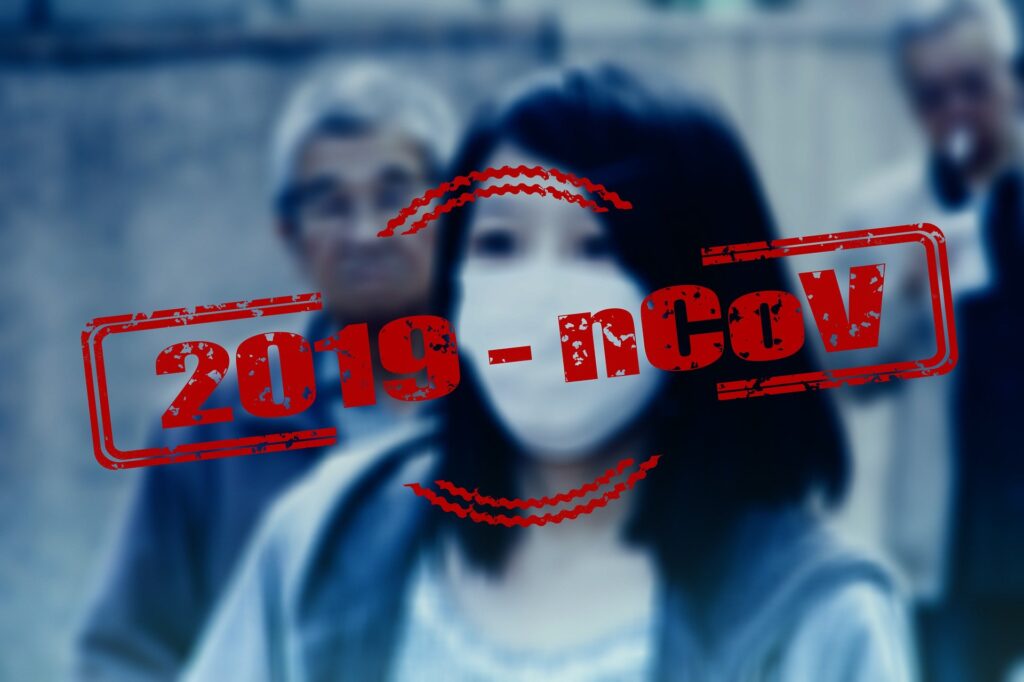
What has been identified in December 2019 is COVID-19 (previously 2019-nCoV), which is a new strain. According to the World Health Organization, this strain had not been previously identified in humans.
What are the Coronavirus symptoms?
Those infected with COVID-19 show varied symptoms. They can be mildly sick or severely ill. Worldwide, there are more 12,552,765 confirmed cases and 561,617 deaths. In the US, there are 3,236,130 total cases and 134,572 deaths.
According to the CDC, COVID-19 symptoms may include fever, coughing, shortness of breath, fatigue, muscle or body aches, headache, new loss of taste or smell, sore throat, congestion or runny nose, nausea or vomiting, and diarrhea may appear after exposure in as little as 2 days or as many as 14 days.
How does it spread?
The virus is thought to spread mainly from person-to-person:
- Between people who are within about 6 feet with one another.
- Through respiratory droplets produced when an infected person coughs, sneezes, or talks.
- These droplets can land in the mouths or noses of people who are nearby or possibly be inhaled into the lungs.
- Some recent studies have suggested that COVID-19 may be spread by people who are not showing symptoms.
Spread from contact with contaminated surfaces or objects
A person may get COVID-19 by touching a surface or object that has the virus on it and then touching their own mouth, nose, or eyes. CDC is still learning more about this. They recommend frequent “hand hygiene,” which is either washing hands with soap or water or using an alcohol-based hand rub. CDC also recommends routine cleaning of frequently touched surfaces.
In which US states can I contract the Coronavirus?
According to the CDC, the COVID-19 is a pandemic, which is defined as a global outbreak of disease. Therefore, there’s a risk that most of the U.S. population may, at some point, become exposed to this virus.
Different parts of the country are seeing different levels of COVID-19 activity. The duration and severity of each phase can vary depending on the characteristics of the virus and the public health response.
What do I do if I’m sick?
Most people with the flu have mild illness and do not need medical care or antiviral drugs. If you get sick with flu symptoms, in most cases, you should avoid contact with other people except to get medical care. Stay home until your symptoms subside. If your symptoms are severe, seek medical attention immediately.
Wear a cloth covering over your nose and mouth if you must be around other people, including pets.
Keep in mind there’s no specific antiviral treatment recommended for COVID-19 infection, but those infected should contact their health care provider, nevertheless. And stay home if you’ve got the symptoms!
Should I wear a face mask?
CDC recommends wearing cloth face coverings over your nose and mouth in public settings, and when around other people who don’t live in your household.
How can I prevent contracting COVID-19?
Currently, there’s no vaccine to prevent COVID-19 infection, so follow these everyday tips to avoid being exposed to the virus:
- Wear a face covering in public settings and when around people who don’t live in your household.
- Frequently wash your hands with soap and water for 20 seconds or more. This is the best way to get rid of germs from your hands. As an alternative, use an alcohol-based hand sanitizer that contains at least 60% alcohol.
- If you haven’t washed your hands, don’t touch your eyes, nose, or mouth.
- Keep a safe distance from people who are infected or show signs of the illness.
- Cover your cough or sneeze with a tissue, then dispose of it in the trash.
- The objects and surfaces that are touched often should be cleaned and disinfected. Use disposable microfiber cloths and antimicrobial products that are effective against Coronavirus.
- Monitor your health daily: Routinely take your temperature and watch for symptoms.
For modern cleaning of properties, contact PuroClean!
Our team uses the PuroClean RapidDefense™ Program system to provide deep mitigation cleaning in areas compromised by a Coronavirus outbreak. Using this process, we will carefully contain the area and will minimize the risk of pathogens spreading using Environmental Protection Agency-registered (EPA) products.
Cleaning and disinfecting frequently touched objects and surfaces are the recommended actions to help prevent the spread of respiratory diseases, like coronavirus. Since any surface can be re-contaminated after cleaning, and because the coronavirus is also spread person-to-person, PuroClean’s services are not guaranteed to prevent the spread of coronavirus. Visit the Centers for Disease Control and Prevention (https://www.cdc.gov/coronavirus/2019-ncov/index.html) for more information regarding coronavirus, its spread, and prevention.



