


If you’re buying a house with mold, you’re right to pause. Mold can begin in as little as 24–48 hours with the right conditions and spread quickly, damaging a home’s structure, triggering health issues, lowering property value, and complicating your mortgage approval. But a mold problem doesn’t always mean you should walk away; the key is knowing the risks, costs, and steps to take before making a decision.
This guide explains the dangers of buying a home with mold, how to evaluate the property properly, and what every buyer should know about inspections, remediation, and financing.
Is It Safe to Buy a House With Mold?
Buying a house with mold can be safe if the mold is identified, professionally remediated, and the moisture source fixed.
But before committing, you need to know:
- What type of mold is present
- How far the mold has spread
- What caused the mold (leak, humidity, flooding, poor ventilation)
- How much remediation will cost
- Whether the issue is ongoing or historical
Some mold issues are inexpensive to fix. Others can require structural repairs costing thousands of dollars. A proper inspection is the difference between a smart investment and a costly mistake.
Mold in Homes: Why It’s a Serious Problem for Buyers
Mold is extremely common, and spores exist everywhere indoors and outdoors. But when it grows unchecked inside a home, it becomes a health hazard, a structural risk, and a major negotiation factor during a home purchase.
How Fast Mold Grows
Research from the EPA and CDC confirms that mold can grow within 24–48 hours when moisture and organic material are present. This means even a small leak can result in significant mold within days.
Health Risks of Buying a House With Mold
Health effects vary depending on the individual, duration of exposure, and environmental conditions, and not all mold exposure results in illness.Common symptoms include:
Common symptoms include:
- Sneezing, coughing, congestion
- Headaches and fatigue
- Eye or throat irritation
- Allergies and asthma flare-ups
Higher-risk groups include:
- Children
- Older adults
- Immunocompromised individuals
- People with chronic respiratory conditions
Black Mold (Stachybotrys)
No mold species can be identified accurately by color alone, which is why laboratory analysis or professional assessment is necessary.
Structural Risks: How Mold Damages the Home
When buying a house with mold, the health concerns are only part of the risk. Mold also eats away at the home’s structure.
Mold can damage:
- Drywall
- Insulation
- Wood framing
- Subfloors
- Carpet and carpet padding
- HVAC systems
- Attics and crawl spaces
If left untreated, mold can lead to:
- Rot
- Sagging ceilings
- Warped flooring
- Structural instability
- Widespread reconstruction
These issues drastically increase remediation costs and reduce the home’s long-term value.
Hidden Mold: Why Homebuyers Miss It
Many buyers believe mold is easy to spot — it isn’t. Mold often grows in areas that aren’t visible during a standard walk-through.
Red Flags Buyers Should Watch For:
- Musty odors
- Recent repainting or new flooring
- Past water damage disclosures
- Dehumidifiers running during showings
Even home inspectors may miss mold if they are only performing a basic inspection. This is why a professional mold inspection is essential when buying a home with mold risk.
The Many Faces of Mold Infestation (and Why It Matters)
There are over 100,000 mold species, and several can grow indoors. Most are harmless — but some are allergenic or produce irritants.
Buying a house with mold is riskier when:
- Mold species are toxic or allergenic
- Growth is widespread
- Moisture problems are active, not historical
- Mold is found inside HVAC systems (which acts as a delivery system, spreading spores through the entire home)
HVAC contamination is one of the highest-risk mold scenarios because spores circulate continuously, worsening health symptoms and complicating remediation.
Mold Is Also an Aesthetic and Financial Problem
Beyond health and safety, mold affects:
Aesthetics
- Discolored walls
- Stains that reappear through paint
- Visible black, green, or white patches
- Musty odors throughout the home
Finances
- Professional remediation
- Potential reconstruction
- Higher maintenance costs
- Lower resale value
- More negotiation complexity during purchase
This is why buyers should never downplay mold found during inspection.
Mold Remediation: ”Why Prices Vary”
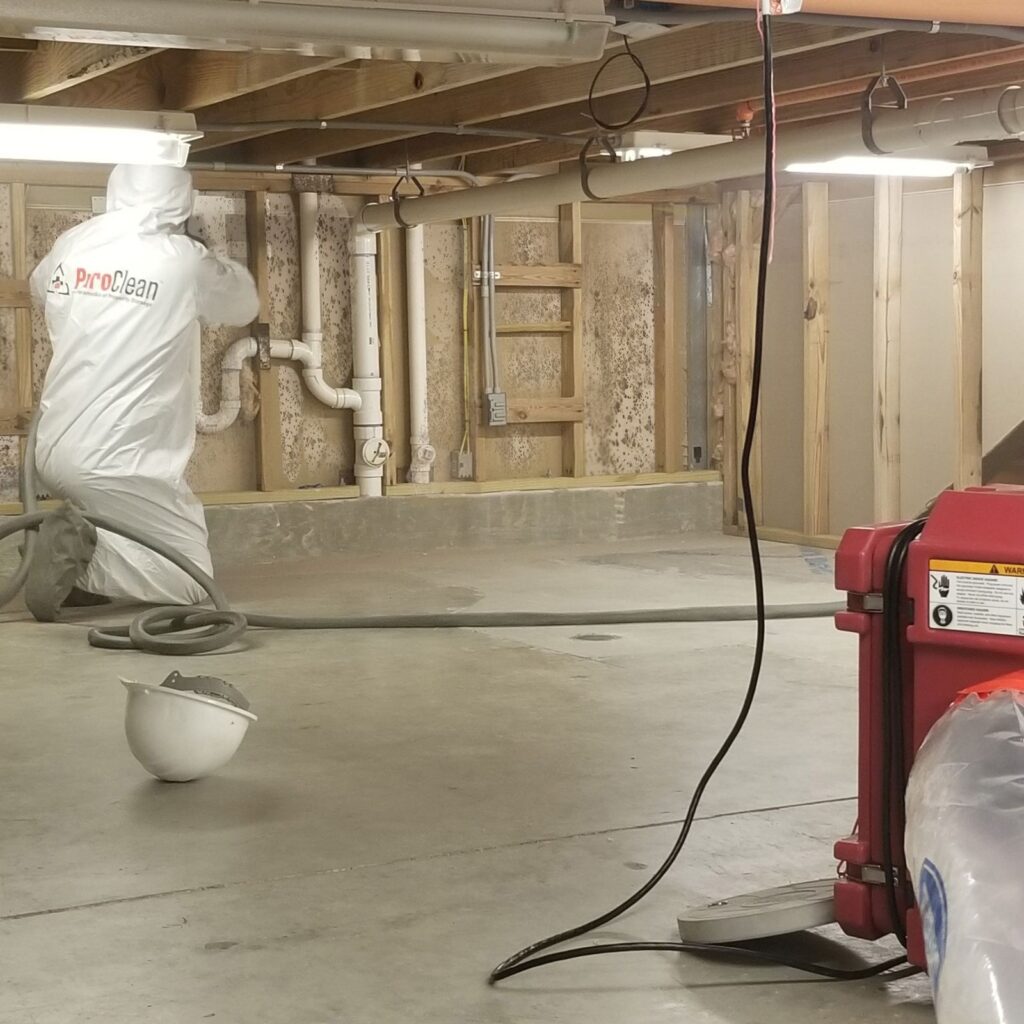
Costs vary based on accessibility, containment requirements, testing needs, and whether regulated materials must be removed.
What surprises most buyers is how quickly costs add up. Typical cost ranges (2024–25):
- Small areas (under 10 sq. ft.): $200–$800
- Moderate contamination: $1,500–$6,000
- Large or structural contamination: $7,500–$20,000+
- Whole-house or HVAC contamination: $15,000–$30,000+
Costs increase significantly if:
- Drywall must be removed
- Insulation is contaminated
- Flooring or subflooring must be replaced
- The moisture source is expensive to repair
This is why remediation estimates should be part of your offer negotiation strategy.
Mold and Mortgages: How Mold Affects Home Loans
Buyers should request documentation showing professional remediation and clearance testing, as lenders may require proof before releasing funds.
Lenders consider mold a material risk because it may signal:
- Structural damage
- Water intrusion problems
- High future repair costs
- Reduced property value
If mold is found during appraisal or inspection, the lender may:
- Require a professional mold inspection
- Demand remediation before closing
- Withhold loan approval until repairs are complete
- Reduce the loan amount
- Reject the loan entirely if mold is severe
FHA, VA, and USDA loans have stricter safety and habitability standards, making mold a potential deal-breaker.
Bottom line: If you’re buying a house with mold, always check what your lender requires. Mold can delay or derail financing if not handled properly.
Should You Buy a House With Mold? Key Steps to Make a Safe Decision
Buying a home with mold isn’t automatically a bad idea, but you must approach it smartly. Use the steps below to determine whether you should walk away or move forward.
1. Get a Professional Mold Inspection (Critical Step)
A general home inspection is not enough. Hire a certified mold inspector to identify:
- Mold type
- Moisture source
- Extent of contamination
- Areas that require demolition
- Whether HVAC is affected
- Estimated remediation cost
A mold inspection gives you the information needed to negotiate or decide.
2. Consider the Location (Humidity = Higher Risk)
Homes in humid or coastal states naturally have a higher chance of mold growth. If buying in a high-humidity region (e.g., Southeast, Pacific Northwest), factor in long-term moisture control and regular maintenance.
3. Negotiate the Remediation Costs
Use inspection findings to negotiate:
- Seller-paid mold remediation
- A price reduction
- Closing credits
- Repairs before closing
Many buyers secure $3,000–$10,000+ in concessions due to mold issues.
4. Evaluate the Health Risks
Your mold inspector can help you determine whether the mold present is:
- Allergenic
- Irritant
- Toxigenic
- Structural
If anyone in your household has asthma, allergies, or compromised immunity, mold should be treated as a major safety concern.
5. Review the Financial Impact
Before buying a house with mold, ask:
- How much will remediation cost?
- Will insurance cover any part? (Usually no unless sudden & accidental water damage)
- Will this affect mortgage approval?
- Will resale value be impacted?
Compare remediation cost vs. the home’s price and long-term value.
6. Consult Your Real Estate Agent
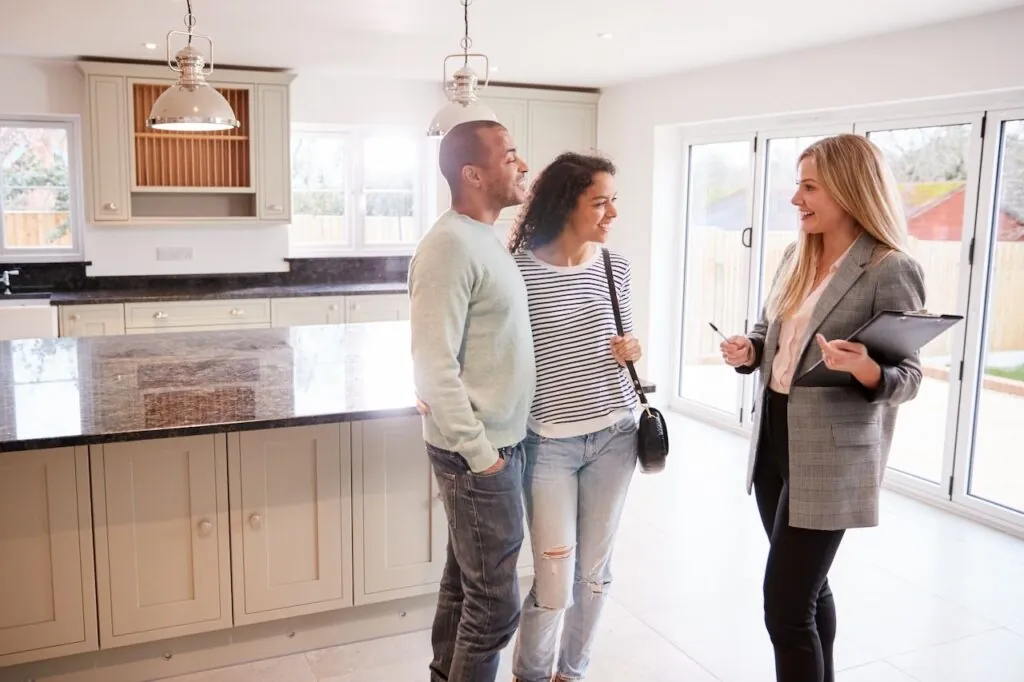
A knowledgeable agent can help you:
- Negotiate with the seller
- Interpret inspection reports
- Understand state disclosure laws
- Estimate how mold will impact resale value
7. Plan for Long-Term Mold Prevention
Ensure the home has proper grading and drainage away from the foundation to prevent recurring moisture intrusion.
If you decide to buy the home, prevention is essential:
- Moisture Prevention TipsRepair leaks immediately
- Install or improve ventilation
- Keep indoor humidity between 30–50%
- Use dehumidifiers in basements or humid rooms
- Maintain gutters and downspouts
- Insulate pipes to prevent condensation
Small habits prevent large mold problems later.
So, Should You Buy a House With Mold?
Buying a house with mold can be worth it if you understand the risks and remediation requirements. Mold is fixable, but failure to identify the moisture source or hidden contamination can lead to major repairs, health issues, mortgage delays, and financial loss. If the moisture source is unresolved, the mold problem is not resolved.
If mold is minor and fixable, you may get a great deal. If mold is widespread or structural, walking away may be the smarter choice.
For safe evaluation and remediation, always rely on trained professionals.
Schedule a Mold Inspection Before You Close
Buying a home with mold is too important to guess. Get professional answers before you commit.
Call PuroClean at (800) 775-7876 or find a Certified Industrial Hygienist (CIH) and schedule a professional mold inspection, and call PuroClean for a remediation consultation.
FAQs About Buying a House With Mold
1. Is it safe to buy a house with mold?
Yes, if the mold is professionally inspected, remediated, and the moisture source is resolved.
2. Will mold stop my mortgage approval?
It can. Many lenders require remediation and documentation before closing.
3. How much does mold remediation cost?
Costs range from a few hundred dollars for small areas to tens of thousands for extensive or structural contamination.
4. Does homeowners’ insurance cover mold?
Typically, only when caused by sudden, accidental water events, not ongoing leaks or humidity.
5. Should I get a mold inspection before buying a house?
Yes. A professional inspection protects your health, investment, and financing.



