


Table of Contents
If you’re trying to figure out how to get rid of dog smell in your house, you’re not alone. Pets bring love and companionship, but they can also leave behind lingering odors that settle into carpets, furniture, bedding, and even your HVAC system.
According to the American Pet Products Association (APPA), 70% of U.S. households have pets, meaning millions of homes struggle with dog smell, cat smell, dander, and deep-set pet odors.
This guide explains why your home smells like dog, how to remove pet odor from your house safely, what health precautions to follow, and the best industry-approved methods for eliminating dog smell for good.
Health Precautions: Why Pet Odors Shouldn’t Be Ignored
Pet odors may seem harmless, but if you’re constantly trying to get rid of pet smells, those odors might be signaling deeper contamination. Lingering smells often indicate hidden bacteria, moisture, or organic waste inside your flooring or furniture, issues that affect indoor air quality and can negatively impact your health.
1. Bacteria & Mold Growth
Pet urine, saliva, and moisture create the perfect environment for bacteria, mold, and mildew, especially in:
- carpet padding
- underlayment
- upholstery
- soft furniture
These microorganisms worsen:
- allergies
- asthma
- sinus irritation
- respiratory problems
If you notice recurring pet odors, deep contamination may be present beneath the surface.
2. Ammonia Exposure from Old Urine
As urine breaks down, it releases ammonia, a strong irritant commonly responsible for the “cat pee” or “dog urine” smell.
Ammonia exposure may cause:
- coughing
- burning eyes
- headaches
- throat irritation
This is especially risky for children, older adults, pregnant individuals, and pets. If the dog urine smell won’t go away, the affected area may need professional treatment.
3. Litter Box Precautions
Cat litter boxes can harbor:
- harmful bacteria
- parasites (including Toxoplasma gondii)
- strong ammonia odors
Pregnant women should never clean litter boxes due to toxoplasmosis risk. Unclean litter boxes can spread odors into carpets, curtains, and HVAC vents.
4. Contaminated Soft Surfaces
Porous surfaces absorb odor-causing materials like:
- urine crystals
- pet dander
- organic waste
- moisture
This includes:
- rugs
- carpets
- mattresses
- cushions
- fabric furniture
If the dog smell returns quickly after cleaning, contamination has likely reached the carpet padding or subfloor, requiring professional deodorization.
Why Pets Smell: The Most Common Odor Sources
Understanding the source makes it easier to remove dog smell and prevent future odors.
1. Accidents & Deep-Set Stains
Urine and feces seep into:
- carpet fibers
- padding
- subfloor
- upholstery
Once urine dries, it forms urine crystals, which release odor until professionally removed.
2. Dander & Shedding
Pet dander collects in:
- carpets
- bedding
- drapes
- HVAC systems
This buildup causes persistent odors and worsens allergies.
3. Wet Dog Smell
Wet-dog smell occurs when moisture releases odor compounds, bacteria, and oils from your dog’s coat.
4. Litter Box Odors
Dirty litter boxes create:
- ammonia smell
- bacterial odors
- musty or sour smells
If the smell spreads beyond the bathroom, your litter routine needs adjusting.
5. Anal Glands
Full or infected anal glands produce one of the strongest and most recognizable pet odors.
6. Diet Problems
Low-quality diets may cause:
- strong body odor
- gas
- bad breath
Changing food can often reduce dog smell in your house.
7. Medical Issues
If you’re trying to figure out how to eliminate dog smell and nothing works, your pet may have:
- ear infections
- yeast infections
- dental disease
- skin conditions
A vet exam may be necessary.
How To Get Rid of Dog and Pet Smells in Your Home
These steps are the foundation of dog odor removal and the most effective way to get rid of dog smell in the house fast.
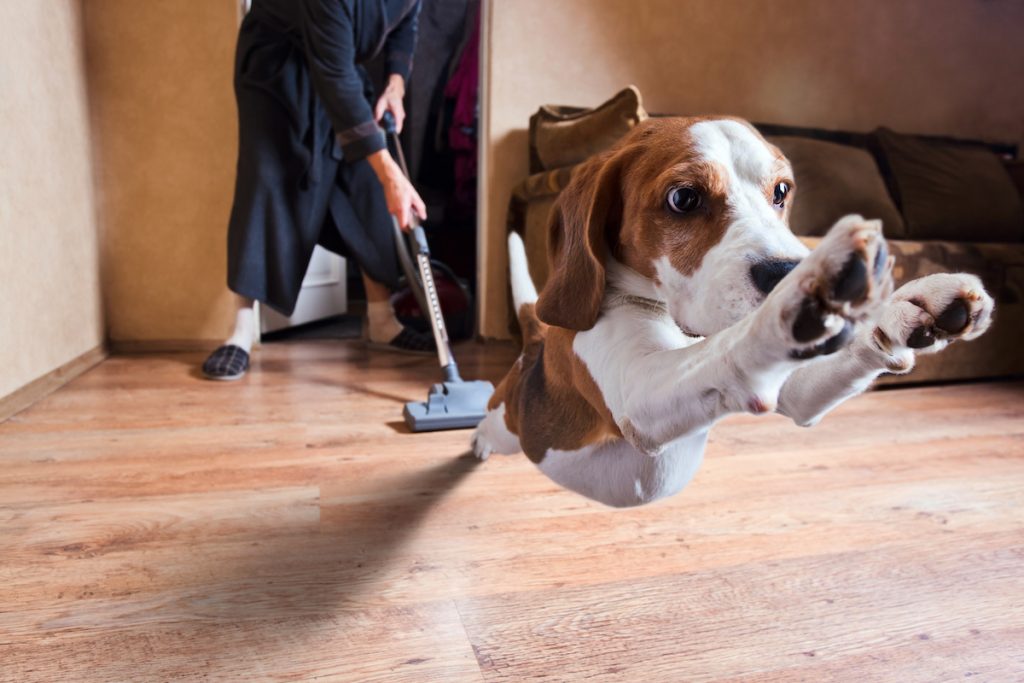
1. Vacuum Frequently (HEPA Preferred)
Vacuuming removes trapped odors from:
- pet hair
- dander
- dust
- odor-holding debris
- Tips:
- Vacuum 2–3 times weekly
- Use a HEPA vacuum to trap allergens
- Vacuum hidden areas: under beds, couch cushions, corners
Health Tip: Wear a mask to avoid inhaling dander.
2. Wash Pet Bedding Weekly
Pet bedding is often the #1 source of dog smell.
It collects:
- fur
- saliva
- urine droplets
- sweat
- oils
- skin flakes
Wash in hot water using pet-safe detergent. If the dog smell remains, replace the bed, it may be harboring bacteria.
3. Clean Toys, Bowls, Collars & Gear
These items absorb dog odor quickly.
Cleaning steps:
- Wash with mild soap and hot water
- Soak stubborn items in 1:1 vinegar + water
- For leather gear: gently scrub, condition, and fully dry
- Replace collars regularly (they hold smells more than anything else)
4. Bathe & Groom Your Pet Regularly
Regular grooming reduces odors from:
- dirt
- oils
- bacteria
- shedding
Dry completely after:
- baths
- rain
- swimming
Wet fur trapped in carpet fibers spreads wet-dog smell quickly.
5. Clean Accidents Immediately (Use Enzymatic Cleaners)
Enzymatic formulas are the best way to remove dog urine smell because they break down odor-causing proteins.
Accident cleanup steps:
- Blot urine, don’t rub
- Apply enzymatic cleaner thoroughly
- Let sit for 10–15 minutes
- Blot again
- Repeat if needed
- Allow the area to dry fully
Never use ammonia-based cleaners. They mimic urine smell and may cause pets to re-mark the area.
6. Use Natural Deodorizers (Baking Soda, Vinegar, Apple Cider Vinegar)
Natural deodorizing agents are some of the most effective ways to get rid of dog smell in the house without harsh chemicals. They help neutralize odors instead of masking them, making them essential tools for pet odor removal.
Baking Soda for Deep Odor Absorption
Baking soda is a powerful, non-toxic deodorizer that absorbs lingering dog smell in:
- carpets
- rugs
- pet beds
- fabric furniture
How to remove dog odor with baking soda:
- Sprinkle generously across the affected surface
- Let sit 15–30 minutes (longer for severe odors)
- Vacuum thoroughly
- Repeat for stubborn pet smells
Place bowls of baking soda in smelly rooms to absorb airborne pet odor.
White Vinegar for Bacteria & Odor Neutralization
White vinegar breaks down bacteria that cause dog smell, making it an excellent natural cleaning option.
Use a 1:3 vinegar-to-water mixture to deodorize:
- floors
- hard surfaces
- fabric-safe areas
- litter box rooms
It’s one of the simplest ways to remove pet odor from your home.
Apple Cider Vinegar for Air Freshening
Apple cider vinegar absorbs smells in the air and works well for homes with a persistent wet-dog odor.
Ways to use ACV:
- Use ACV in small bowls around smelly areas
- Add a splash to laundry when washing dog bedding
7. Improve Air Circulation and Ventilation
A poorly ventilated home traps odors, making it harder to get dog smell out of the house. Increasing airflow helps dilute odor particles and improves overall indoor air quality.
How to Improve Ventilation:
- Open windows daily for at least 10–20 minutes
- Use ceiling fans to circulate air
- Let bathroom and kitchen exhaust fans run longer
- Keep interior doors open to prevent odor pockets
- Add houseplants with natural air-cleaning properties (optional but helpful)
Regular airflow is one of the easiest ways to get rid of persistent pet odor, especially if your dog spends time indoors.
8. Use Air Purifiers (HEPA + Activated Carbon)
Air purifiers are essential for homeowners struggling with how to get rid of dog smell inside the house, especially in small spaces or multi-pet homes.
Look for Purifiers With:
- HEPA filters to trap dander, hair, bacteria, and allergens
- Activated carbon filters to remove pet odors, smoke, and VOCs
Benefits for Pet Owners:
- Removes airborne dog smell
- Reduces allergy triggers
- Captures wet-dog odor particles
- Improves overall indoor air quality
Place purifiers near pet beds, high-traffic zones, or litter-box areas for the best results. Replace filters every 1–3 months for maximum dog odor removal.
9. Keep Entryways, Floors & Paw Areas Clean
Dogs bring in outdoor smells on their paws, fur, and belly. Keeping entry areas clean prevents new odors from entering your home.
How to Prevent Dog Smells From Spreading:
- Use absorbent, washable door mats
- Wipe your dog’s paws with a pet-safe wipe after every walk
- Use a microfiber towel to dry wet paws
- Mop high-traffic floors weekly (or more if needed)
- Clean baseboards, which often trap dog hair and dander
This simple routine significantly reduces odor-causing buildup and helps remove pet smells before they settle into carpets.
10. Check Ears, Teeth & Skin for Hidden Odor Sources
Sometimes the reason your home smells isn’t inside your home. It’s on your dog.
Medical issues often cause strong, recurring pet odors that no amount of cleaning will fix until the underlying cause is treated.
Common Medical Odor Sources:
- Ear infections (sour, yeasty smell)
- Skin infections or allergies
- Dental disease causes bad breath
- Yeast buildup on skin folds
- Anal gland problems (very strong smell)
How to Prevent Health-Related Odors:
- Clean ears weekly with vet-approved cleaner
- Brush teeth daily (or as recommended)
- Bathe with a vet-recommended shampoo
- Schedule routine veterinary exams
- Have anal glands checked if you detect a “fishy” odor
Addressing medical issues is critical to permanently get rid of dog smell in your house and ensure your pet stays healthy.
Ultimately, if you try following these tips, you are one step closer to a clean and odor-free home.
When DIY Doesn’t Work: Professional Odor Remediation
If odor persists despite cleaning, you may be dealing with:
- deep carpet padding contamination
- bacteria trapped in subfloor
- mold growth after repeated accidents
- severe urine saturation
- multi-pet odor accumulation
Professional deodorization performed by trained technicians follows industry-recognized standards to safely locate, treat, and remove odor sources without spreading contamination. Odor removal is part of a larger restoration process designed to return your home to a clean, healthy environment.
Professional deodorization uses:
- thermal fogging
- hydroxyl generators
- ozone-free odor removal (pet safe)
- HEPA-grade filtration
This eliminates odors at the molecular level, not just masking them with sprays.
Key Takeaways
- Pet odors come from accidents, dander, wet fur, litter boxes, diet issues, and medical problems.
- Lingering smells may signal bacteria, mold, or urine crystals trapped in carpets, padding, or furniture.
- Urine breakdown releases ammonia, which can irritate the lungs, eyes, and sinuses, especially for children, seniors, and pets.
- Vacuum frequently with a HEPA filter and wash pet bedding weekly to prevent odor buildup.
- Clean toys, bowls, collars, and gear often; they absorb pet smells quickly.
- Groom and thoroughly dry your dog to reduce wet-dog odors spreading into carpets and fabrics.
- Use enzymatic cleaners on accidents to break down odor-causing proteins.
- Deodorize naturally with baking soda, white vinegar, or apple cider vinegar.
- Improve ventilation and use HEPA + activated carbon air purifiers to remove airborne odors.
- Wipe paws and clean entryways to prevent tracking outdoor smells into the home.
- Check ears, teeth, skin, and anal glands for hidden medical odor sources.
- If pet odors persist after cleaning, deep contamination may require professional deodorization from PuroClean.
FAQs: How to Get Rid of Dog and Pet Smells
What is the best way to remove dog smell from my house?
Start with vacuuming, washing bedding, cleaning accidents with enzymatic cleaners, deodorizing with baking soda, and using HEPA air filtration.
Why does my dog smell even after a bath?
Odors may come from ears, teeth, skin infections, anal glands, or unresolved moisture trapped in the coat.
What removes pet urine smell permanently?
Enzymatic cleaners break down odor-causing proteins, making them the best option for permanent odor removal.
Are pet odors harmful to my health?
Yes. Pet odors may indicate bacteria, mold, ammonia release, or poor indoor air quality, which can aggravate allergies and respiratory issues.
When should I call a professional for pet odor removal?
If odors persist after cleaning or if urine has soaked into carpet padding, subflooring, upholstery, or HVAC systems.
PuroClean is Available 24/7 for Your Pet Cleaning Needs
If the overwhelming dog smell persists, PuroClean is here to help. We understand how having a clean and fresh-smelling home is essential, and we’re here to assist you.
We offer 24/7 emergency cleaning services for tough-to-remove stains and odors. We also use the latest technology and state-of-the-art equipment to get your home looking and smelling its best. Visit our online office locator or call (800) 775-7876 today to find your local PuroClean office.



