


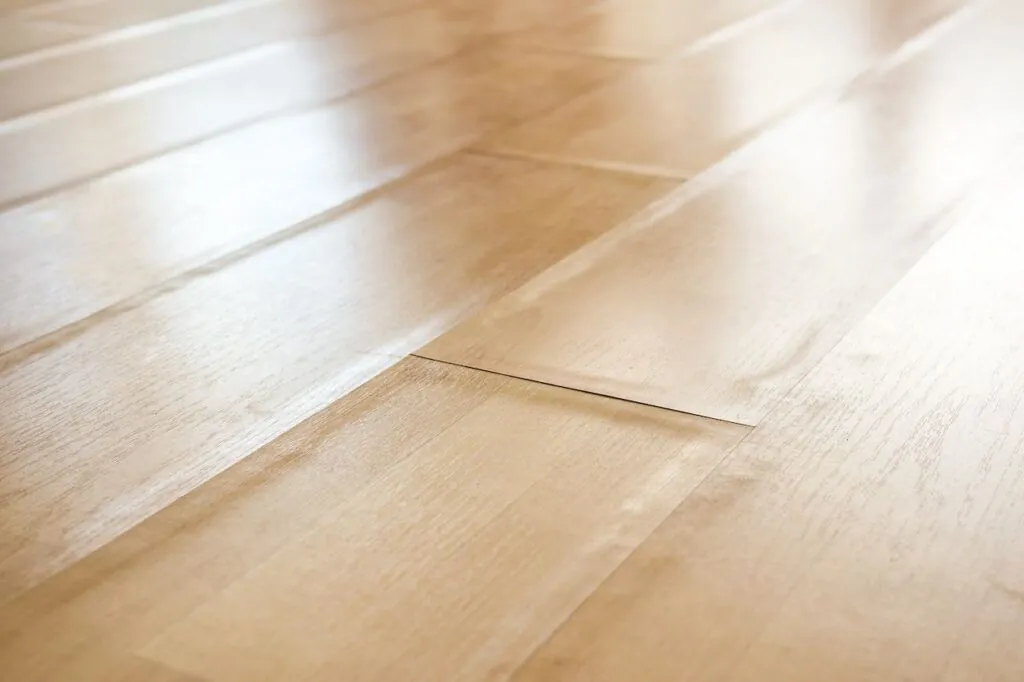

If you’re asking why your laminate floor bubbling is happening, the most common cause is moisture intrusion, whether from leaks, spills, or high humidity. Improper installation, temperature changes, and subfloor problems can worsen the issue. The fix depends on identifying and stopping the moisture source first; without that, repairs won’t last. In many cases, professional water damage restoration is the safest way to prevent long-term damage.
Understanding Laminate Floor Bubbling
Laminate floor bubbling occurs when laminate planks swell, lift, or form raised areas due to moisture absorption or movement restrictions.
Laminate flooring is made with a fiberboard core that expands when exposed to water. Once swollen, it rarely returns to its original shape, making early detection and moisture control critical.
Common Causes of Laminate Floor Bubbling
Moisture and Water Damage
The leading cause of laminate floor bubbling is moisture. Water enters through seams and edges, soaking the core layer and causing it to expand.
Common moisture sources include:
- Plumbing leaks or appliance leaks
- Spills that are not cleaned promptly
- High indoor humidity
- Flooding or water intrusion
This is especially common in kitchens, bathrooms, basements, and entryways.
Poor Installation Practices
Improper installation often triggers or worsens laminate floor bubbling.
Typical mistakes include:
- No expansion gaps around walls
- Flooring that was installed too tightly
- Incorrect or missing underlayment
- No acclimation before installation
Laminate needs space to expand and contract. Without it, boards buckle upward.

The gap between the two laminate tiles indicates it was improperly installed.
Subfloor Issues
A damp, uneven, or incompatible subfloor can cause bubbling.
Watch for:
- Moisture coming up from concrete slabs
- Uneven subfloor surfaces
- Cracks or gaps under planks
Moisture trapped below the laminate is often invisible but highly destructive.
Temperature and Humidity Fluctuations
Laminate reacts to environmental changes.
- Heat causes expansion
- Cold causes contraction
Without proper spacing and climate control, this movement leads to lifting and bubbling.
Heavy Furniture and Impact Damage
Heavy furniture without pads can compress laminate joints. If moisture is present, compression accelerates swelling and separation.

A dehumidifier helps remove moisture from your room, which can help your laminate floor.
Preventing Laminate Floor Bubbling
Control Moisture Levels
Moisture control is the most effective prevention step.
Best practices:
- Keep indoor humidity between 30–50%
- Use dehumidifiers in damp areas
- Clean spills immediately
- Fix plumbing leaks promptly
Avoid wet mopping—use a damp (not wet) microfiber mop.
Ensure Proper Installation
Correct installation reduces the risk of laminate floor bubbling.
- Maintain manufacturer-recommended expansion gaps
- Use the correct underlayment
- Allow planks to acclimate 48–72 hours
- Hire professionals when possible
Choose the Right Laminate
Not all laminate is equal.
- Use water-resistant laminate in higher-risk rooms
- Avoid laminate in areas with frequent standing water
Protect the Surface
- Use felt pads under furniture
- Avoid dragging heavy items
- Place mats in high-traffic or entry areas

Placing a pad on your furniture helps protect your flooring.
Perform Regular Inspections
Early signs matter.
Check for:
- Slight lifting at seams
- Soft or spongy spots
- Musty odors
Catching moisture early can prevent full plank replacement.
What to Do If Your Laminate Floor Is Bubbling
Step 1: Identify the Moisture Source
Find and stop the water source first. This may involve plumbing inspection, appliance repair, or humidity control.
Step 2: Dry the Area Thoroughly
Surface drying is often not enough. Moisture may be trapped beneath the flooring or in the subfloor.
Step 3: Assess Repair vs Replacement
- Minor bubbling may flatten temporarily
- Swollen boards usually require replacement
Once the laminate core expands, it cannot be permanently reversed.
Step 4: Call a Professional if Moisture Persists
If moisture has spread below the surface, professional drying and restoration are necessary to prevent mold and structural damage.
Laminate Floor Bubbling: DIY Fix vs Professional Restoration
| Situation | DIY Fix | Professional Help |
|---|---|---|
| Small spill, caught immediately | ✅ | ❌ |
| Ongoing moisture or leaks | ❌ | ✅ |
| Subfloor moisture | ❌ | ✅ |
| Mold risk present | ❌ | ✅ |
| Widespread bubbling | ❌ | ✅ |
FAQs About Laminate Floor Bubbling
Can laminate floor bubbling be fixed?
Only if moisture is fully removed and damage is minimal. Most swollen boards must be replaced.
Is laminate floor bubbling always caused by water?
Almost always. Installation and temperature issues usually contribute, but moisture is the root cause.
Will a dehumidifier fix laminate bubbling?
A dehumidifier helps prevent further damage but won’t reverse swelling already in the boards.
Can mold grow under bubbling laminate?
Yes. Trapped moisture creates ideal conditions for mold growth beneath the flooring.
Should I replace or repair bubbled laminate?
If boards are swollen or warped, replacement is the safest long-term solution.
Experiencing Water Damage? Call PuroClean Today
If laminate floor bubbling is linked to water damage, professional help is critical. PuroClean provides expert water damage restoration, moisture detection, and structural drying to stop damage at the source and protect your home.
Our certified technicians use advanced equipment to remove hidden moisture and prevent mold growth.
Call (800) 775-7876 or find your nearest PuroClean office today.
Key Takeaways
- Professional restoration may be required for lasting results
- Laminate floor bubbling is usually caused by moisture
- Water-damaged laminate rarely returns to normal
- Improper installation increases bubbling risk
- Subfloor moisture is often hidden but dangerous
- Prevention starts with humidity and leak control
- Early action limits repair costs
Further Reading
How to Restore Hardwood Flooring After Water Damage
Can Water Damage Tile Floors? A Comprehensive Homeowner’s Guide



