



Table of Contents
Storm damage repair comes down to one decision: handle minor, low-risk fixes yourself—or call trained professionals for complex or hazardous damage. DIY can work for small issues if you have the skills and tools. For structural, water, or insurance-related damage, professional storm damage repair is safer, faster, and often more cost-effective long term. If safety, hidden damage, or claims are involved, contact PuroClean.
What Is Storm Damage Repair?
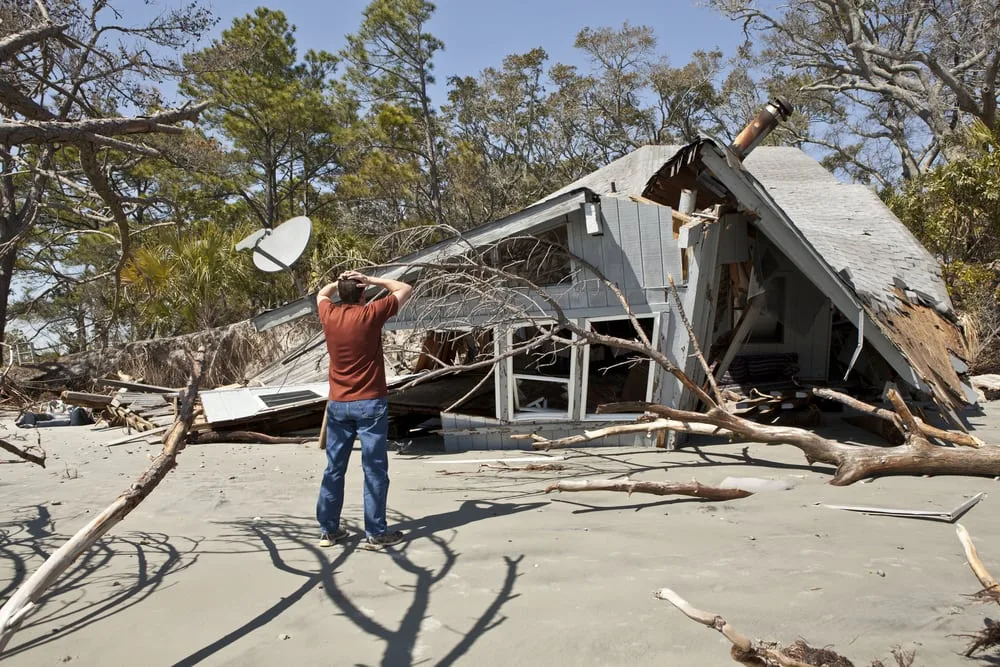
Storm damage repair is the process of restoring a property after wind, water, hail, or debris causes damage. It can include temporary stabilization, permanent repairs, and storm damage restoration to return the home to a safe, livable condition. The right approach depends on damage severity and risk.
Understanding Storm Damage: Types and Risks
Storms affect homes in different ways. Identifying the damage type helps decide between DIY and professional help.
- Wind damage: Missing shingles, torn siding, fallen branches, roof punctures.
- Water damage: Flooding, leaks, soaked drywall, mold risk.
- Structural damage: Compromised framing, foundations, load-bearing walls.
Ignoring damage can escalate costs. Water intrusion and structural shifts often worsen quickly, making early storm damage repair services critical.
DIY Storm Damage Repair: When It Works—and When It Doesn’t
Pros of DIY Storm Damage Repair
DIY storm damage repair can save money and offer flexibility when issues are minor.
- Lower upfront costs for simple fixes
- Flexible scheduling
- Good fit for cosmetic or low-risk tasks
Cons and Risks
DIY has limits—especially where safety or codes apply.
- Injury risk (heights, electricity, unstable materials)
- Hidden damage missed without proper tools
- Mistakes can void insurance or increase costs
DIY Is Reasonable For
- Clearing light debris
- Temporary tarping (if safe)
- Minor caulking or sealant touch-ups
If you’re unsure, pause. Attempting complex repair storm damage to home tasks can create bigger problems.
Professional Storm Damage Repair: Benefits and What to Expect
Hiring professional storm damage repair delivers expertise and protection when damage is extensive or hazardous.
What professionals provide:
- Thorough inspections (including hidden damage)
- Proper drying, containment, and storm damage restoration
- Code-compliant repairs and documentation
- Faster timelines with specialized equipment
- Warranties and cleanup
Companies like PuroClean also help coordinate storm damage insurance repairs, reducing friction during claims.
DIY vs. Professional Storm Damage Repair: A Comparison
| Factor | DIY | Professional |
|---|---|---|
| Safety | Higher risk | Trained, PPE-equipped |
| Hidden damage | Often missed | Systematically identified |
| Insurance support | Limited | Documentation provided |
| Speed | Slower | Faster response |
| Long-term cost | Uncertain | Predictable with warranties |
Cost Comparison: Short-Term vs. Long-Term
DIY storm damage repair usually costs less upfront (materials and tools). However, errors can lead to rework, mold growth, or denied claims. Professional storm damage repair services cost more initially but often save money by preventing secondary damage and including warranties.
Rule of thumb: If damage involves water intrusion, structure, or insurance—professional help pays off.
Insurance, Safety, and Legal Considerations
Insurance often favors professional documentation. Proper estimates, photos, and scope notes help validate storm damage insurance repairs. DIY work may complicate claims or violate local codes if permits are required.
Consider:
- Claim complexity and timelines
- Personal safety risks
- Local building codes and permits
How to Choose the Right Storm Damage Repair Solution
- Assess severity: Cosmetic vs. structural or water damage
- Check safety: Heights, electricity, instability
- Review insurance: Coverage and documentation needs
- Evaluate resources: Skills, tools, time
When in doubt, a professional assessment prevents costly mistakes.
FAQs About Storm Damage Repair
Can I do storm damage repair myself?
Yes—for minor, low-risk issues. Avoid DIY for water, structural, or electrical damage.
When should I call a professional?
If there’s flooding, roof damage, mold risk, or structural concerns, call professional storm damage repair immediately.
Does insurance cover storm damage repair?
Often, yes. Coverage varies by policy and damage type; documentation matters.
How fast should repairs start?
As soon as safely possible. Delays increase secondary damage and costs.
What does storm damage restoration include?
Assessment, drying, repairs, cleanup, and verification to restore safety.
Contact PuroClean for Expert Storm Damage Repair!
If you’re unsure whether DIY is safe—or you’re facing water or structural issues—contact PuroClean at (800) 775-7876 for expert storm damage repair and storm damage restoration. A professional evaluation protects your home and your peace of mind.
Key Takeaways
- Storm damage repair choices depend on severity and safety
- DIY works only for minor, low-risk tasks
- Water and structural damage require professionals
- Insurance claims are smoother with expert documentation
- Professionals find hidden damage and work faster
- Warranties reduce long-term risk
- PuroClean delivers reliable, compliant restoration services



